

Omi-Hachiman
Easily accessible from JR Kyoto Station via the JR Biwako Line (35-minute ride), Omi-Hachiman Town traces its origins to the construction of a castle on Mount Hachiman and a castle town by feudal lord Toyotomi Hidetsugu in 1585.
This city is closely linked to the history of the merchants of Omi province (current Shiga prefecture). Although Hachiman Castle was demolished shortly after its construction, the castle town nevertheless prospered and developed into a thriving commercial center thanks to the Hachiman-bori Canal during the Edo period.
The Hachiman-bori canal and its surroundings
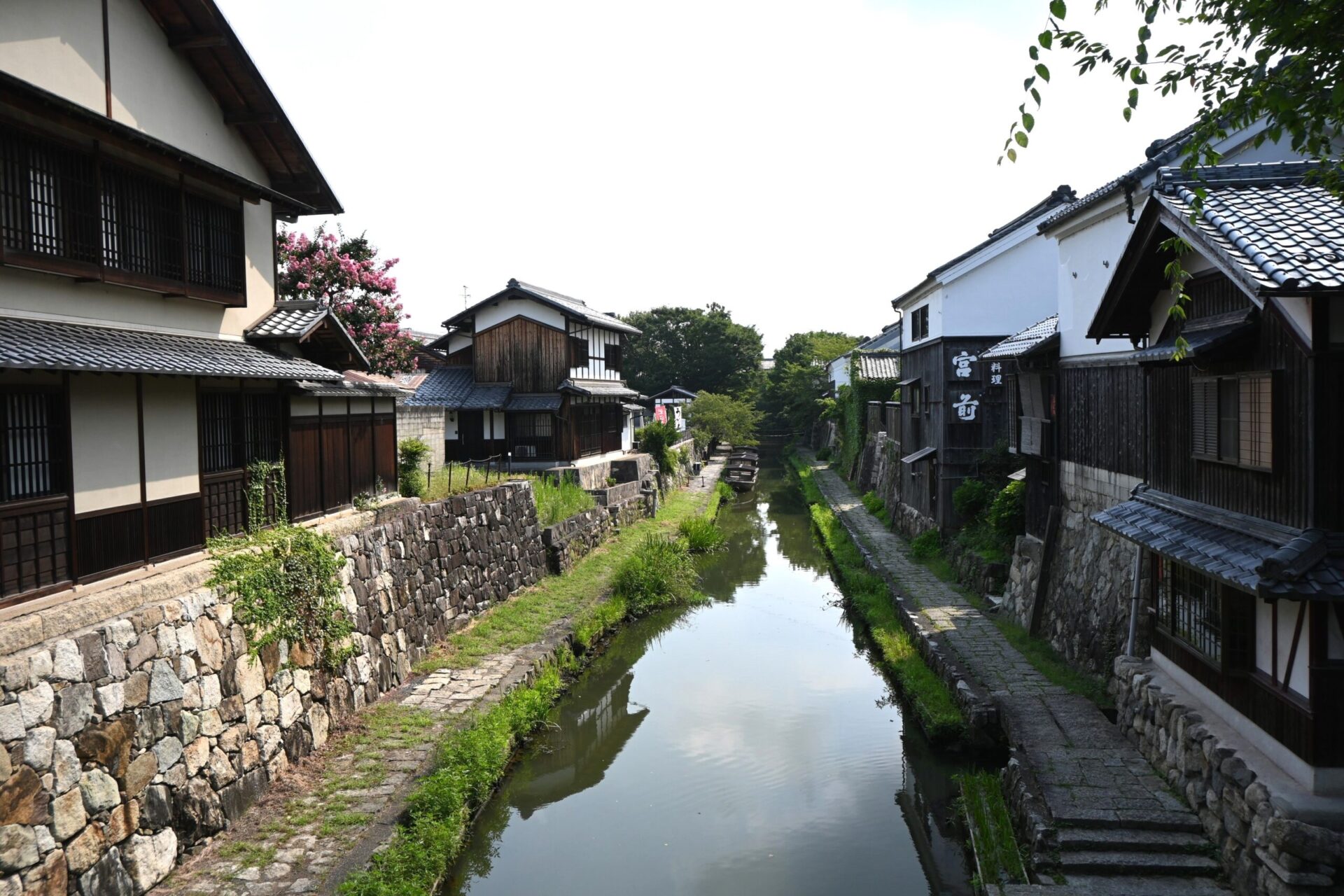
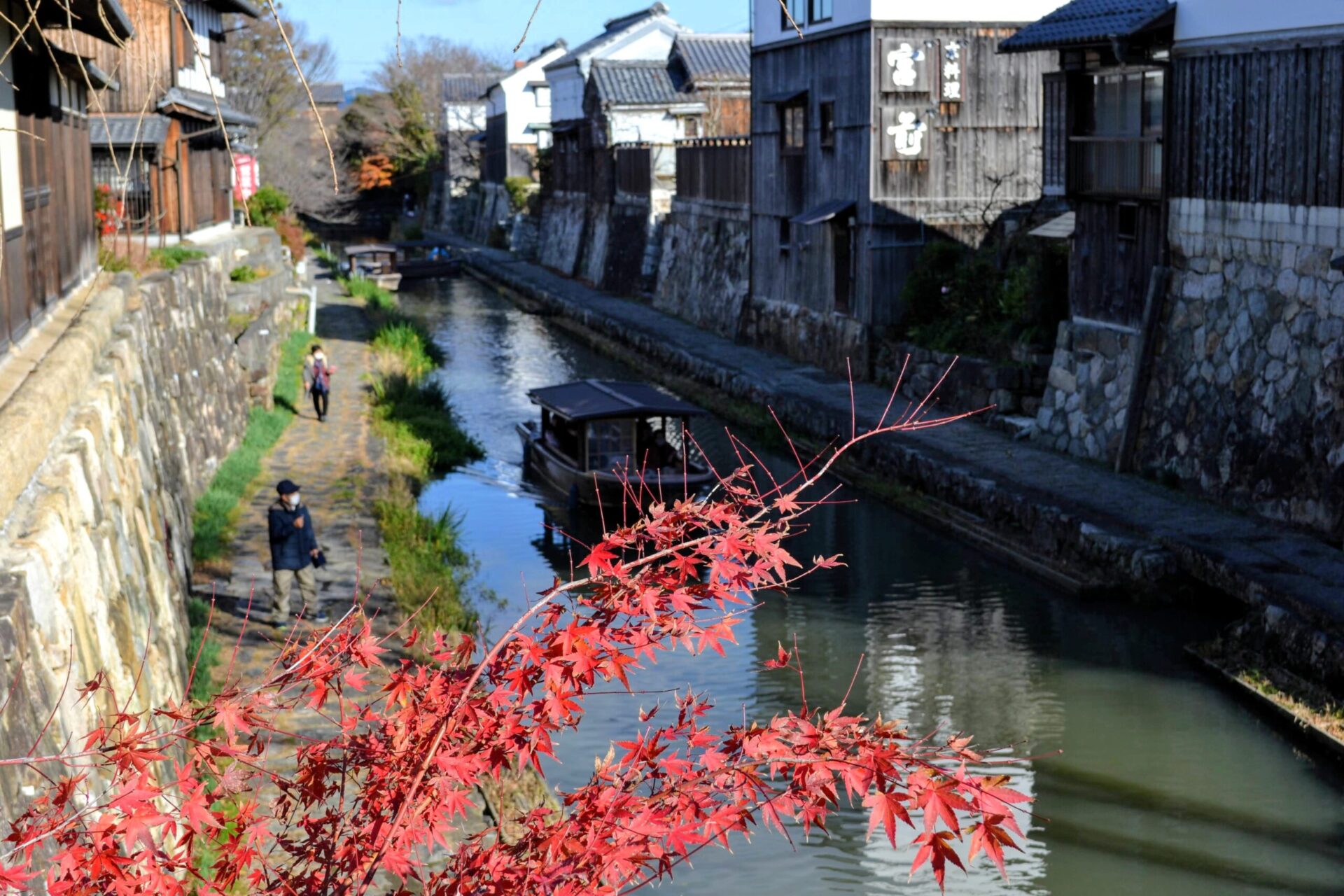
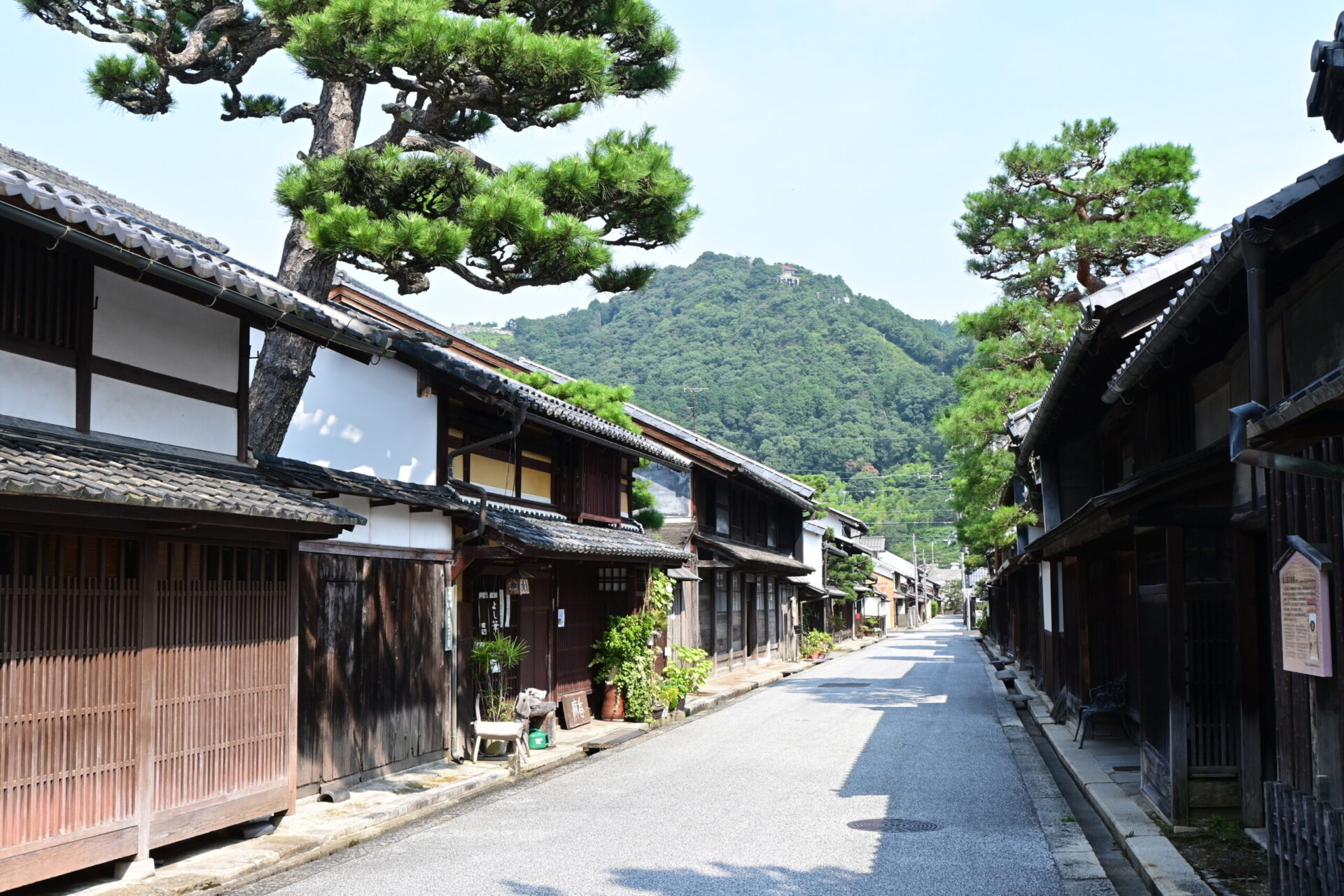
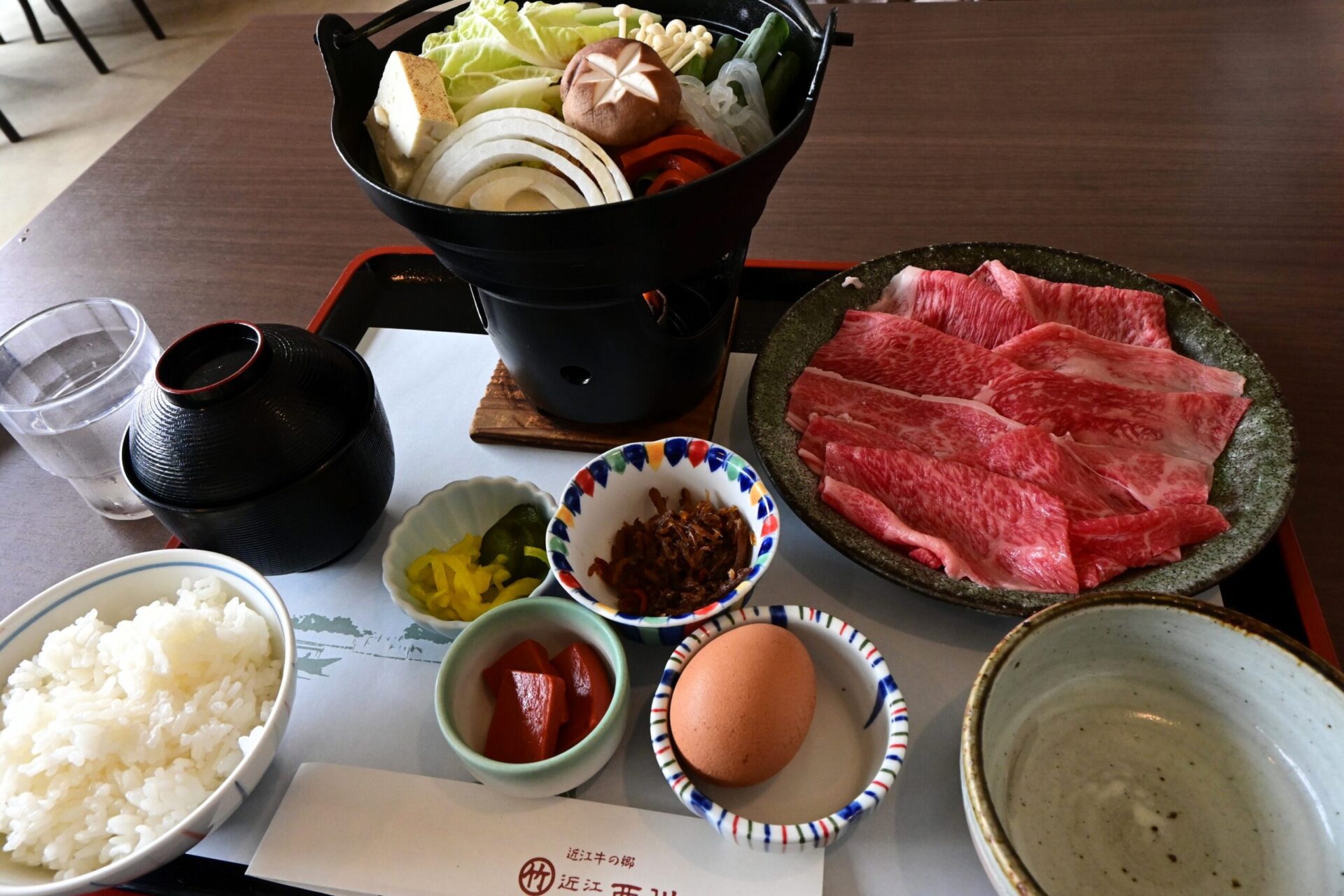
The Hachiman-bori Canal was built in the 16th century for the transportation of goods, powered by water from Lake Biwa. Although it is no longer used for the transport of goods, its aquatic landscape and the alignment of its old warehouses are magnificently preserved. A boat trip on the canal is today the ideal way to soak up this atmosphere of yesteryear. In the surrounding area, there are conservation areas of traditional buildings. In particular, Shinmachi Street, lined with old Omi merchant houses, offers a landscape of great historical beauty. And for those with a sweet tooth, don’t miss out on tasting Omi beef. Many restaurants offer this delicately marbled, tender and tasty meat. It is a true treasure of Japanese gastronomy.
- From Omi-Hachiman Station, Hachiman-bori is about 7 minutes by bus. Take the bus from platform 6, at the north exit of the station, and get off at Hachiman-bori Hachiman-yama Ropeway-guchi stop.
The Omi-Hachiman Hill
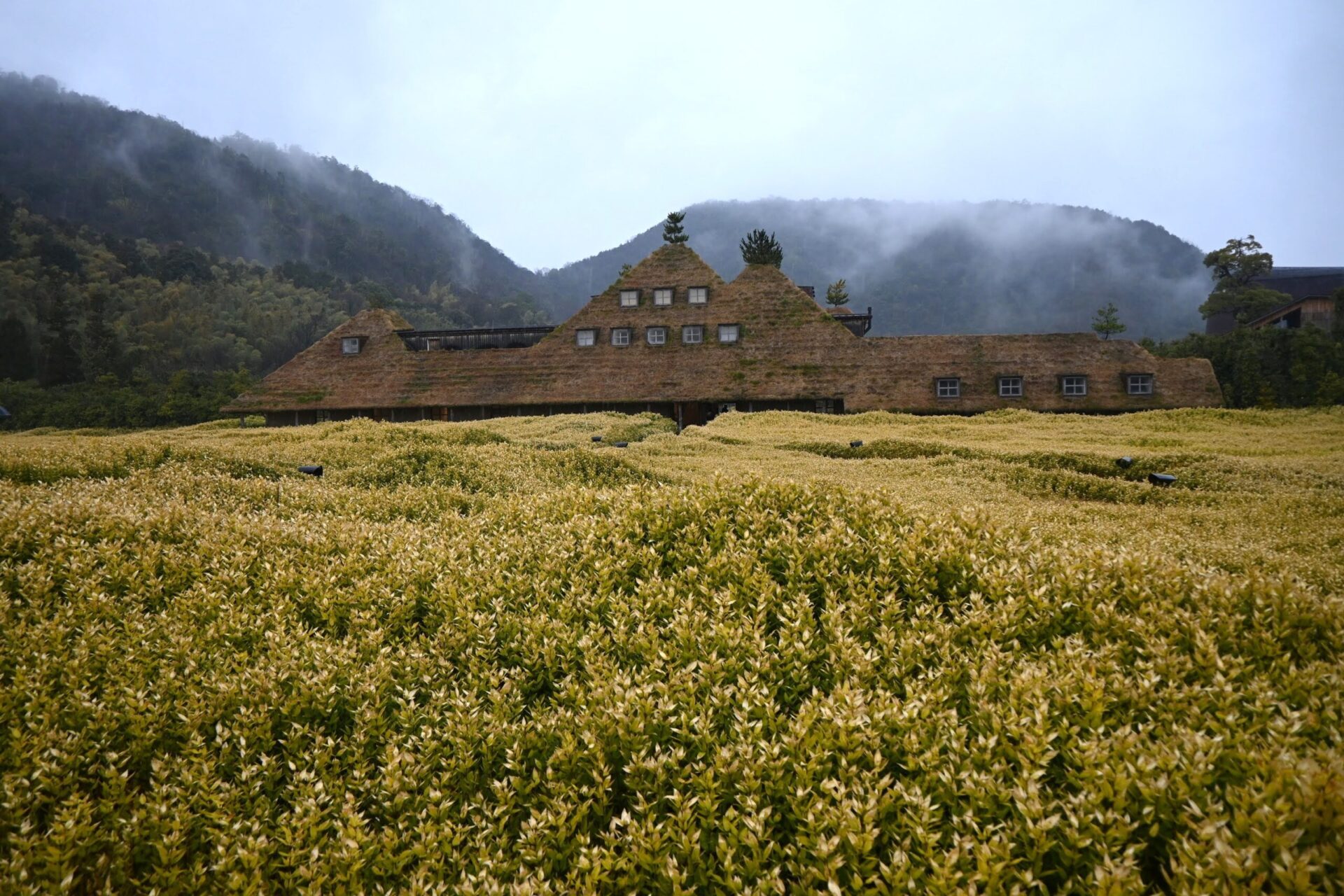
A triangular building with a roof covered in grass… What is it?
It is the symbol of La Collina, the flagship store of confectioner Taneya, which produces both Japanese and Western pastries.
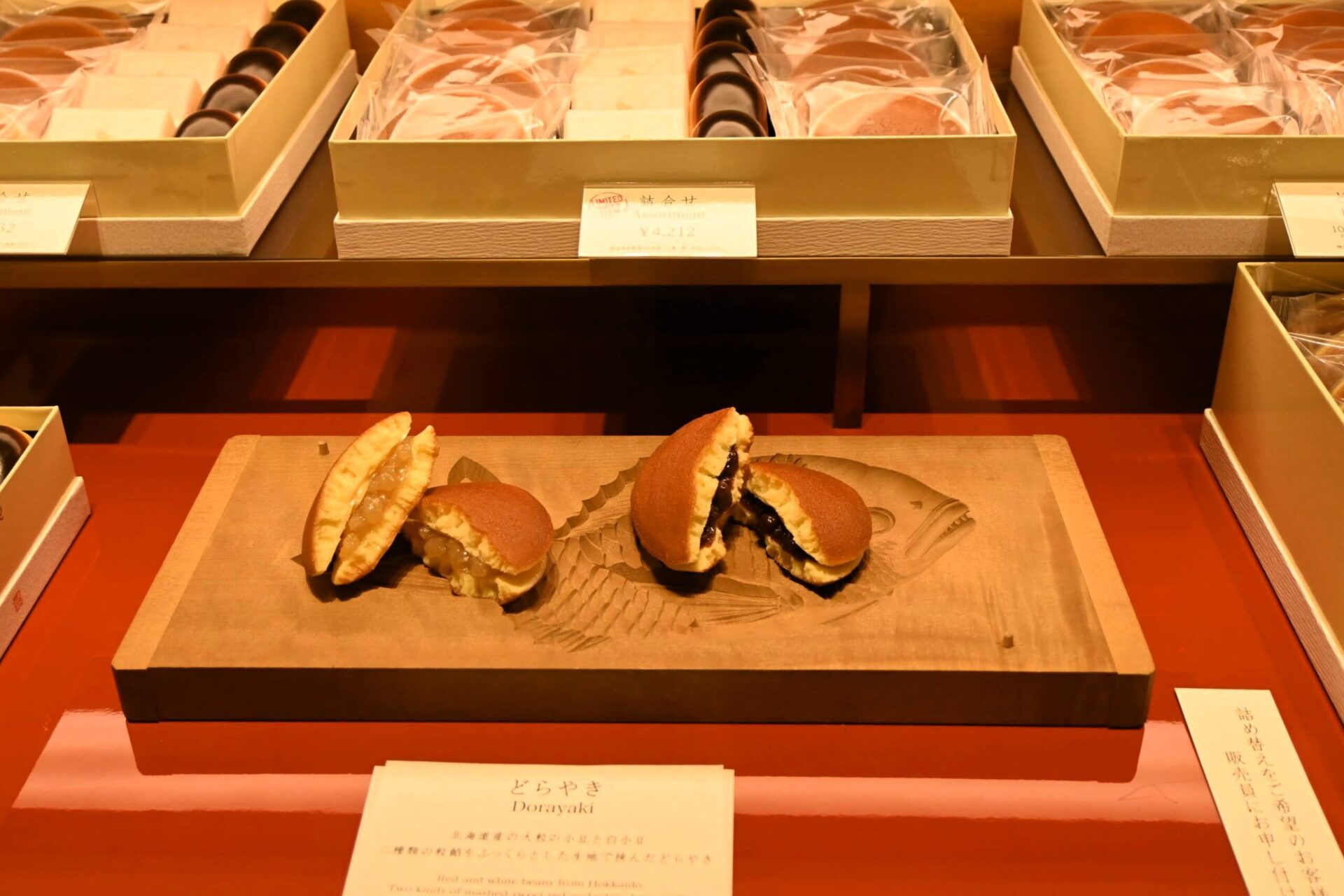
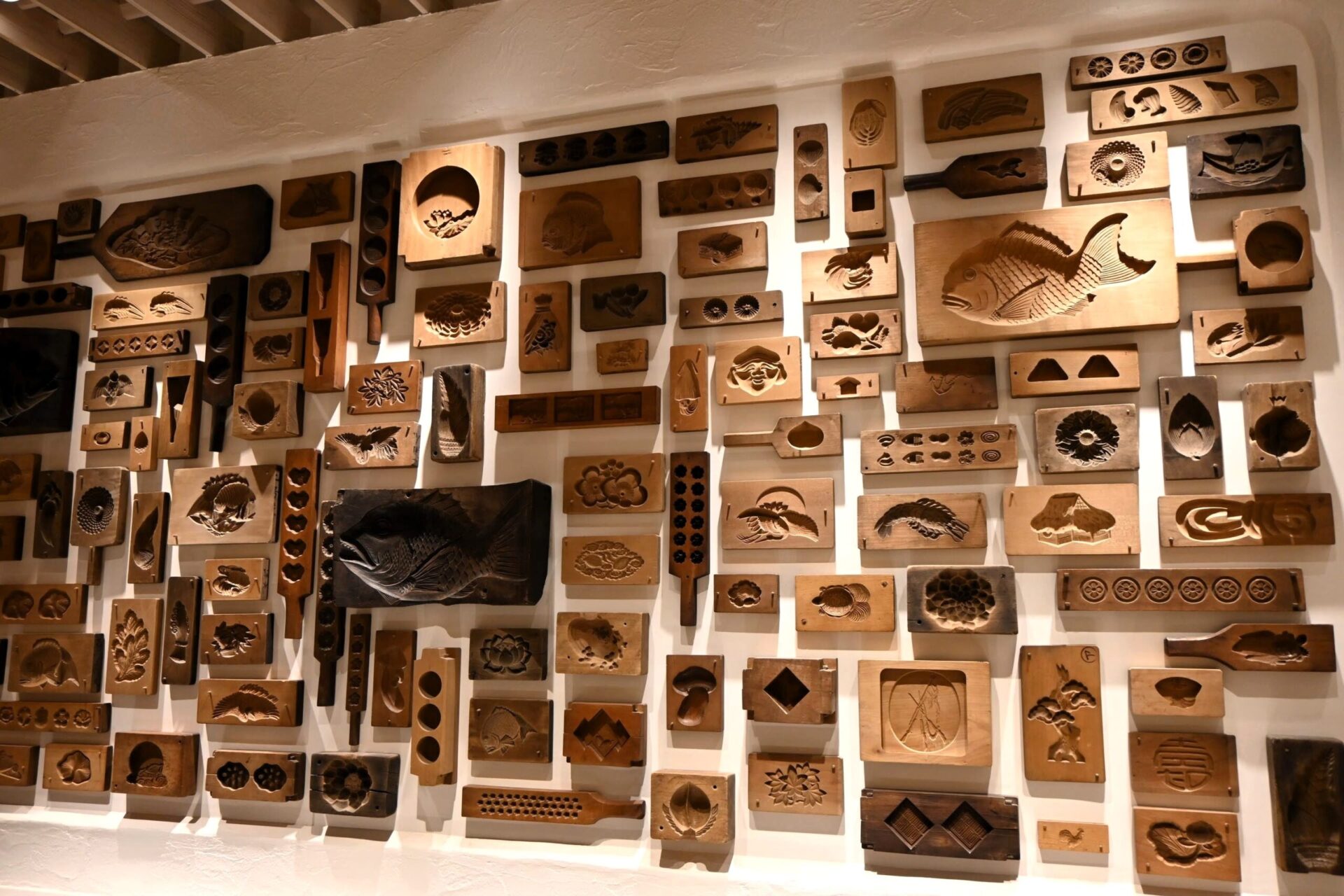

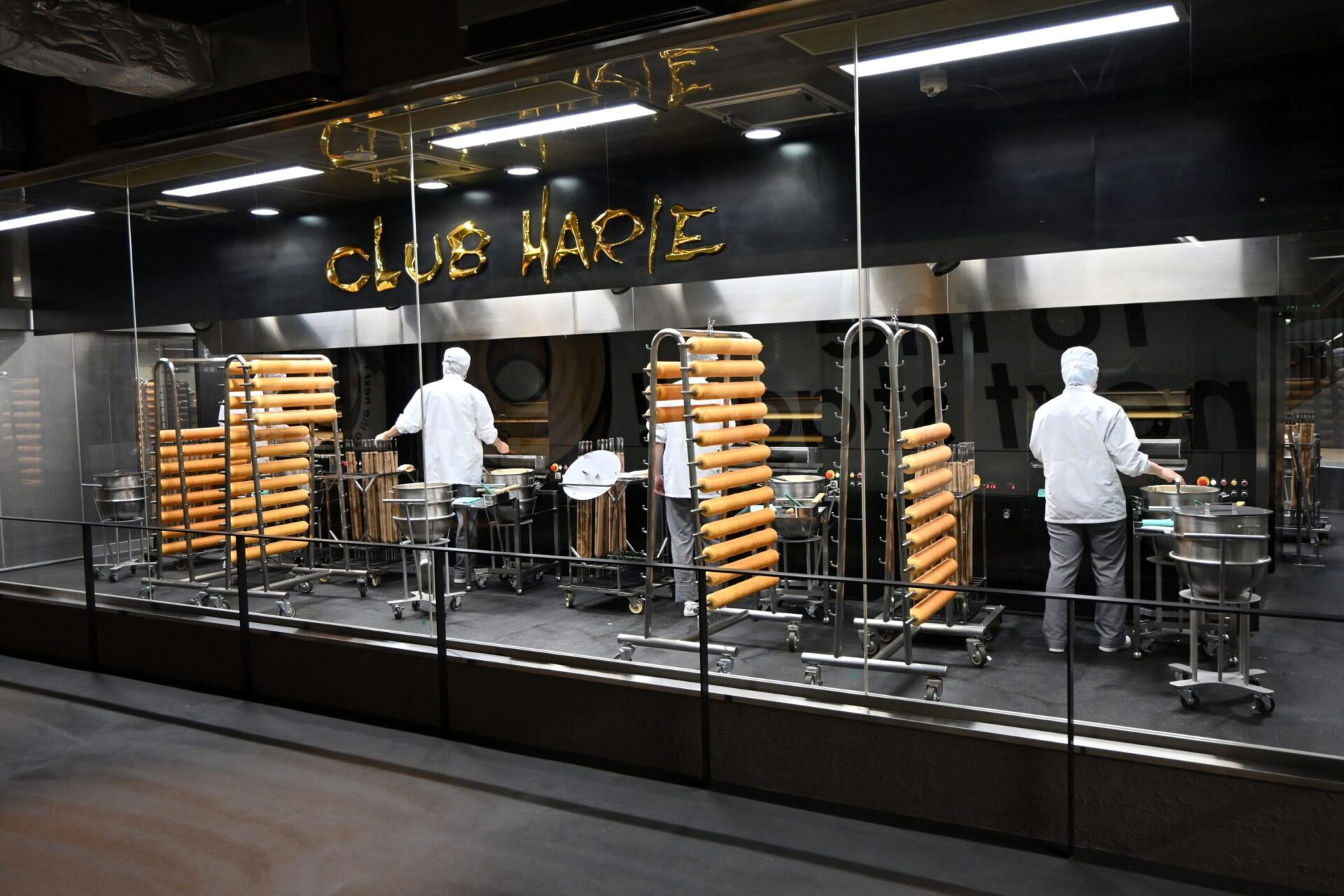
Founded in 1872, Taneya embodies the Omi merchants’ belief that good commerce should satisfy both the seller and the buyer, while also contributing to society. Taneya is also very active in her contributions to future generations and the local community. At La Collina you can of course taste delicious pastries and even witness their manufacturing process.
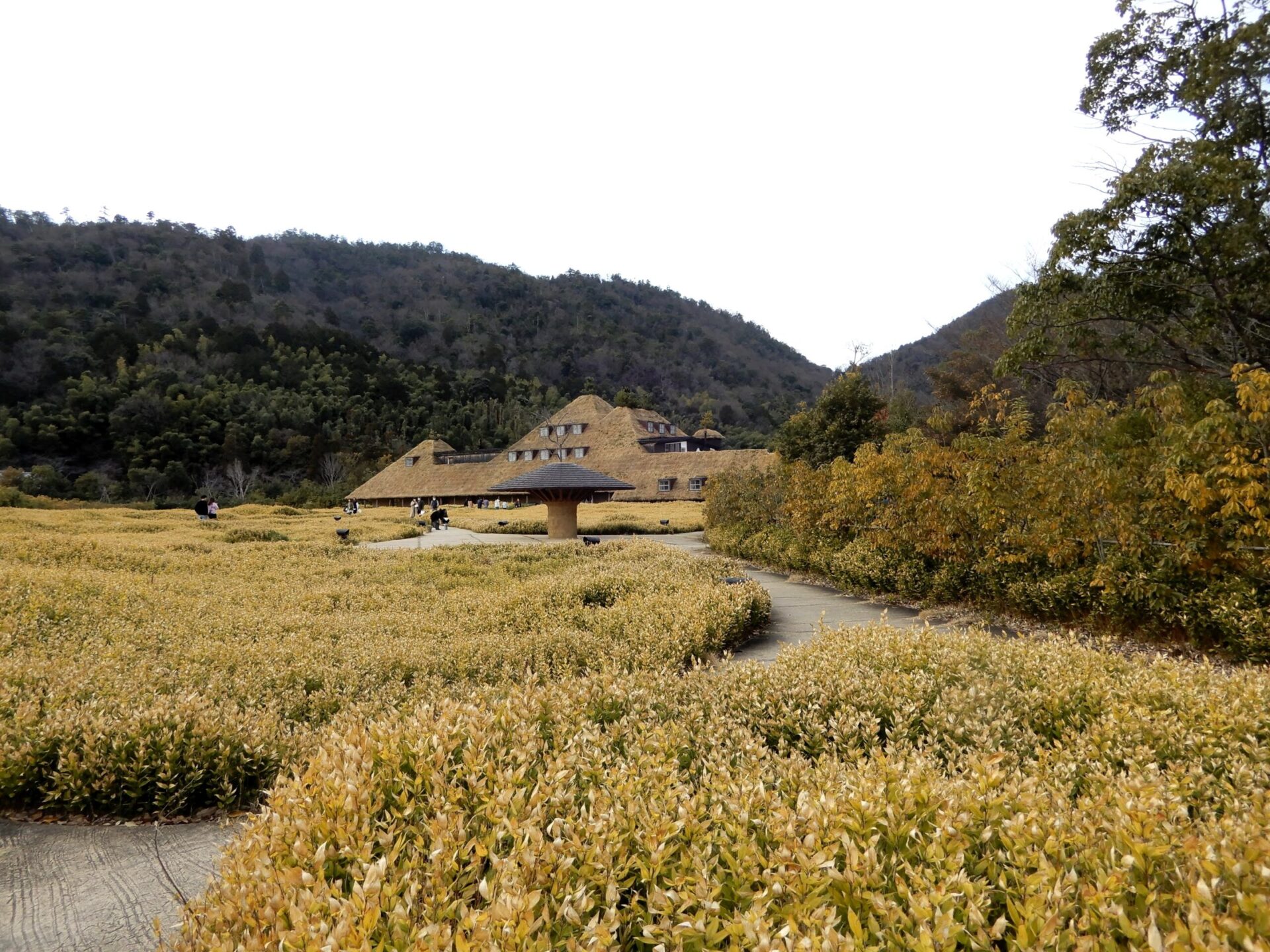
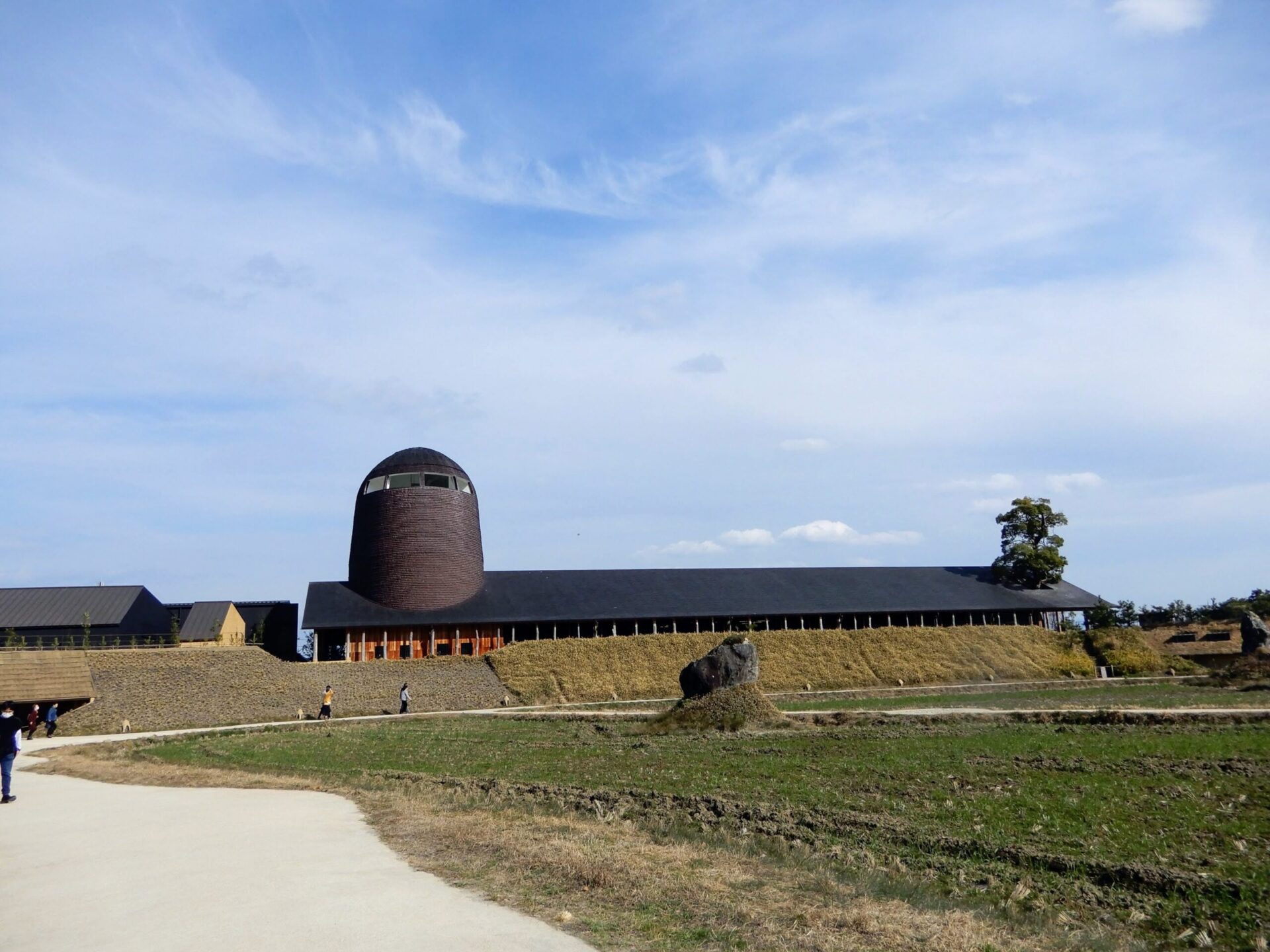
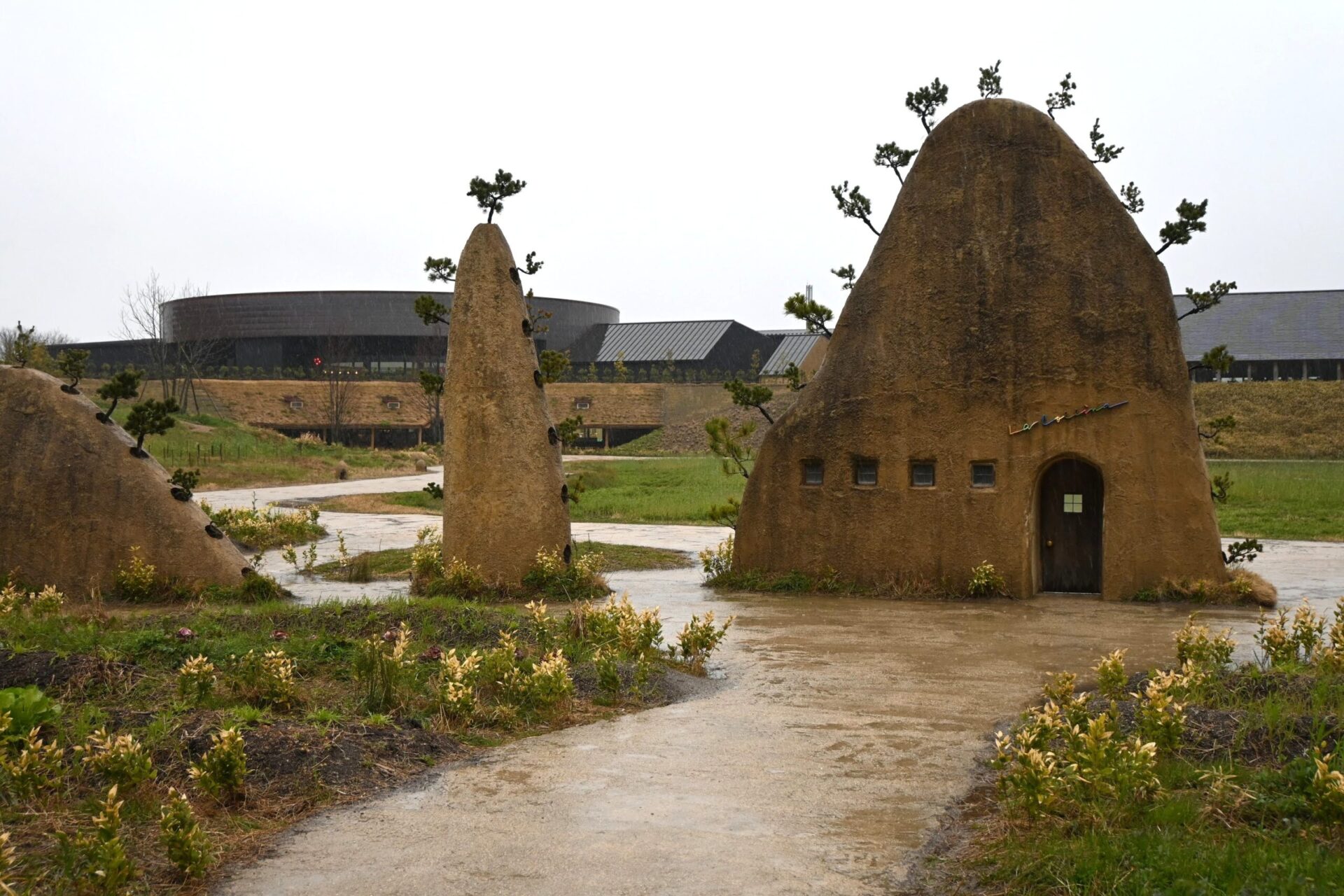
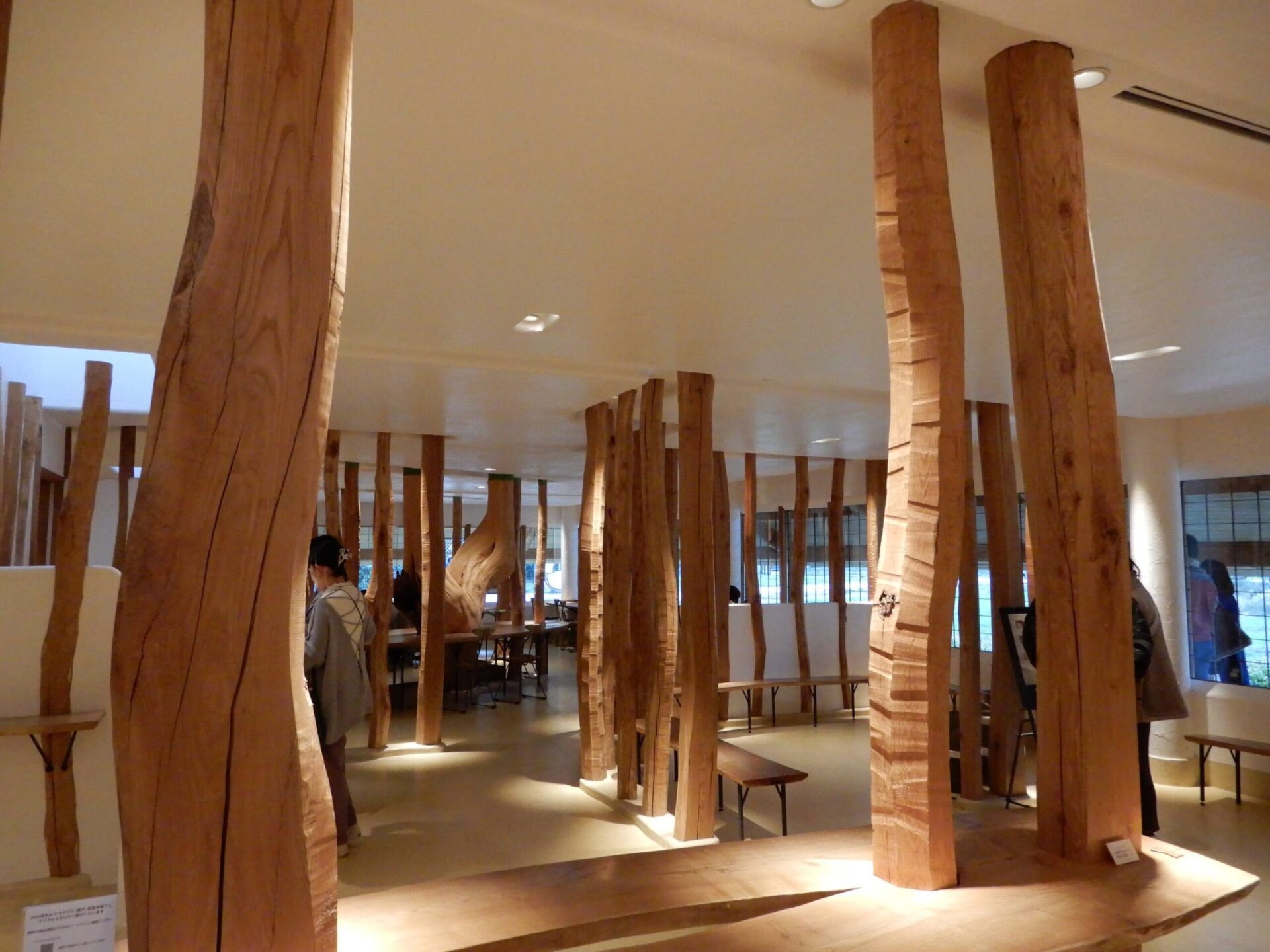
But this place is much more than just a culinary theme park. Situated in the heart of the lush nature of Omi-Hachiman, the entire La Collina site—from architectural design to planting and landscaping—is expressed under the theme: “Learning from Nature.”You will also discover an authentic and preserved Japanese landscape, which you can freely explore, with its streams and rice fields.
- From Omi-Hachiman Station, La Collina Omi-Hachiman is about 10 minutes by bus. Take the bus from platform 6, at the north exit of the station, and get off at the Kitanosho La Collina-mae stop.
Okishima Island
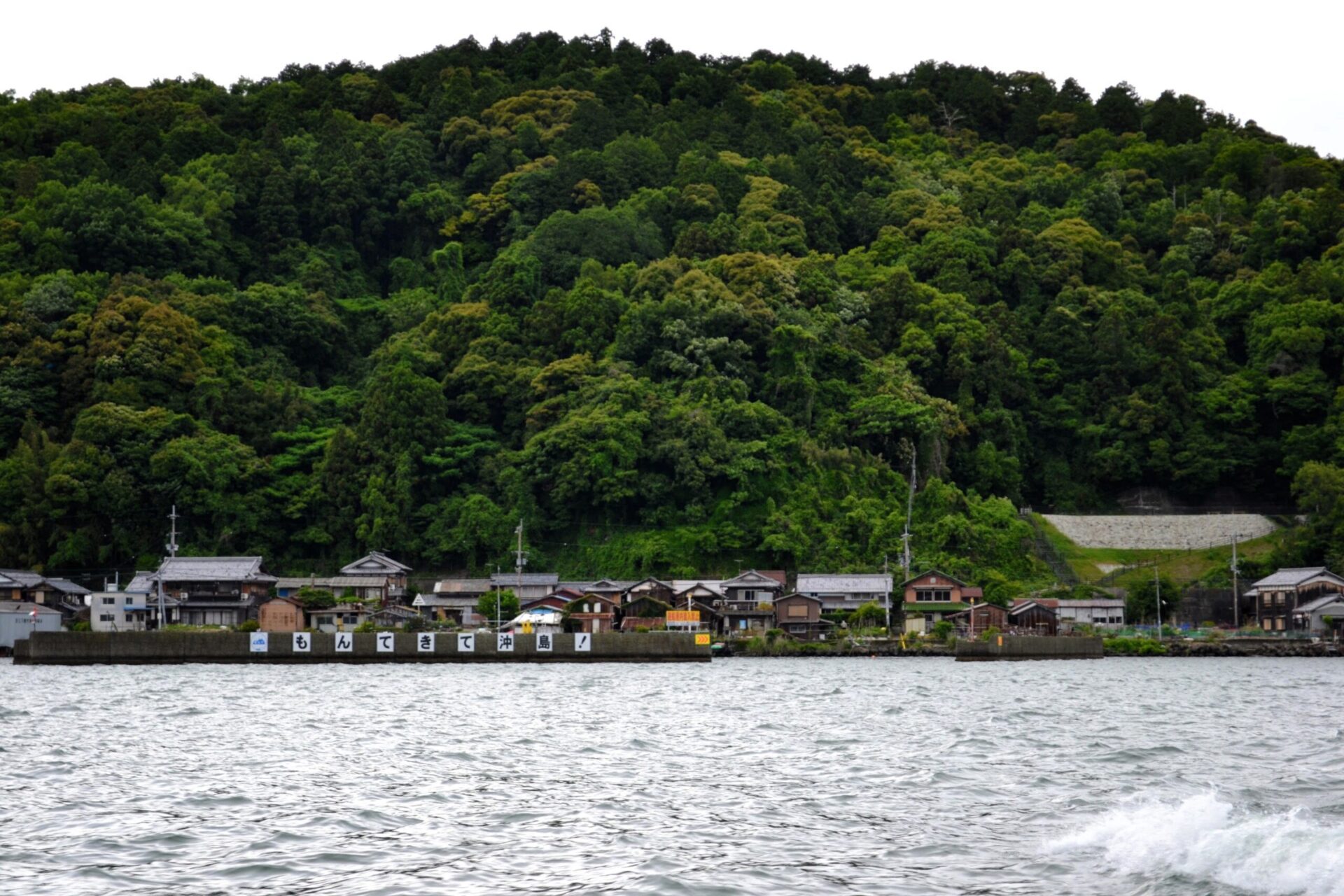
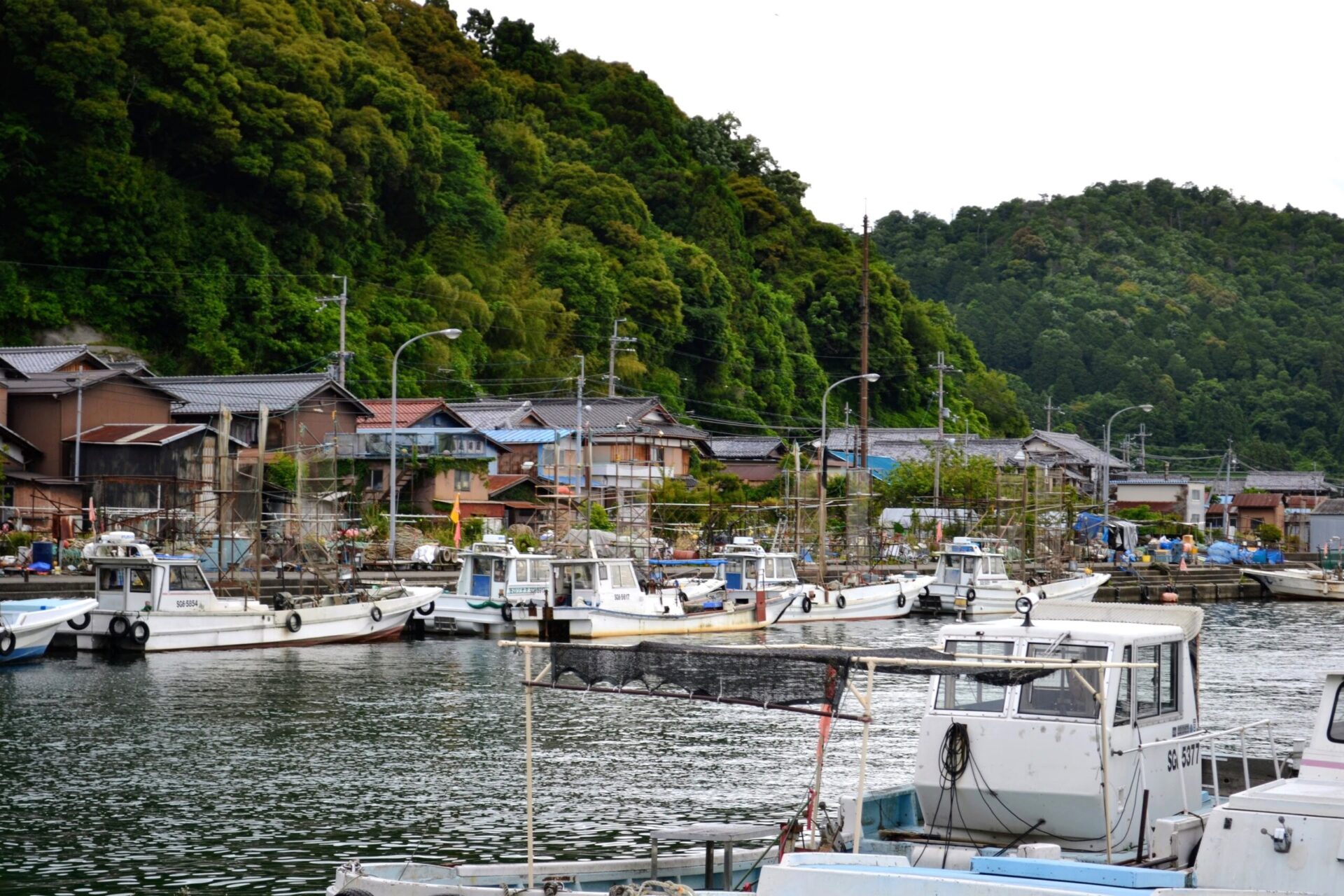
Did you know that there is an inhabited island on Lake Biwa? This is Okishima Island, and it is the only inhabited freshwater lake island in Japan. The history of this island, once revered as a sacred island for safe lake transportation, dates back to the mid-12th century. Today, it has around 200 inhabitants. Fishing is its main economic activity, accounting for half of Lake Biwa’s total fish catch.
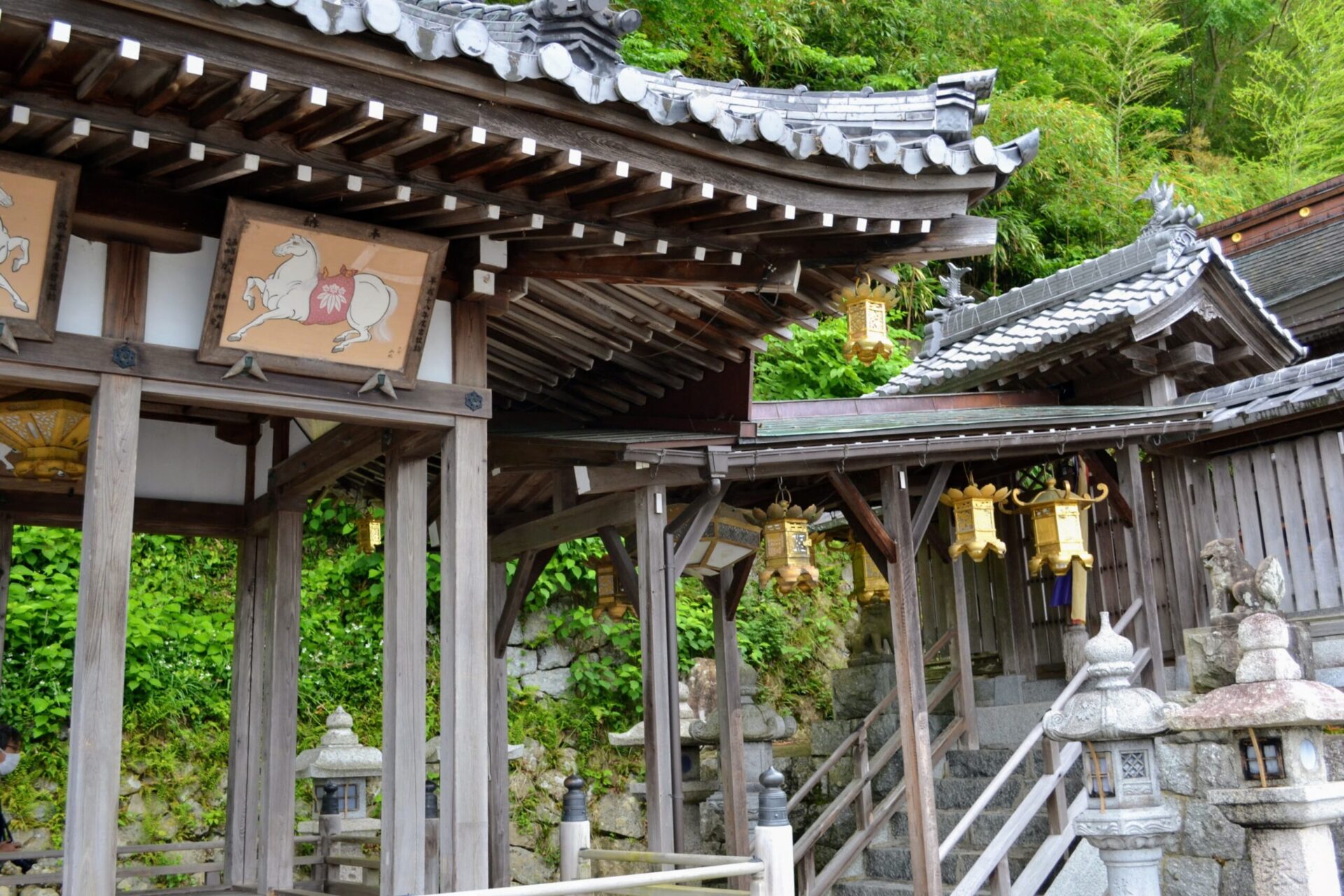
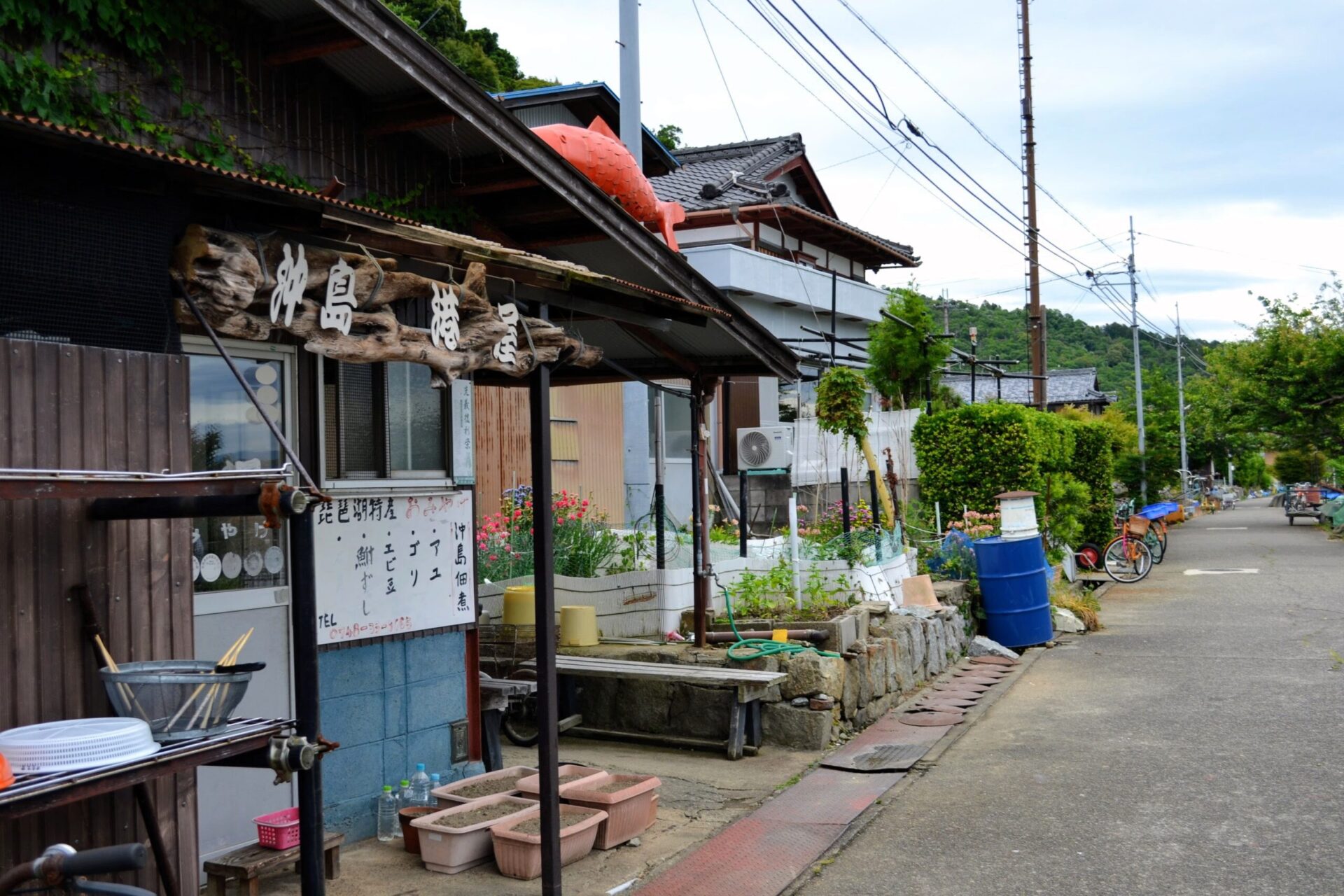
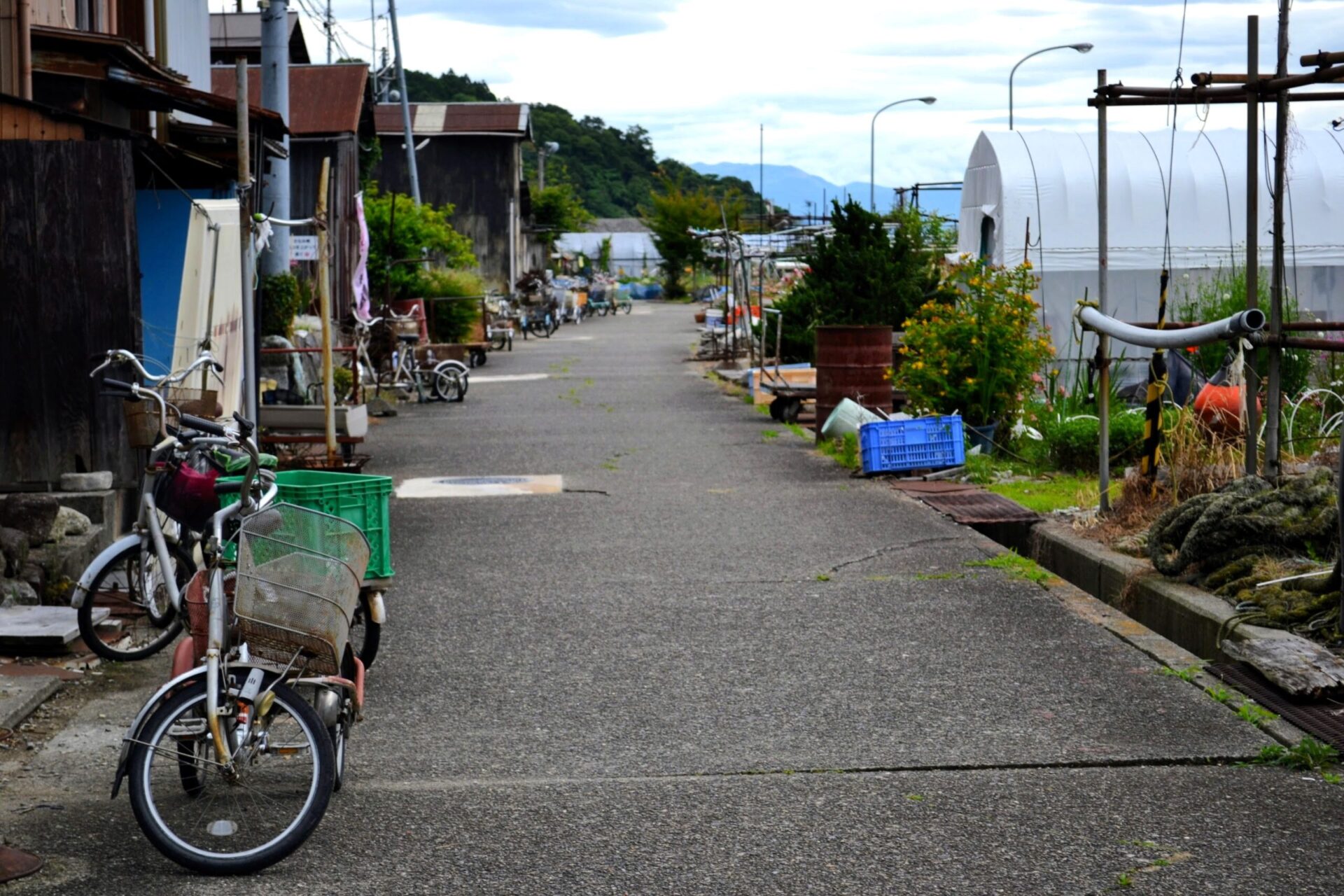
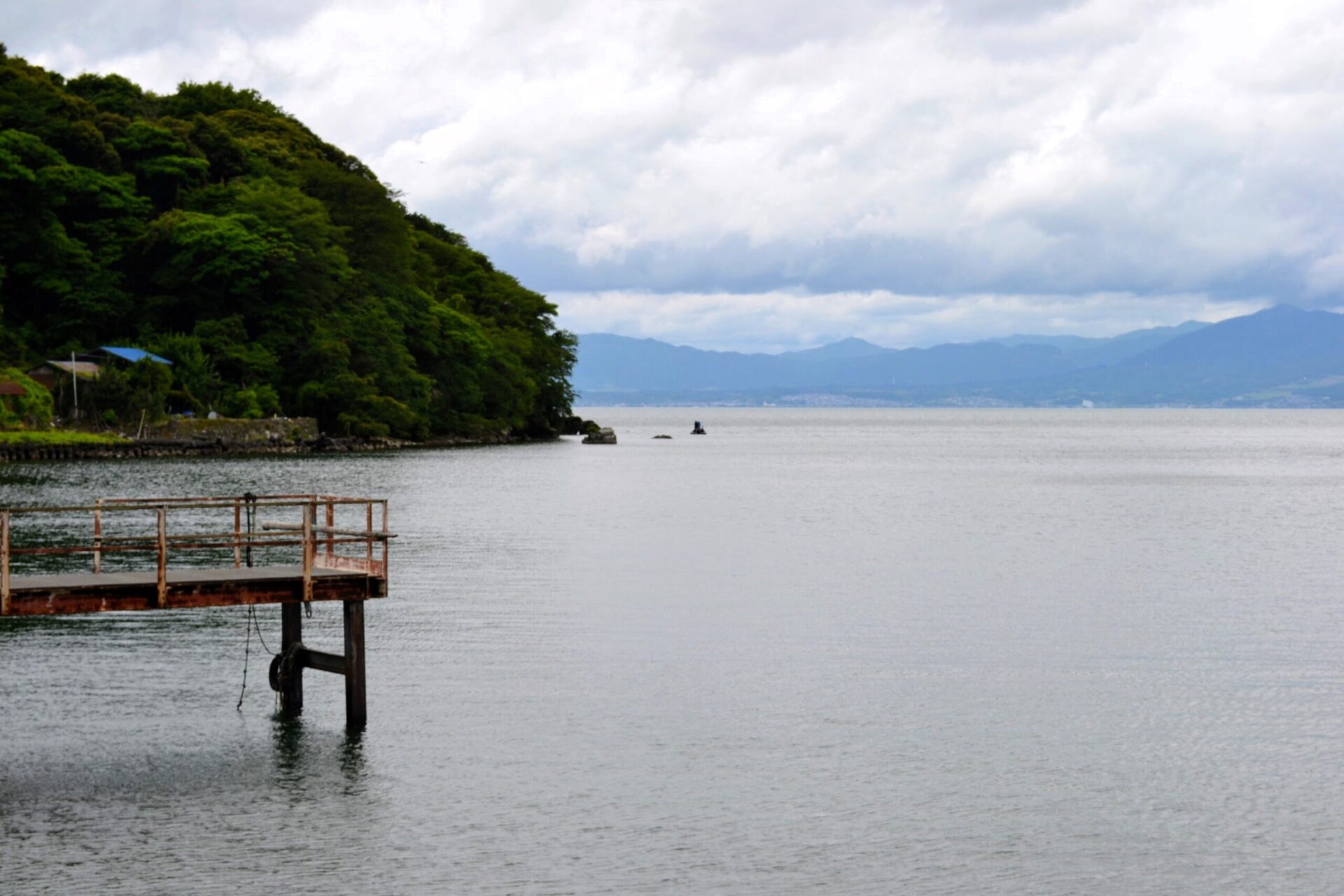
The island has no traffic lights or cars, and locals get around on foot or by tricycle.
Nostalgic landscapes are revealed around every corner, inviting visitors into a world far removed from the hustle and bustle of modern life. But the island is not at all focused on tourism. Fishermen often rest there in the afternoon, so it is recommended to walk quietly and quietly.
- From Omi-Hachiman Station, take the bus from platform 6, at the north exit of the station, and get off at Horikiri Port stop (about 35 minutes). A 10-minute boat ride will then take you to Okishima Island.
Kyourinbo temple
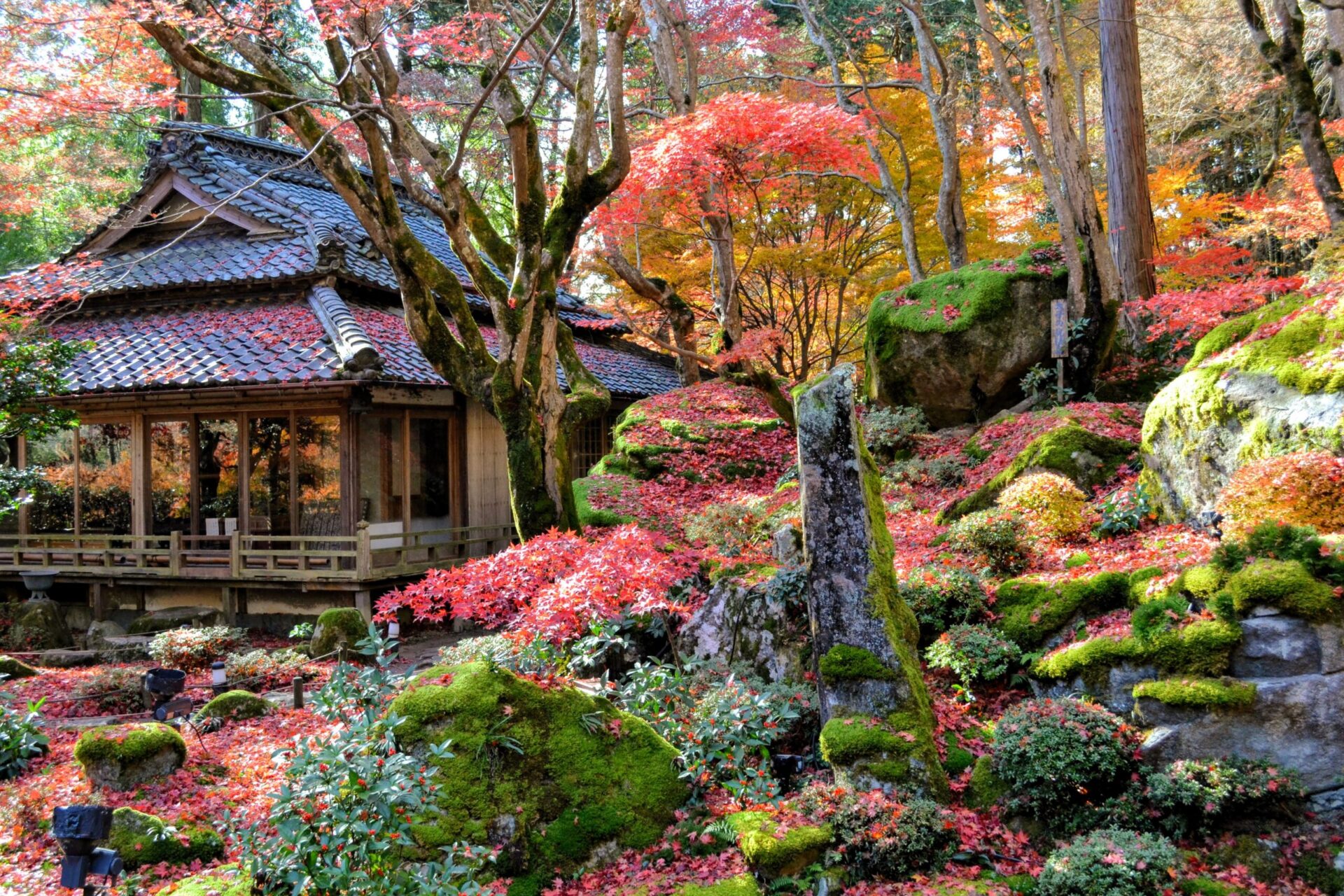
This old temple, with a history of 1400 years, was founded by Prince Shotoku, a major figure known for developing Buddhism in Japan. It is open to the public during certain periods, notably in spring and autumn.
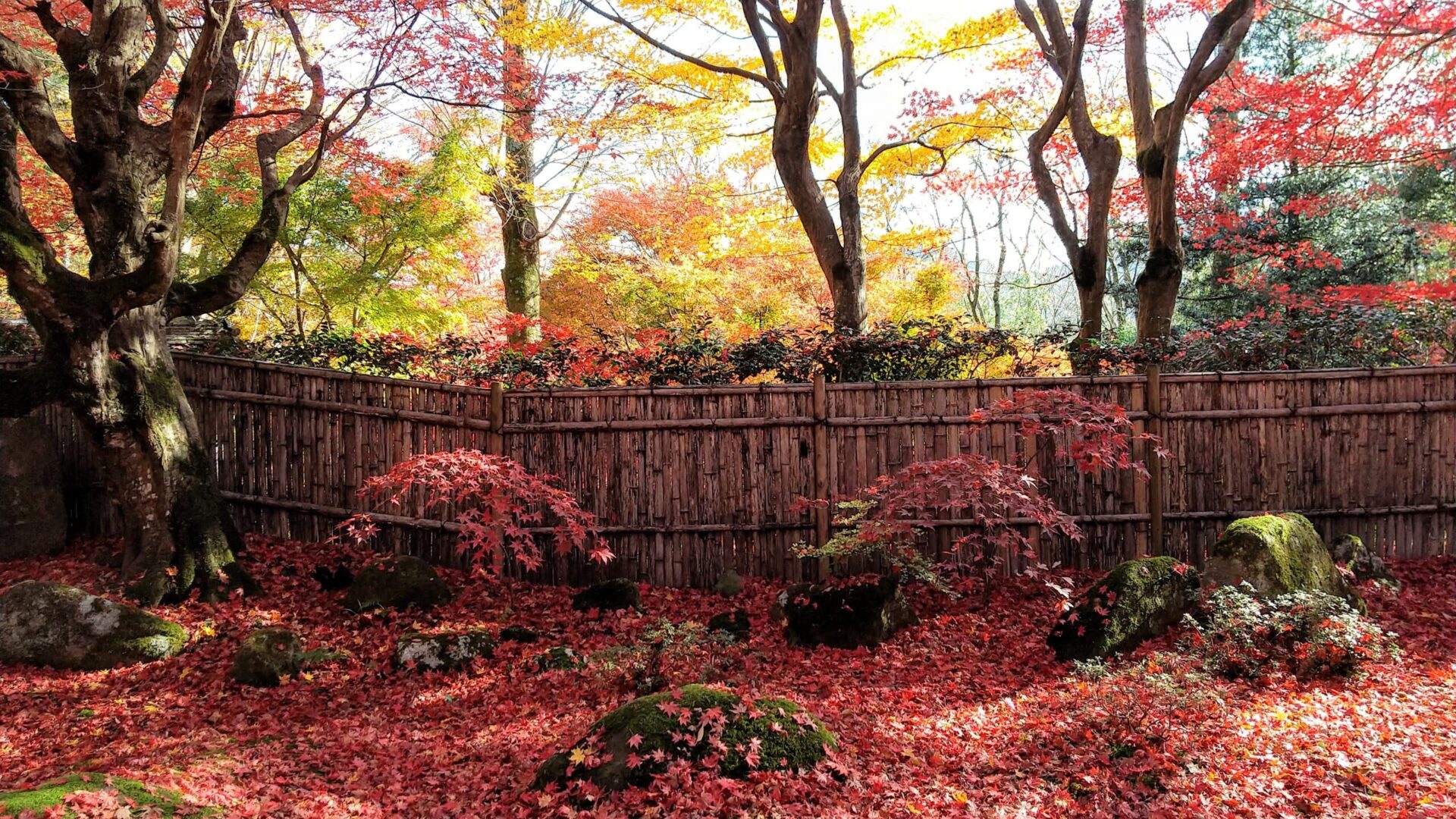
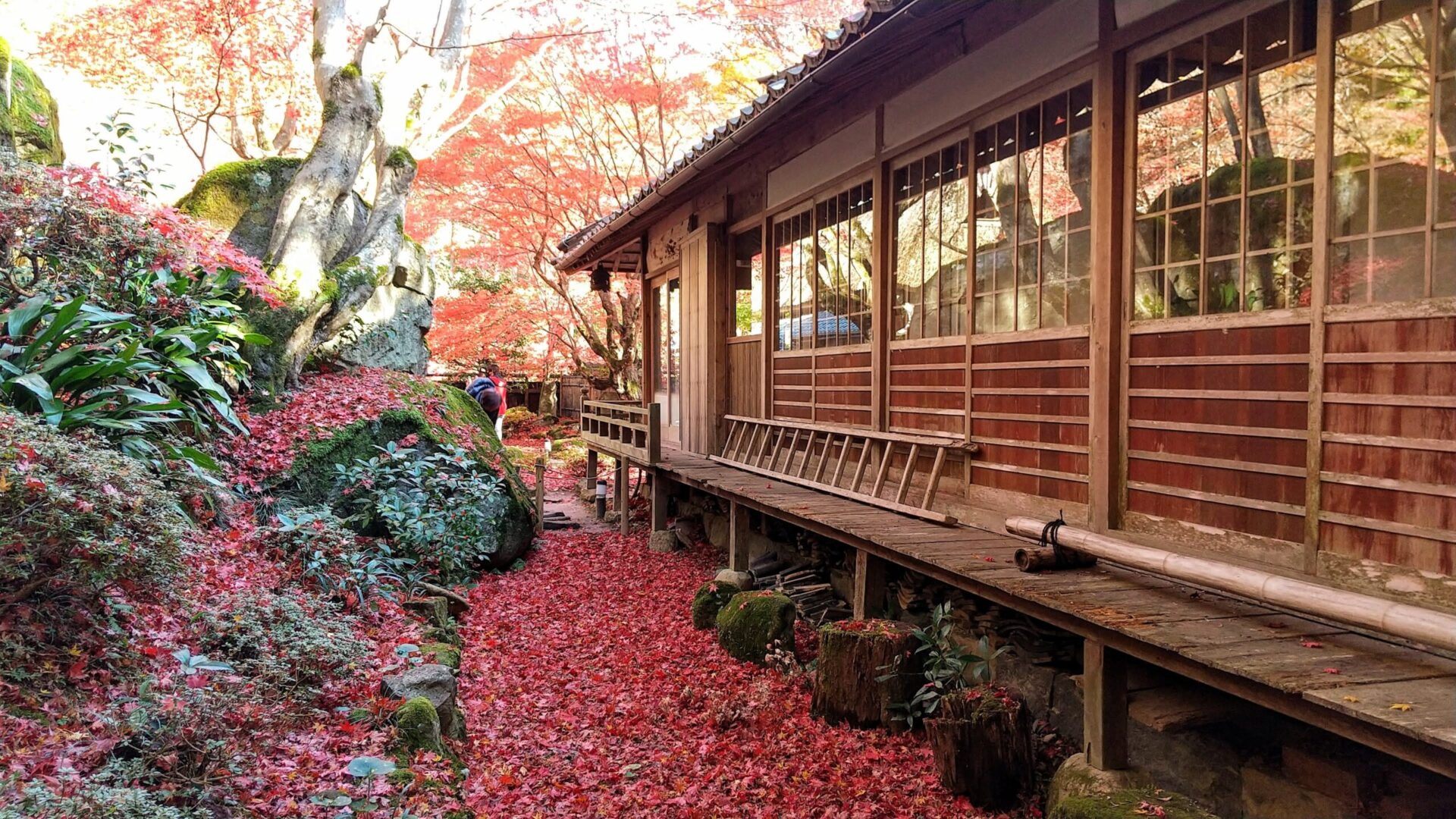
Its garden is said to have been designed by Kobori Enshu, a 17th century master landscaper. It is dotted with mossy rocks. In late fall, red maple leaves and green moss create a magnificent contrast.
Today, a large number of temples, mainly in sparsely populated areas, no longer have resident monks and are at risk of being abandoned. This temple was also threatened with closure for a long time. It was the current monk who restored it and gave it a second life. It really is a remote and peaceful place.
- From JR Kyoto Station, take the JR Biwako Line to Azuchi Station. Kyourinbo is a 10-minute taxi ride from the north exit of the station.
Higashi-Omi
A sedge hat on the head, a striped coat and a scale with the load on the shoulder… This was the typical style of the merchants of Omi (present-day Shiga Prefecture) who amassed great wealth by expanding their commercial activities throughout the country during the Edo period. The city of Higashi-Omi saw the birth of a large number of these merchants, from the end of the Edo period to the Meiji era. Their residences remain in an excellent state of conservation in the Gokasho district.
The Aga-jinja Shinto shrine
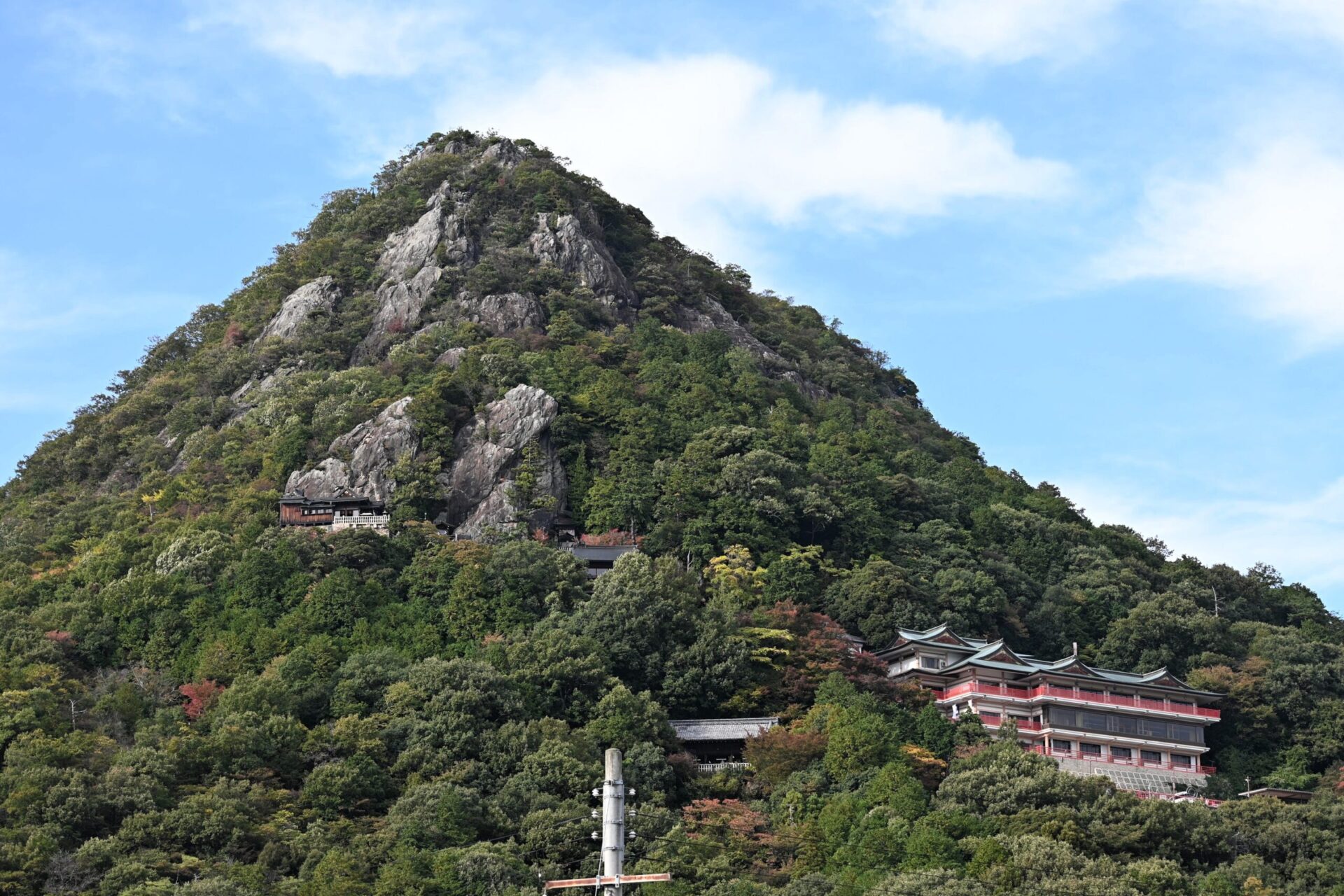
Perched on Mount Akagami which culminates at an altitude of 350 meters, this ancient sacred place is dedicated to kami of victory over oneself. He is better known as Tarobo-gu. According to legend, Tarobo is the name of tengu who protected the kami of the sanctuary by practicing asceticism on the mountain.
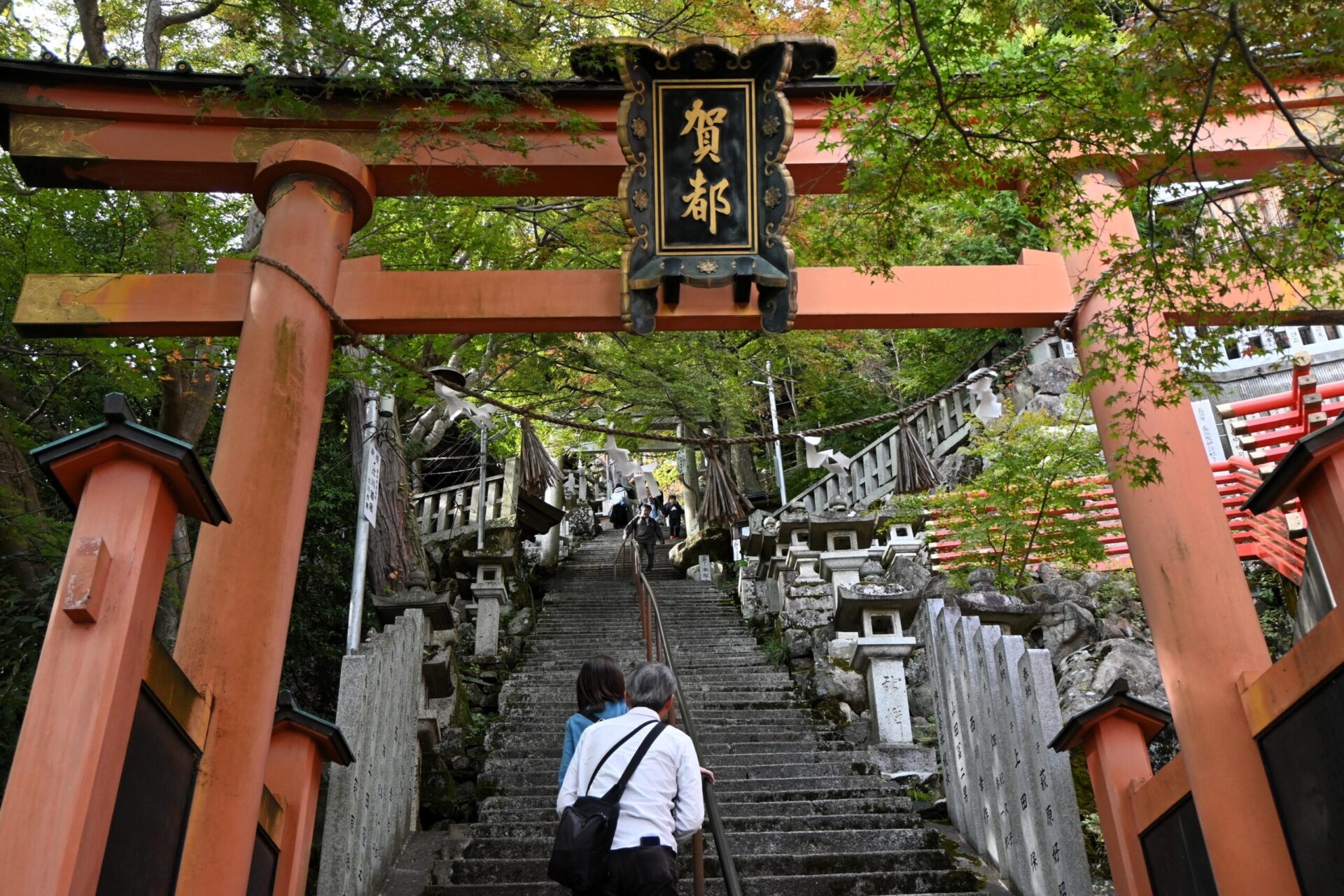
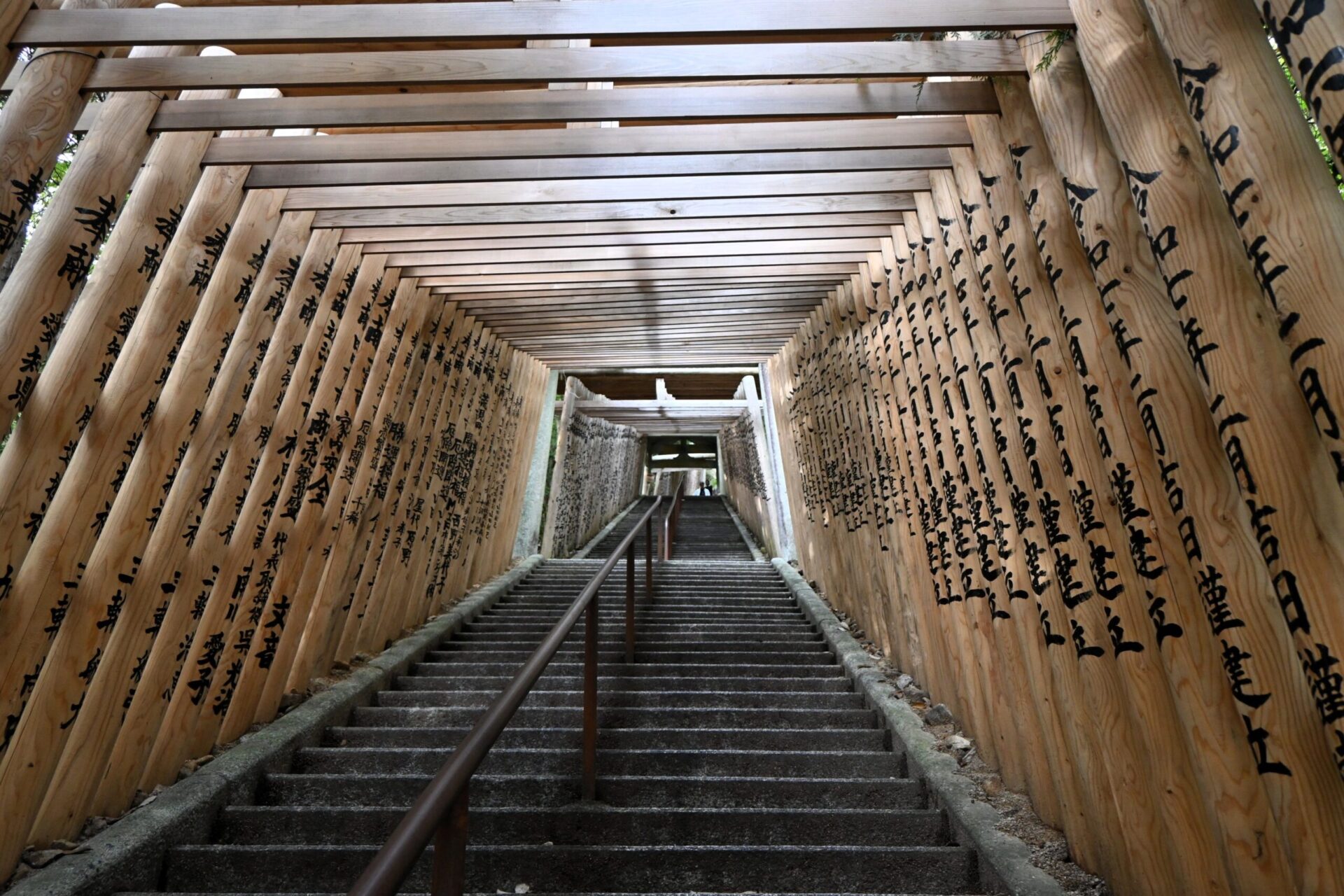
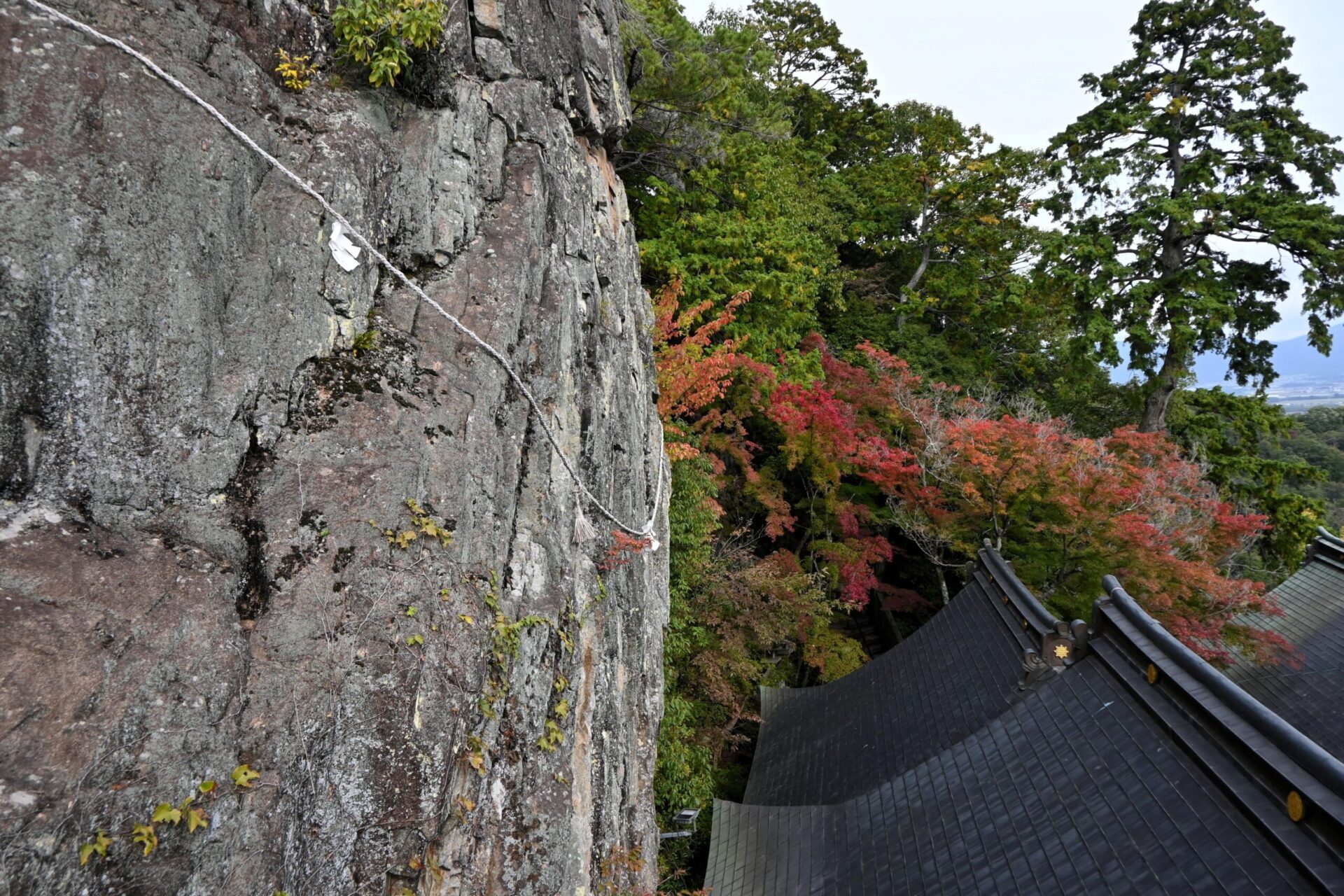
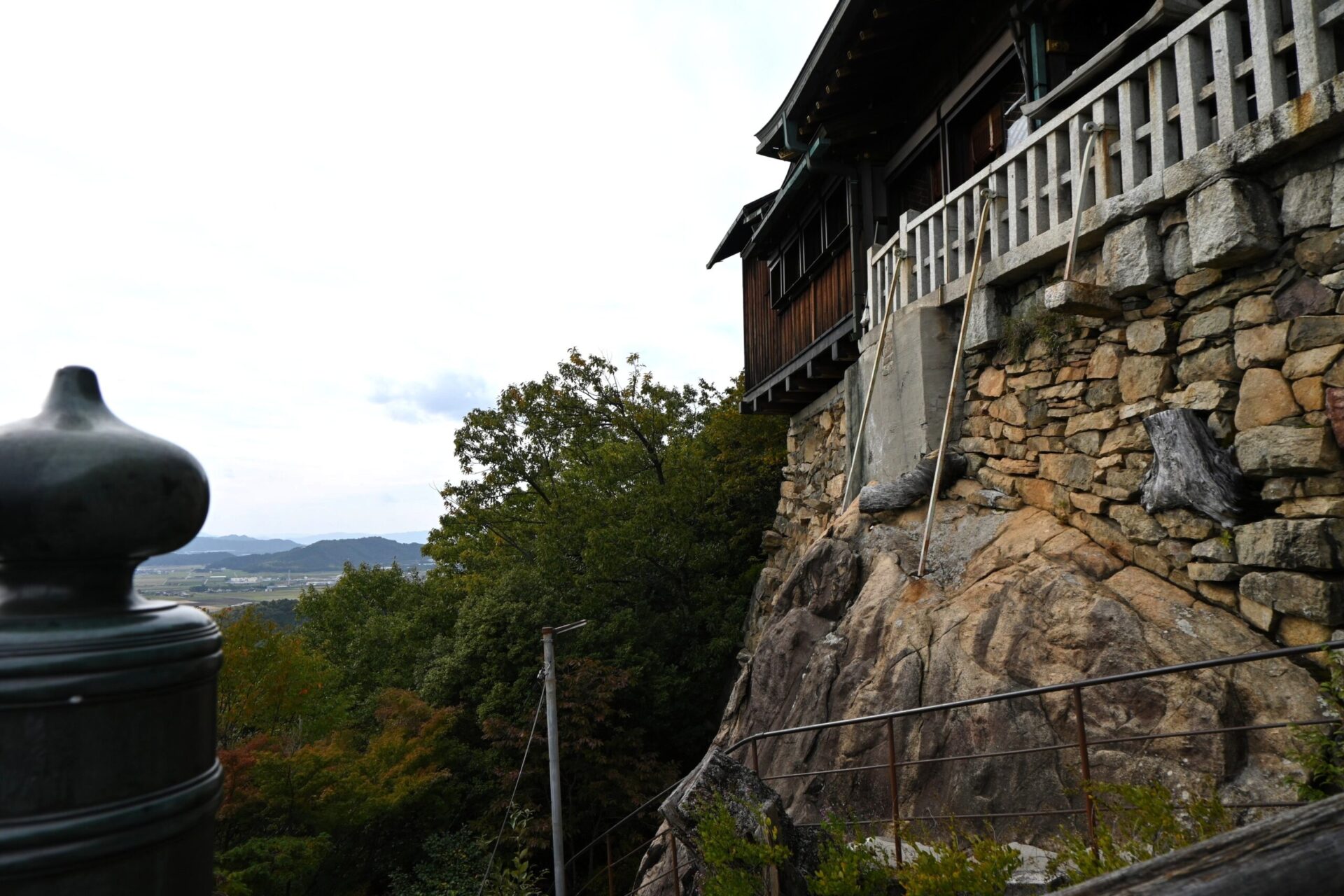
To get there, you’ll need to prepare your legs, as there are more than 740 steep stone steps leading up to the main shrine. But a magnificent avenue of torii in raw wood and a panoramic view from the platform suspended from the rock wall will reward your fatigue.
- From JR Kyoto Station, take the JR Biwako Line to Omi-Hachiman Station. There, change to the Omi-Tetsudo line and get off at Tarobo-gu mae station. Aga-jinja is then a 20-minute walk away.
The Gokasho district
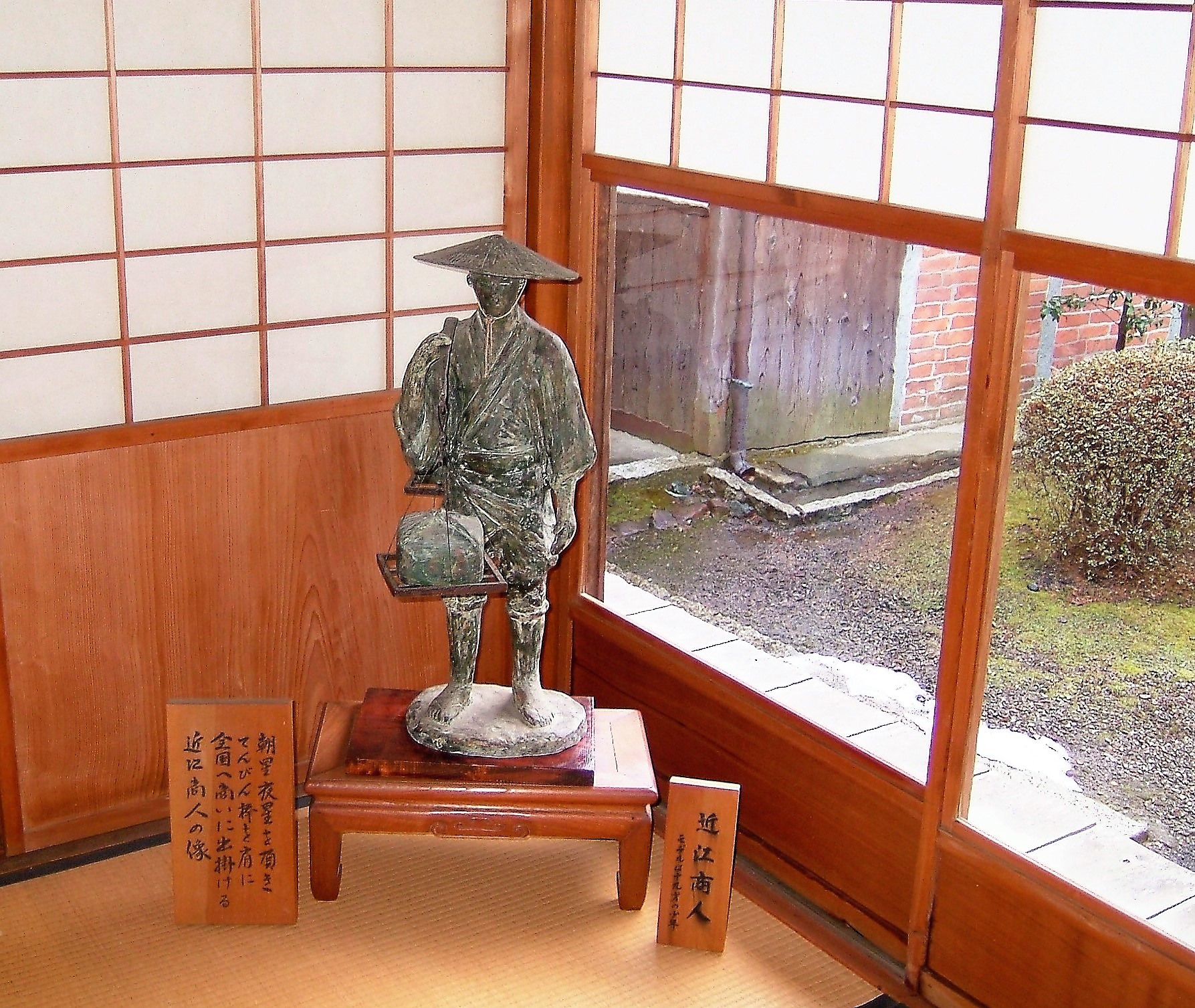
The ancient province of Omi, at the crossroads of Tokaido (connecting Kyōto to Edo) and Tosando (leading to the northeastern region of the country), was one of the main hubs of Japan. By traveling, Omi merchants gathered valuable information, such as demand and price differences in each region, which allowed them to develop a national trade. Some of today’s major Japanese companies descend from this line of Omi merchants.
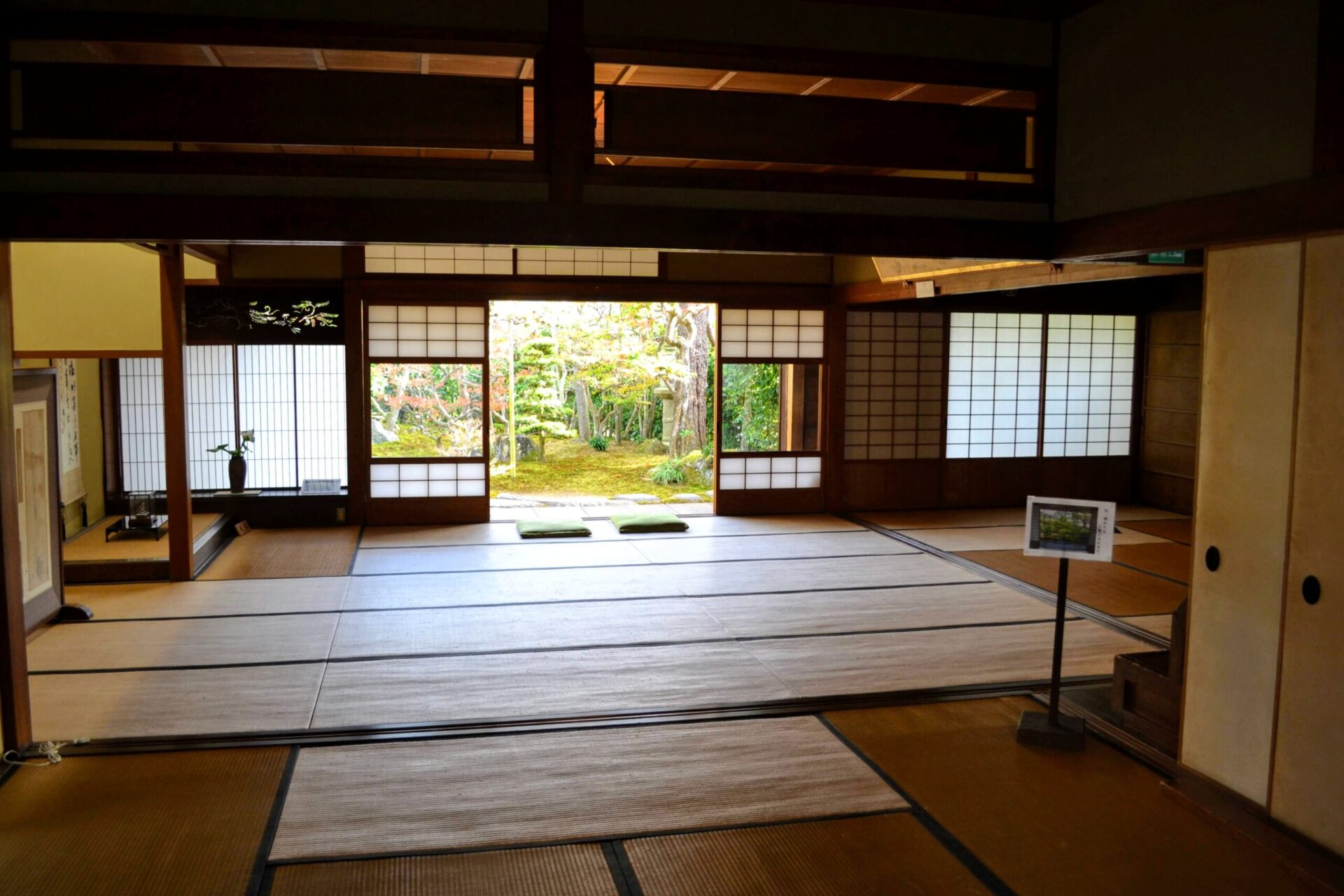
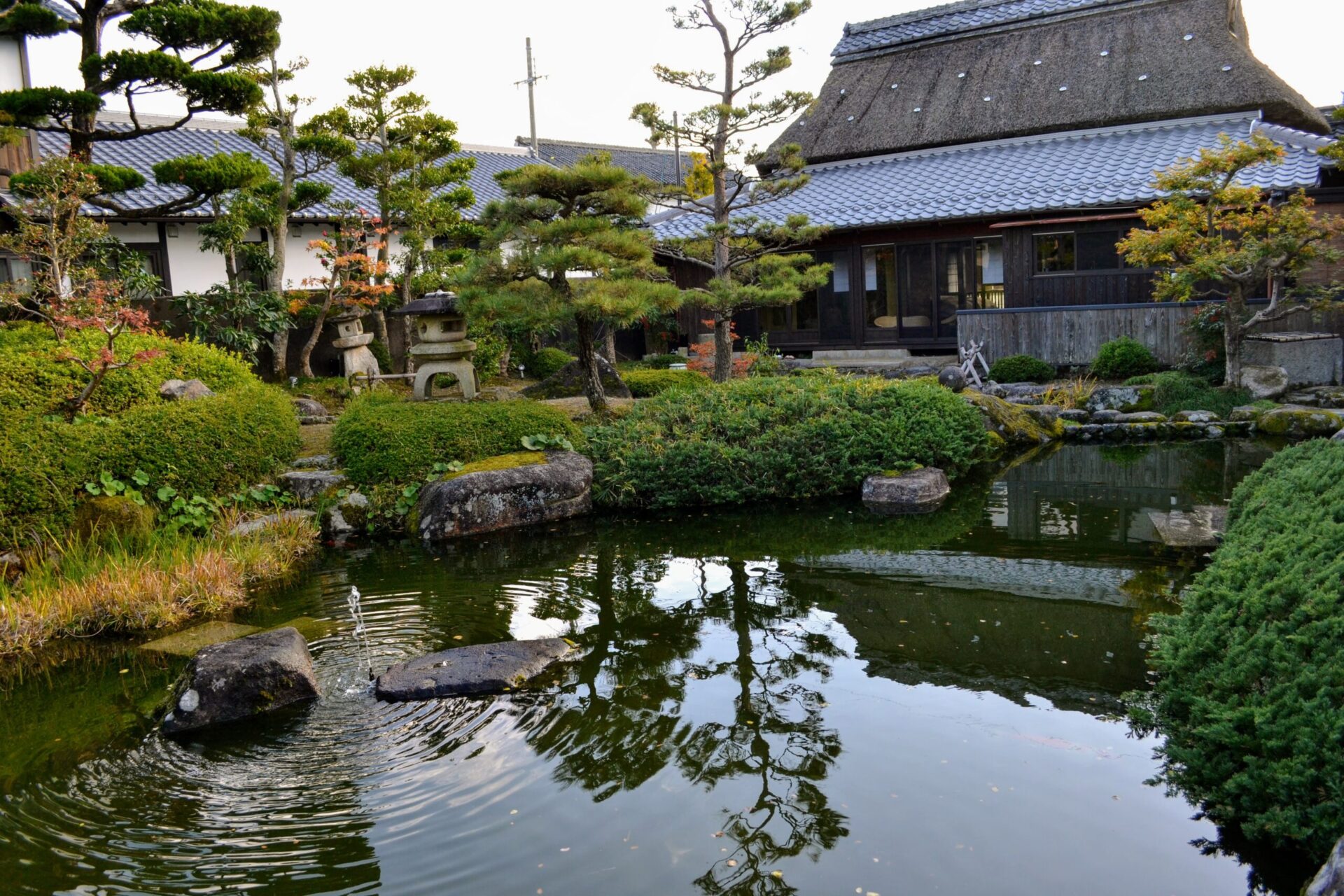
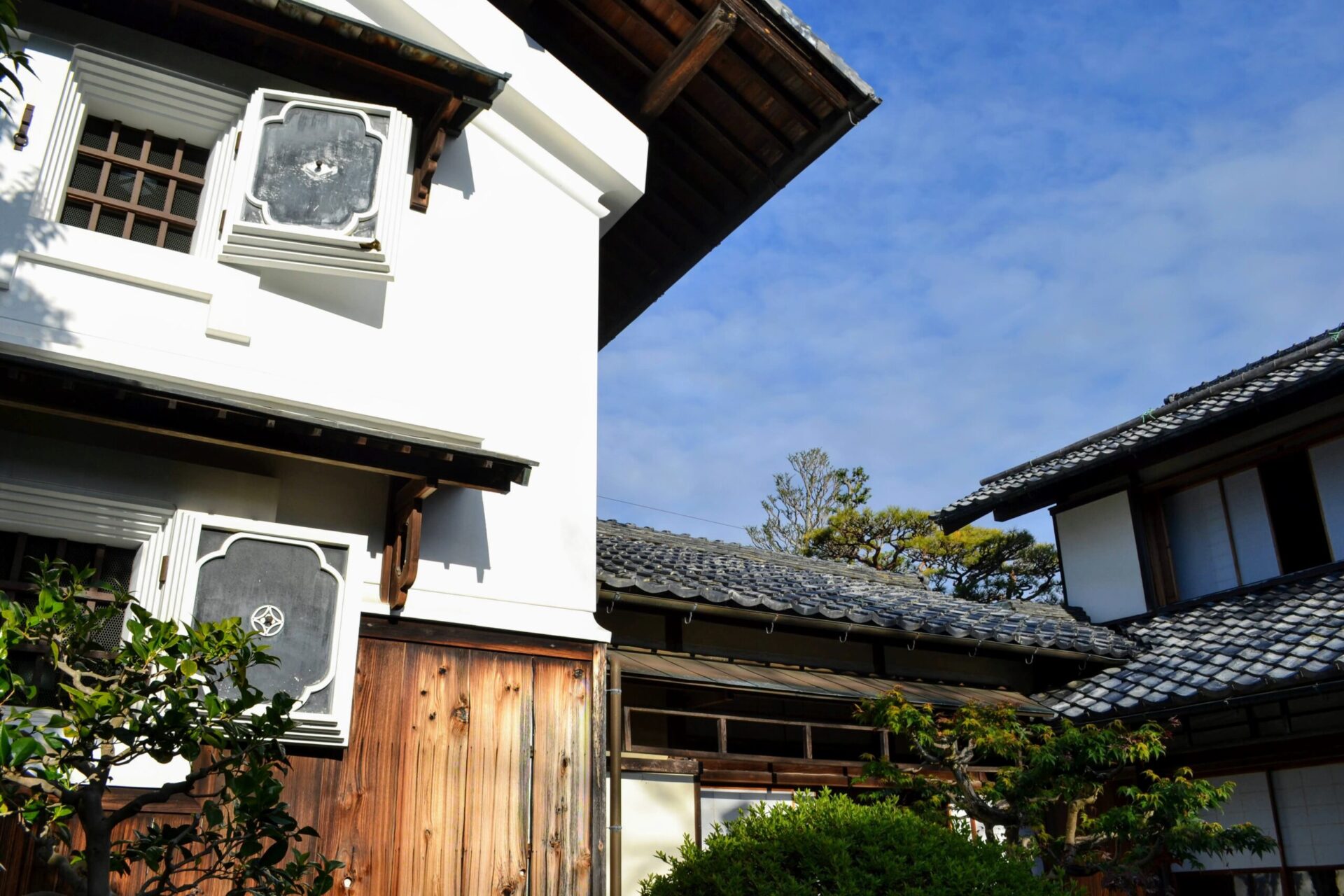
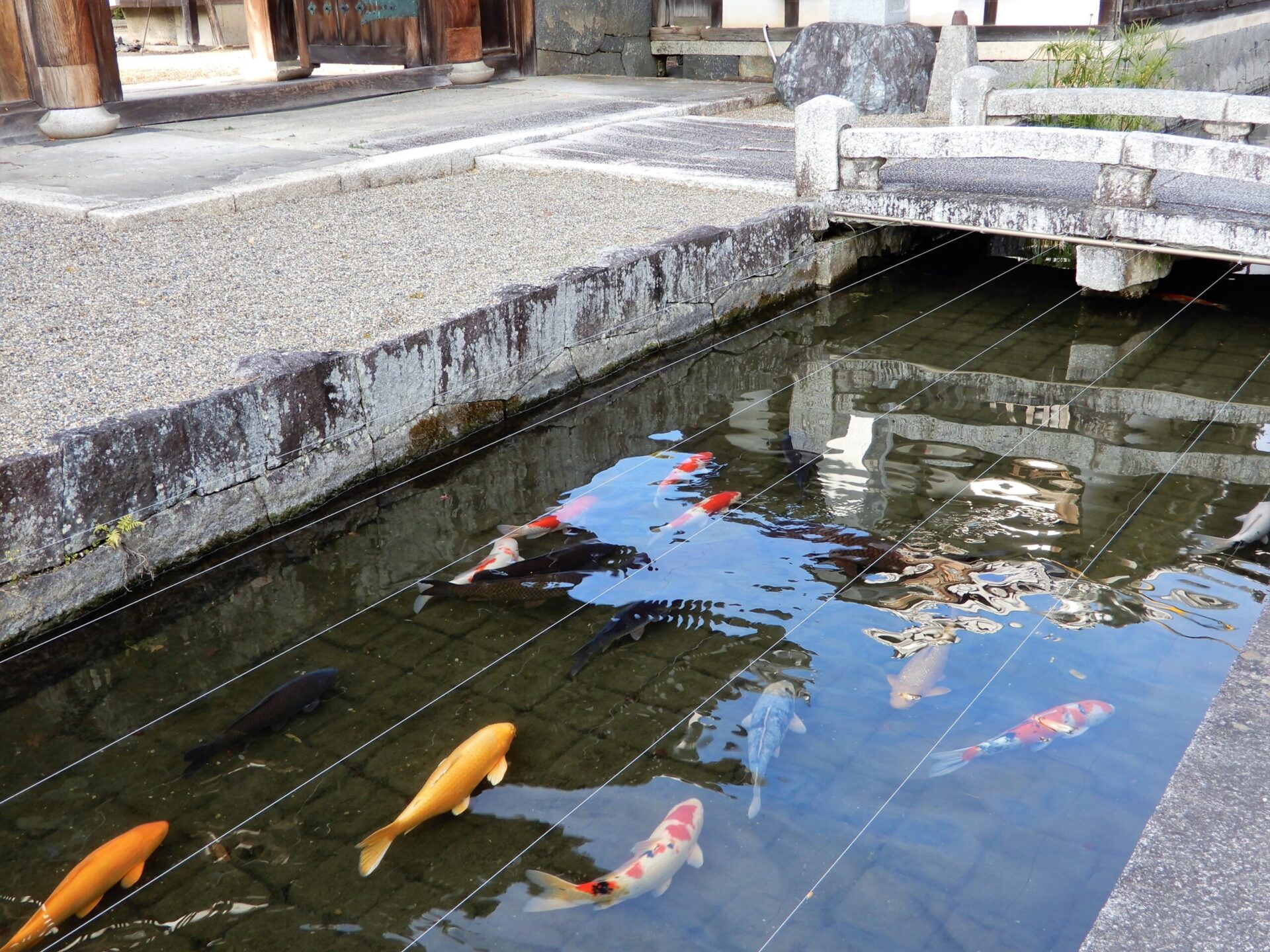
The Gokasho district is an ideal place for a historical stroll. You can visit the former residences of Omi merchants, who made their fortune by developing their trade, mainly involving the sale of kimonos and cotton and silk products. The water from the canal which runs alongside these old houses was also used for the daily needs of the inhabitants. Today you can see the carp there koi swim peacefully.
- From JR Kyoto Station, take the JR Biwako Line to Notogawa Station. The historic heart of the Gokasho district is a 15-minute taxi ride away.
Hikone
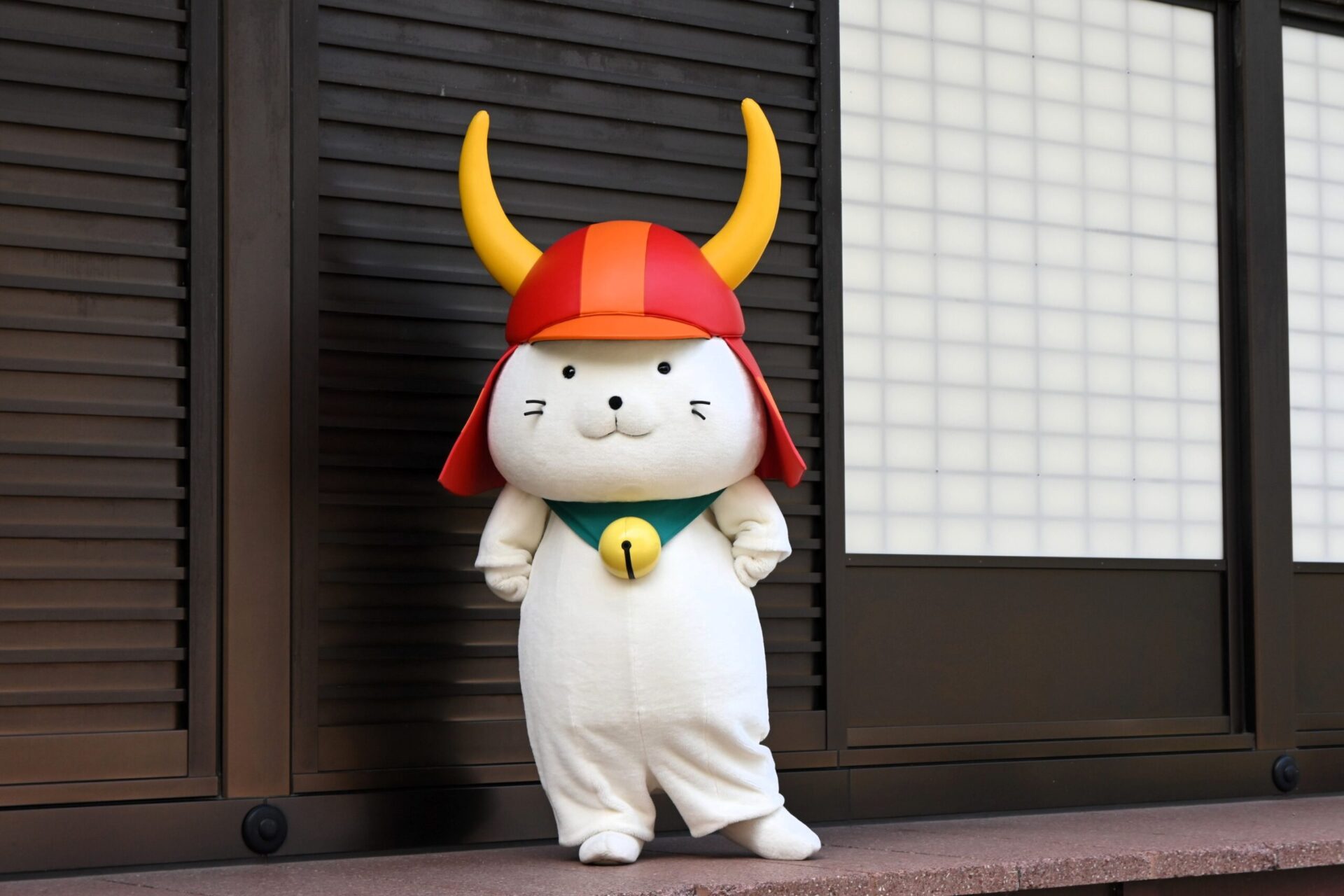
The town of Hikone, which grew up around its castle, is still imbued with a deep historical and cultural atmosphere. Hikone Castle, classified as a National Treasure, is the symbol of the city;it has preserved its dungeon and its magnificent Japanese garden in their original state. The city is also famous for its cat-shaped mascot, Hikonyan. Do you know why it’s a cat? Finally, the town is an ideal starting point for those who wish to enjoy a cruise to the islands of Lake Biwa.
Hikone Castle
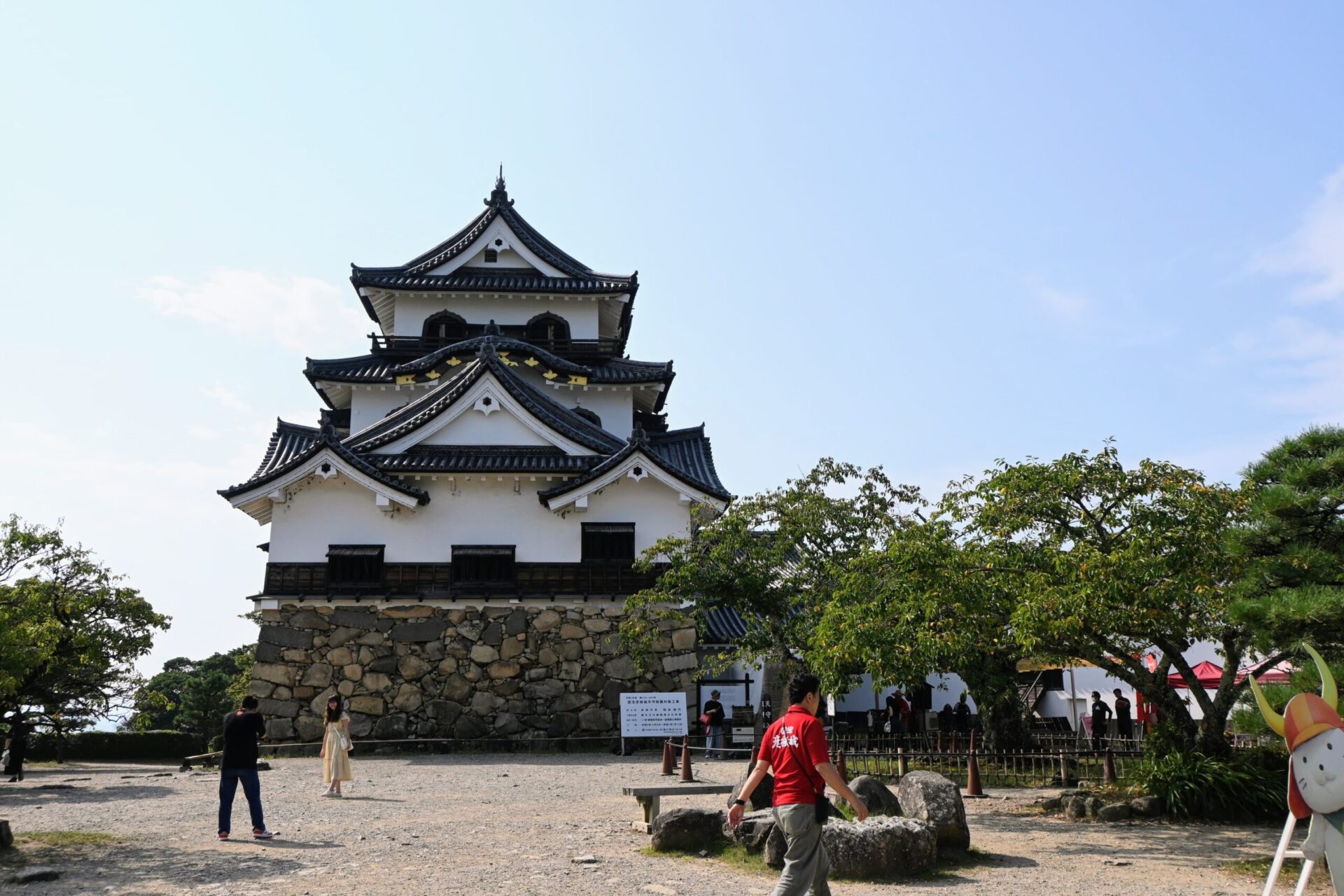
Hikone Castle was built on the order of the Tokugawa shogunate by the feudal lord Ii, from the residence of Hikone in the province of Omi, around 1622, after twenty years of work. Its keep, watchtowers and ramparts, preserved in their original state, bear witness to the architecture of the Japanese feudal era. The beauty of its keep is one of the main attractions of this building.
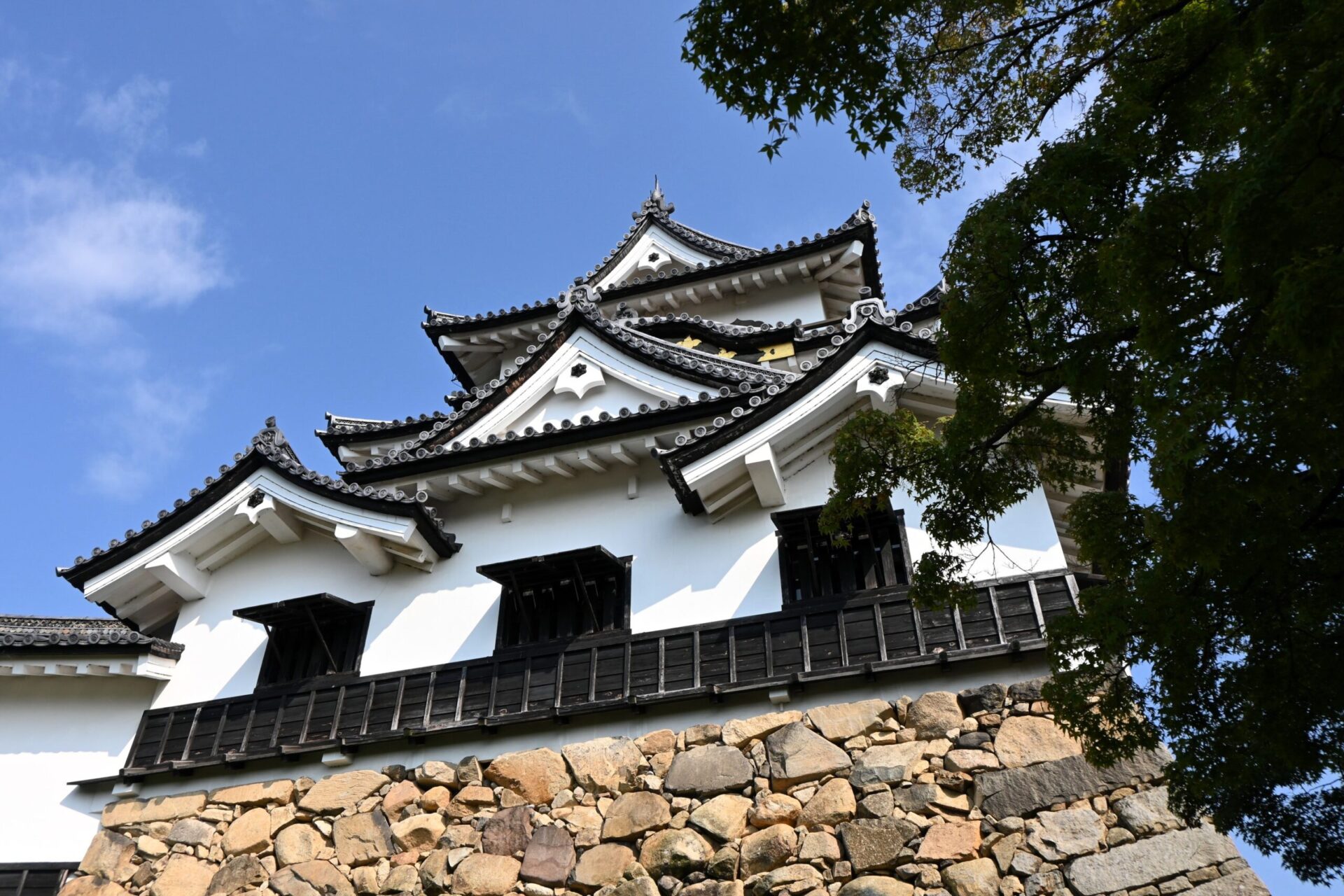
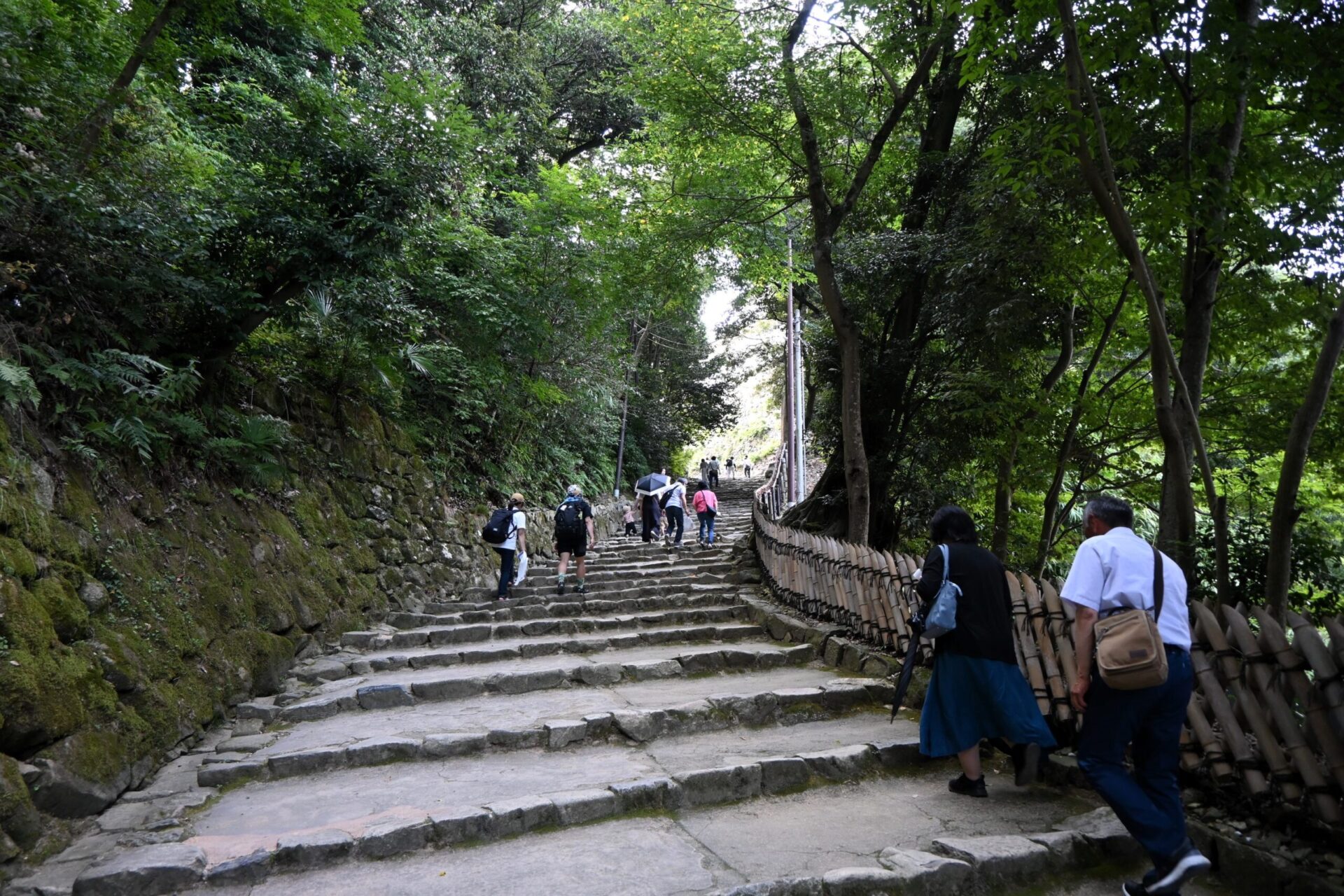
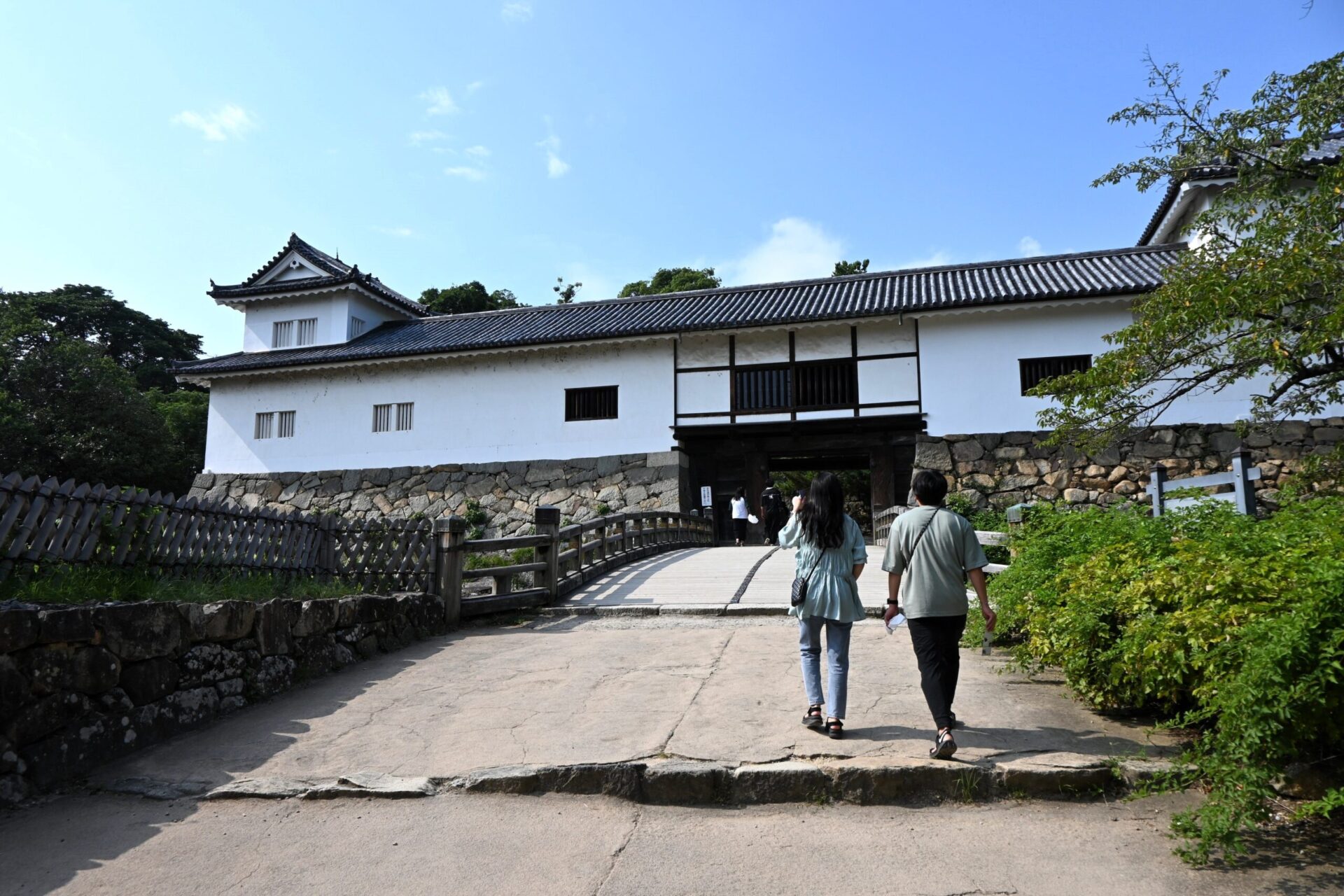
After visiting the dungeon, do not hesitate to stroll through the Genkyu-en garden. This vast garden, laid out around a pond, was crisscrossed by winding paths inviting you to stroll and contemplate in its four tea pavilions. It thus constituted a privileged place of sociability for the feudal lords of the time. Even today, this garden, with the dungeon in the background, will immerse you in the atmosphere of yesteryear. It is possible to visit only the garden. Even for those who wish to avoid the climb to the castle via the fairly steep path in midsummer, this garden remains highly recommended.
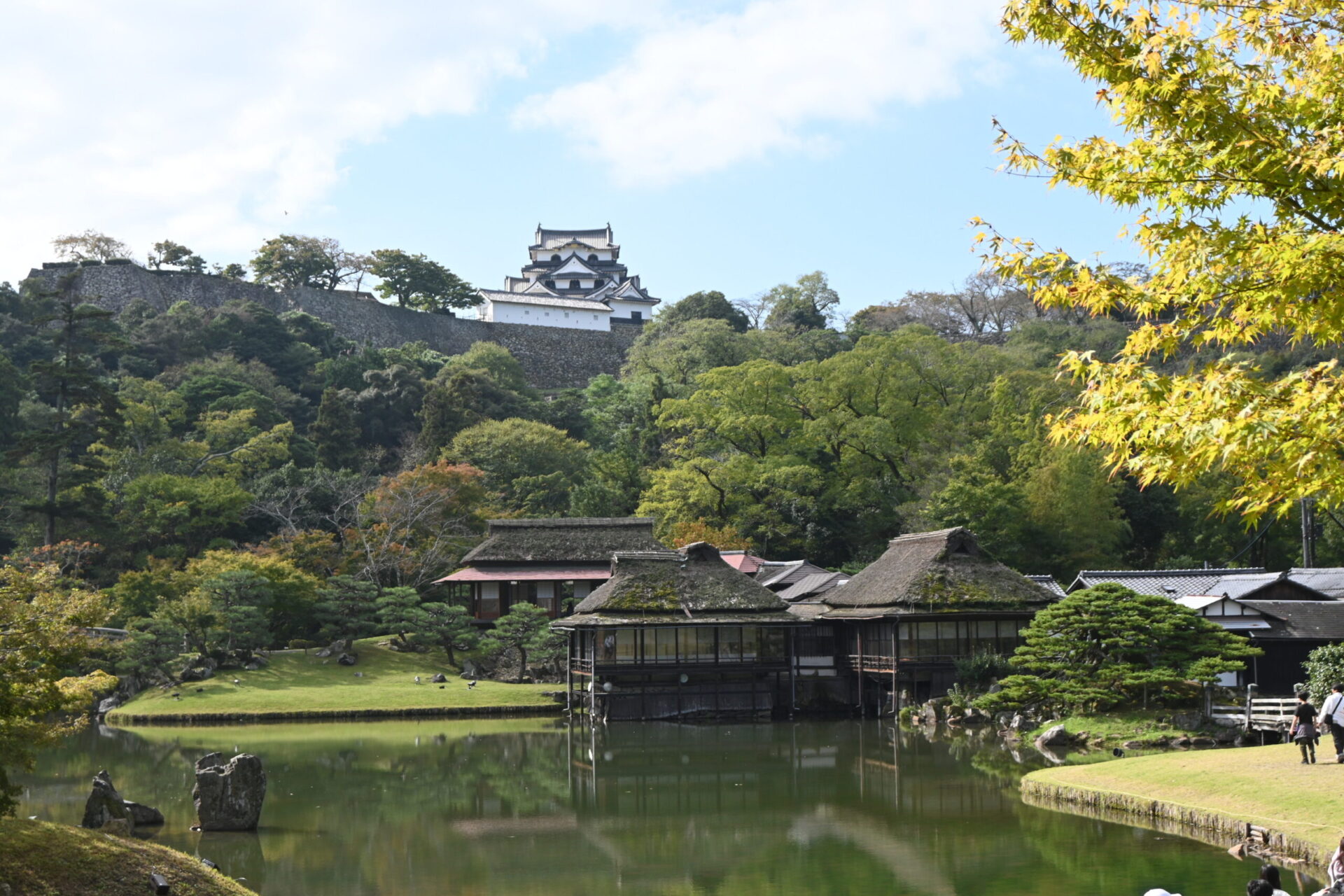
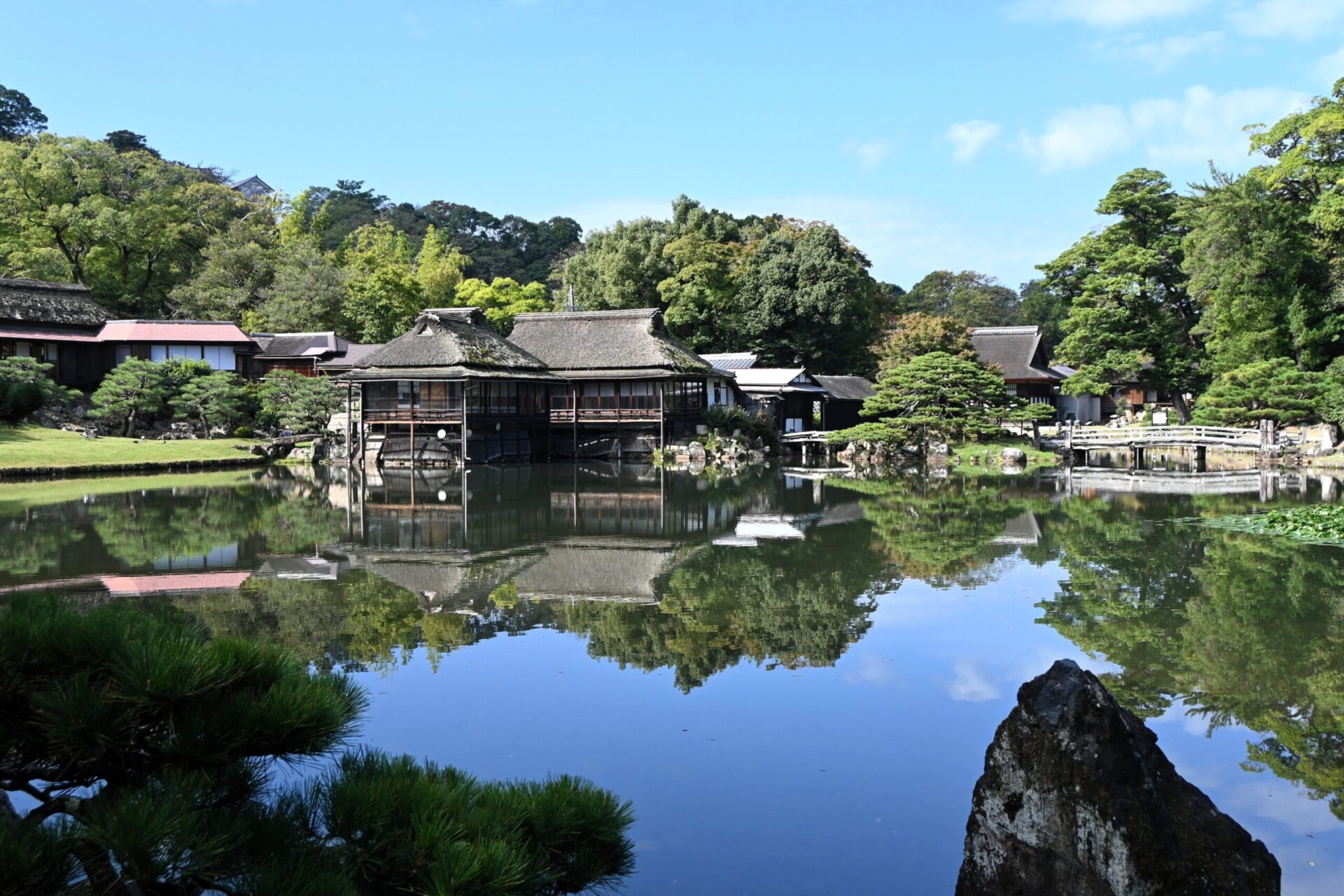
- Hikone Castle is a 15-minute walk from JR Hikone Station.
- The entrance ticket to the castle costs 1,000 yen and also includes access to Genkyu-en Garden.
- It is possible to visit Genkyuen Garden alone for 400 yen.
HIKONE BREWING
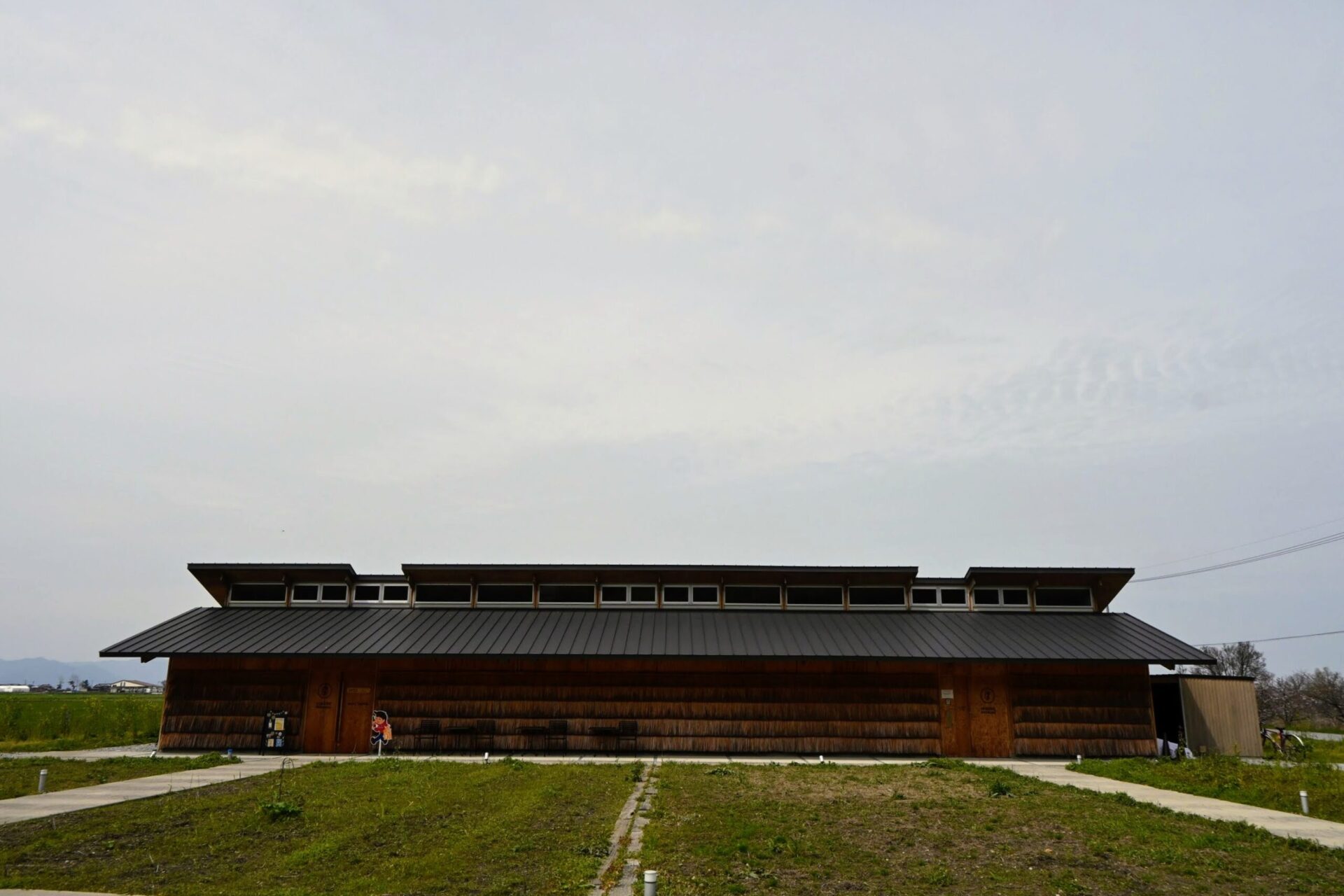
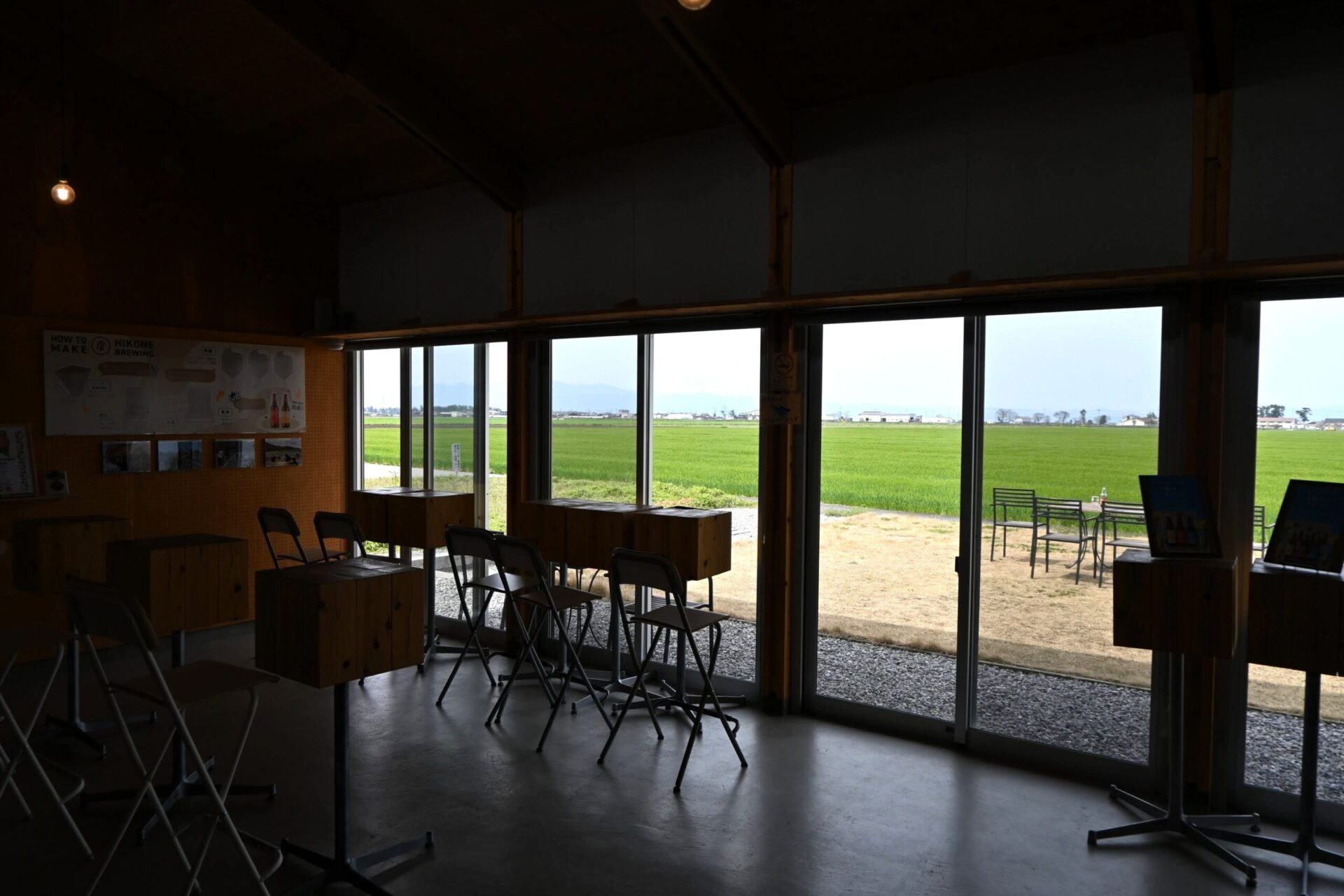
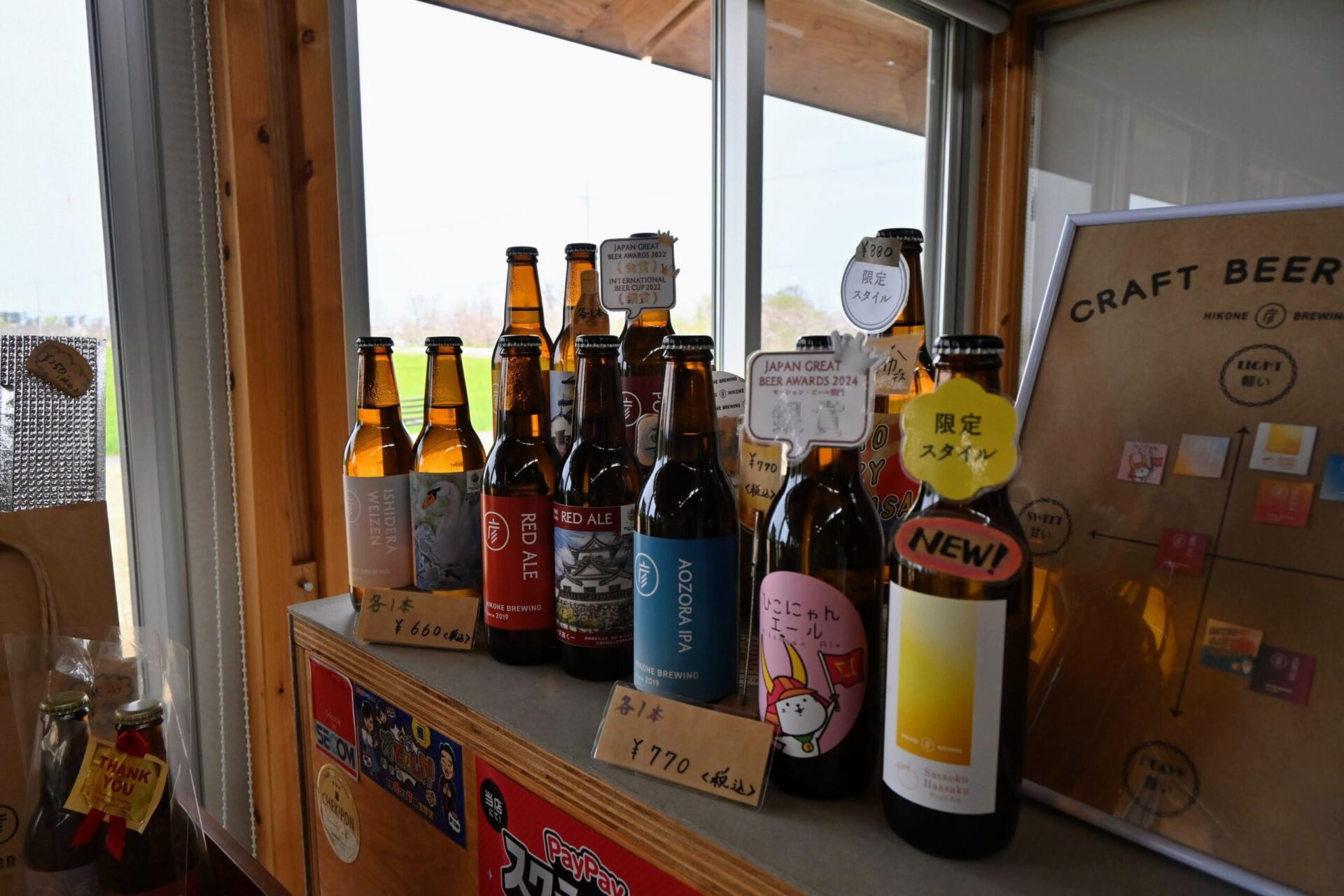
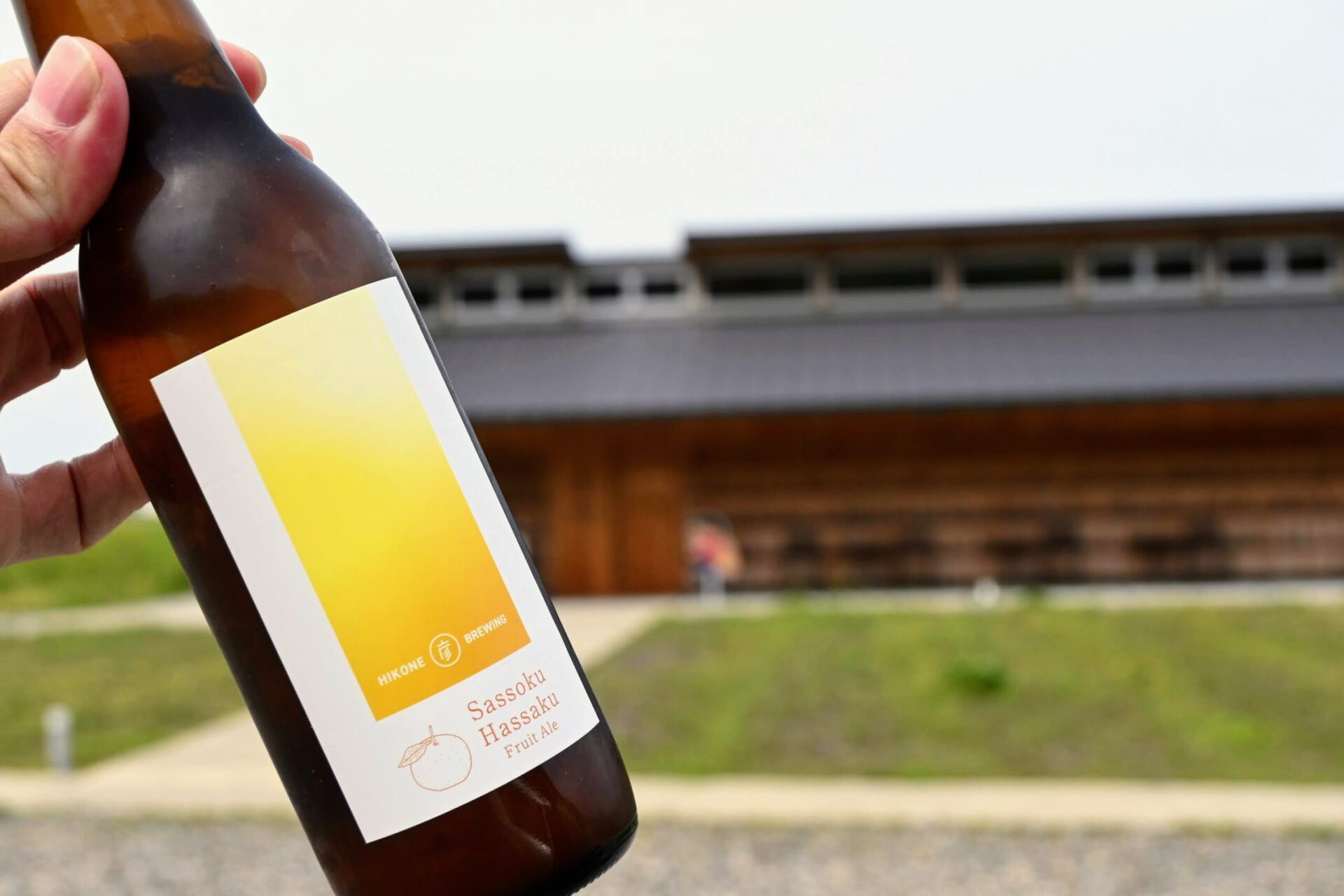
Nestled in the heart of a rural landscape, this wooden building houses a craft brewery which opened its doors in 2021. The result of a collaboration between residents, the university and local businesses, this sustainable brewery is in perfect harmony with nature. You can enjoy a beer both inside and outside while enjoying the landscape. However, being far from the city center, you will need to arrange a driver…
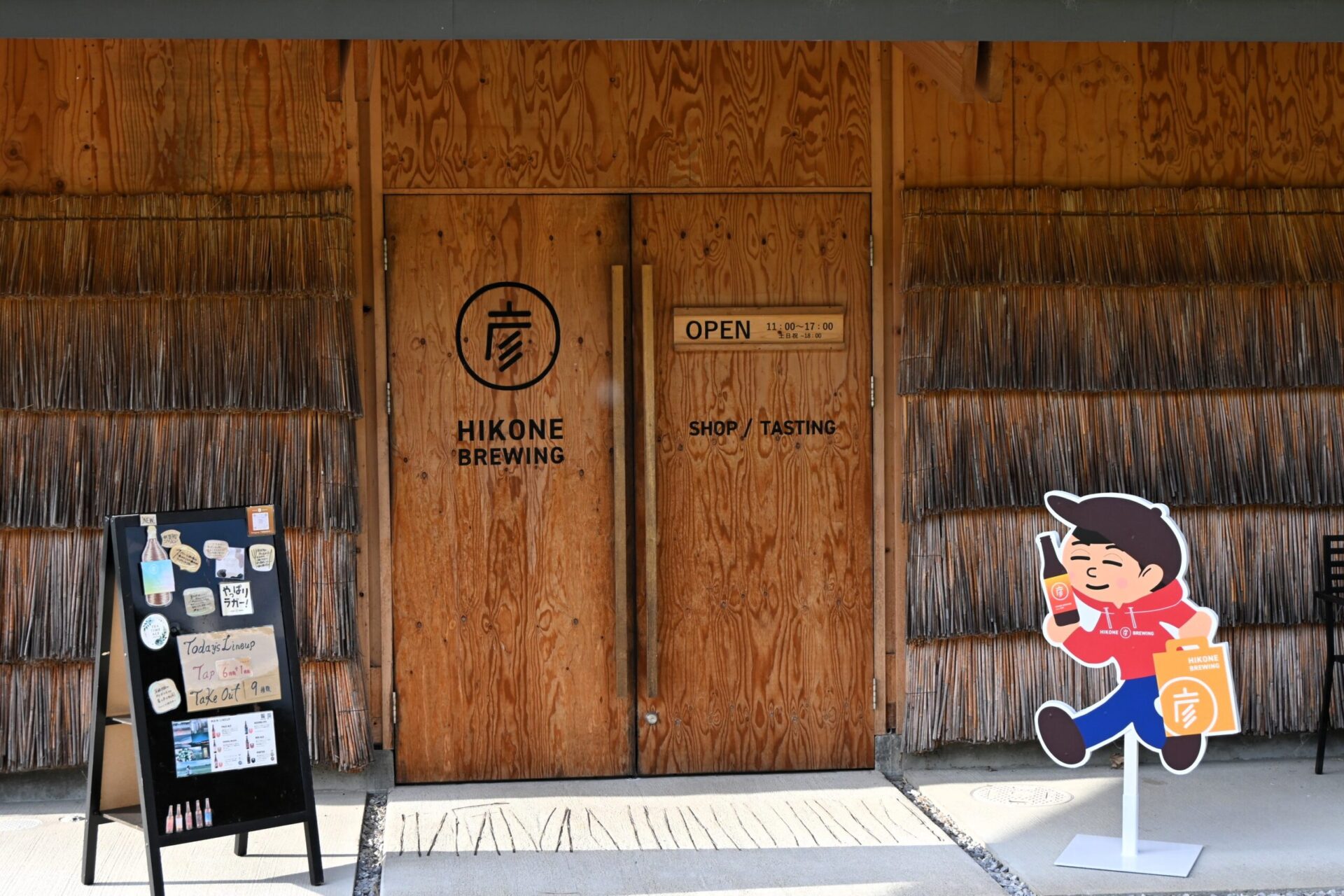
- The HIKONE BREWING brewery is closed on Tuesdays and Wednesdays.