

Sakamoto
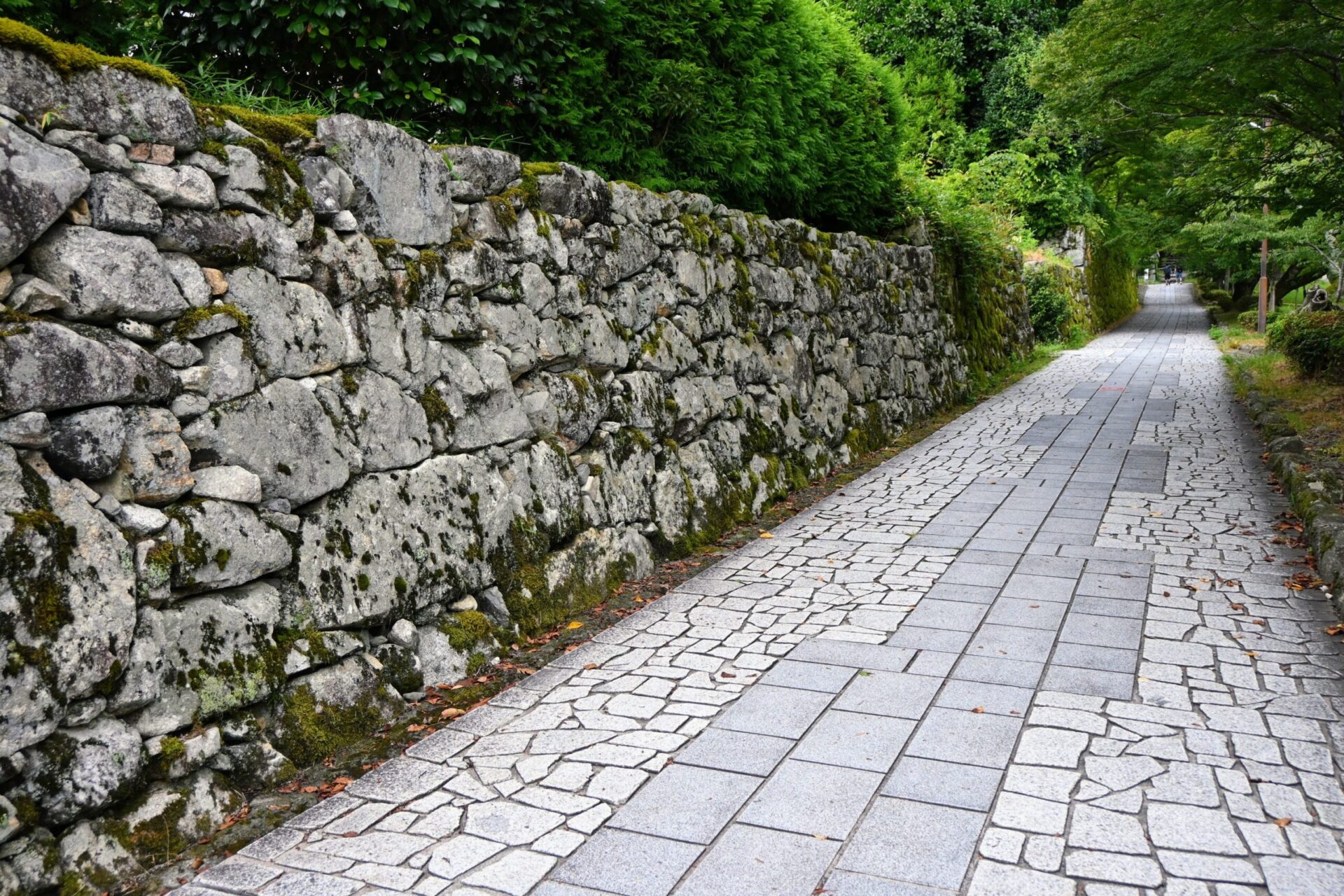
Located only about fifteen minutes from JR Kyoto Station via the JR Kosei Line, the Sakamoto district is classified as a historic architectural conservation area. It developed thanks to its close ties with Enryaku-ji Temple on Mount Hiei. On each side of the approach road to Hiyoshi Taisha Shrine, there are around fifty temples called satobo, built for retired monks who have completed their ascetic practices. The surrounding walls of these satobo, made by a stack of natural stones, retain a soothing beauty. Sakamoto is also the birthplace of the Ano-shu masons, famous specialists in the construction of stone walls for castles and temples.
Hiyoshi Taisha Shinto Shrine
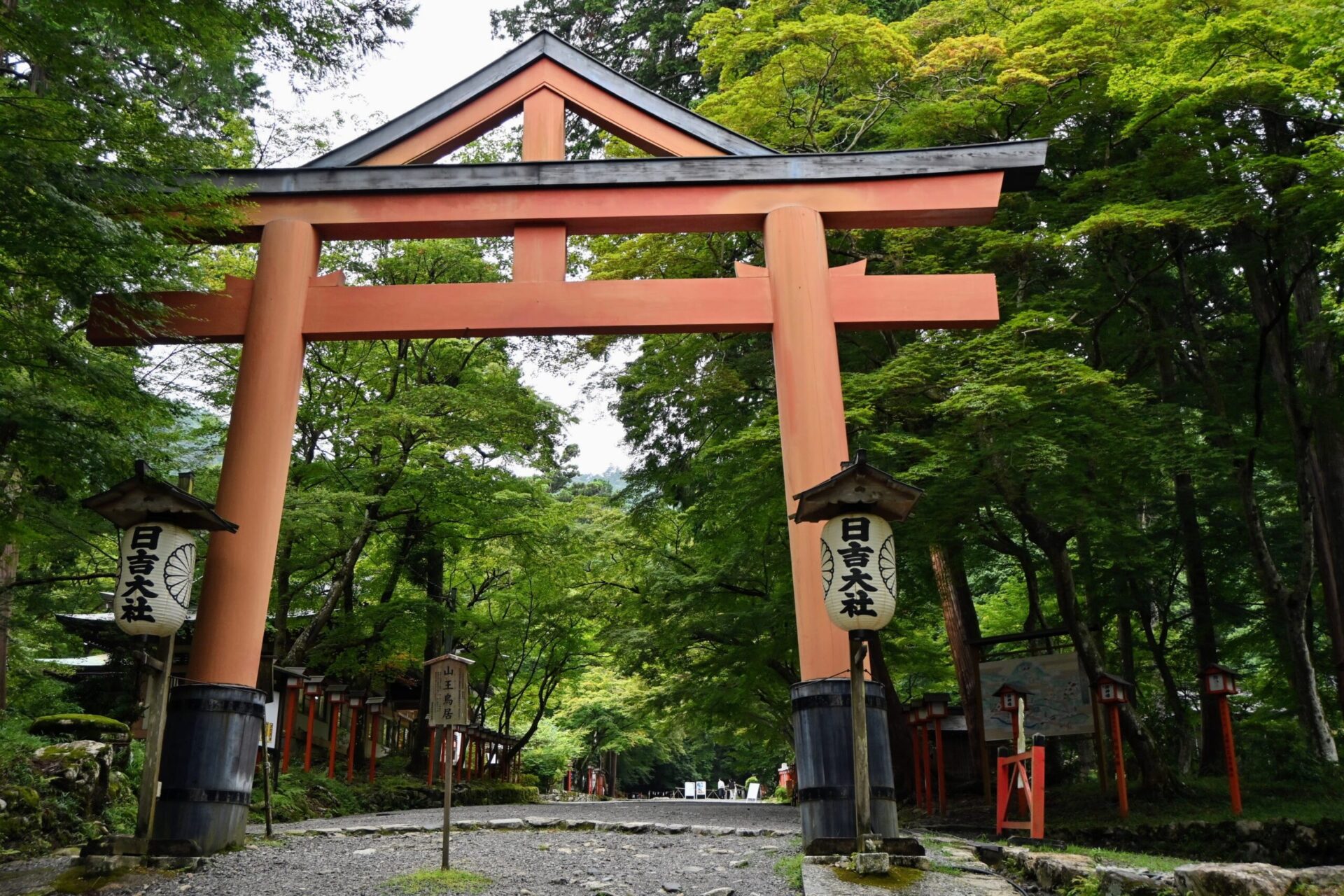
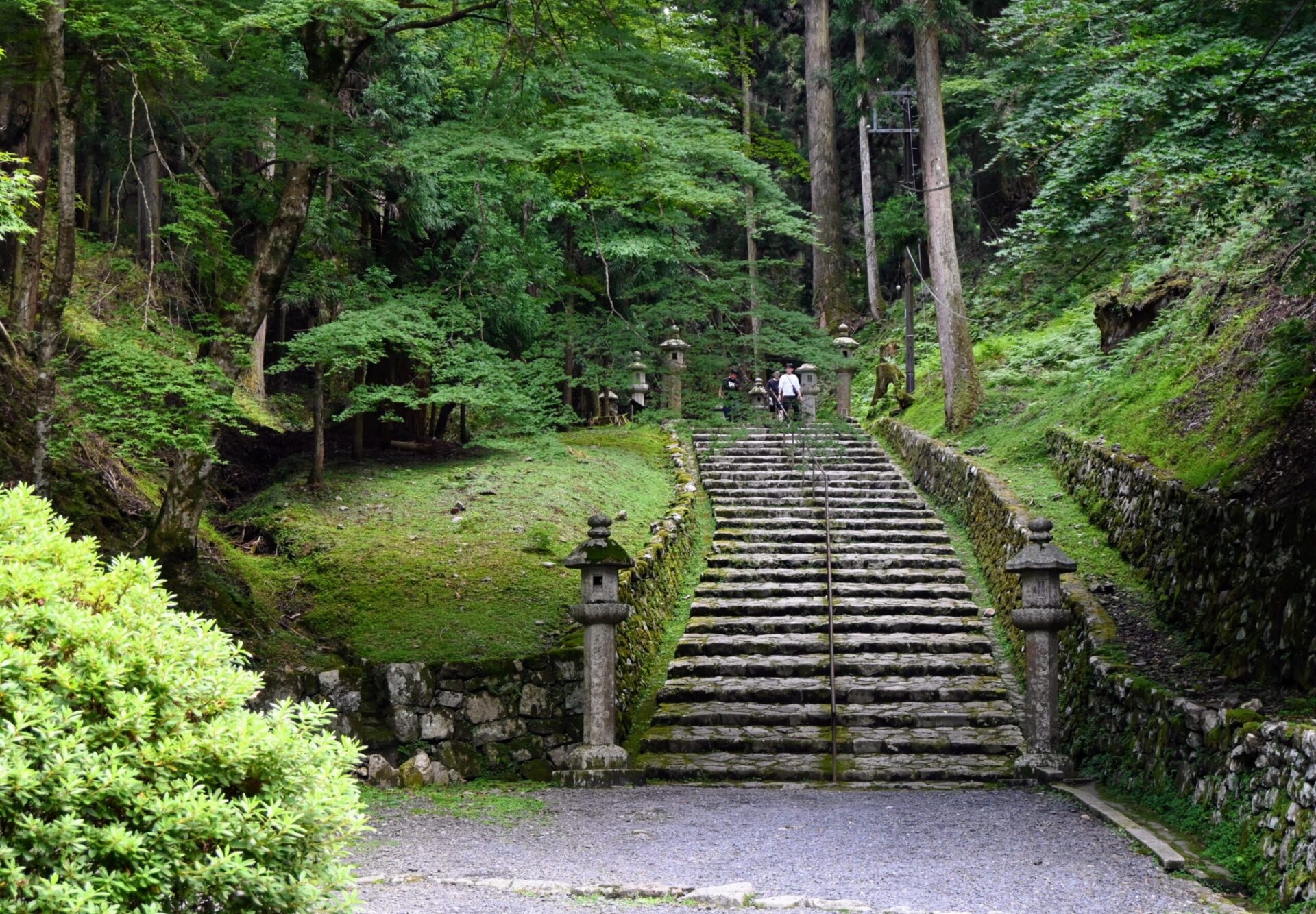
With a very long history, Hiyoshi Taisha Shrine was originally founded to venerate the protective deities of Mount Hiei. Upon entering its immense enclosure, we see a portico torii topped with a triangle: a unique shape symbolizing the sacred Mount Hiei and the Enryaku-ji temple. Although this torii embodies the harmony of Shinto-Buddhist syncretism, it also bears witness to a complex history marked by religious conflicts. It is also remarkable that a group of 16th century buildings are well preserved.
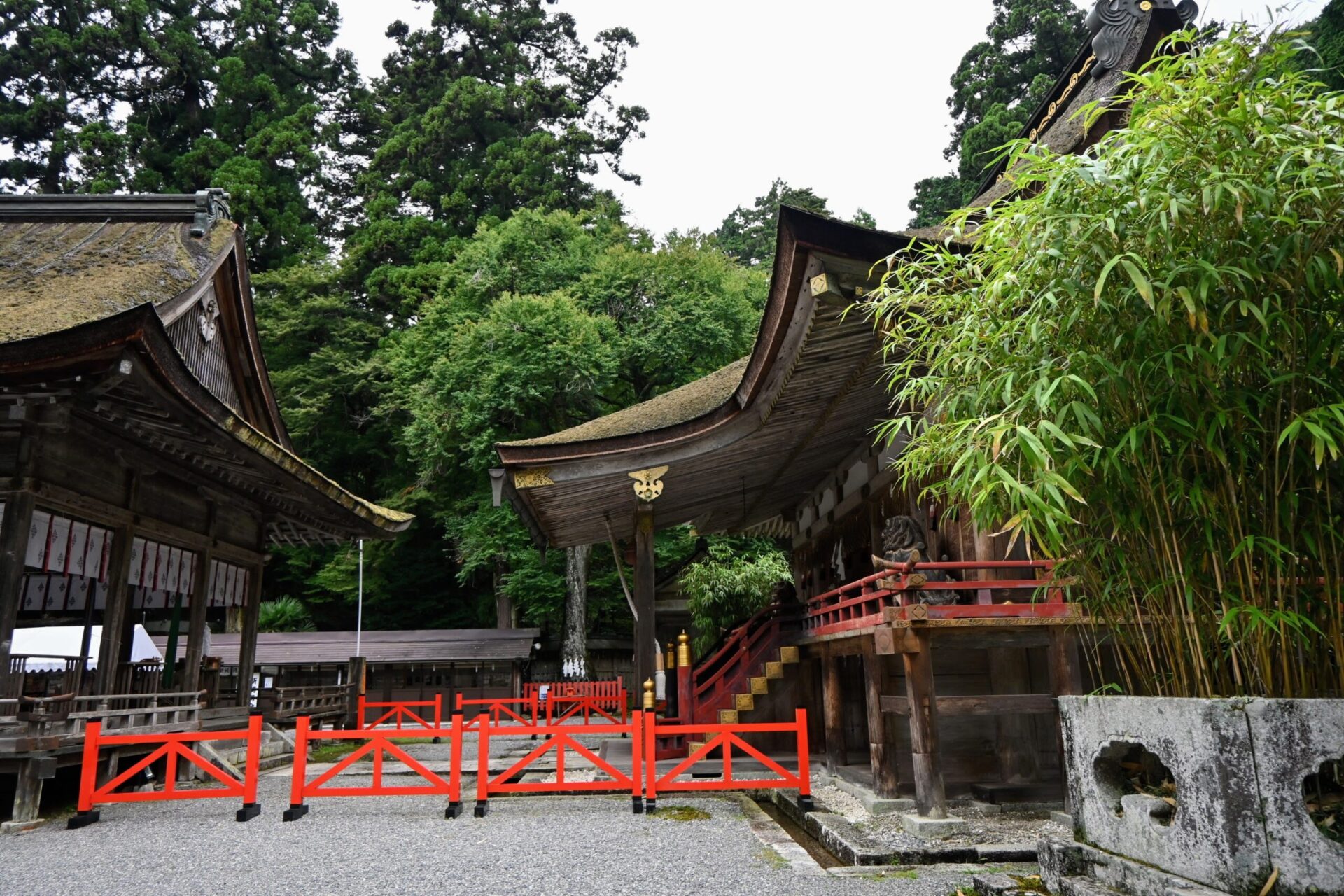
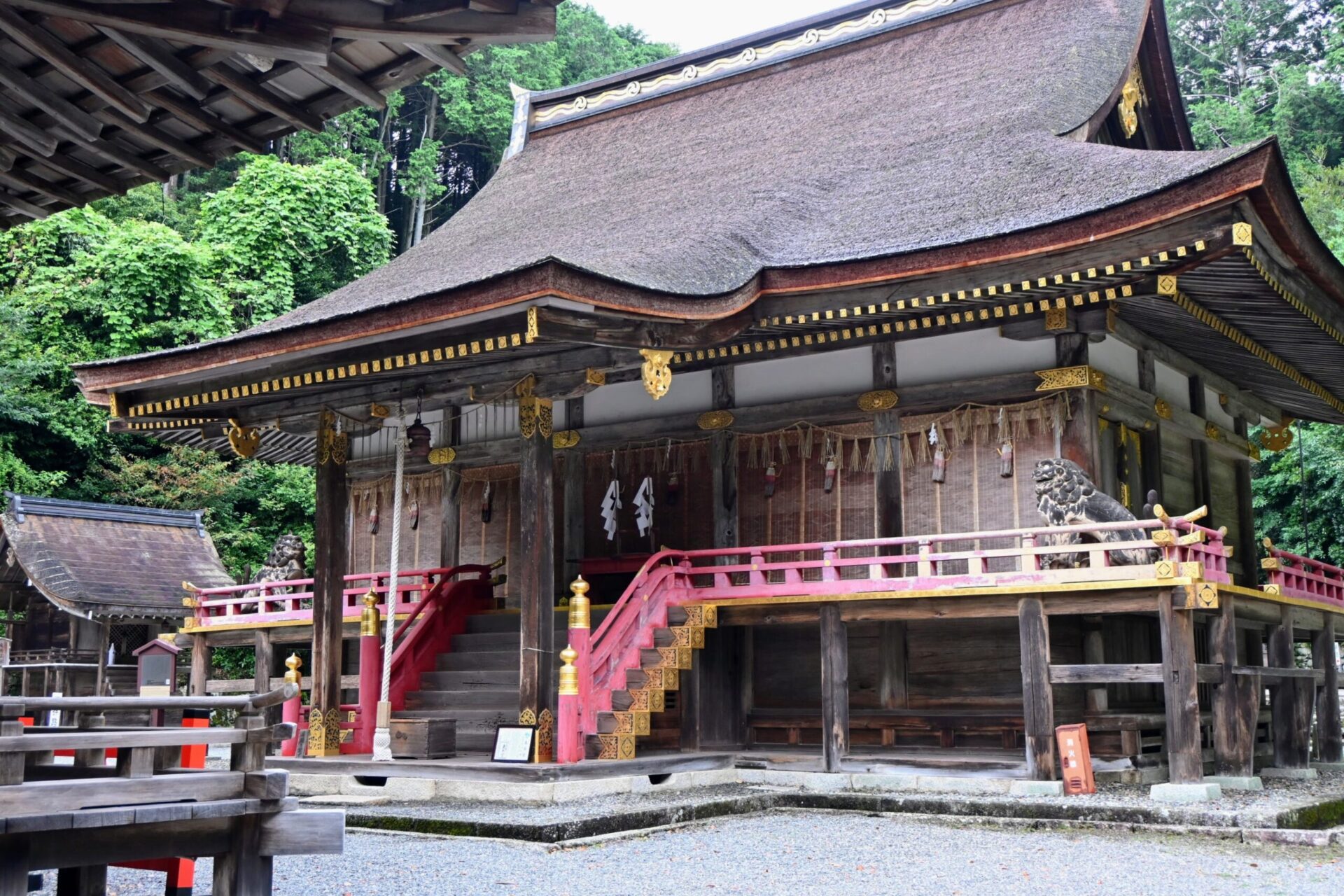
- The entrance ticket to Hiyoshi Taisha Shinto Shrine costs 500 yen.
The garden of the ancient Chikurin-in temple
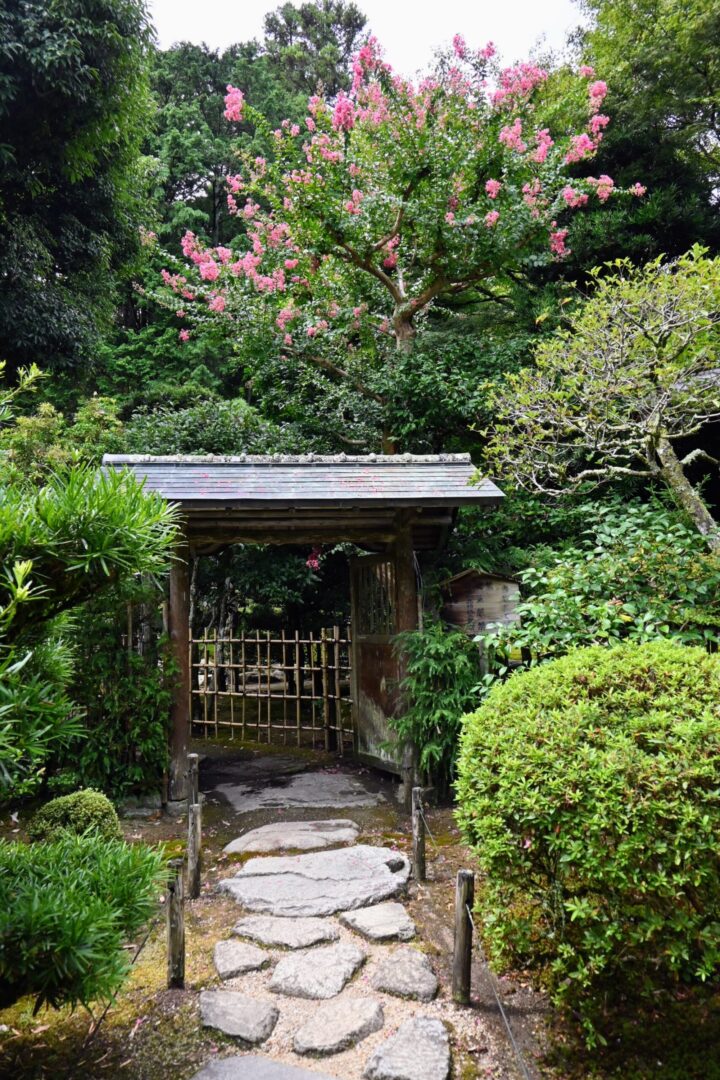
The Chikurin-in, which was one of the satobo (former residences of retired monks of Enryaku-ji Temple), has a beautiful strolling garden that makes use of the natural terrain. Inside the building, you can also admire the reflection of the landscape taking shape on the coffee tables.
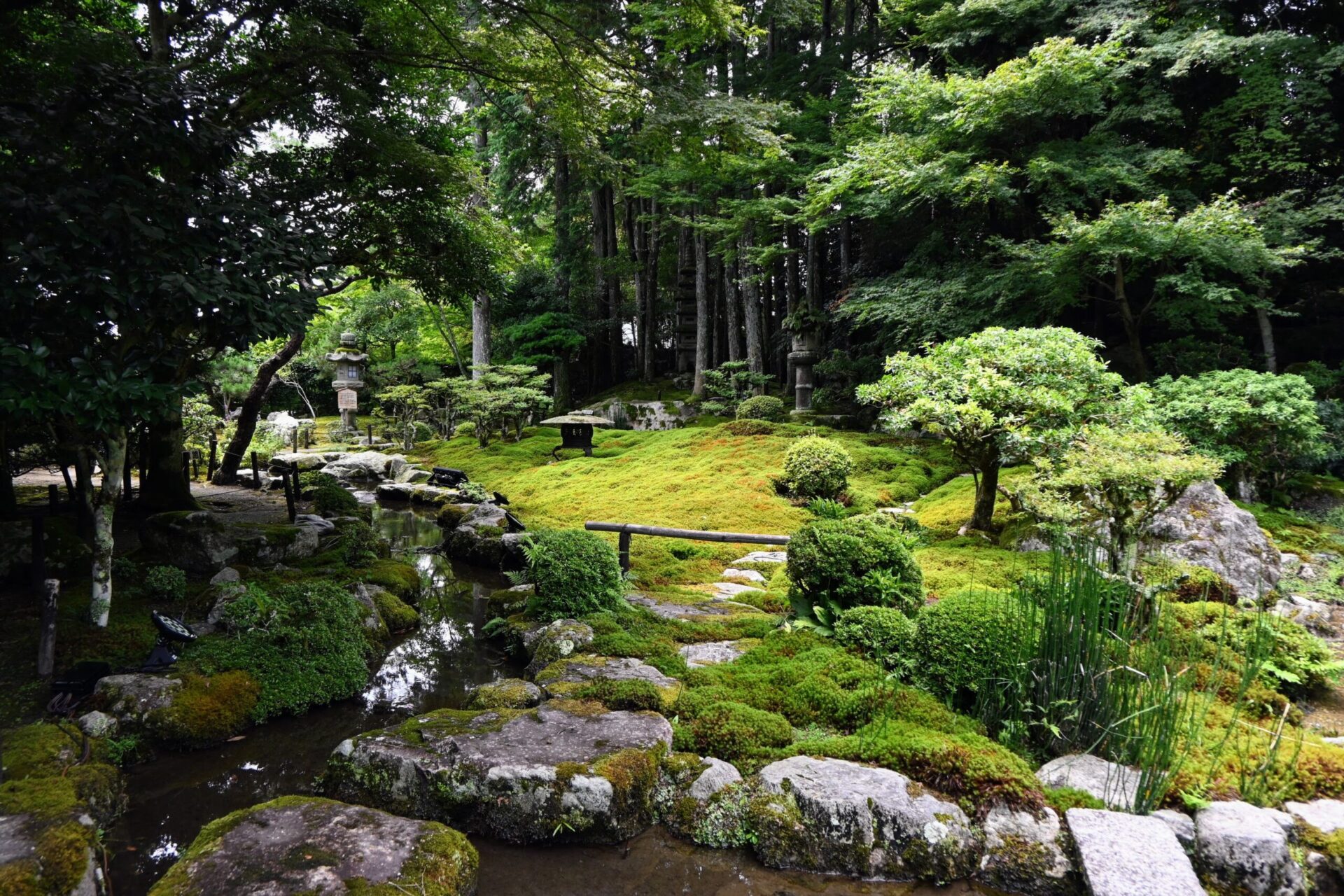
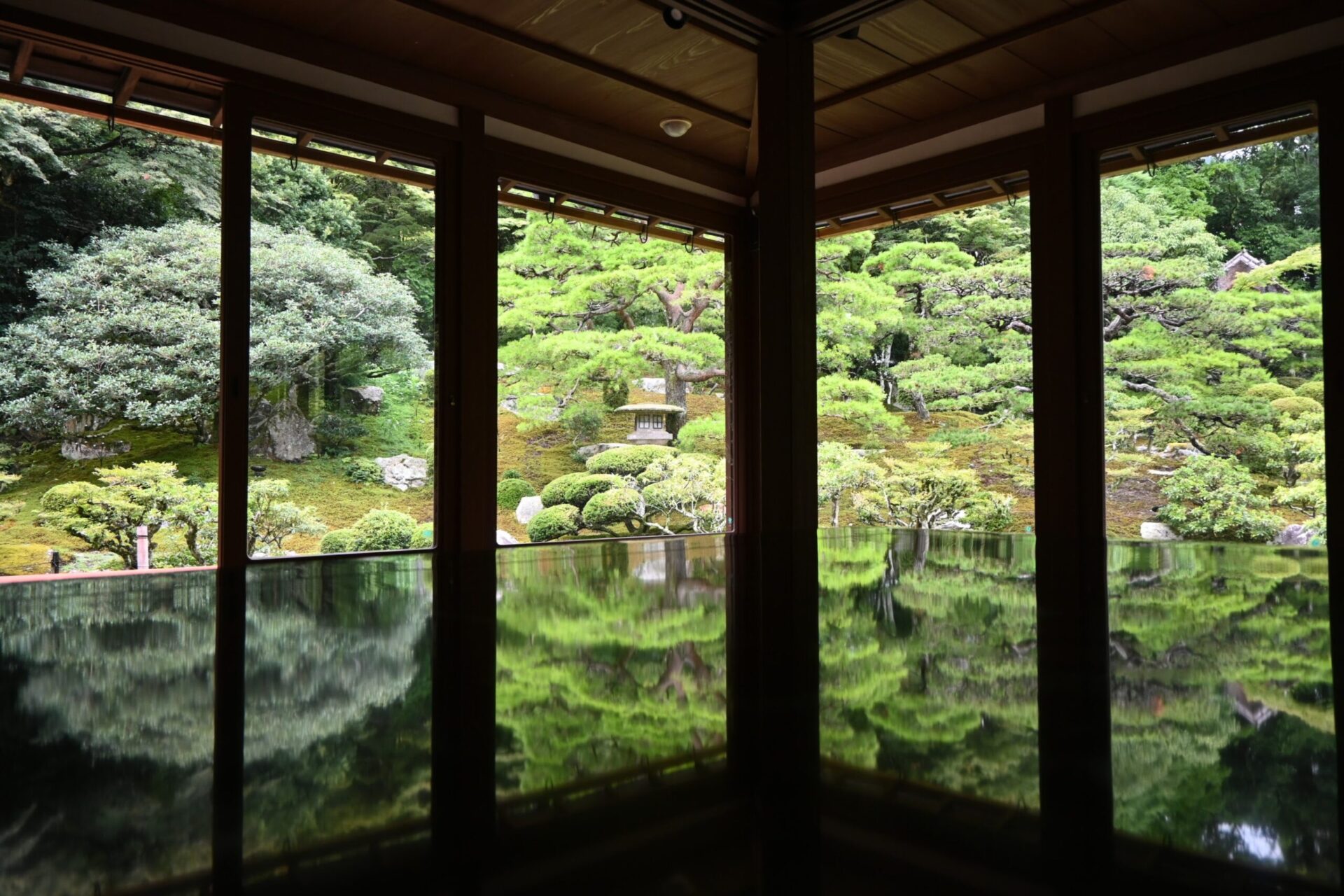
- The entrance ticket to the ancient Chikurin-in Temple costs 330 yen.
- It is closed on Mondays, except public holidays.
The Hiyoshi Tosho-gu
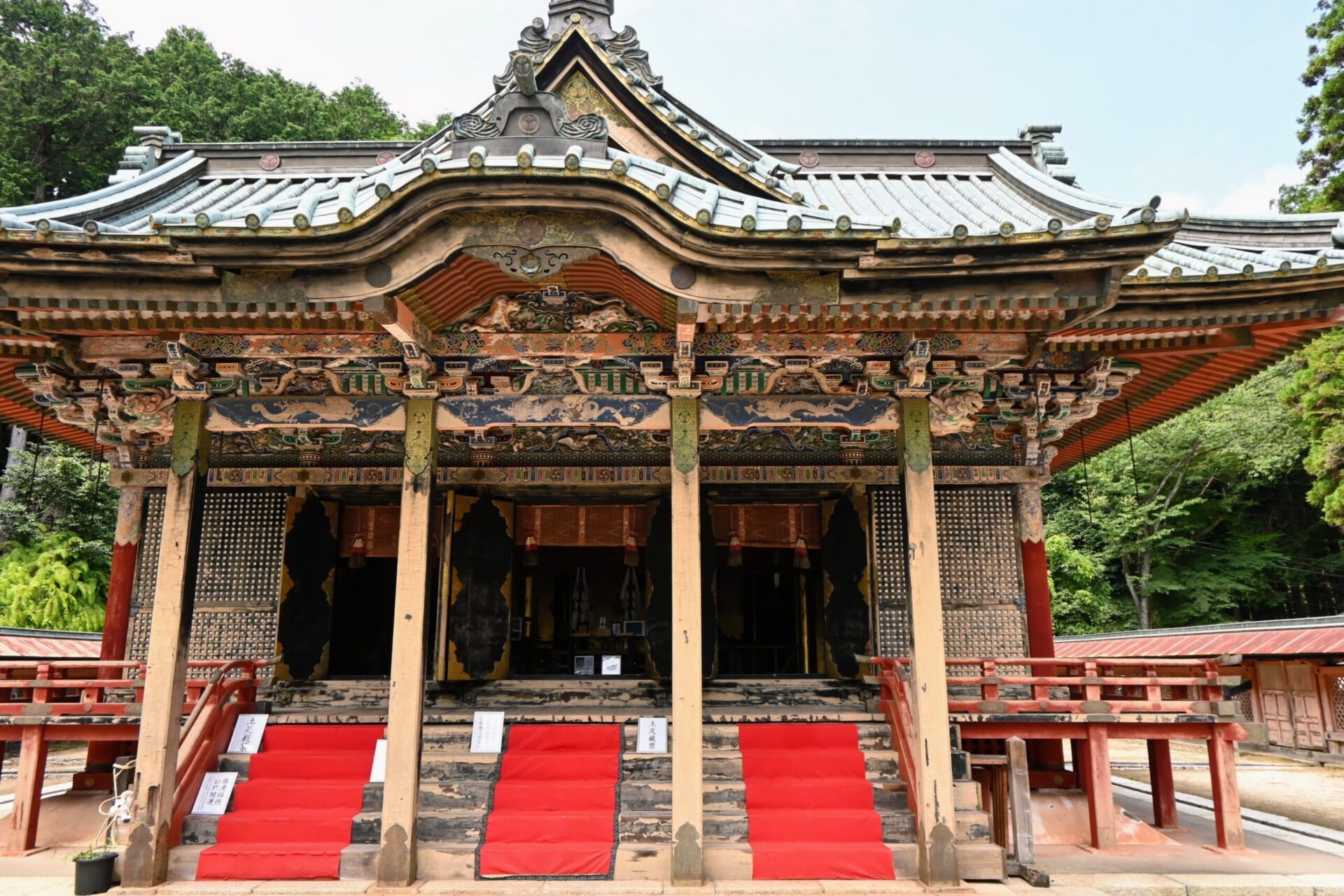
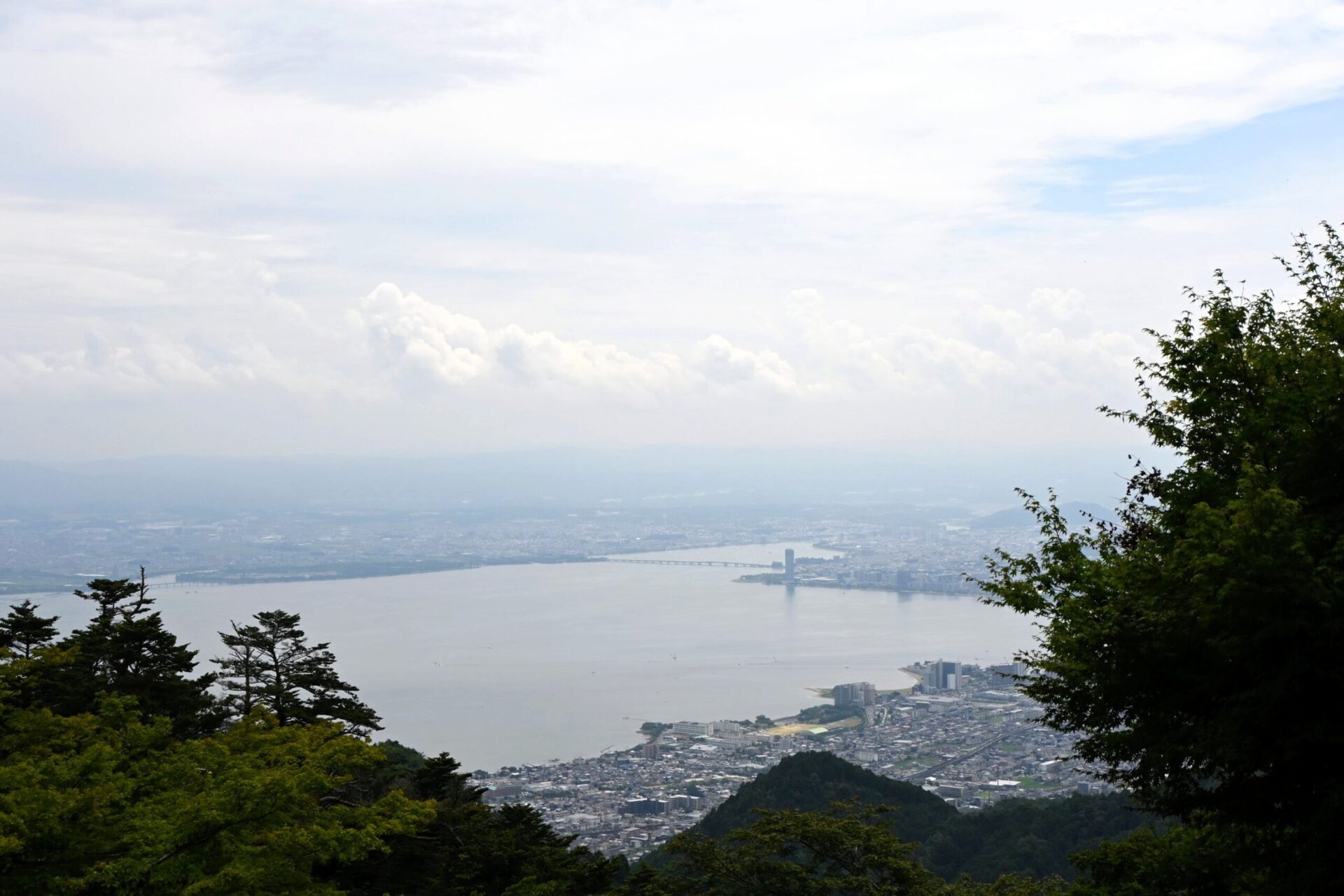
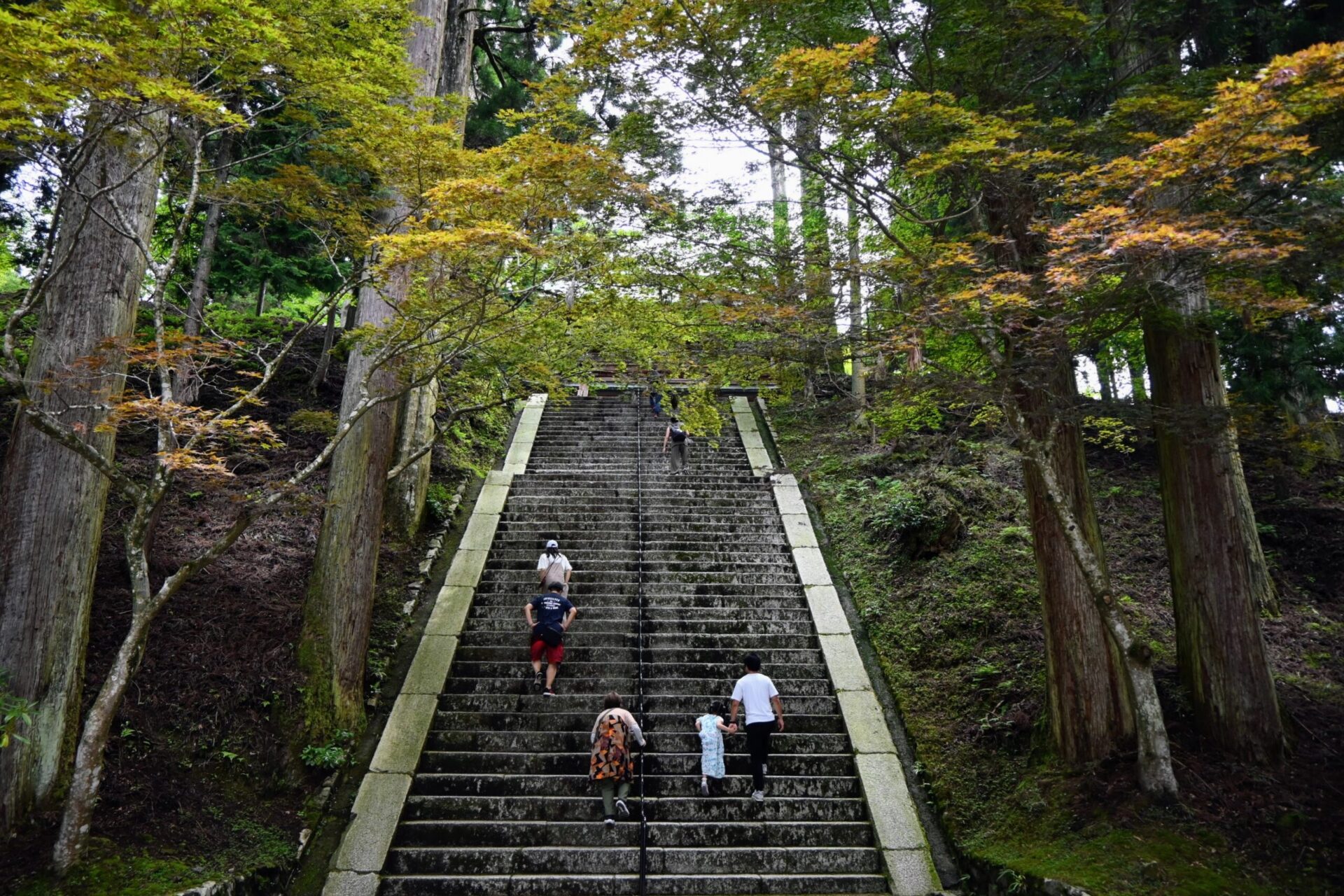
Do you know what a Tosho-gu is? These are shrines dedicated to Tokugawa Ieyasu (1543-1616), founder of the Tokugawa shogunate. They can be found throughout the country, with Nikko Tosho-gu being the most famous of them. Due to the close connection with a monk who served as one of Ieyasu’s advisors, a Tosho-gu was also erected in Sakamoto, at the foot of Mount Hiei. This sanctuary also served as a model for the restoration of Nikko Tosho-gu. Access is not easy, as you have to climb steep stone steps, but your fatigue will be rewarded with a magnificent view of Lake Biwa below.
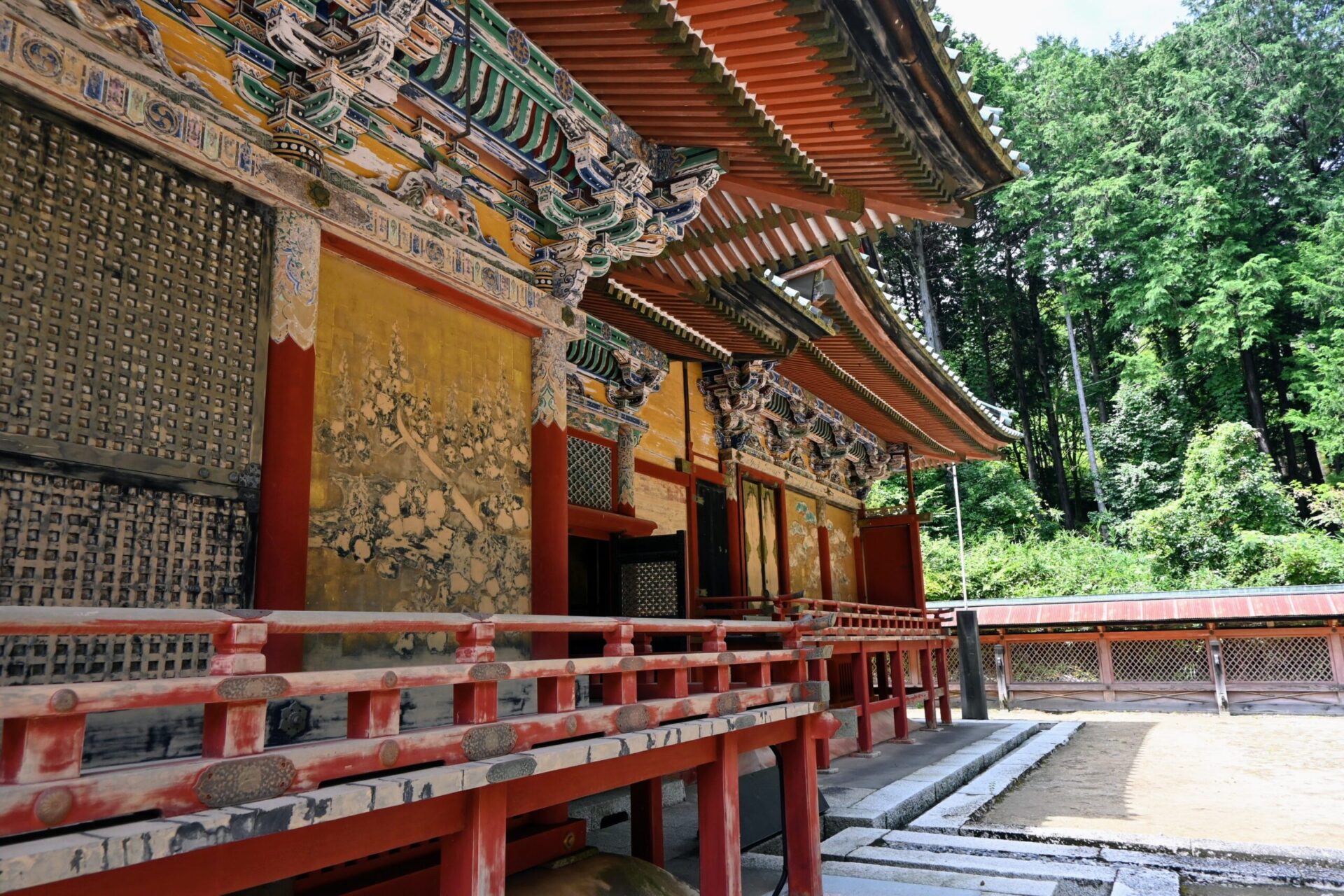
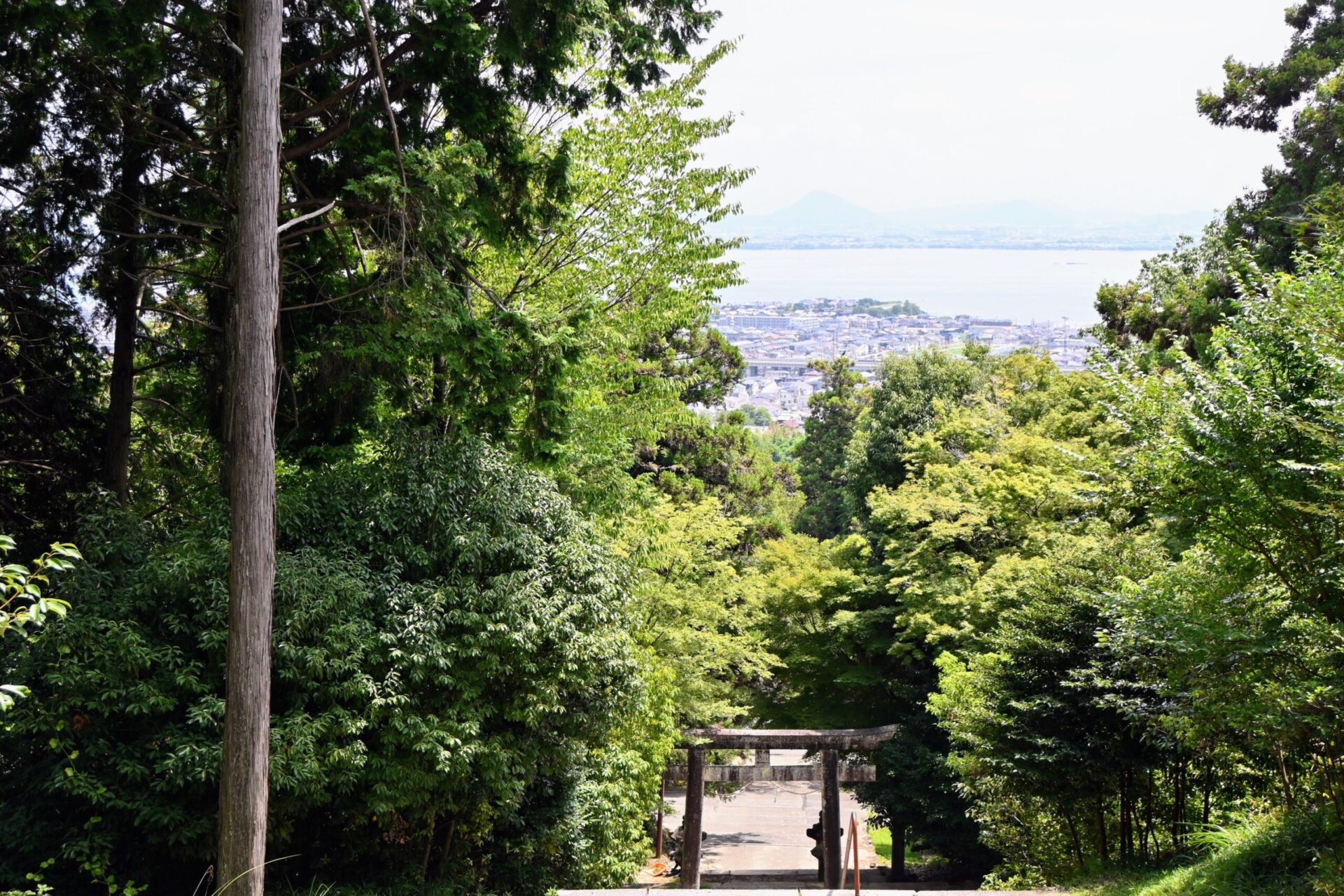
- The entrance ticket to Hiyoshi Tosho-gu costs 300 yen.
- It is only open on Saturdays, Sundays and public holidays.
Enryaku-ji of Mount Hiei
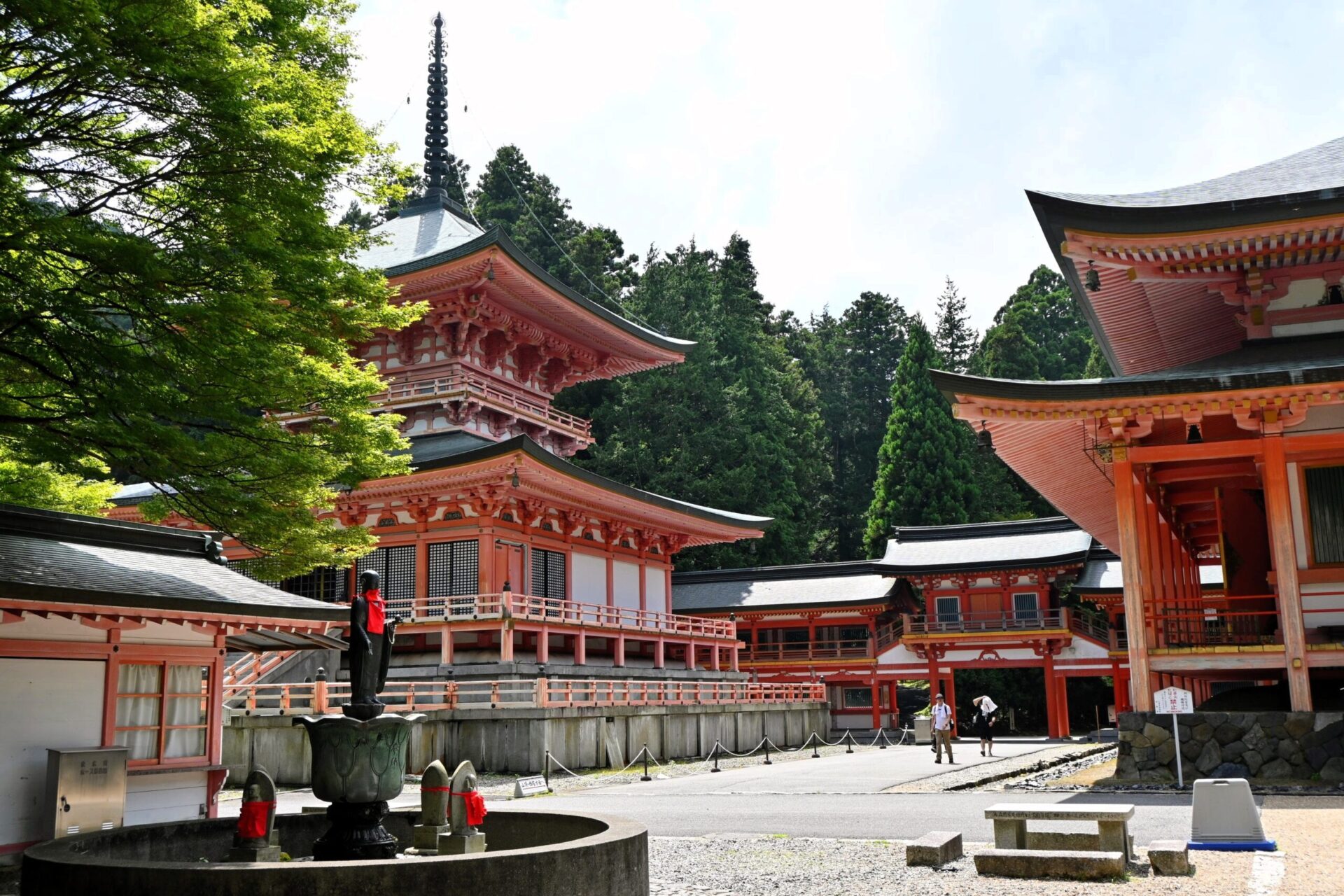
Founded in the 8th century on Mount Hiei by the monk Saicho (767-822), Enryaku-ji is the main temple of the Tendai school of Buddhism. This has the particularity of teaching all the precepts of Buddhism, such as Zen, esotericism and the recitation of the name of Amida Buddha. As many great masters studied there before founding their own schools, thus contributing to the growth of Buddhism in Japan, the temple is nicknamed the “cradle of Japanese Buddhism”. Its name does not designate a single building, but a group of more than 150 temples and pavilions spread across the mountain across the East (To-do), West (Sai-to) and Yokawa areas.
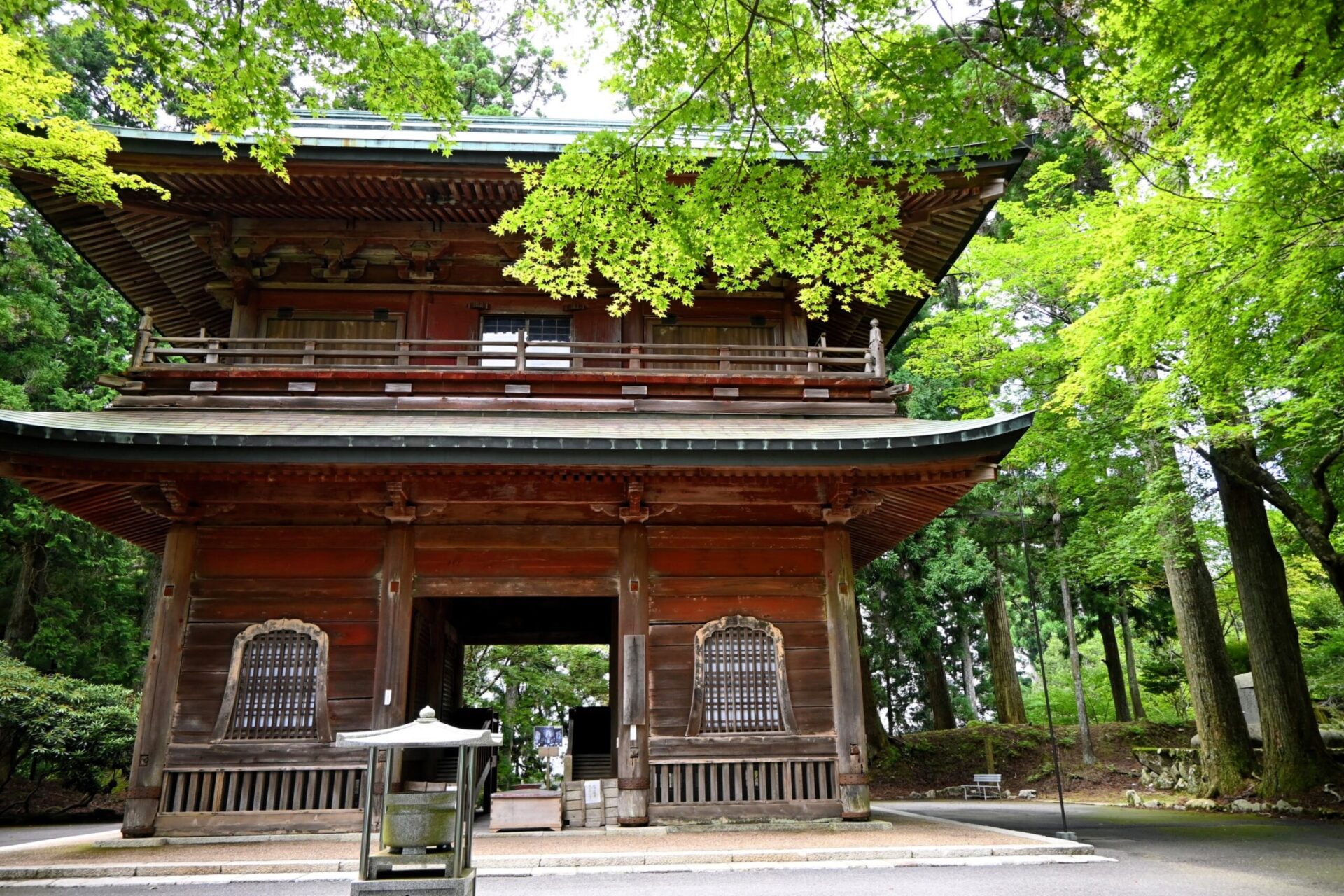
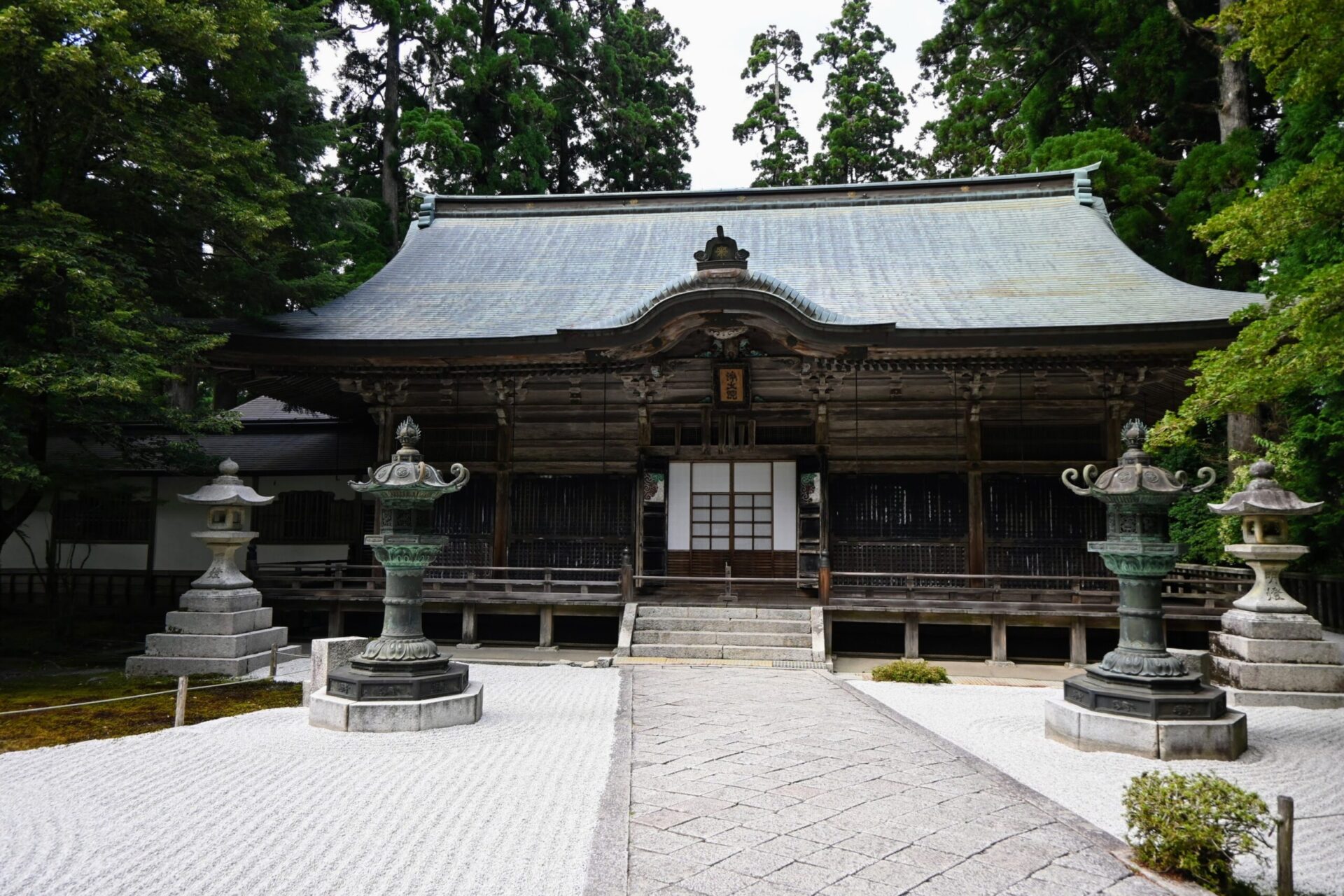
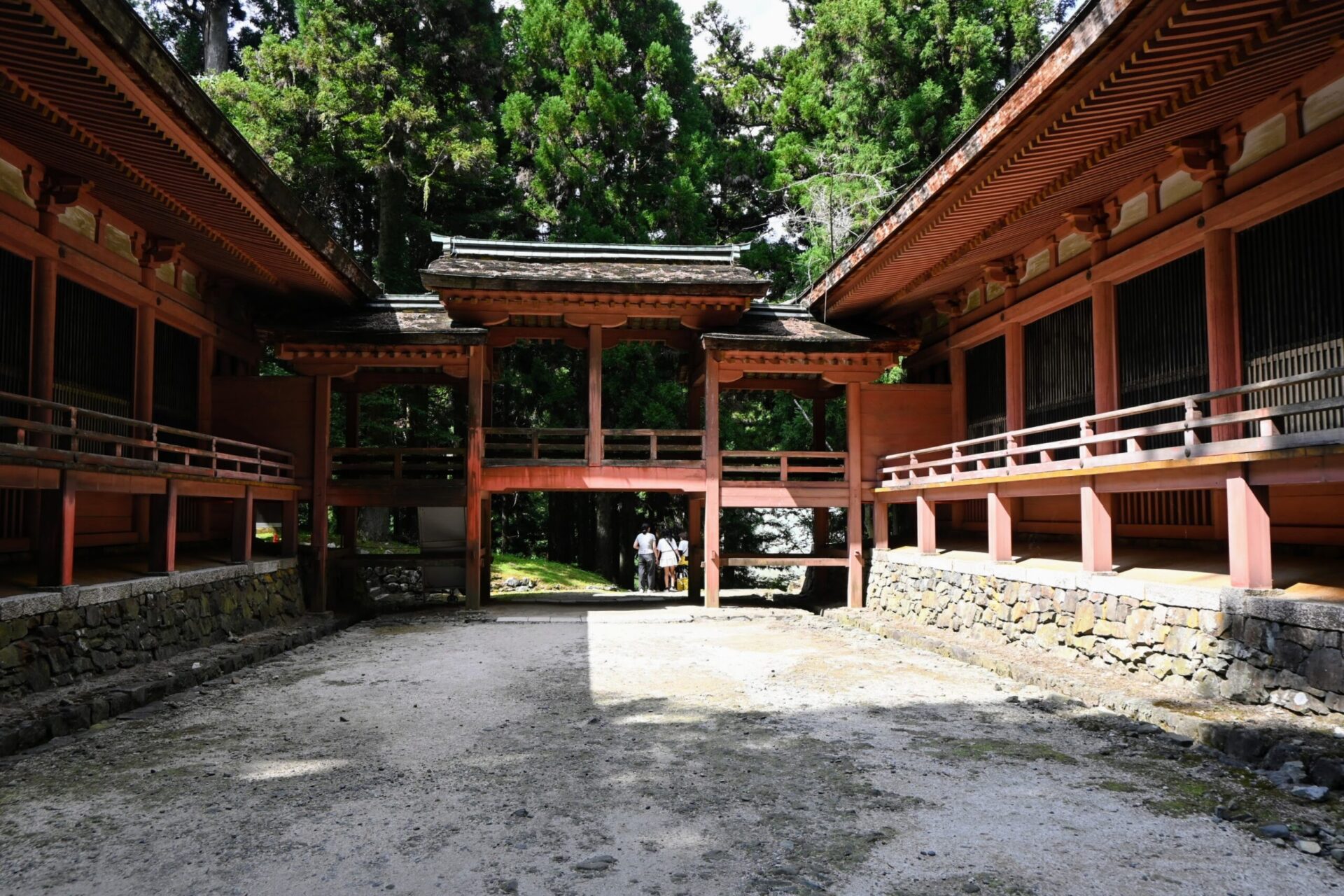
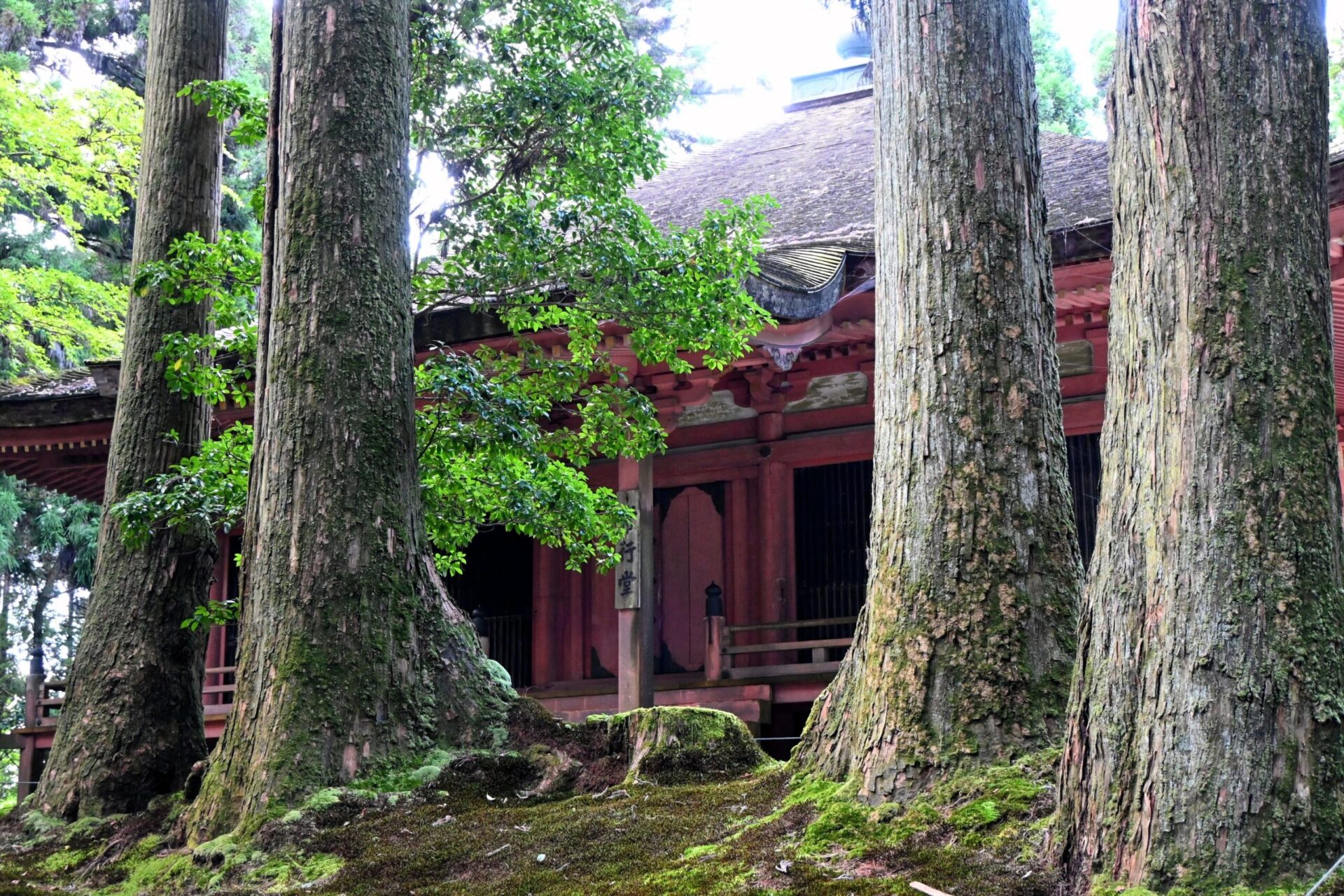
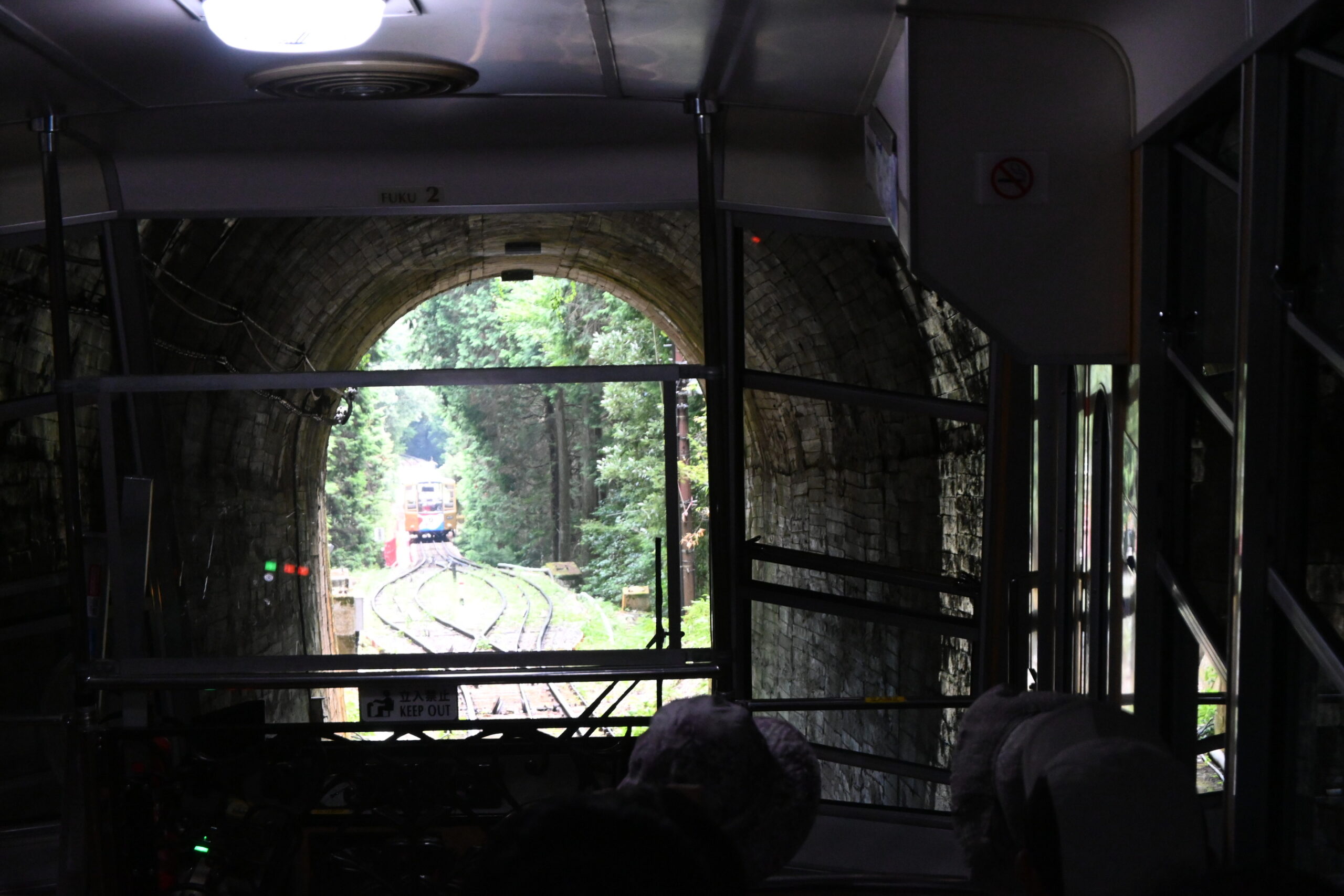
From the Sakamoto area, the funicular will take you to Mount Hiei in 11 minutes. Even if you don’t have a particular interest in religious buildings, you can admire a magnificent view of Lake Biwa below and take a short hike while enjoying the grandiose landscapes of Mount Hiei.
- A combined ticket for 1,000 yen allows you to visit the three areas of Enryaku-ji Temple: East (To-do), West (Sai-to), and Yokawa.
- The temple can be reached directly by bus from JR Kyoto Station (about 65-70 minutes). From Yase-Hieizan-guchi Station (Eizan Railway Line), you can reach the top of Mount Hiei via funicular and cable car, then use a shuttle bus to travel between areas.
- Allow approximately 5 minutes by shuttle between the East and West zones (or 30 minutes on foot), and 10 minutes between the West and Yokawa zones (or 90 minutes on foot).
- Restoration work on Konpon-chudo, the main building of the East Zone, is underway and will be completed in 2030, but it remains open to visitors.
Takashima
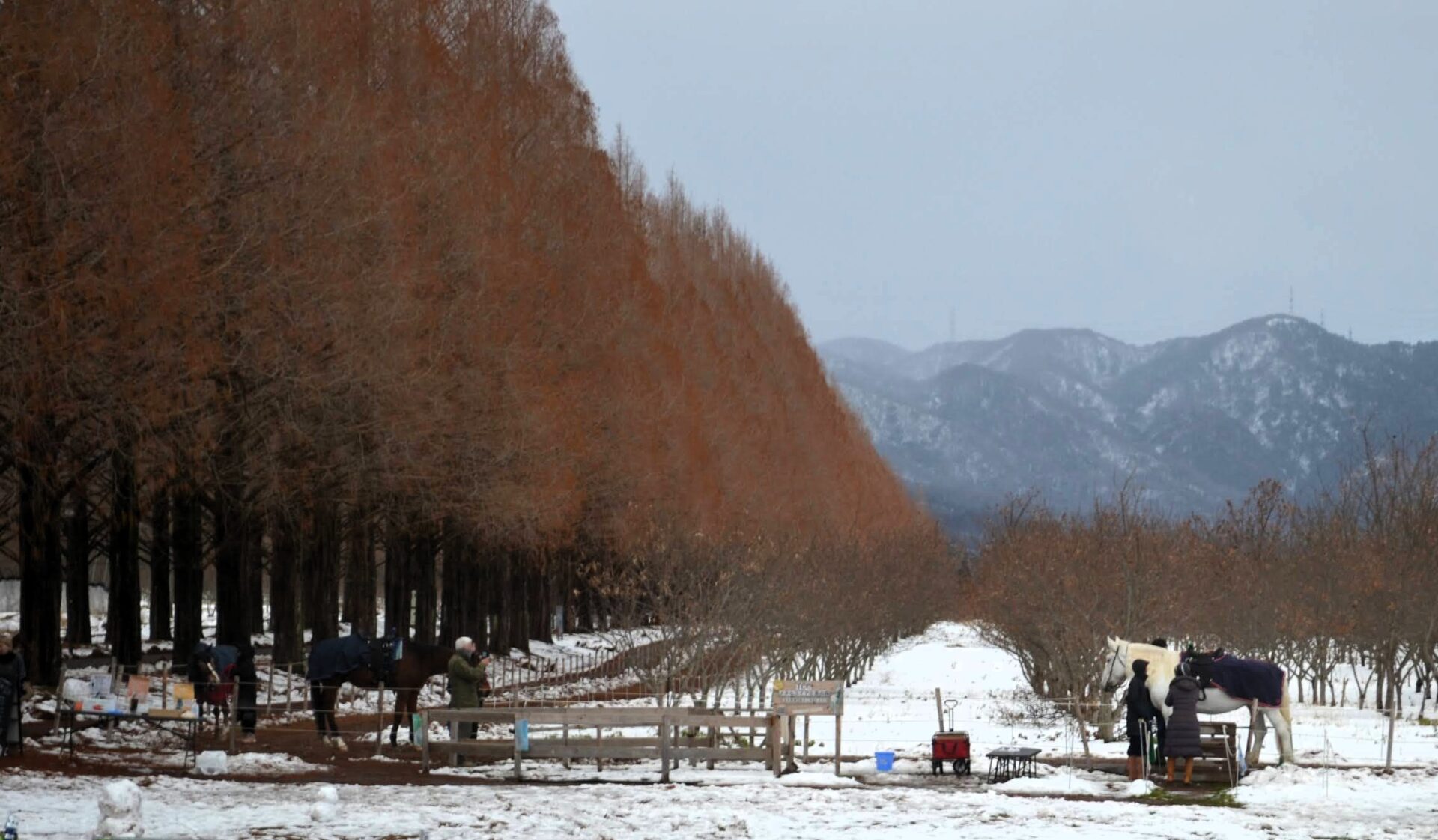
Located northwest of Lake Biwa, this city seduces with its rich nature and mysterious landscapes. One of its most famous sites is the great torii vermilion which rises majestically in the middle of the waters of the lake. Resembling that of Itsukushima Shrine in Miyajima, this portico belongs to the Shirahige Shrine, dedicated to the deity of longevity. Another must-see is the metasequoia avenue which stretches for approximately 2.4 kilometers. It is an ideal place for a drive, offering magnificent panoramas that change with the four seasons.
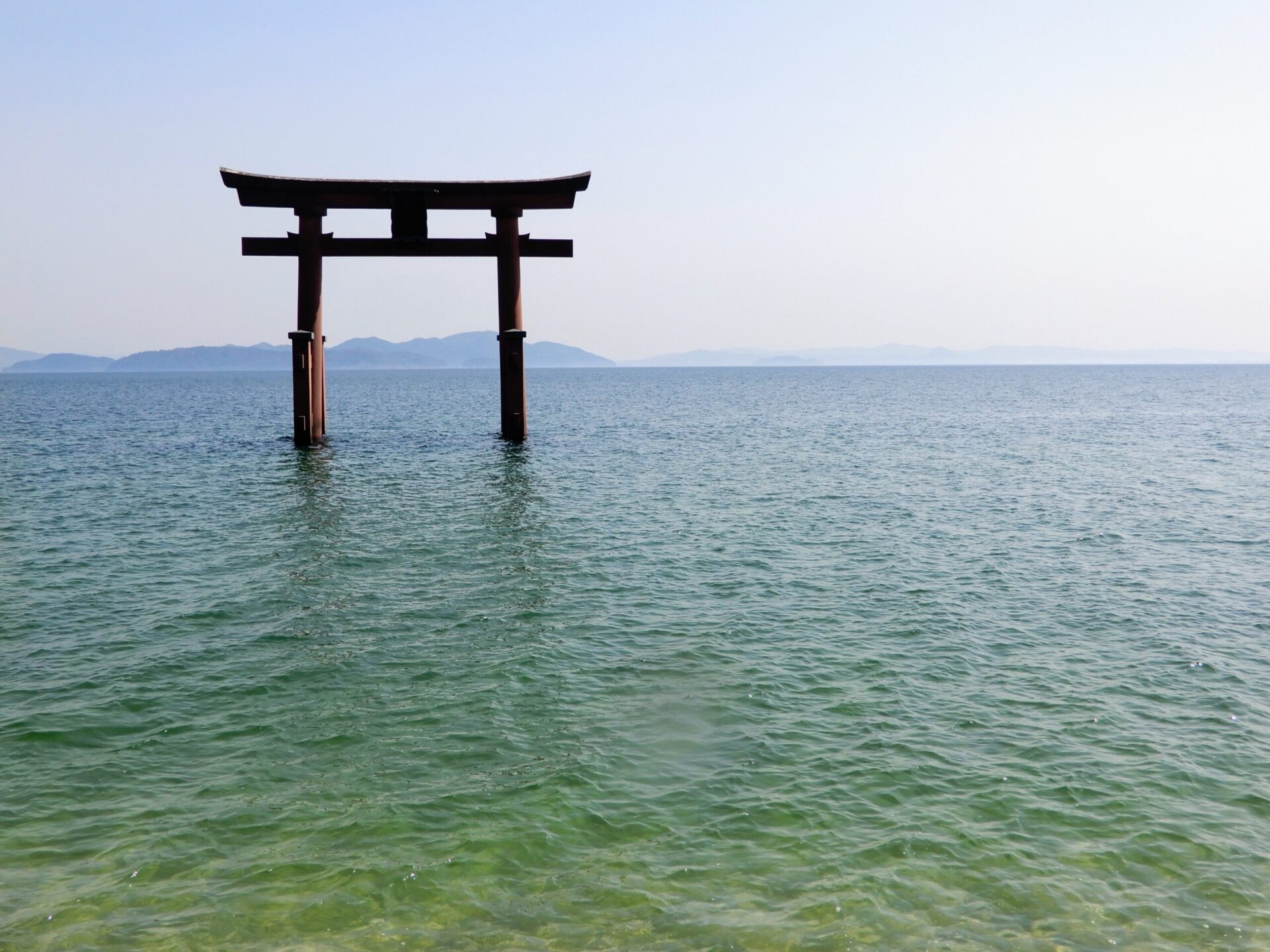
- The Shirahige Shrine buildings are located on the side of the road. It is dangerous to cross it to take photos of the floating torii;it is therefore advisable to use the observatory provided for this purpose.