

The pearls of Lake Biwa
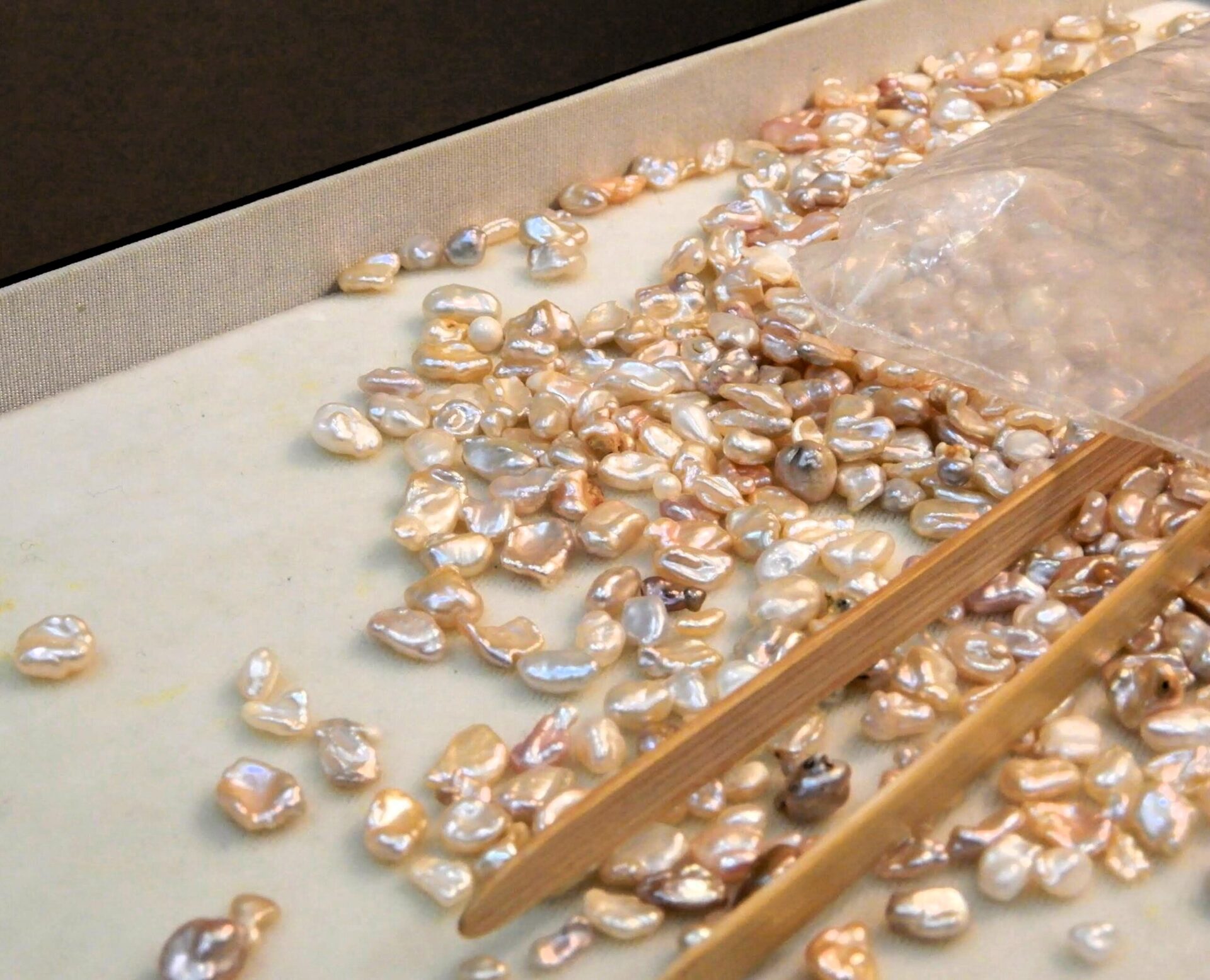
Lake Biwa is the largest and oldest lake in Japan. It is divided in two by the Biwako Ohashi Bridge, which connects the east and west banks at its narrowest point: the north basin and the south basin. Most of the lake is made up of the northern part (the ratio between the area of the southern basin and that of the northern basin is 1 to 11). Lake Biwa is home to more than 1,700 aquatic animal and plant species, of which more than 60 are endemic, such as the Biwamasu trout, the Nigorobuna crucian carp or the Seta-shijimi corbicula. Although it is little known today, pearl farming still exists in the lagoons of its southern part. Lake Biwa pearls are freshwater pearls without a core, which gives them unique shapes.
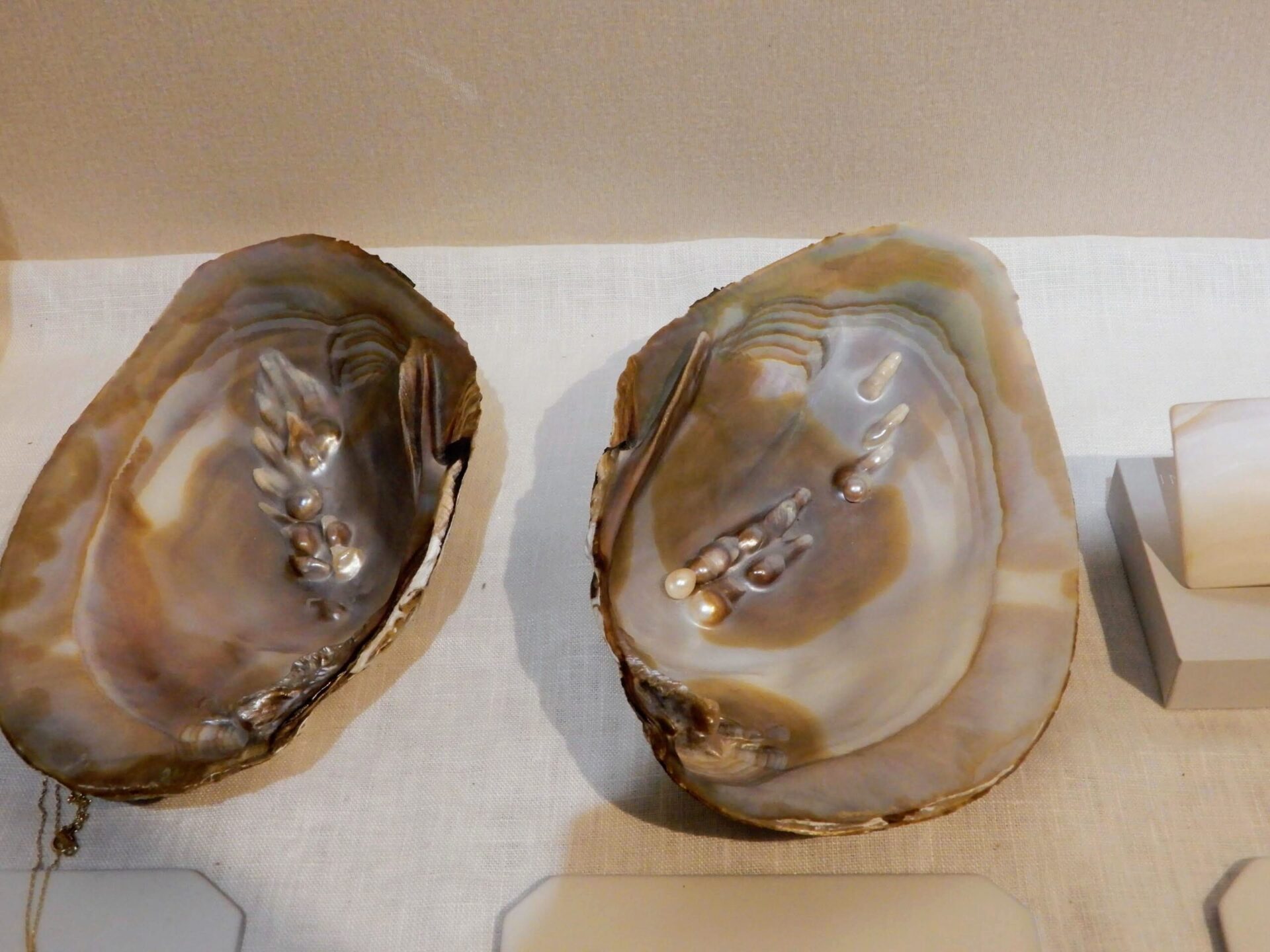
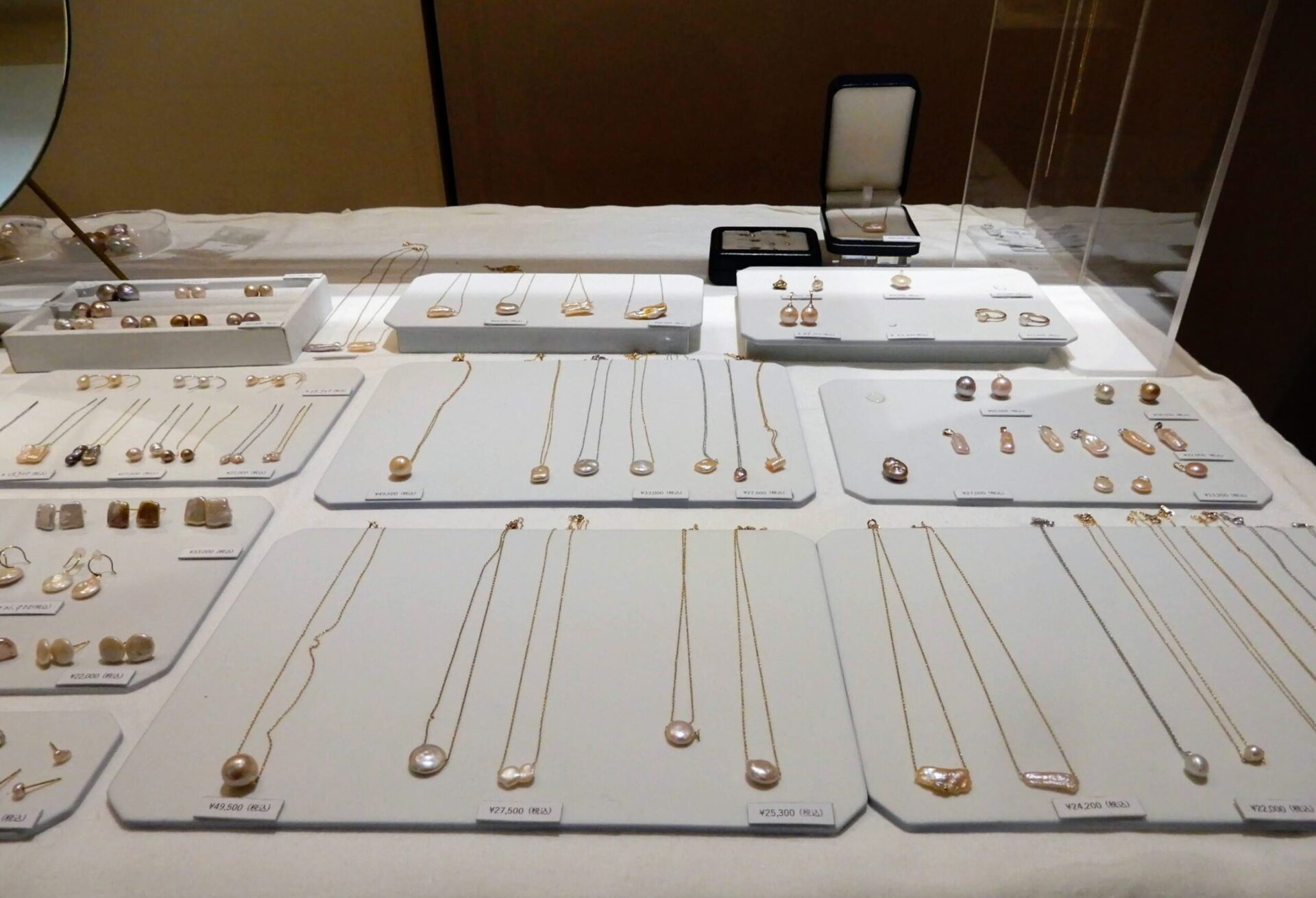
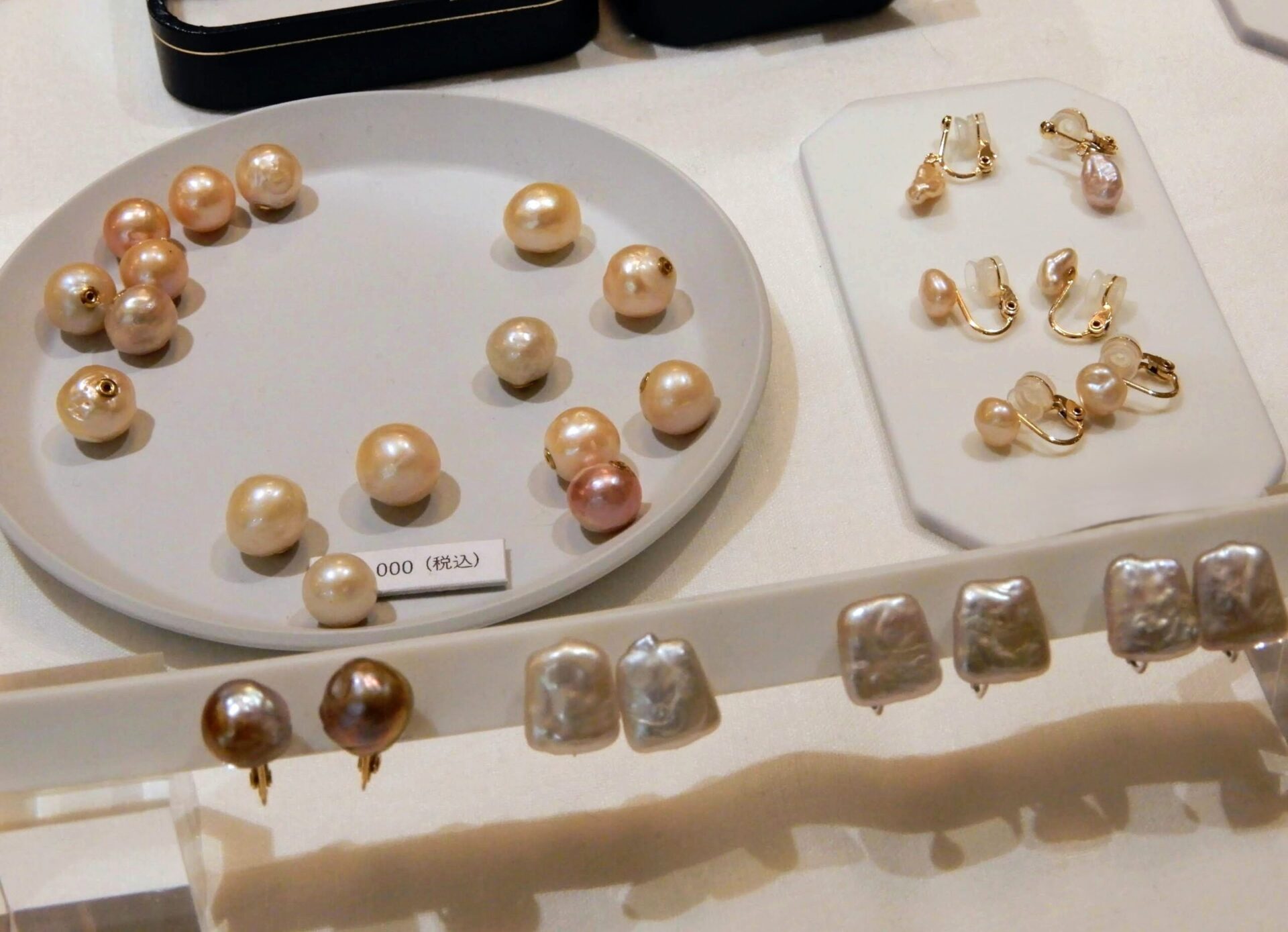
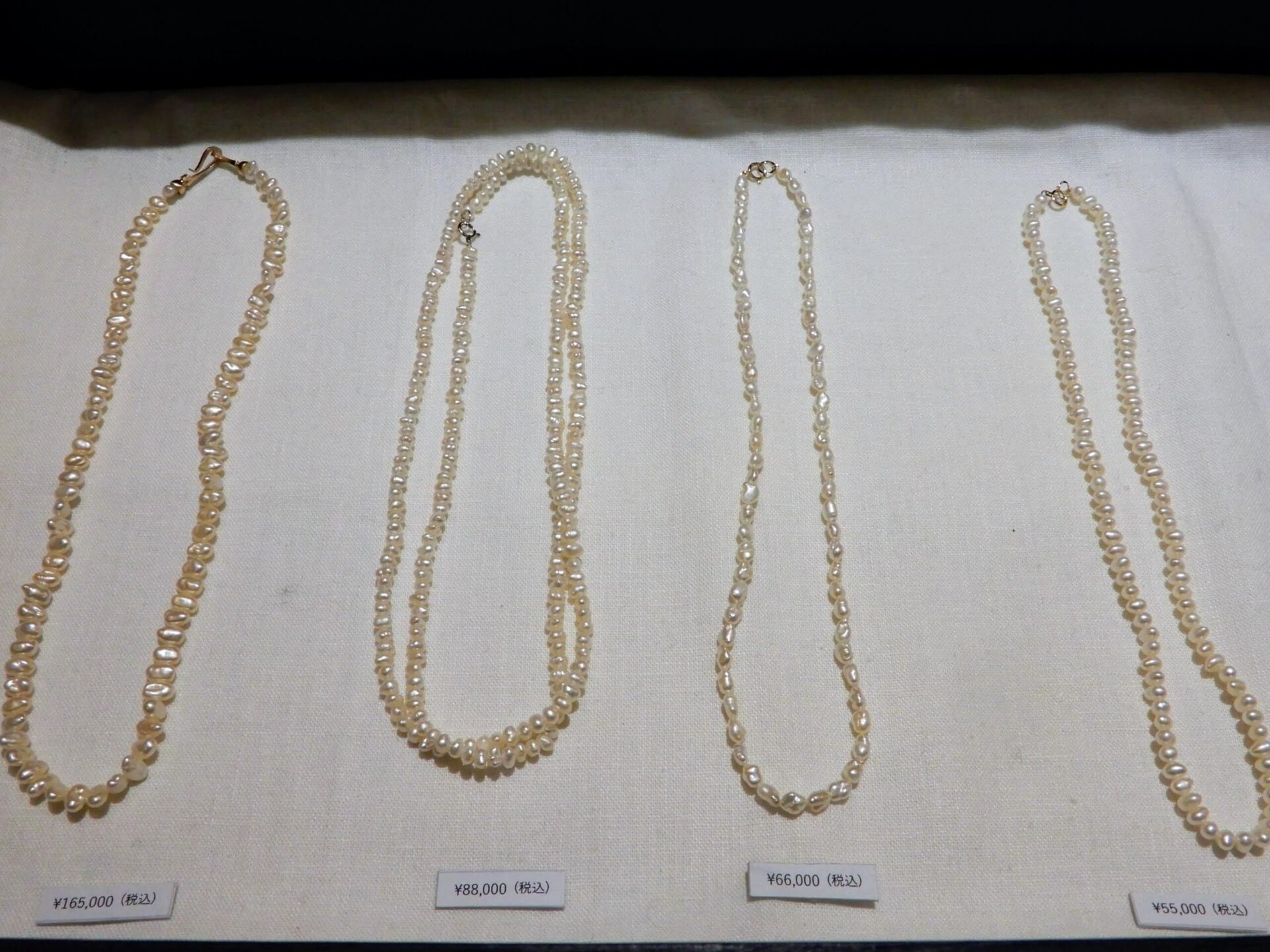
The Ikechogai, a bivalve mollusc which is one of the species of Lake Biwa threatened with extinction, is used for this breeding. It takes about three years for the Ikechogai to mature, and another three years for the pearls to form inside. The history of pearl farming at Lake Biwa dates back to the 1930s. There was a time when these pearls were highly prized in Europe and the United States due to their high quality. In their heyday, around six tonnes of pearls were produced and exported each year. However, in the second half of the 1980s, deteriorating water quality imperiled the Ikechogai, leading to a sharp drop in production. But thanks to the efforts of local pearl farmers to restore the aquatic environment of the lake, a new chapter in the history of the pearl of Lake Biwa is being written today, slowly but surely.
Ishiyama-dera temple
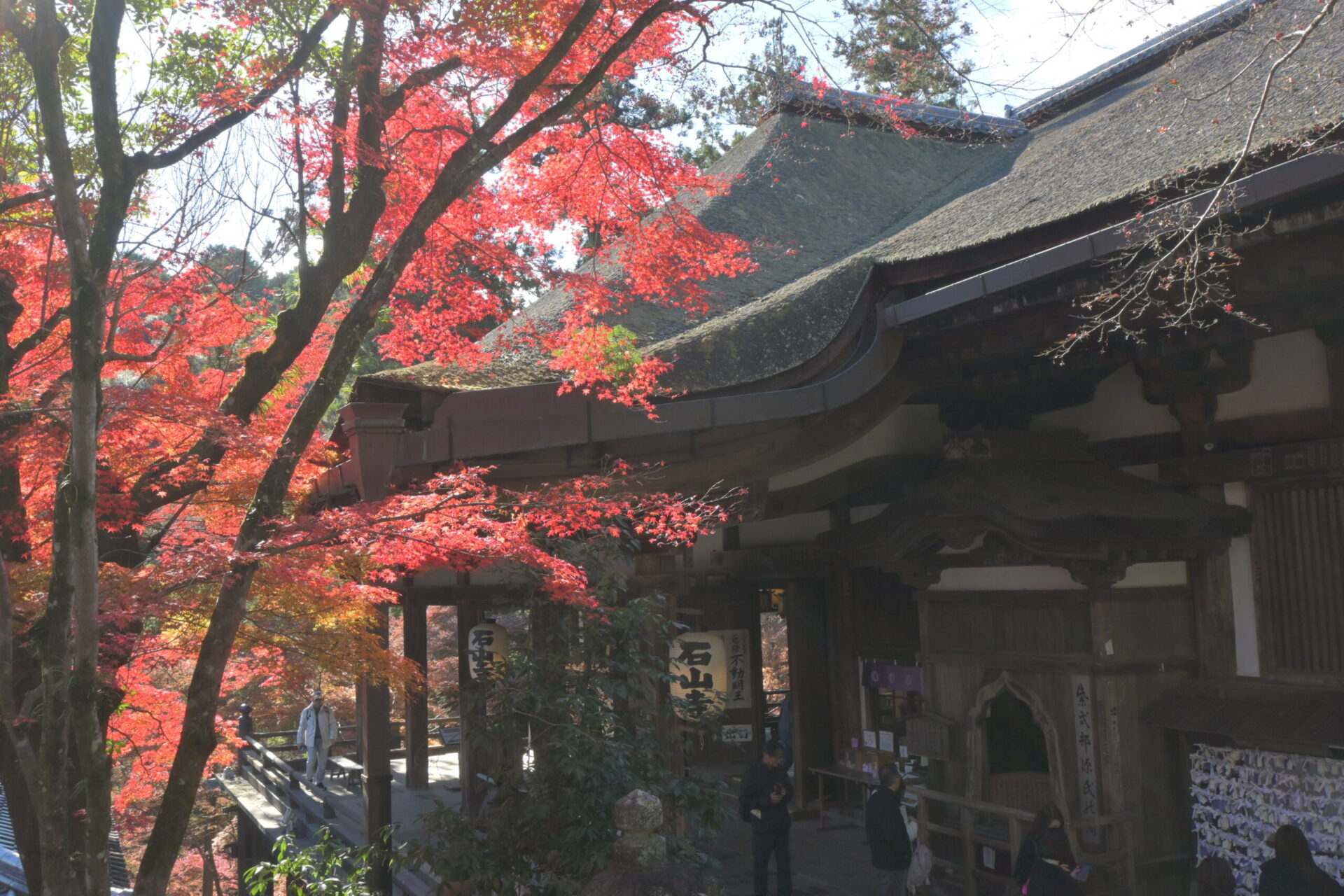
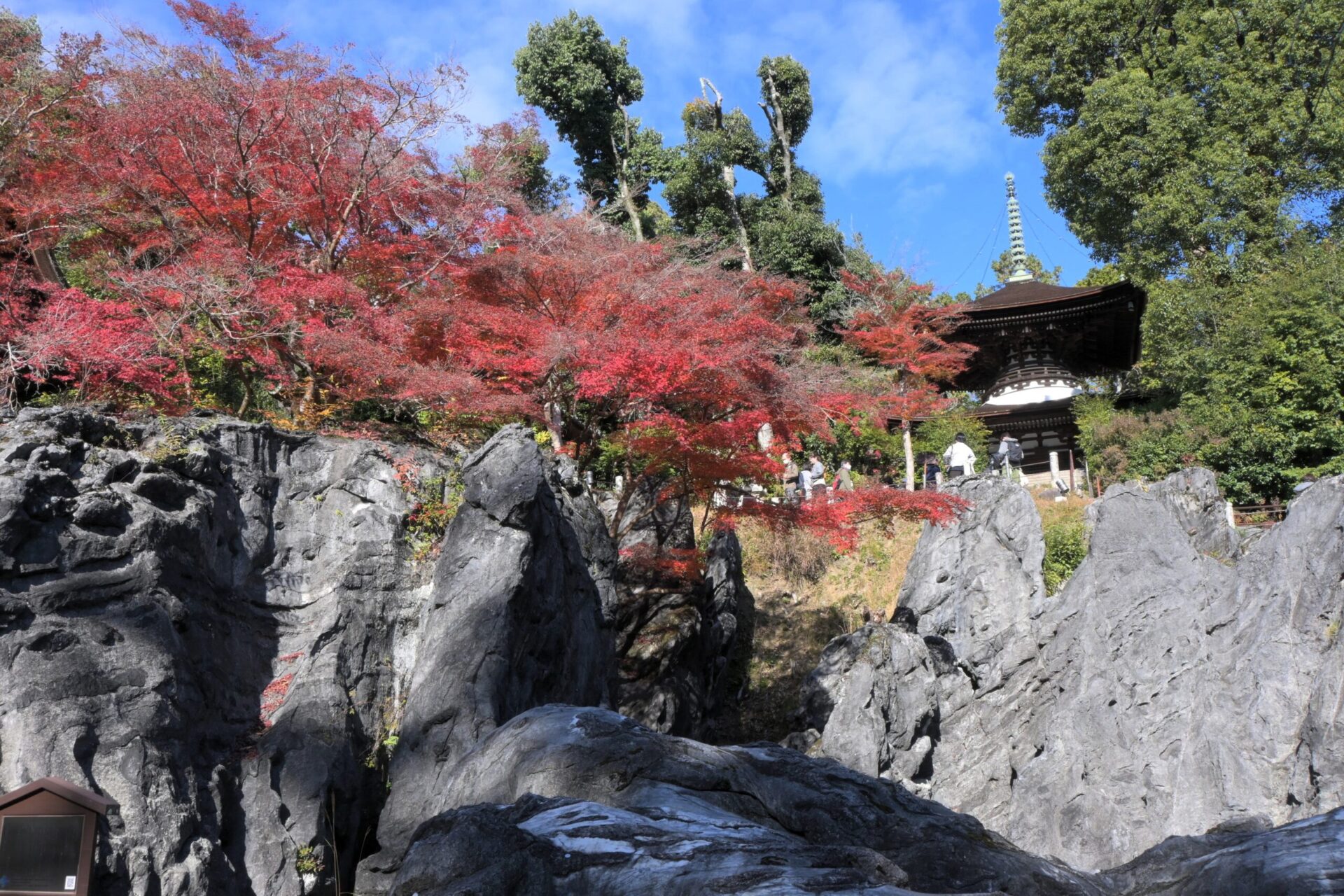
Ishiyama-dera Temple is dedicated to Kannon, the Bodhisattva of Compassion, who is one of the most popular and revered deities in Japanese Buddhism. As its name (the Temple of the Rocky Mountain) suggests, its rocky landscapes are spectacular. Many religious buildings stand there on outcrops of wollastonite. Bodhisattva Kannon, said to reside on rugged mountains, is also closely associated with sacred rocks. In this sense, this temple embodies the true home of Kannon.
- Ishiyama-dera Temple is a 10-minute walk from Ishiyama-dera Station on the Keihan Line Ishiyama-Sakamoto.
- The entrance ticket to Ishiyama-dera Temple costs 600 yen.
The Mii-dera temple
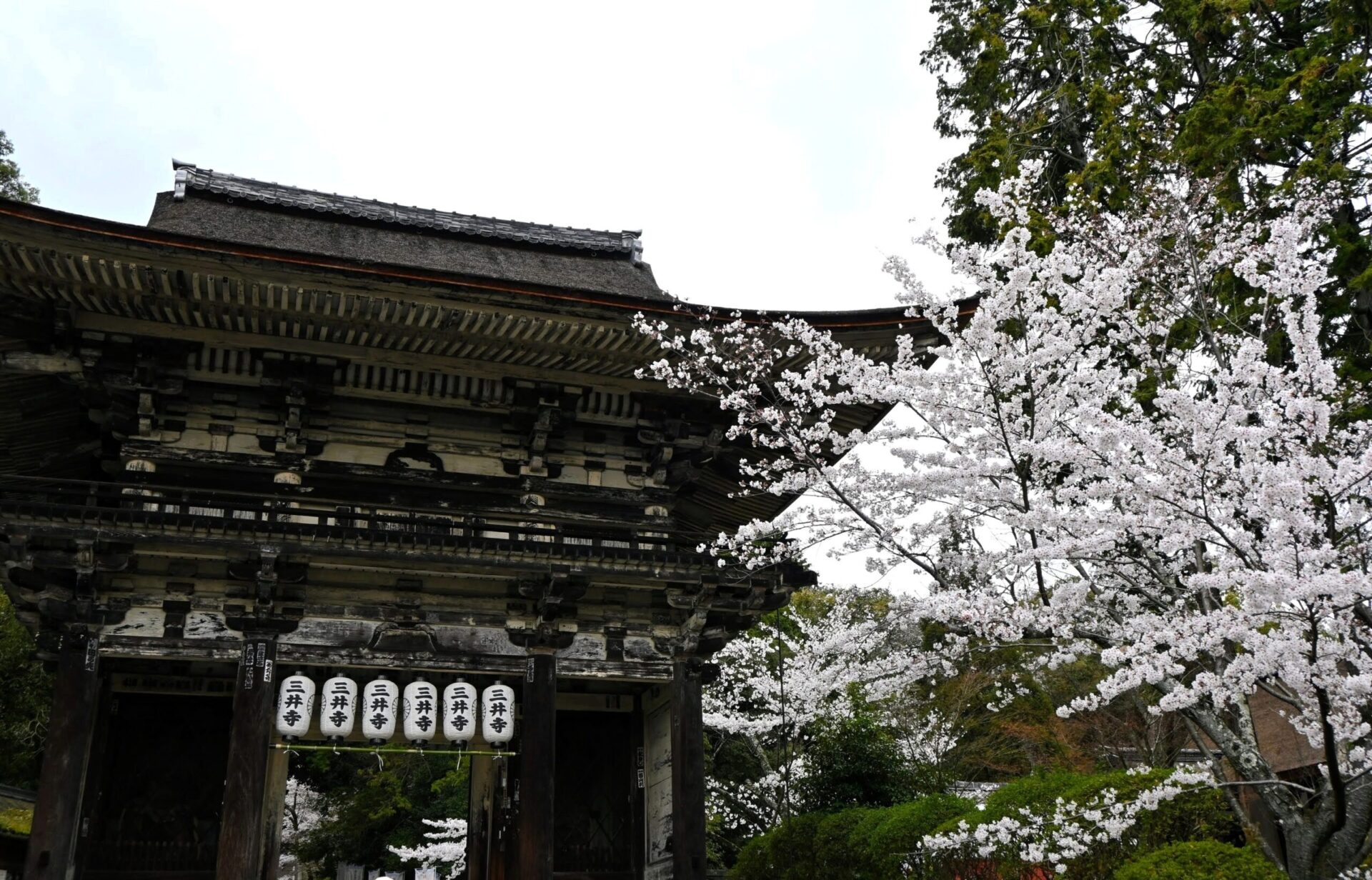
Formerly named Onjo-ji Temple, Mii-dera was founded in the 7th century in memory of Emperor Tenji. It was one of the four great protective temples of Kyoto, the ancient capital of Japan, along with the Todai-ji, Kofuku-ji and Enryaku-ji temples of Mount Hiei. During its long history, Mii-dera was burned down in numerous wars, but each time it was rebuilt, earning it the nickname the Phoenix Temple. Within its vast enclosure stand around forty religious buildings. This temple is known for its spectacular view of Lake Biwa and its cherry blossoms in spring.
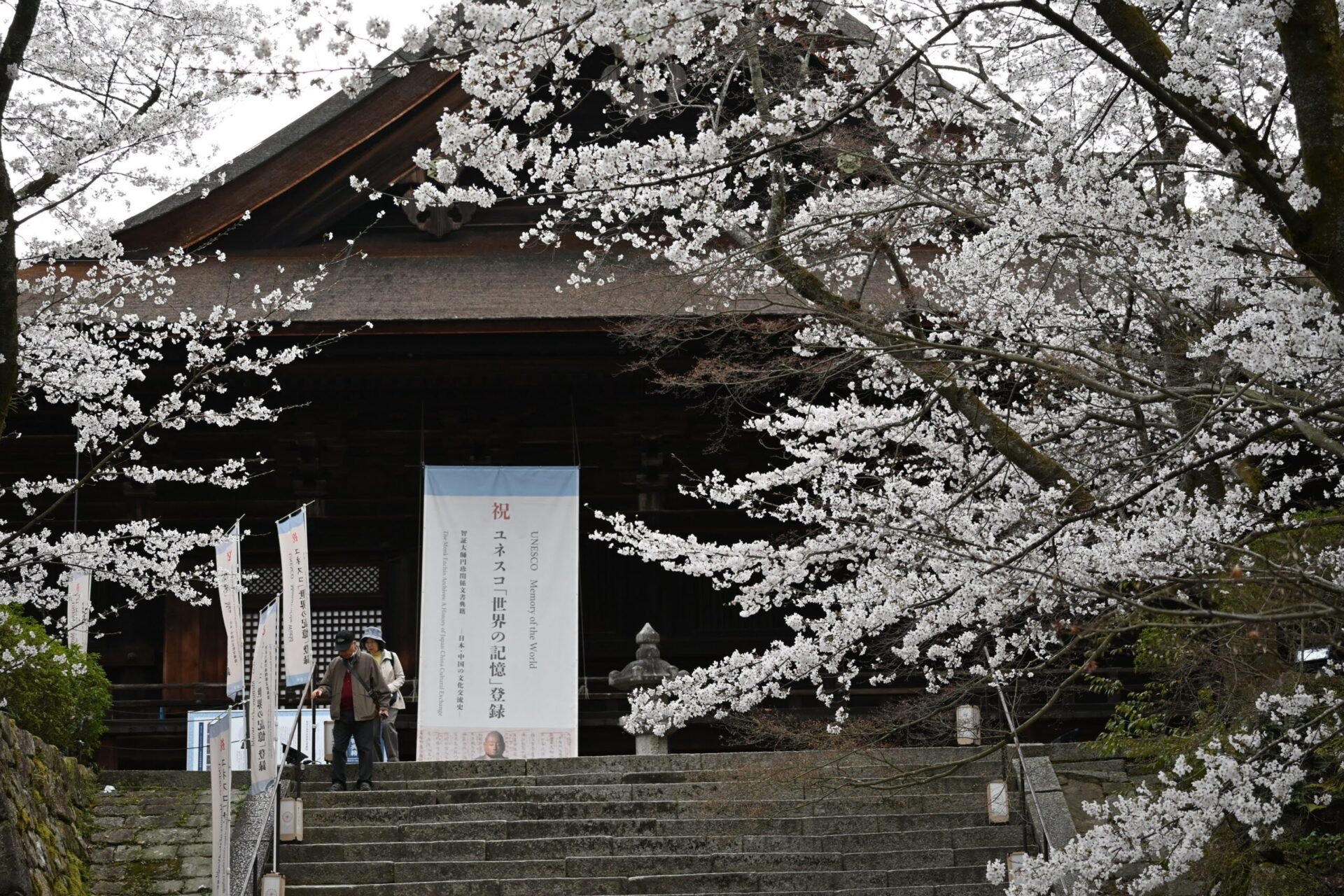
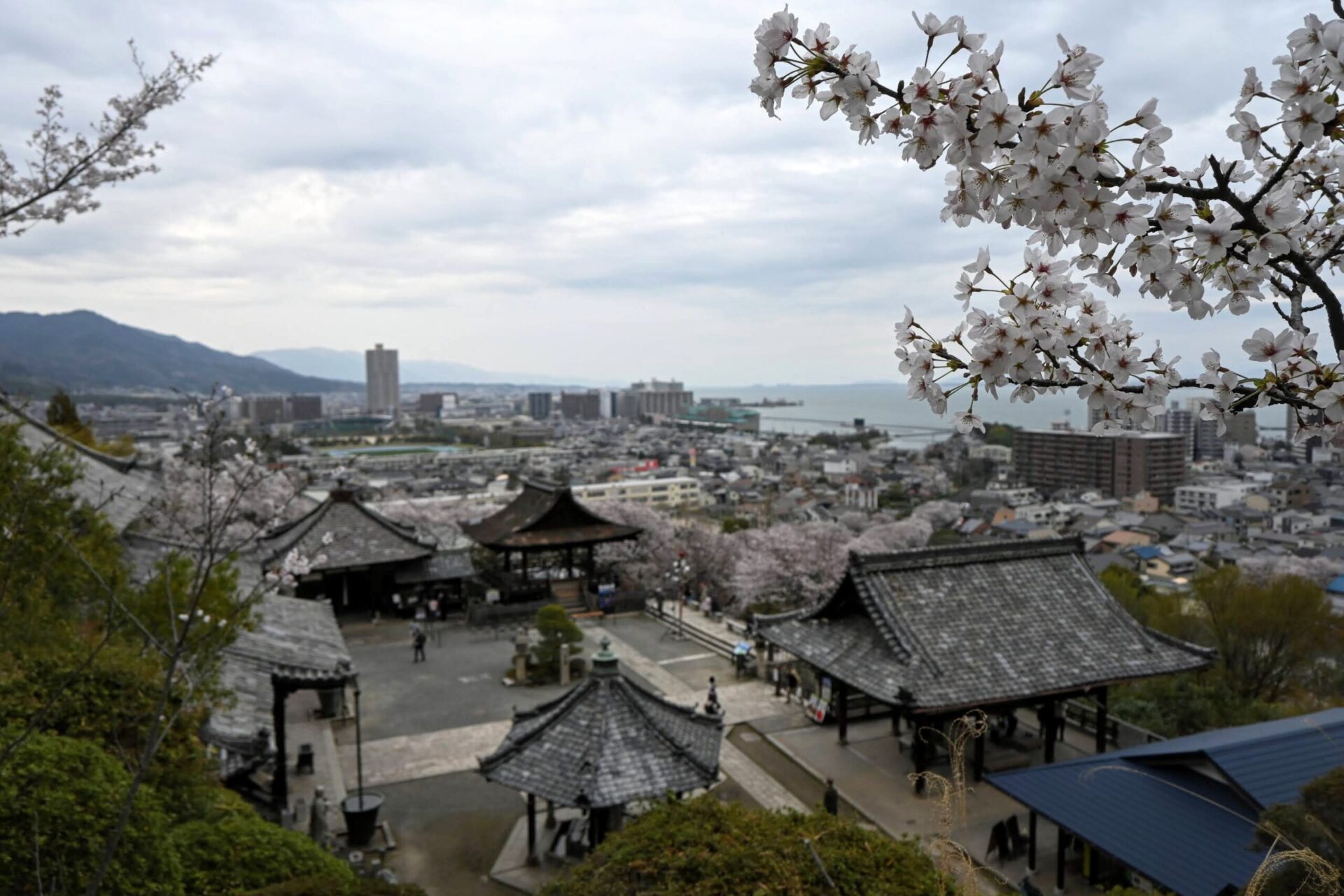
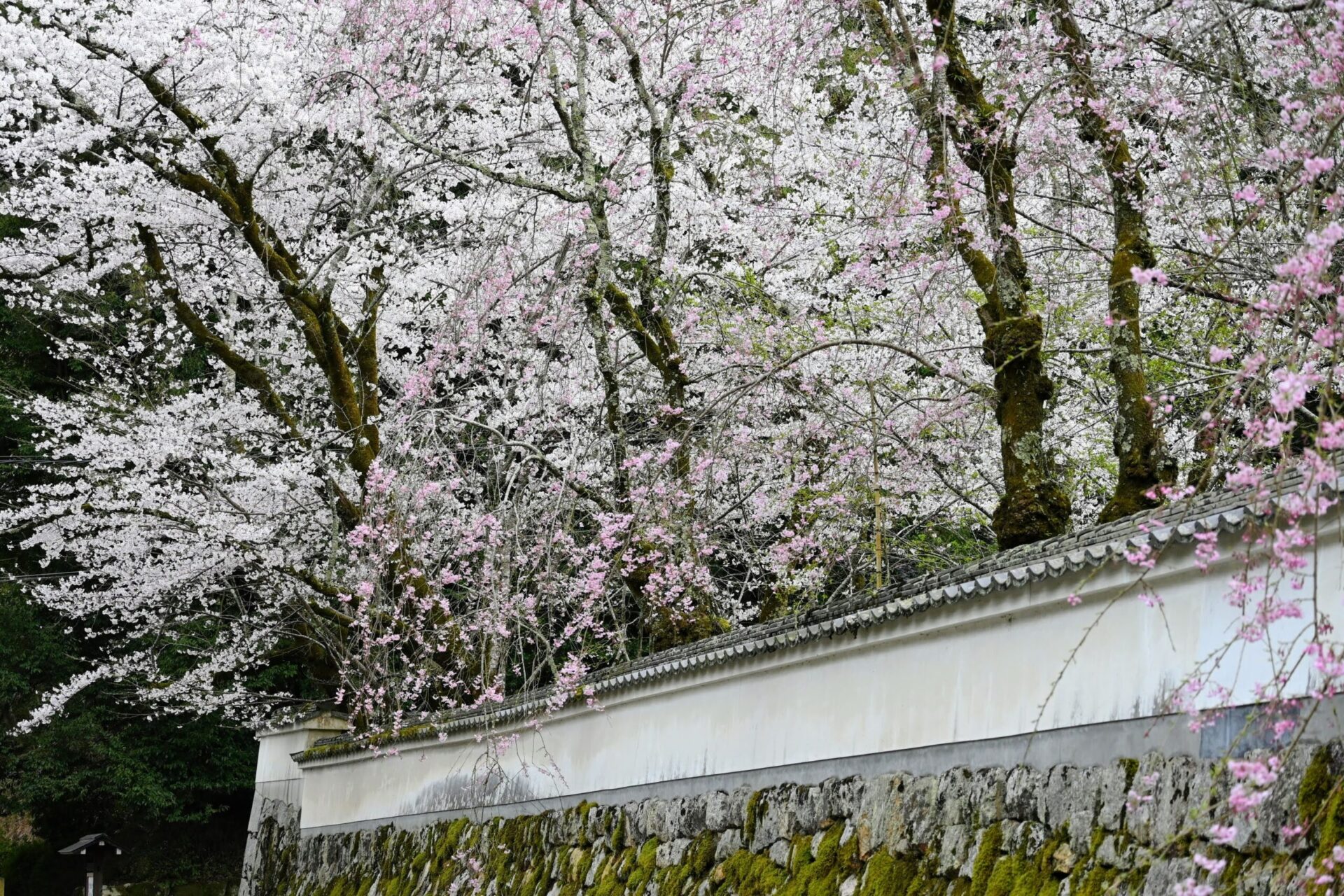
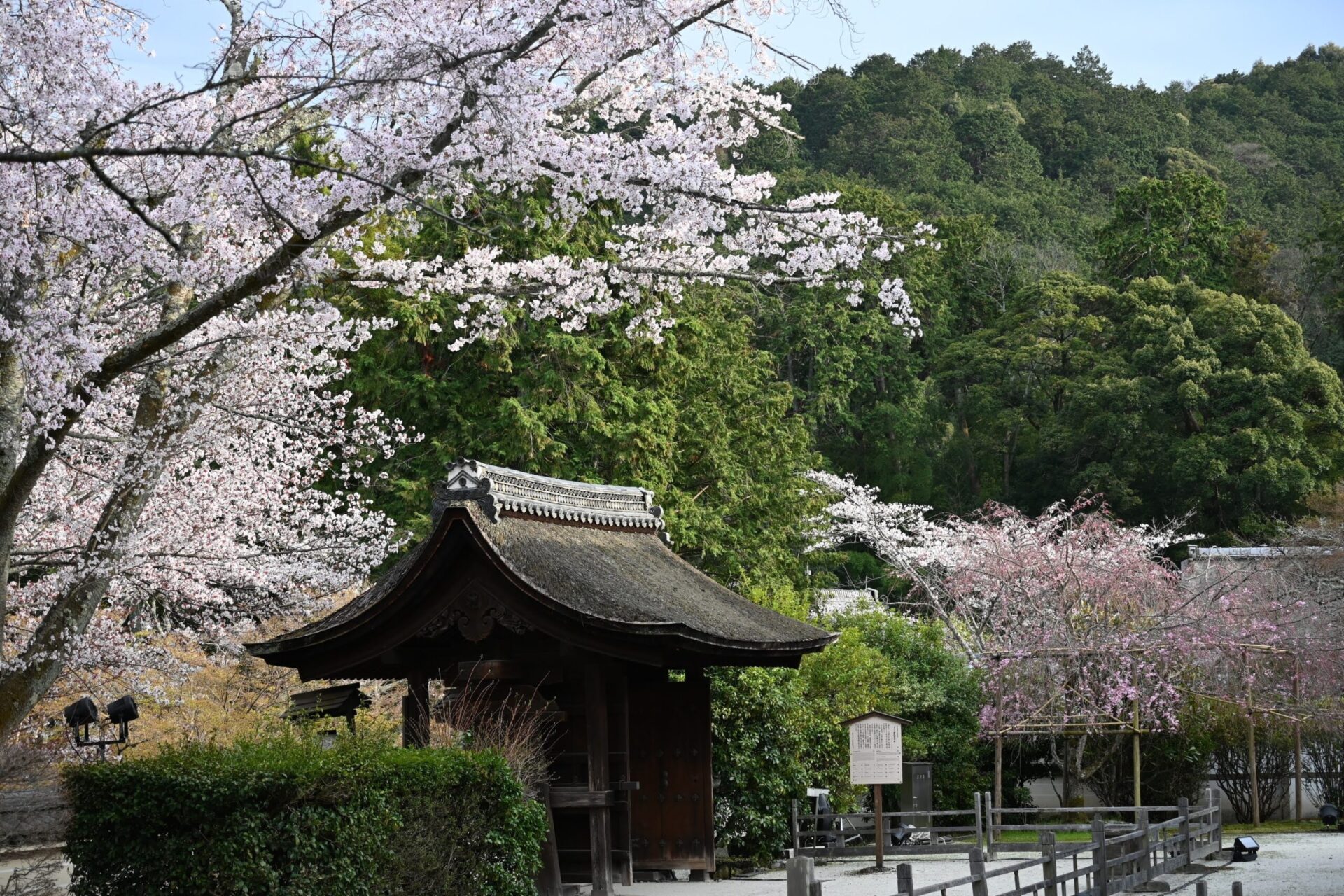
- Mii-dera Temple is a 10-minute walk from Mii-dera Station on the Keihan Ishiyama-Sakamoto Line.
- The entrance ticket to Mii-dera Temple costs 800 yen.
Sagawa Art Museum
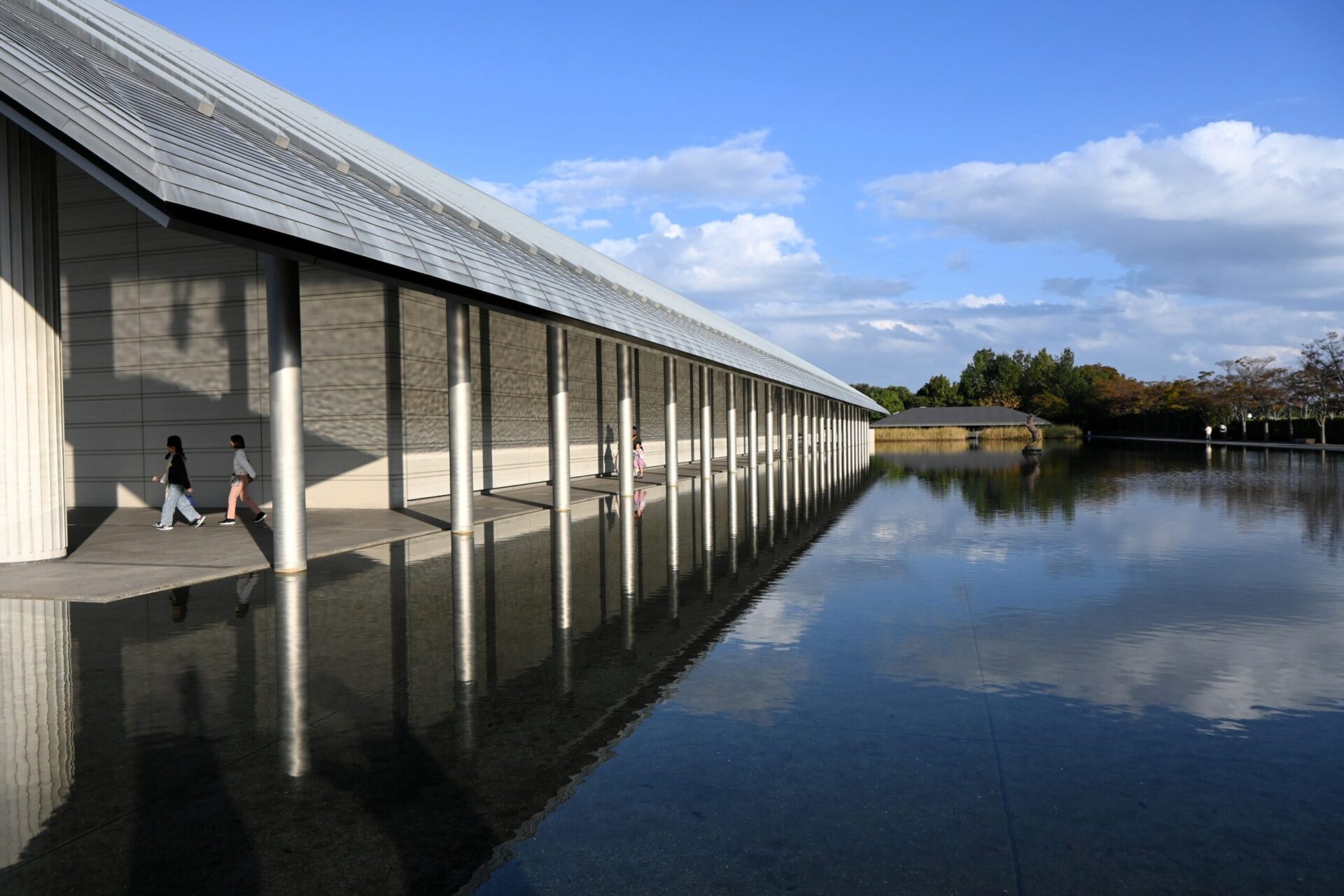
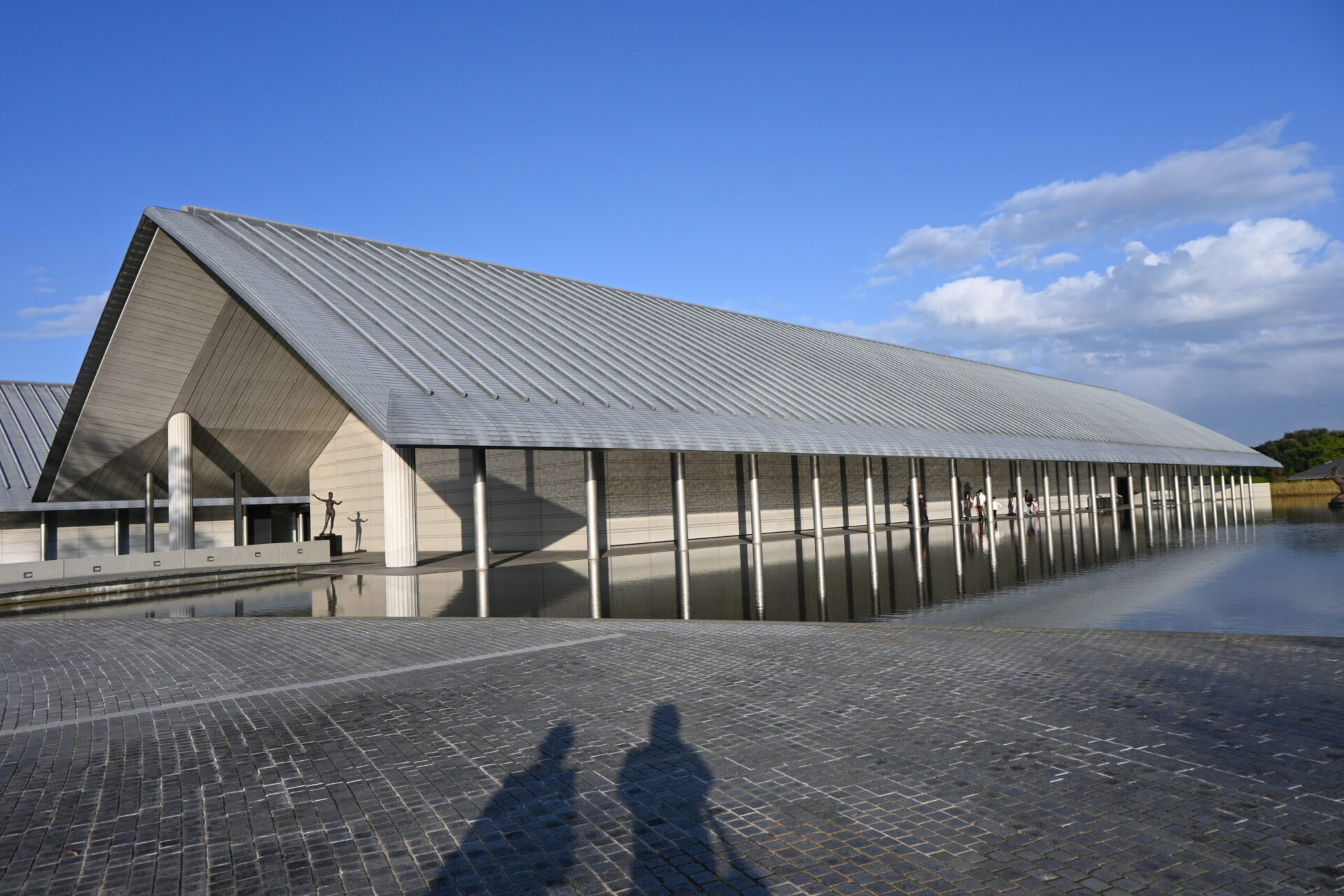
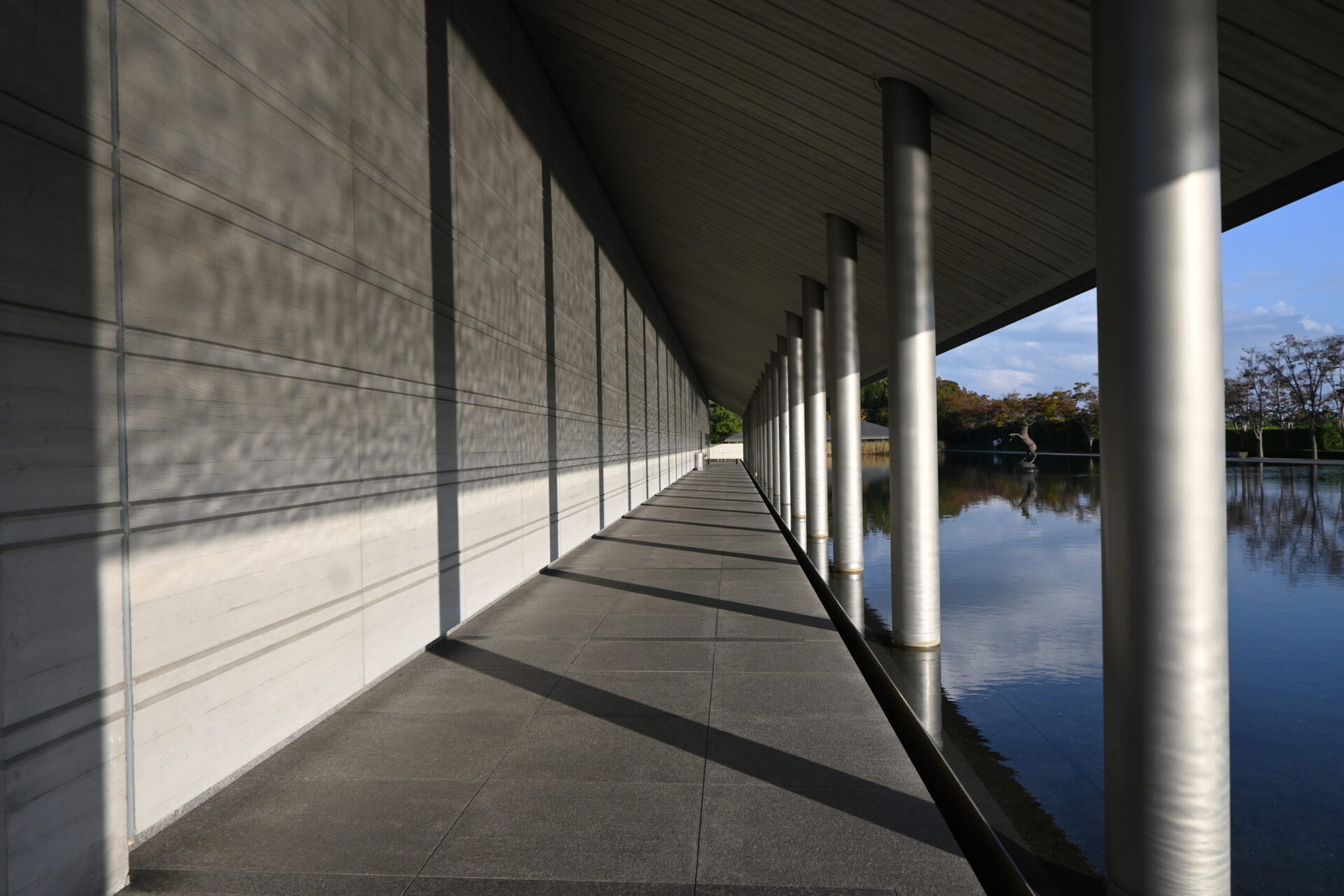
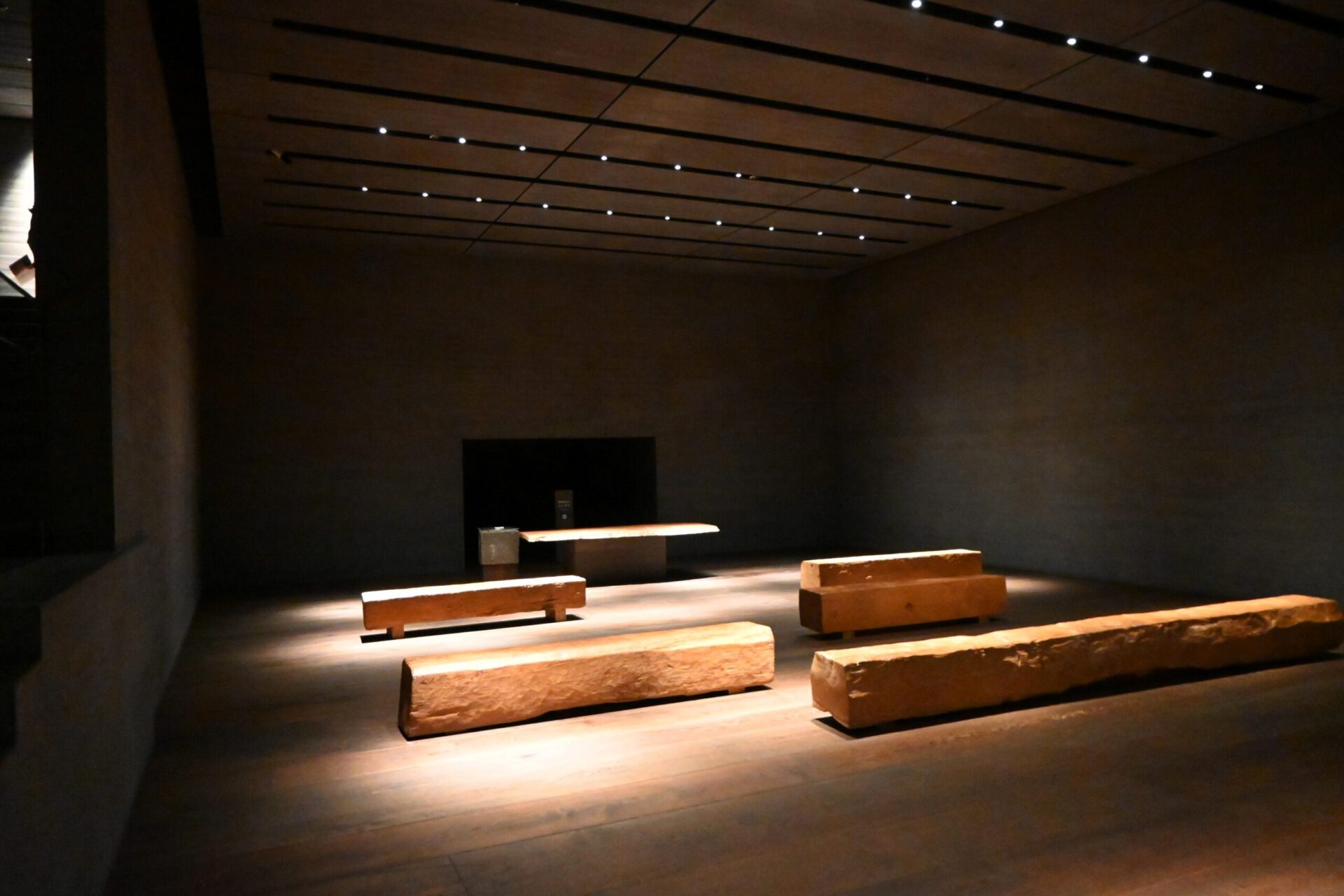
Opened in 1998, the Sagawa Art Museum stands in a beautiful setting on the banks of Lake Biwa. It houses the works of three major artists: Hirayama Ikuo (1930-2009), traditional Japanese style painter (nihonga) famous for his Silk Road landscapes inspired by the quest for peace and the introduction of Buddhism;Sato Churyo (1912-2011), sculptor who pursued human beauty captured in the moment of everyday life;and Raku Kichizaemon XV-Jikinyu (1949-), ceramist whose work expresses an aesthetic rooted in tradition while displaying a modern and unique sensitivity. If the museum’s collection is magnificent, its architecture is just as worth the detour. The three buildings appear to be floating on water, as most of the land is taken up by a large pond. It is often called “the museum on the water”.
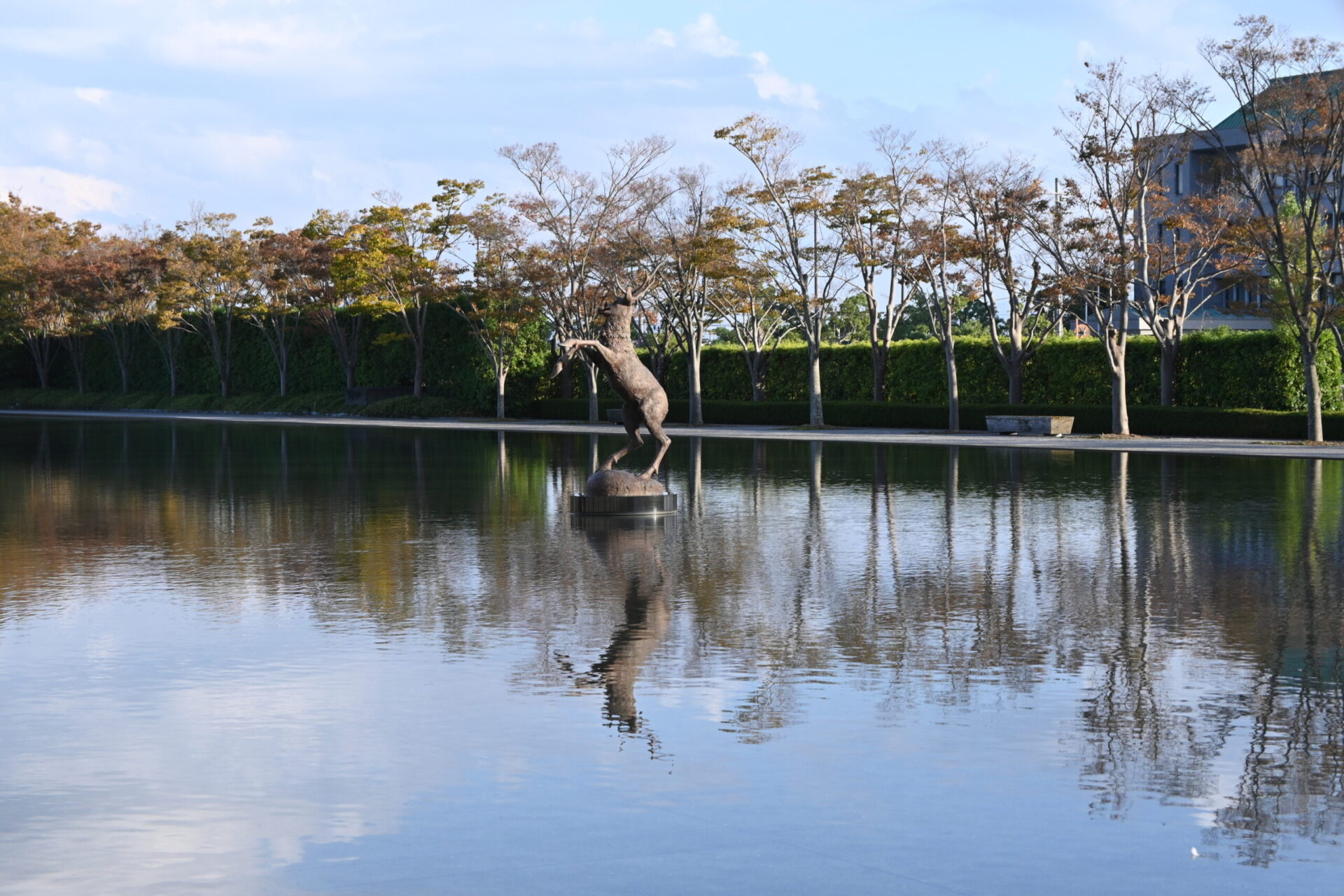
- The Sagawa Art Museum is about 15 minutes by taxi from Katata Station on the JR Kosei Line.
- It is closed until the end of June 2026 for renovation and maintenance work.