

Nara Park
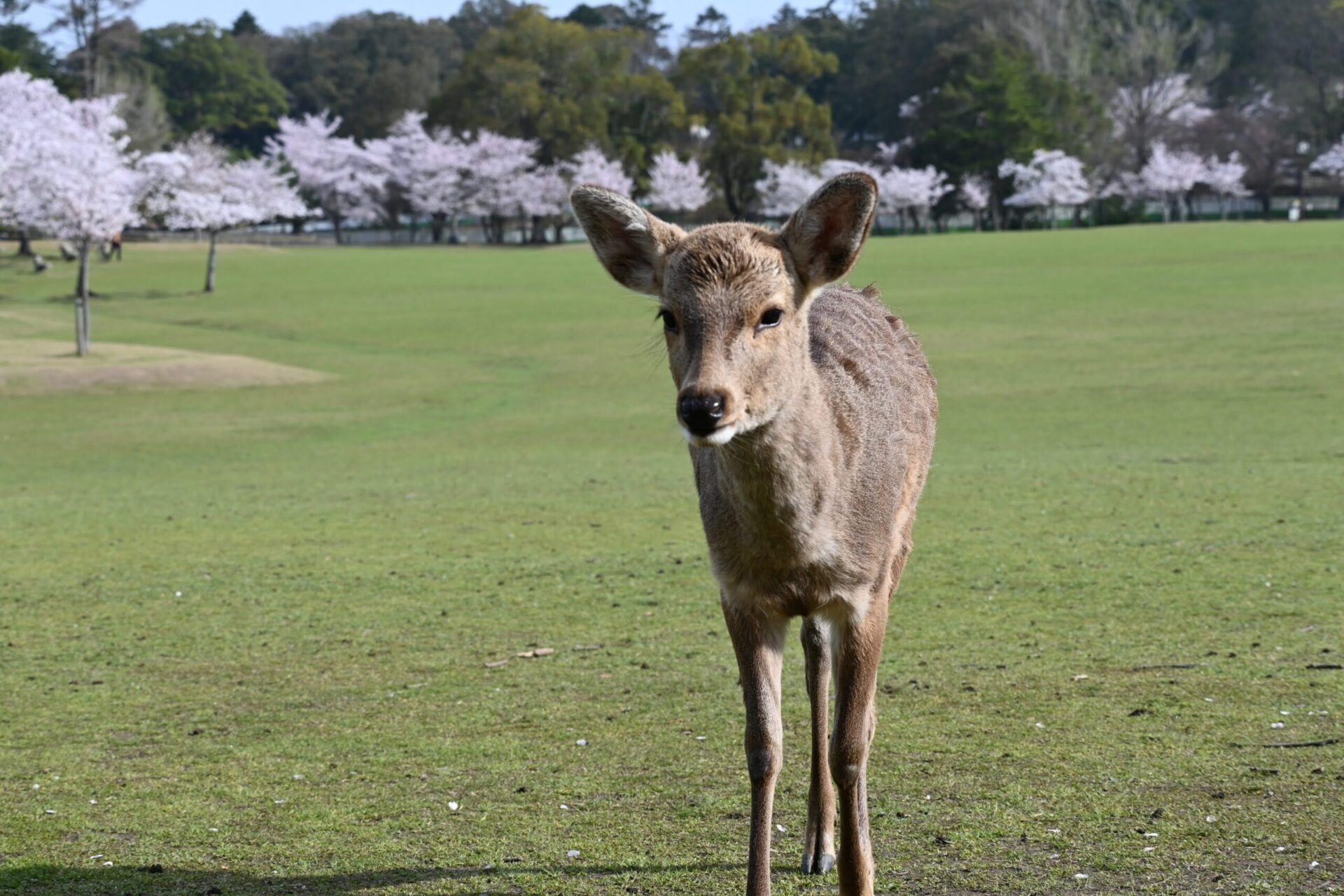
Nara Park is a huge park with an area of approximately 660 hectares, but it is not a simple park. The sight of deer as welcoming as the Japanese will surprise you. Long revered as the messengers of the Shinto gods, they wander freely at their own pace, grazing on the park’s lawn. You can have fun feeding them small pancakes sold in the stands in the park. But be careful. They are greedy and sometimes become aggressive. I will show you a tip to fully enjoy the wonderful encounter with the deer and will tell you anecdotes about them.
- In Nara Park, various festivals take place throughout the year. There are some that concern the deer such as the presentation of the babies in June, the cutting of the horns in October, the rounding up of the deer with the sound of horns to give them acorns in early spring, etc. This will be a good opportunity to deepen your knowledge about Nara deer.
- Map
Kofuku-ji Temple
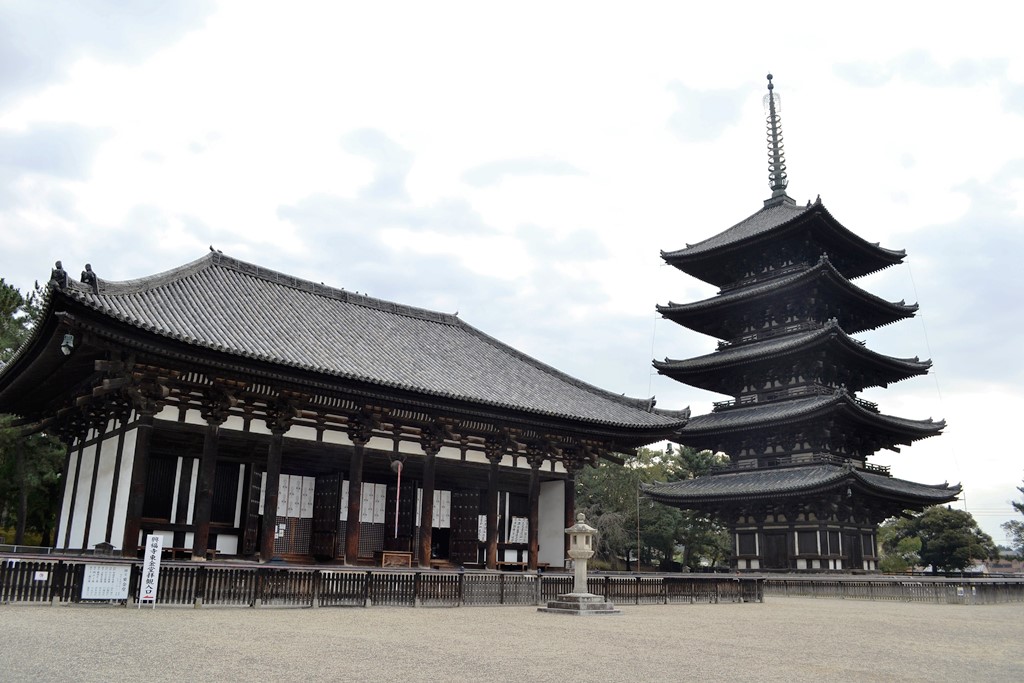
Unlike other temples, Kofuku-ji Temple does not have an entrance gate, “Mon”. If you walk from the station towards Nara Park, you will enter the grounds of this temple without realizing it.
With more than 1,300 years of history, Kofuku-ji is one of the great representative temples of Nara. In a word, this temple is an architectural masterpiece as well as a Japanese artistic treasure. The encounter with this masterpiece will make a lasting impression on you.
The five-story pagoda, symbol of Nara, is the second tallest pagoda in Japan (50 m). Despite several fires, it was rebuilt each time while retaining the original characteristic features of the 8th century. Also admire the fantastic view of the pagoda lit up at night.
The Tokon-do, large eastern pavilion is located next to the five-story pagoda. This building, whose tiled roof is slightly curved, has an original appearance from the 8th century despite repeated reconstruction work. Ancient and precious statues, starting with the Doctor Buddha, are venerated there.
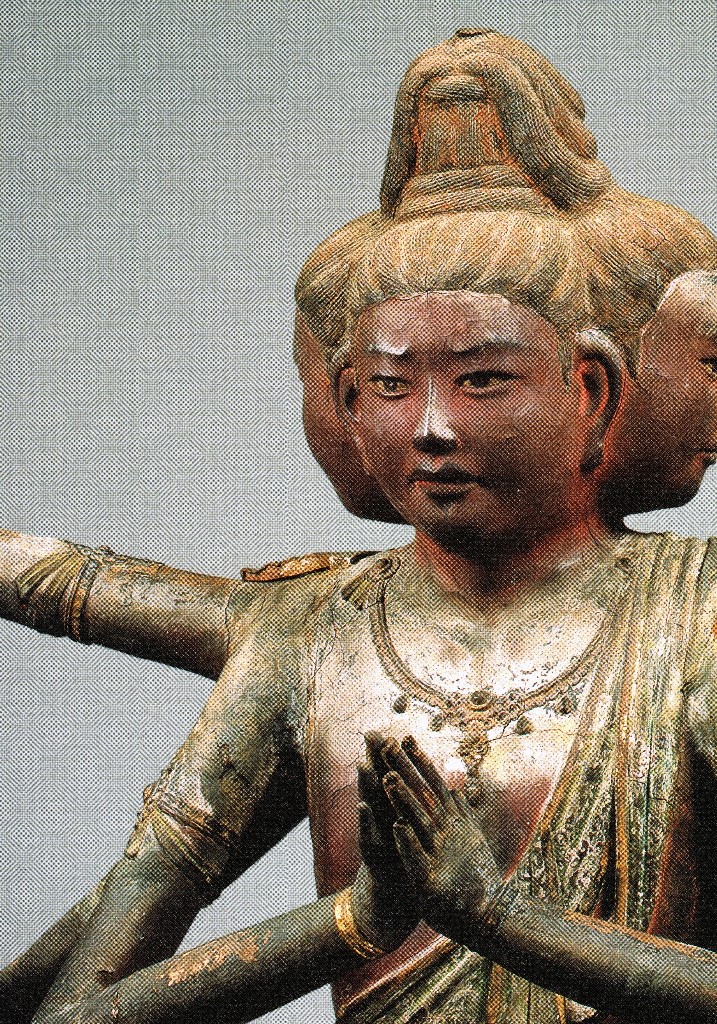
Kofuku-ji includes a treasure room within its grounds. It will be worth a visit if you have an interest in Buddhist culture. There you can admire the magnificent statues and objects from different eras that have survived the fire and destruction. Be sure to see the 8th century statue of Ashura, the star of this room, during your visit. Many Japanese women are captivated by his beautiful mask and his melancholic gaze. A little anecdote, women who are passionate about Buddha statues are called “butsuzo girls” in Japanese. The Ashura statue of Kofuku-ji is truly their idol.
- It’s free if you just walk around its grounds. When visiting the buildings below, an entry ticket is required.
- Tokon-do (large eastern pavilion) 500 yen
Kokuho-kan (treasure room) 900 yen
Chukon-do (large central pavilion) 500 yen
Combined ticket (Tokon-do+Kokuho-kan+Chukon-do) 1,600 yen - The five-story pagoda is currently being restored. The work is expected to be completed in 2031.
- Map
The Isui-en Garden
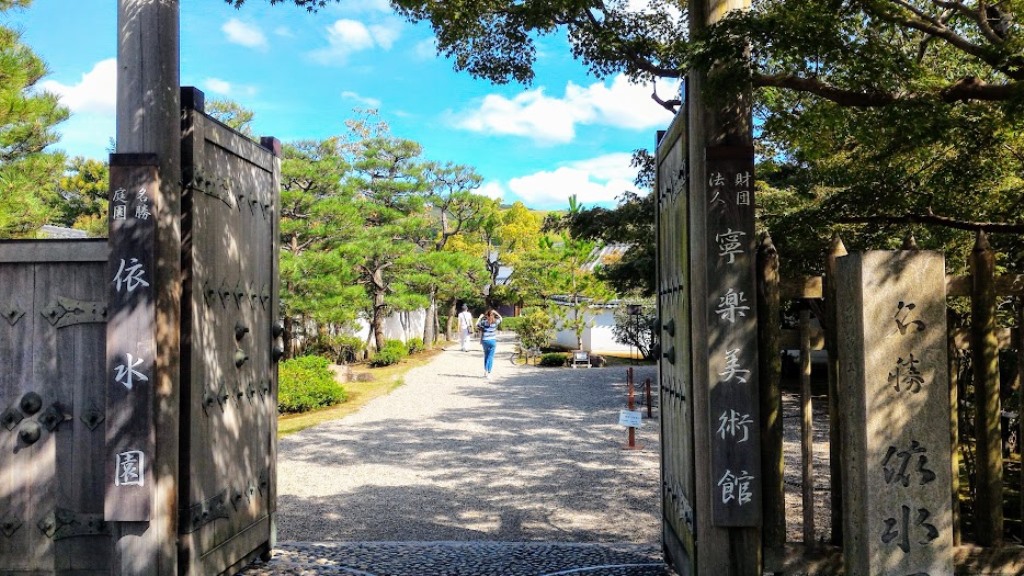
If you want to visit a Japanese garden in Nara, I advise you to go to Isui-en. The city of Nara certainly has many grandiose Buddhist buildings, but there are few strolling gardens unlike Kyoto. For what ? This is because when Nara was the capital of the country, monks conducted Buddhist ceremonies outdoors and so there was no space for gardens. In Isui-en, you can enjoy two types of gardens designed in different eras.
Here is the garden created in the last years of the 17th century. It is so peaceful that you can hear the rustling of the waterways. The beauty of nature is very present in this space separated from its surroundings.
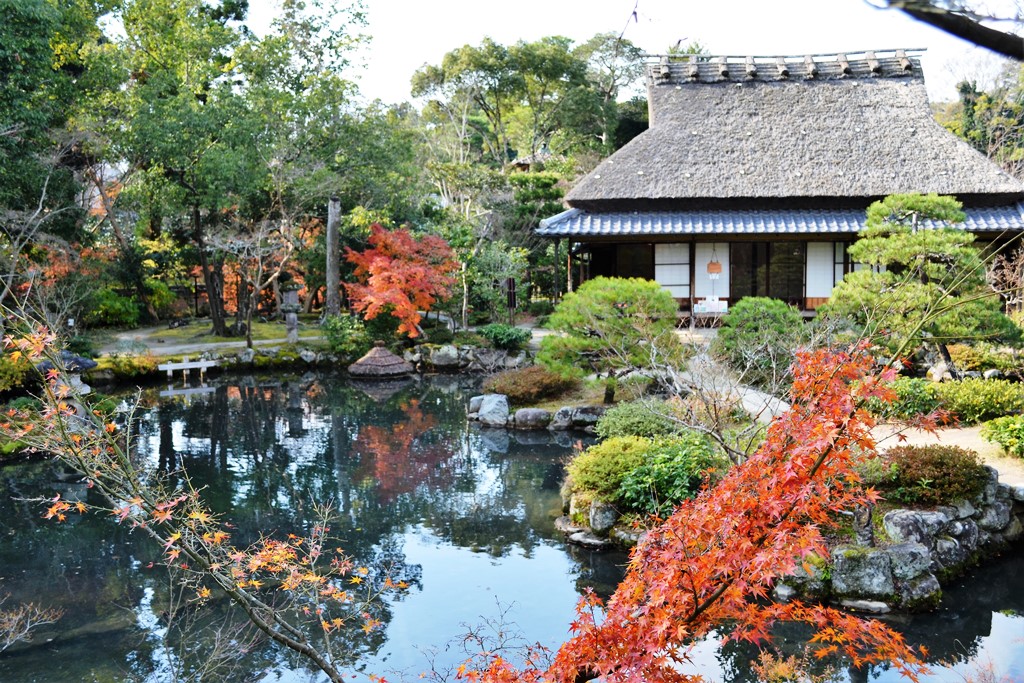
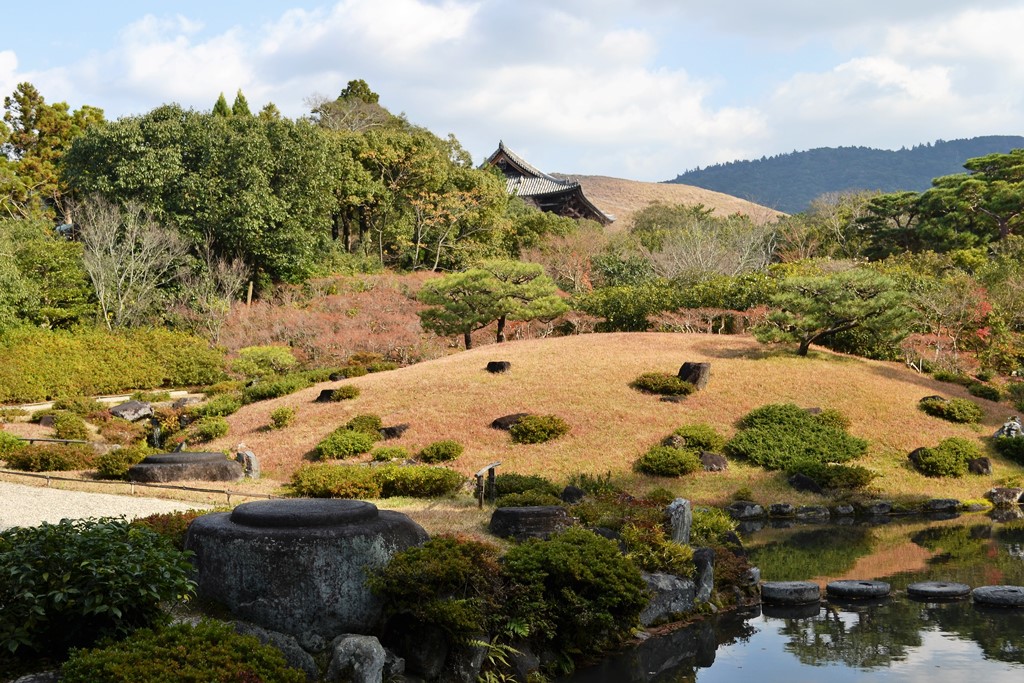
As you pass through a narrow cobblestone path between the two tea rooms, a vast view will suddenly open up. It is the second garden created at the beginning of the 20th century. In contrast to the first garden, the second uses the surrounding landscape as a background in its composition. What if we went for a walk there along the pond? At each point, you will be able to observe the garden from another angle.
- The entrance ticket price to Isui-en Garden is 1,200 yen.
- The same ticket allows you to also visit the garden museum.
- Map
Yoshiki-en Garden
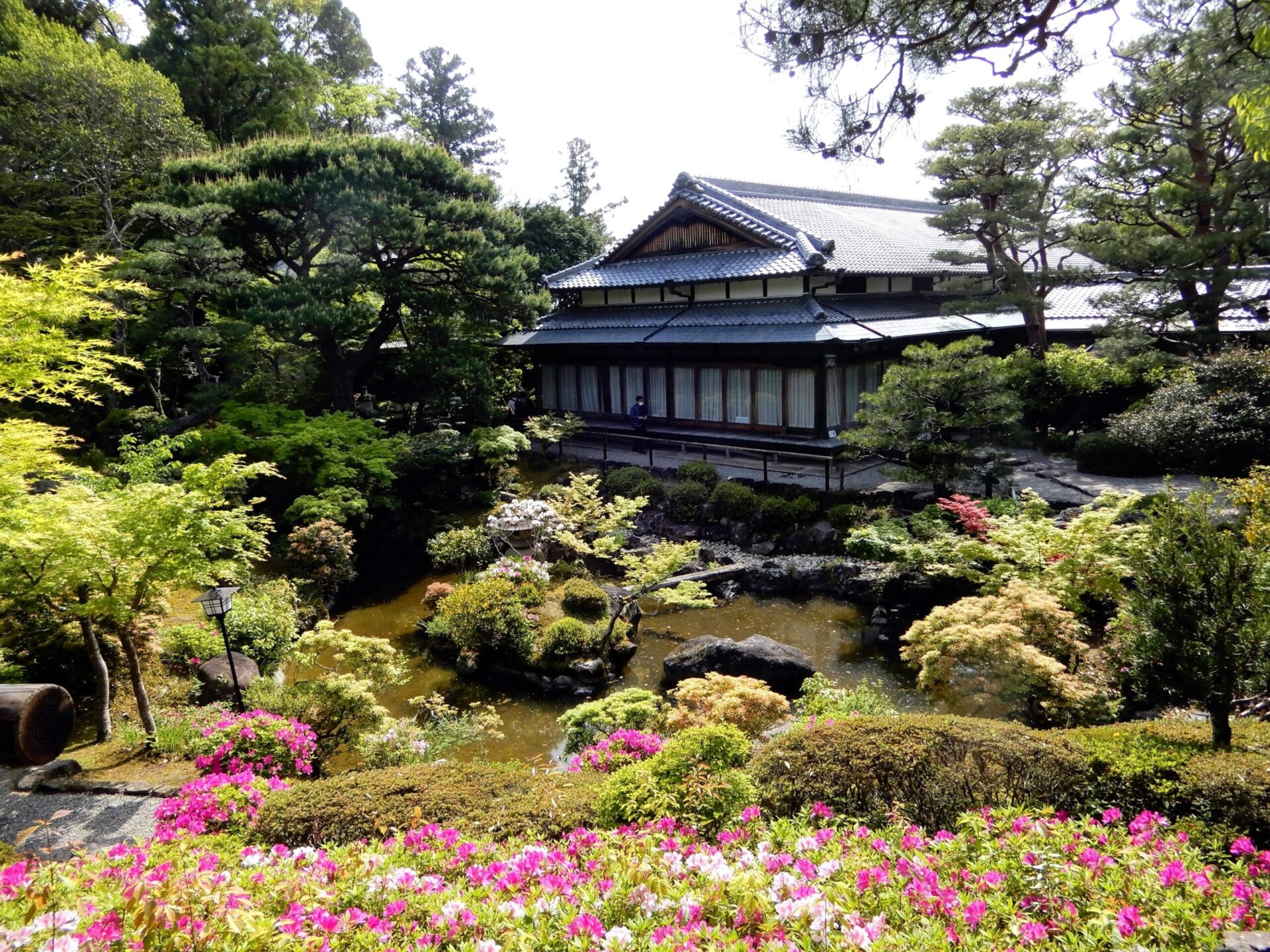
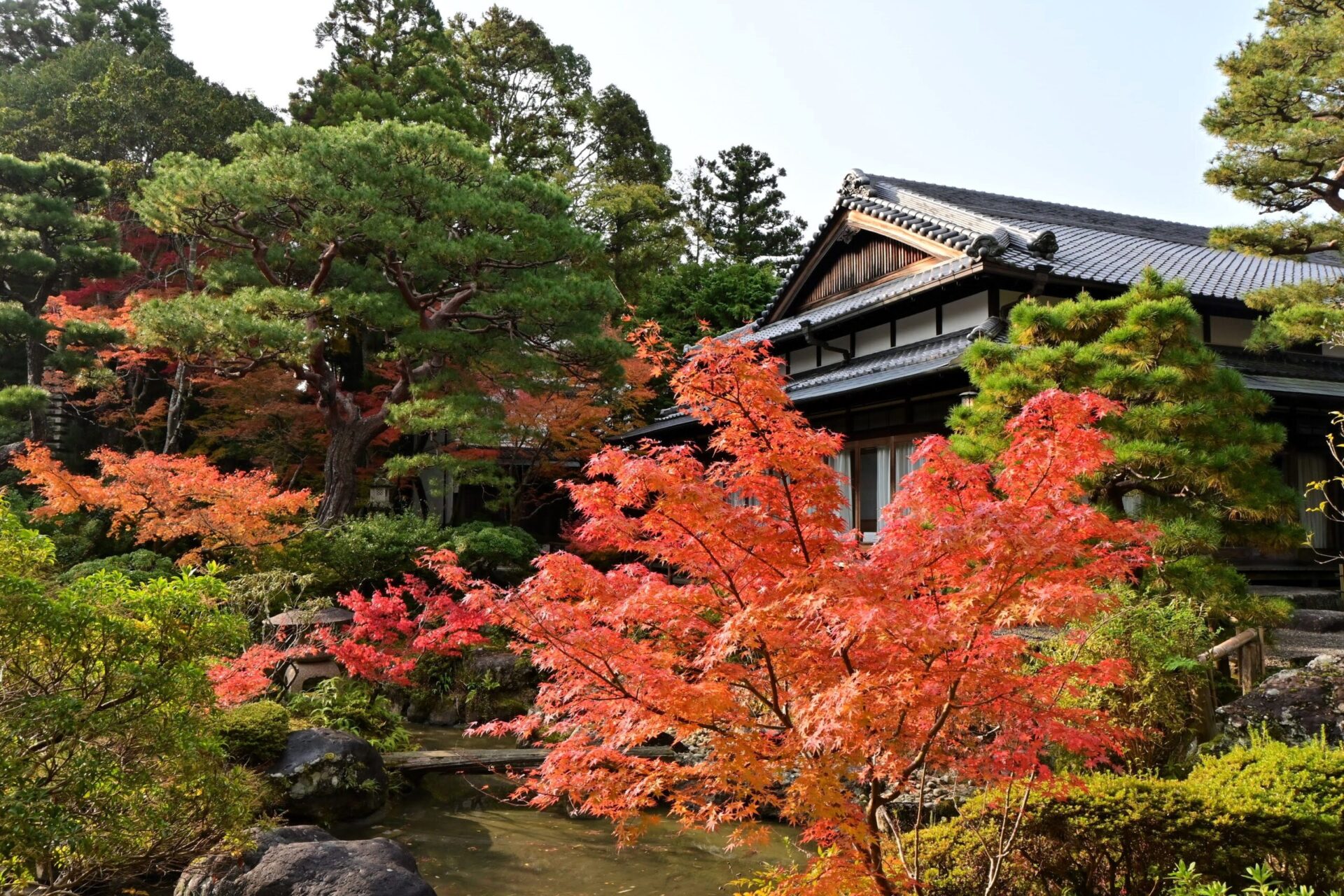
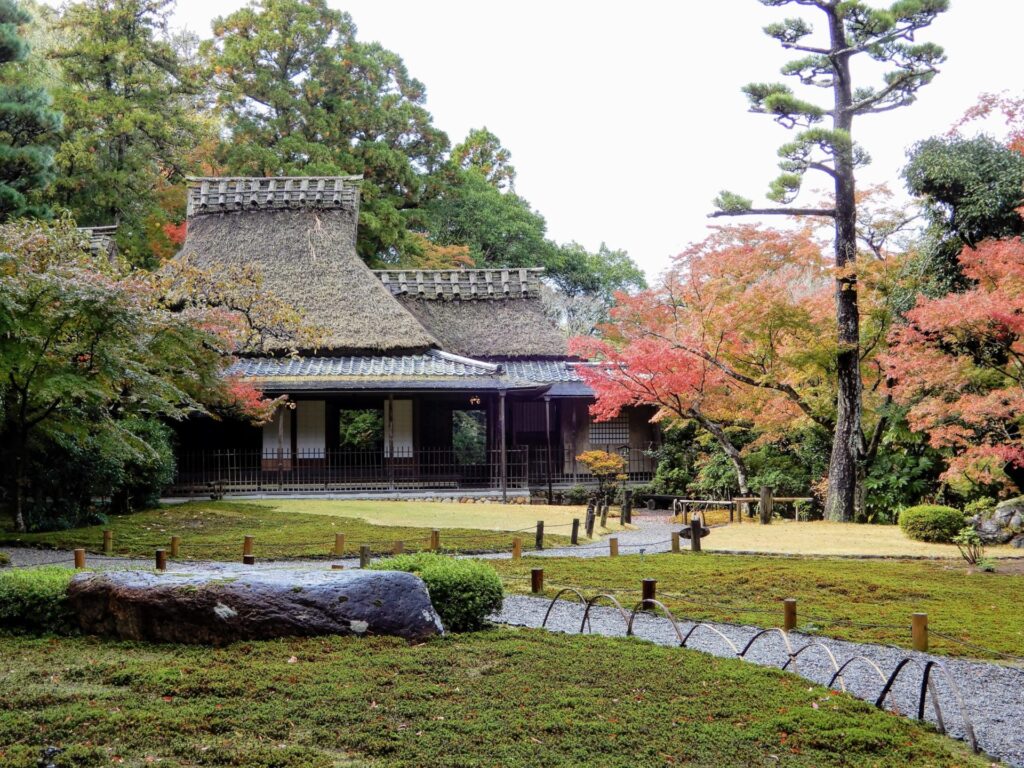
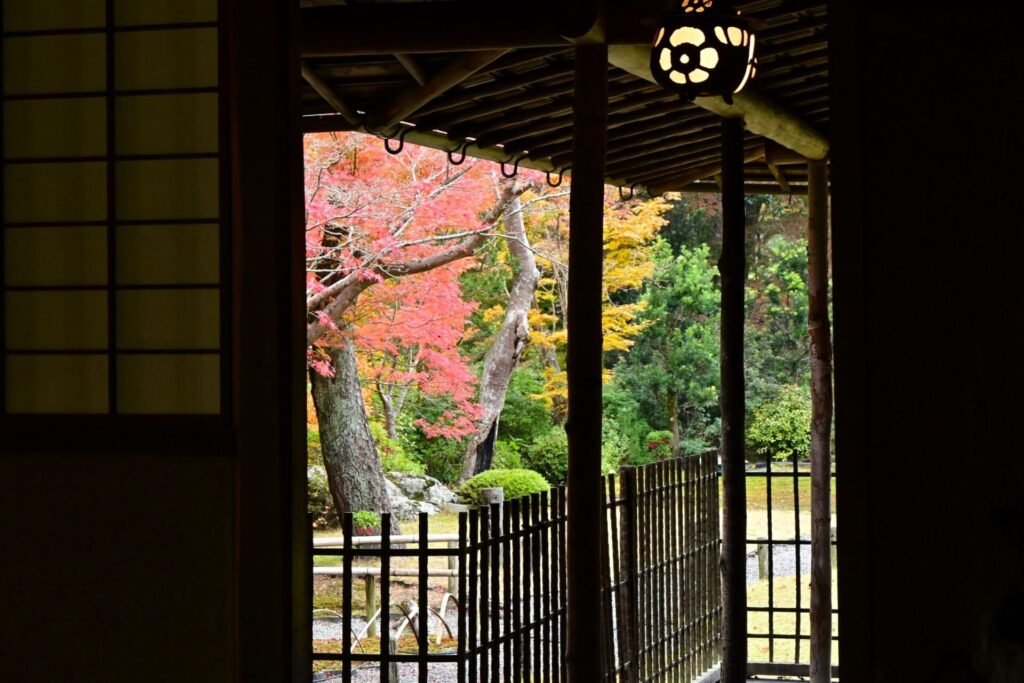
Yoshiki-en located next to Isui-en is equally wonderful. A branch temple of Kofuku-ji Temple was originally located on this site. The current garden and buildings date back to the beginning of the 20th century. We discover three different atmospheres there: the garden around a water feature, that of moss and that of flowers for the tea ceremony. In the garden laid out around a pond, the terrain’s topography, dating back to the Edo period, is highlighted. Sitting on the veranda, one could never tire of contemplating this garden.
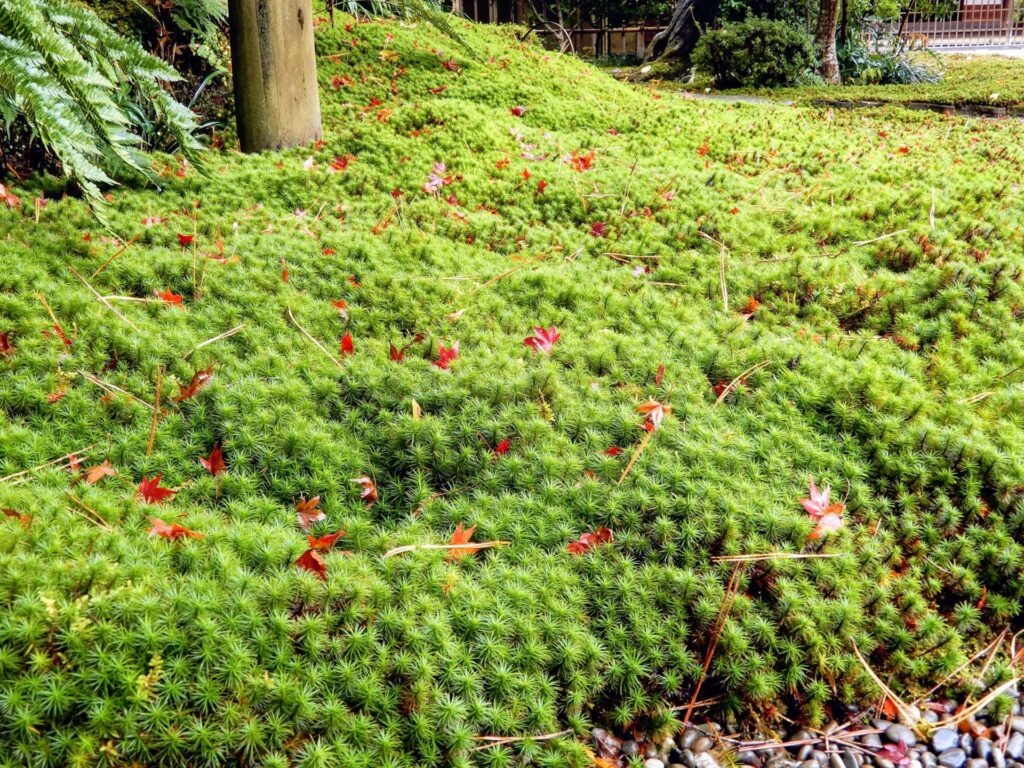
The moss garden spreads out in front of a thatched tea pavilion. In autumn, the contrast of the red colors of the maples with the green colors of the moss is impressive.
- Entrance to the garden is free.
Todai-ji Temple
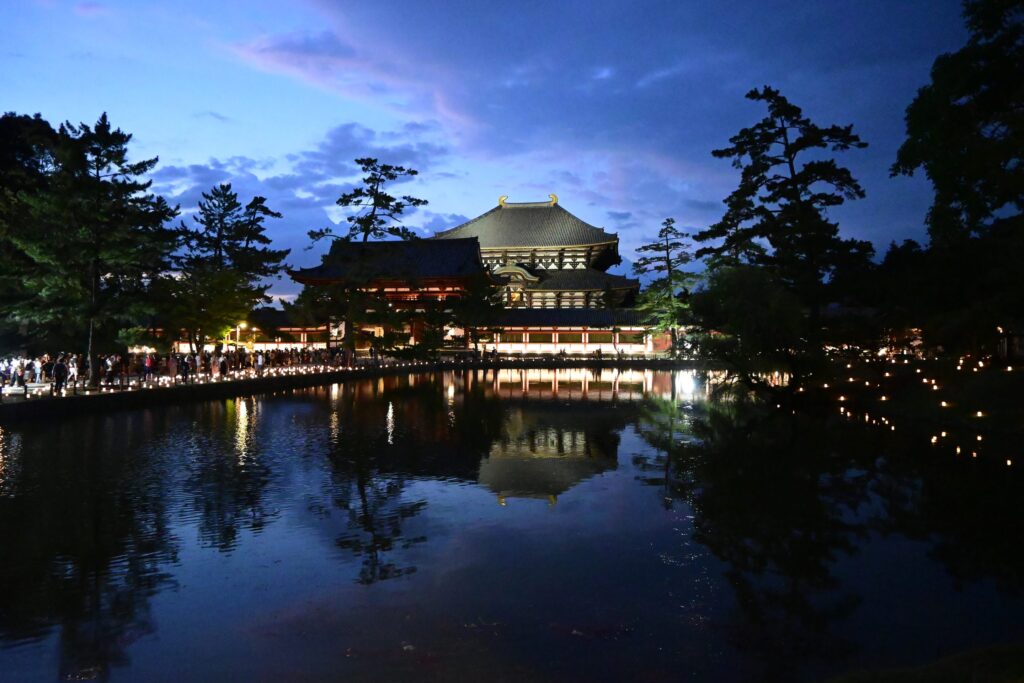
The Todai-ji temple erected in the middle of the 8th century by the order of an emperor represents Nara as much as the Kofuku-ji temple. This is where the famous Great Buddha is worshipped, but its appeal is not limited to this giant statue. Don’t just enjoy it. Take your time to take a walk around its vast grounds and savor its imposing ambiance and long history. Todai-ji is full of things to see. It will surely impress you.
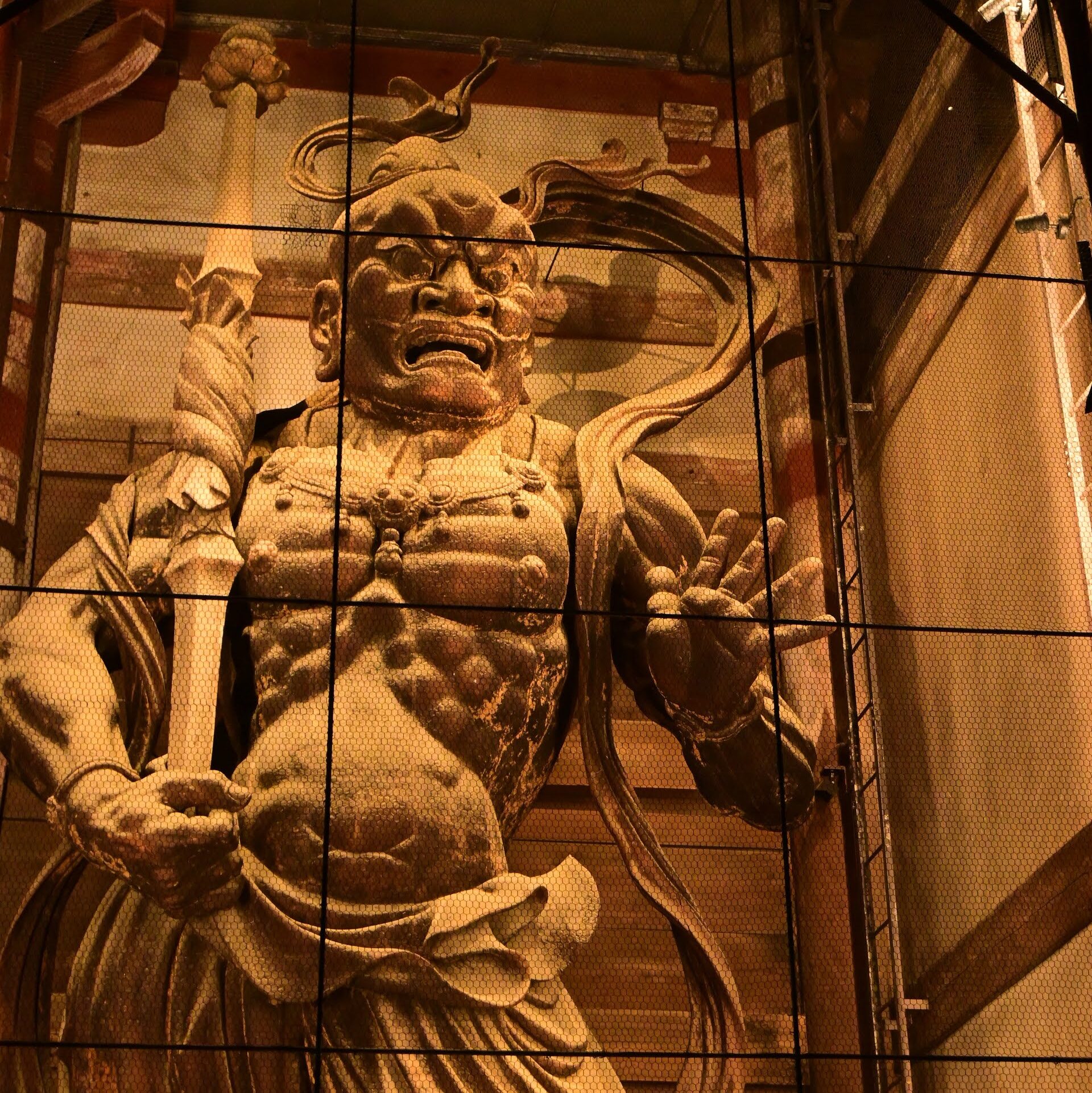
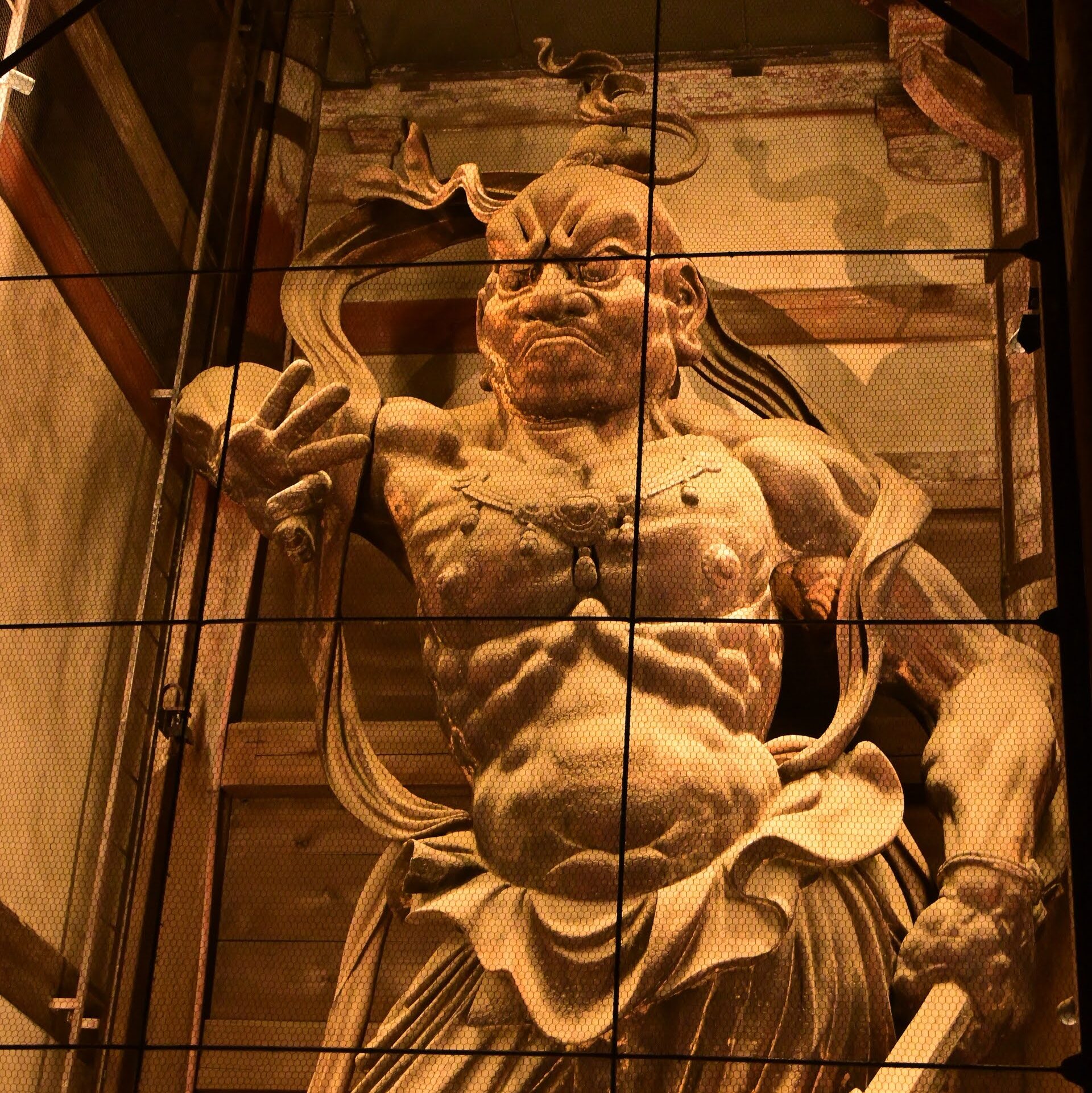
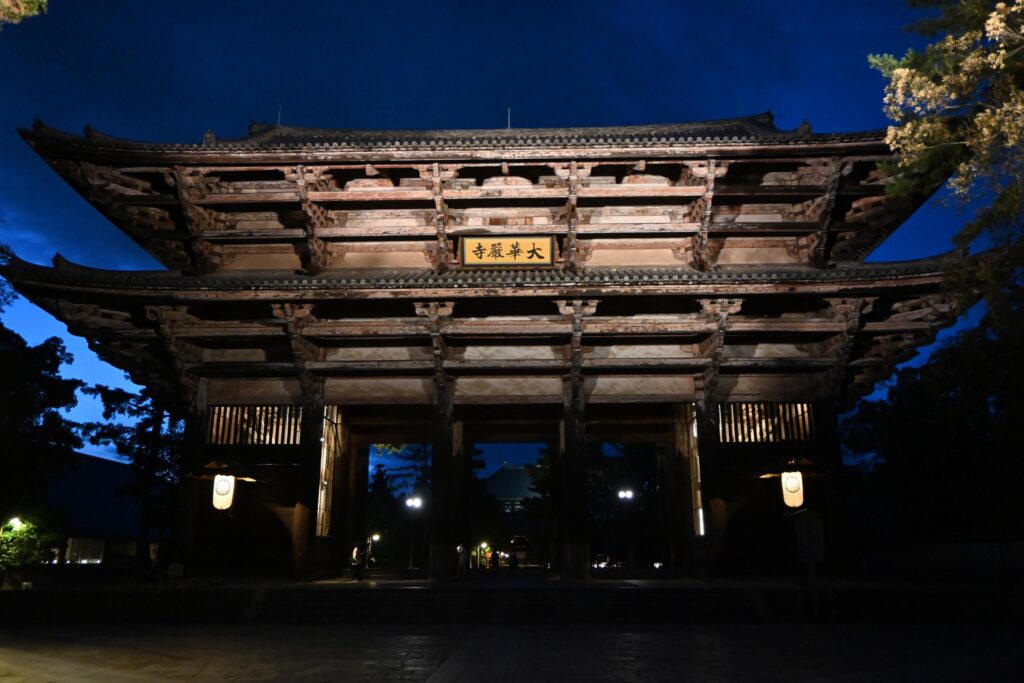
You will first pass under this large southern gate to enter its enclosure. Two wooden statues more than 8 meters high, the Ni-oh guardians, are enclosed there. These guardians are very muscular and you will have the impression that their blood vessels are protruding. They look similar at first glance, but notice their mouths. Can you find the difference between the statue on the right and the statue on the left?
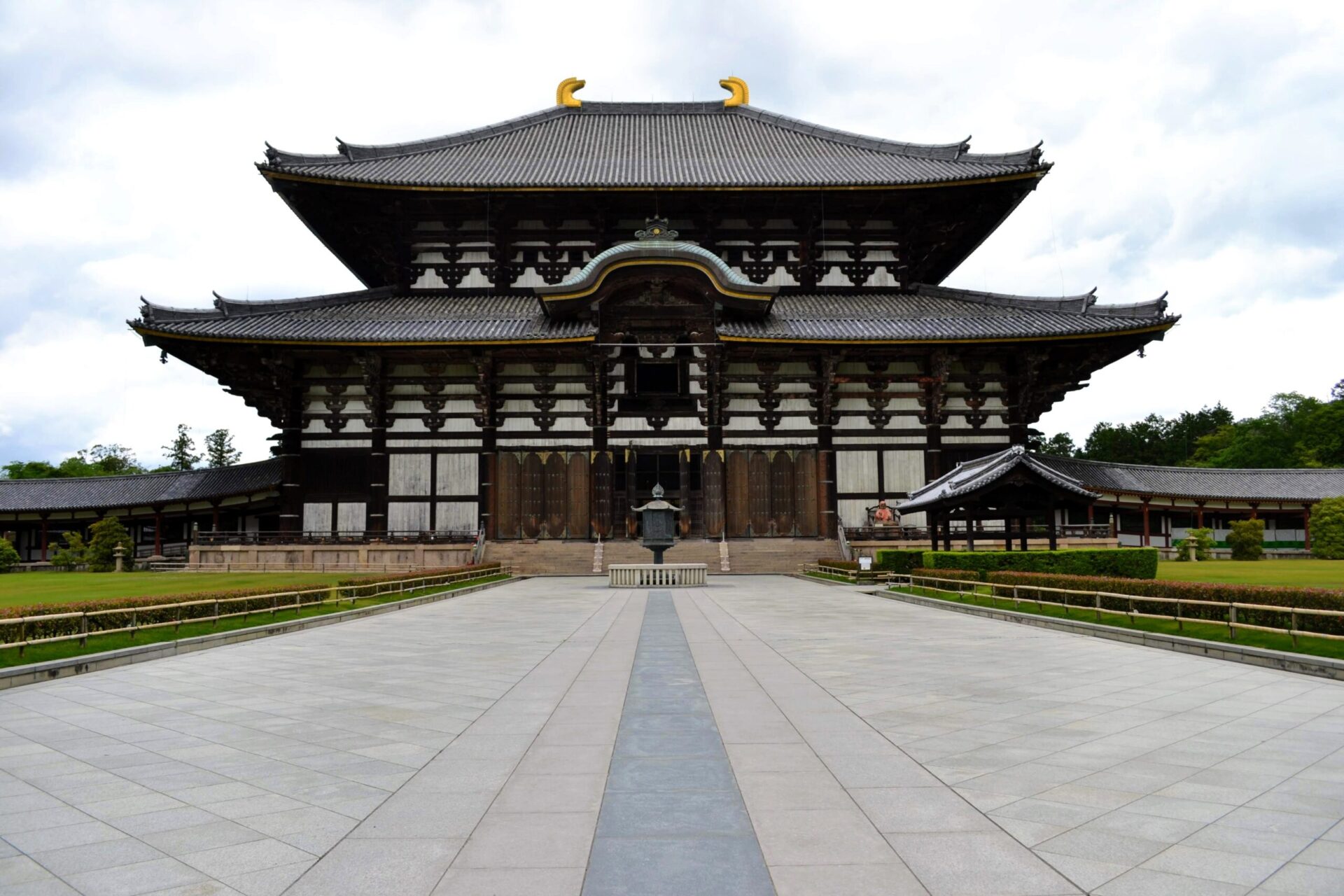
This is the Buddha Hall where the big Buddha welcomes visitors. Its facade was reduced to two-thirds of the original during reconstruction work in the 18th century. But the fact remains that it is the most gigantic wooden building in the world. Inside, the big Buddha and other statues are of course notable, but be sure to also see a hole in one of the pillars. What is this hole for? What do we do with this hole?
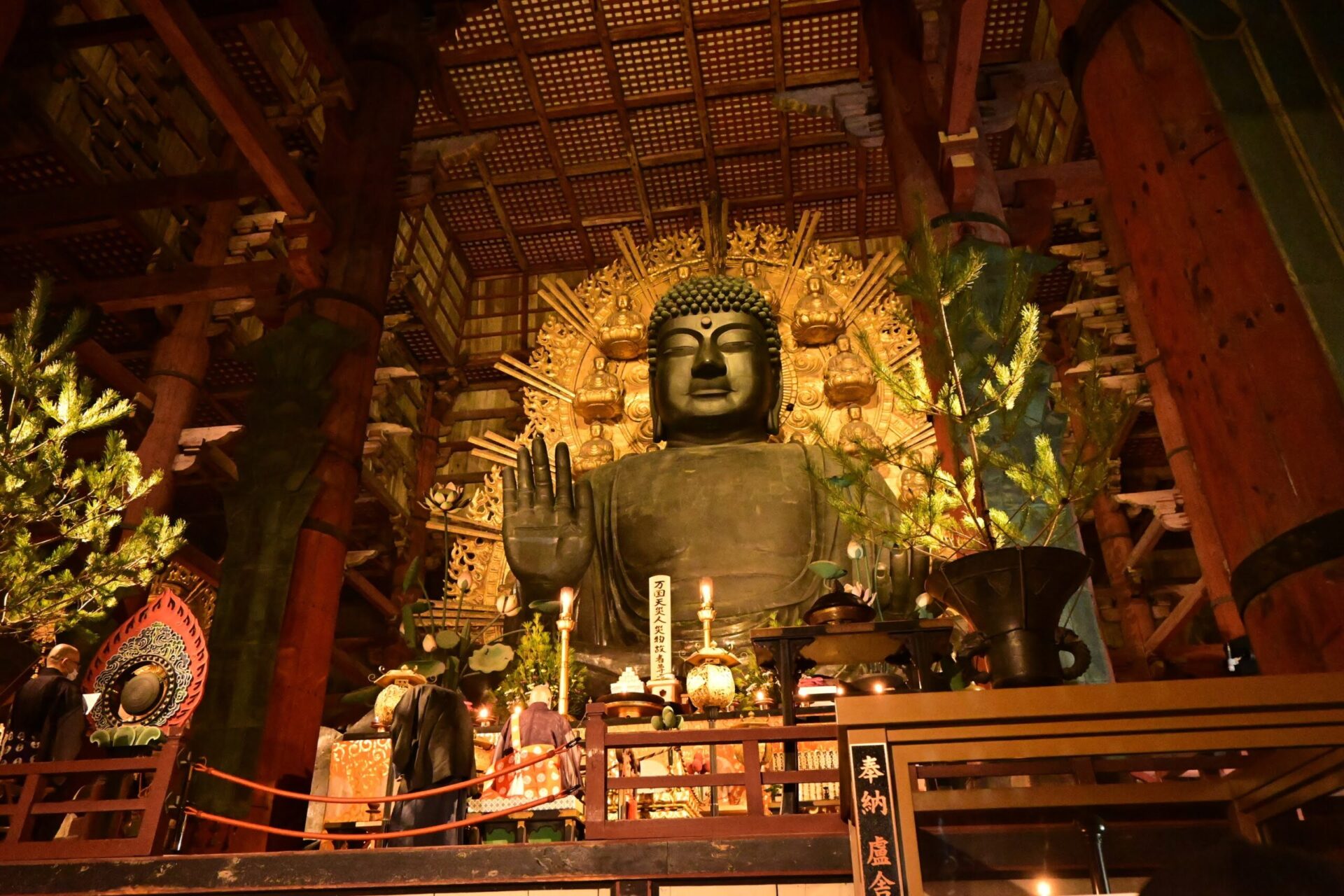
As soon as you enter the room, look down at this large bronze statue (15 m, 250 t). Its imposing appearance will impress you greatly. It was carried out by approximately 2,600,000 workers, almost half of the population at that time. It is said that more than 450 billion yen was spent on this work. With this amount, we could build 7 Tokyo Sky Trees at once. Why did we want to make this giant statue of the Buddha with this enormous sum? How was this large-scale work carried out?
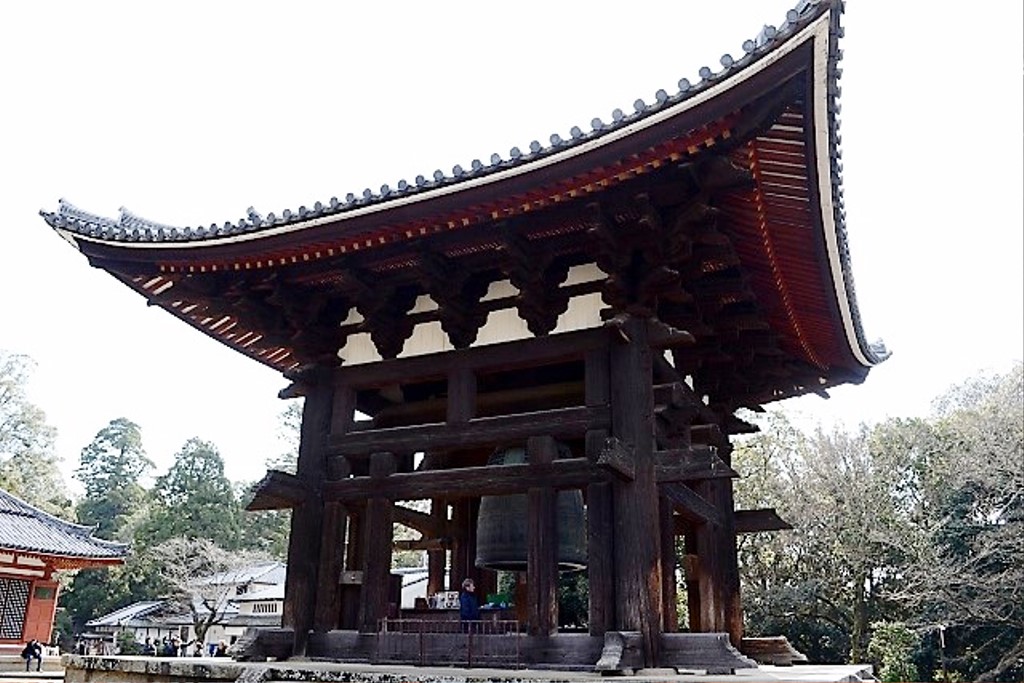
Can you find this gigantic bell which weighs 26 tonnes in the enclosure? It hangs from the belfry. It is called “Nara-Taro”. “Taro” is the most common male name in the past in Japan. It is possible to see it from below, but be careful! She has already fallen 5 times in the past. God knows when it will fall next.
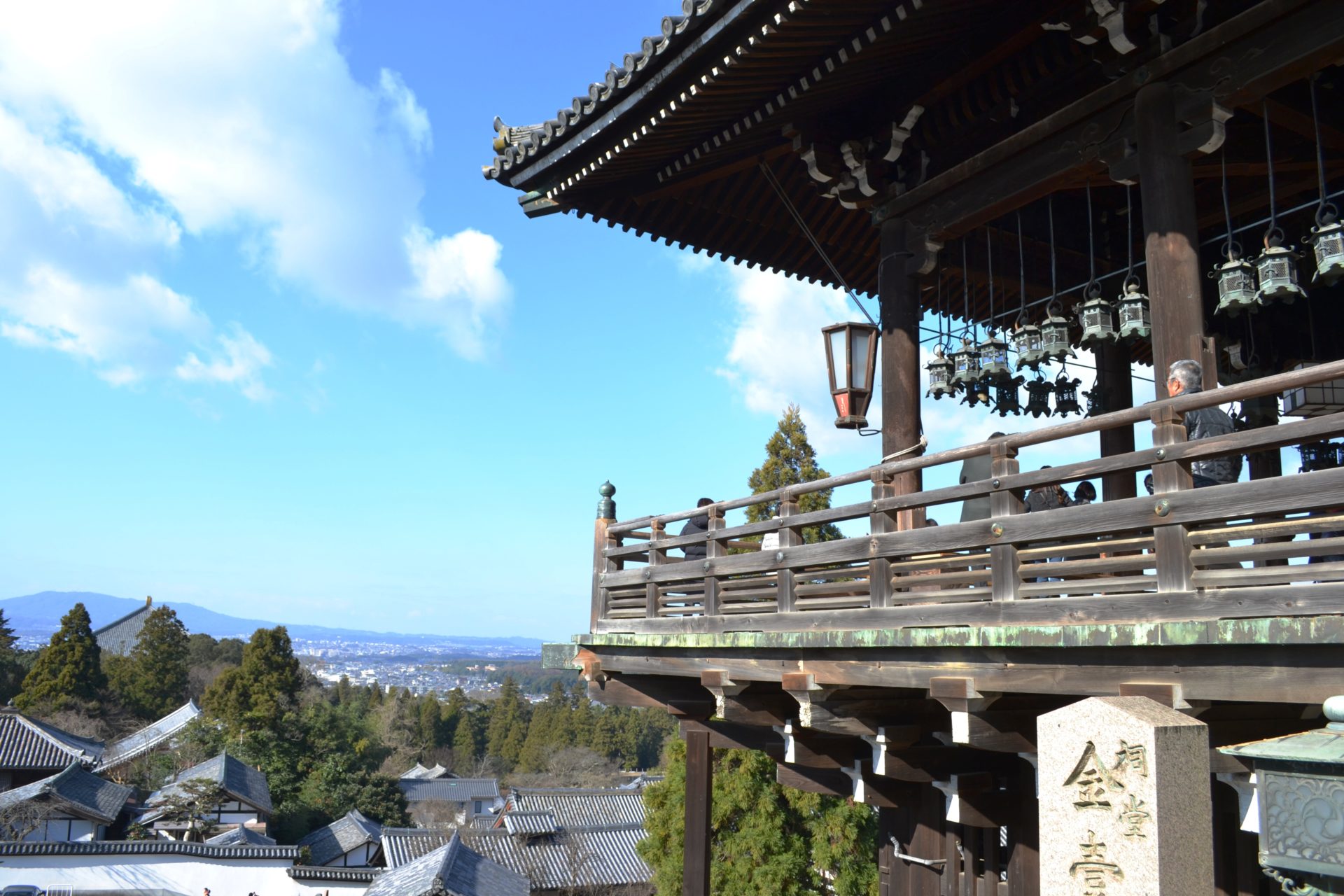
When you get tired of walking around the immense grounds of Todai-ji, how about taking a break in this building on stilts, Nigatsu-do? It is less than 10 minutes’ walk from the Buddha Hall. From its terrace, you will enjoy a beautiful view of Nara. I will tell you about the Buddhist ceremony that has taken place there in March for more than 1,200 years. The building where the torch flames are thrown is truly magnificent. But don’t you find it strange that this wooden building doesn’t burn?
Nigatsu-do Pavilion is open 24 hours a day. Hanging lanterns are lit at night and give you a fantastic view.
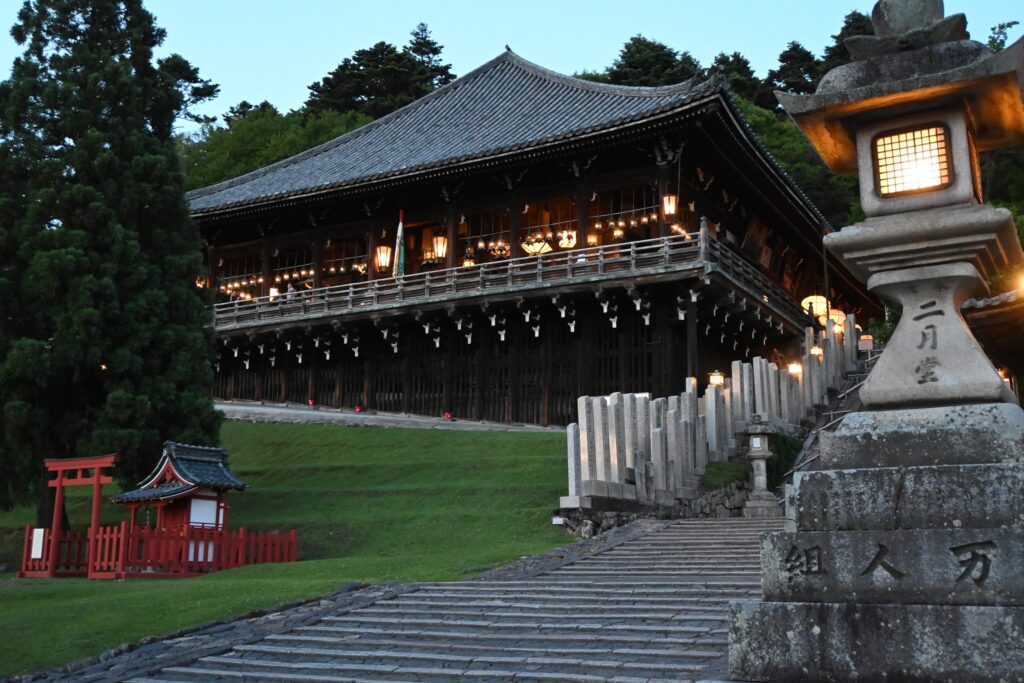
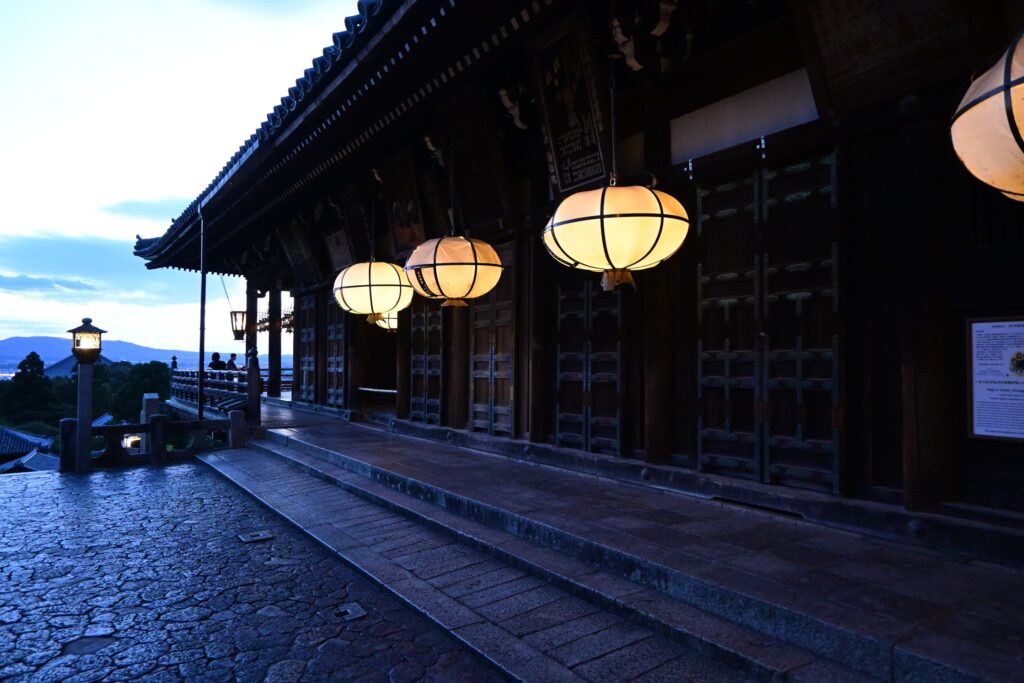
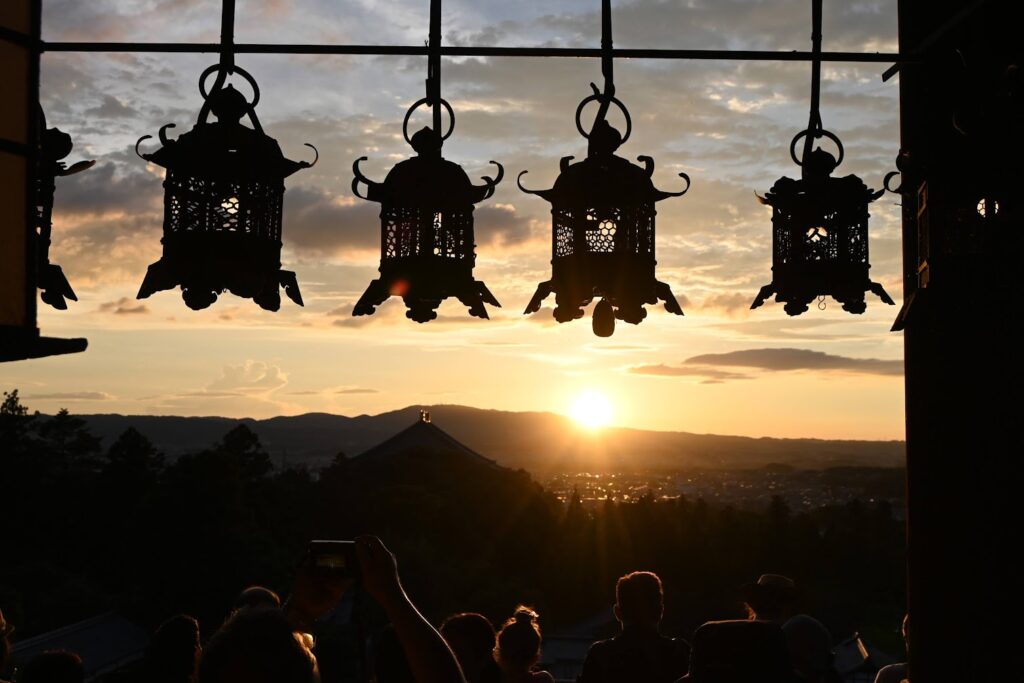
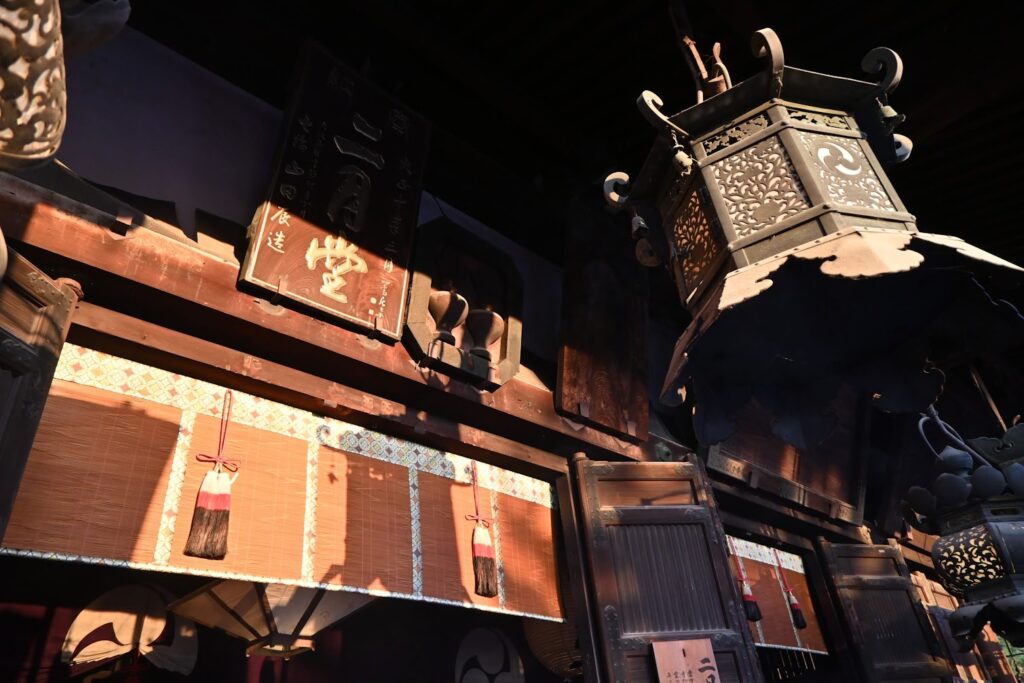
These are my favorite places, the path leading to Nigatsu-do which is behind the Buddha hall and the “cat steps” where you will become a cat if you trip according to an anecdote.
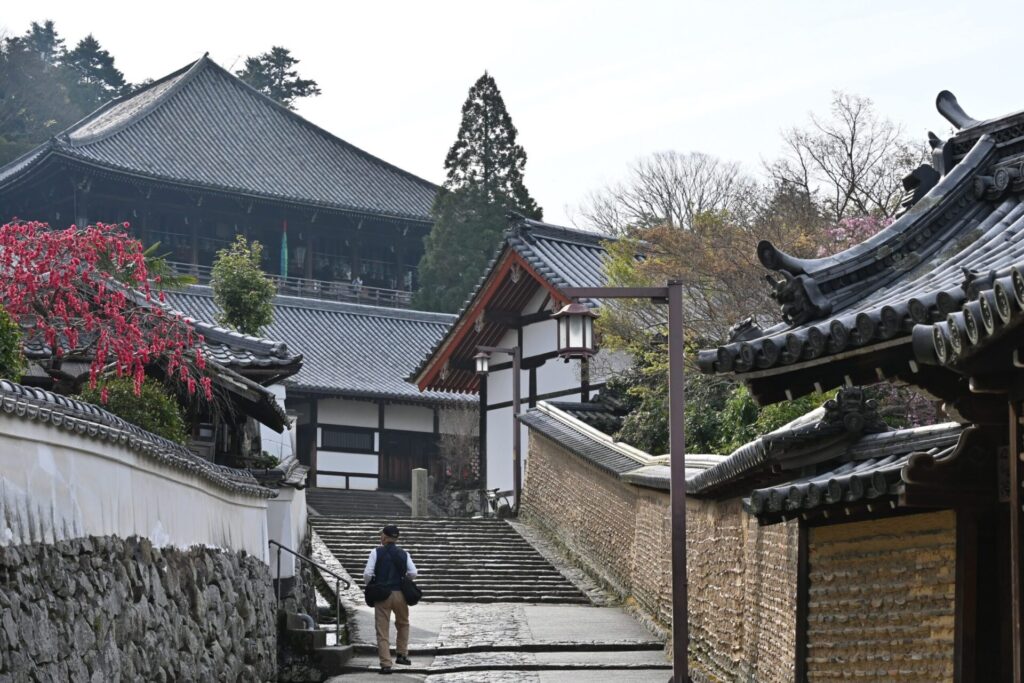
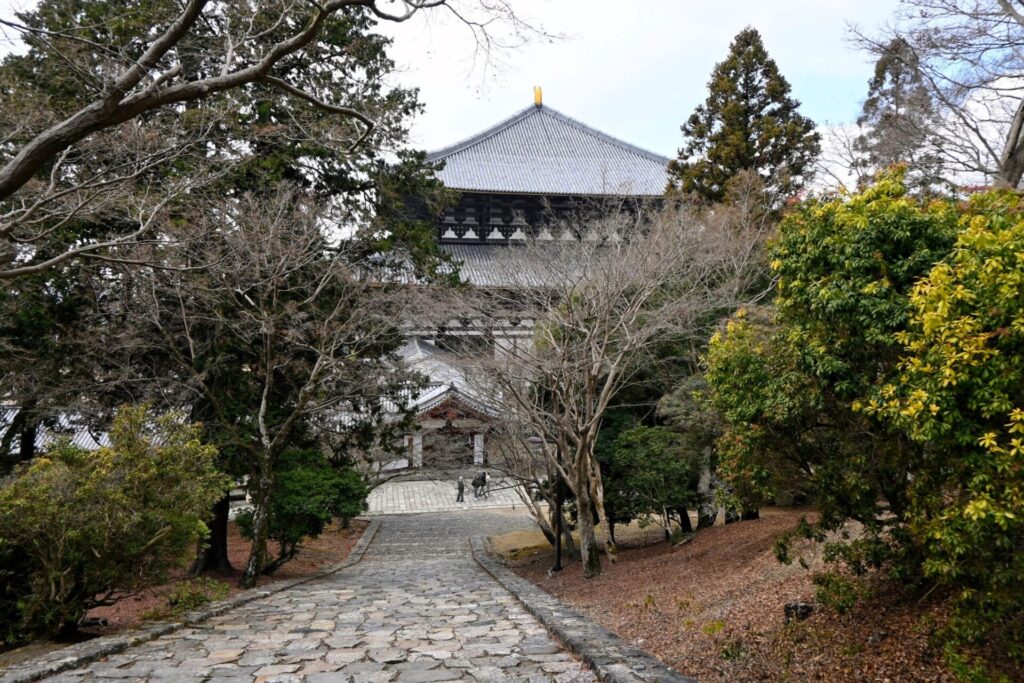
- The entrance ticket price to the Buddha Hall of Todai-ji Temple is 800 yen.
- It’s free if you just walk around its grounds.
- There is also a museum. The combined ticket price is 1,200 yen.
- Map
Wakakusa Hill
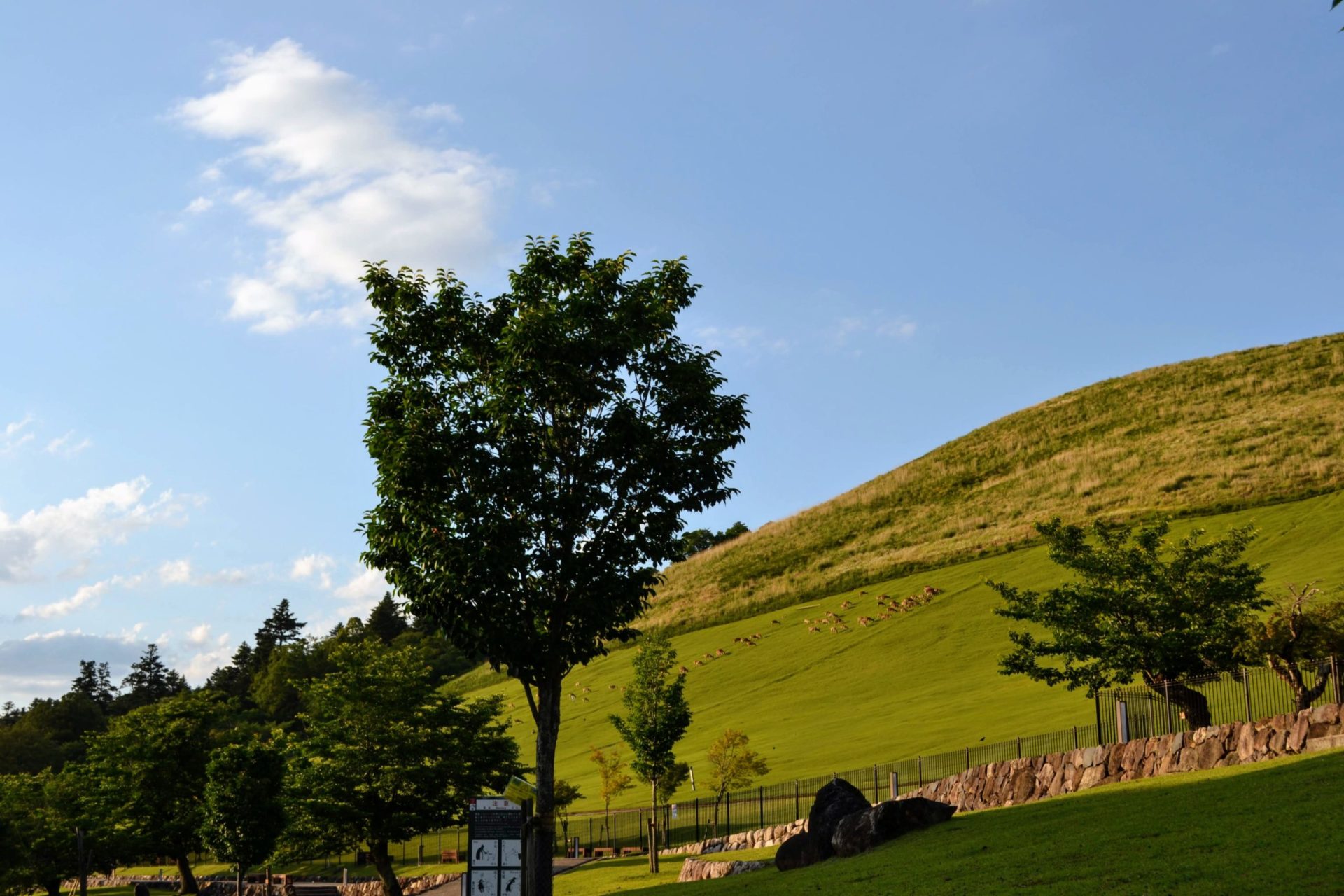
On this gently sloping hill located east of Nara Park, the fire festival is held in January. A somewhat unusual game similar to Frisbee is held 4 times a year on the side of the hill. We throw large special cakes for the deer and we compete for distance. Would you like to participate?
The Kasuga Taisha Shinto Shrine
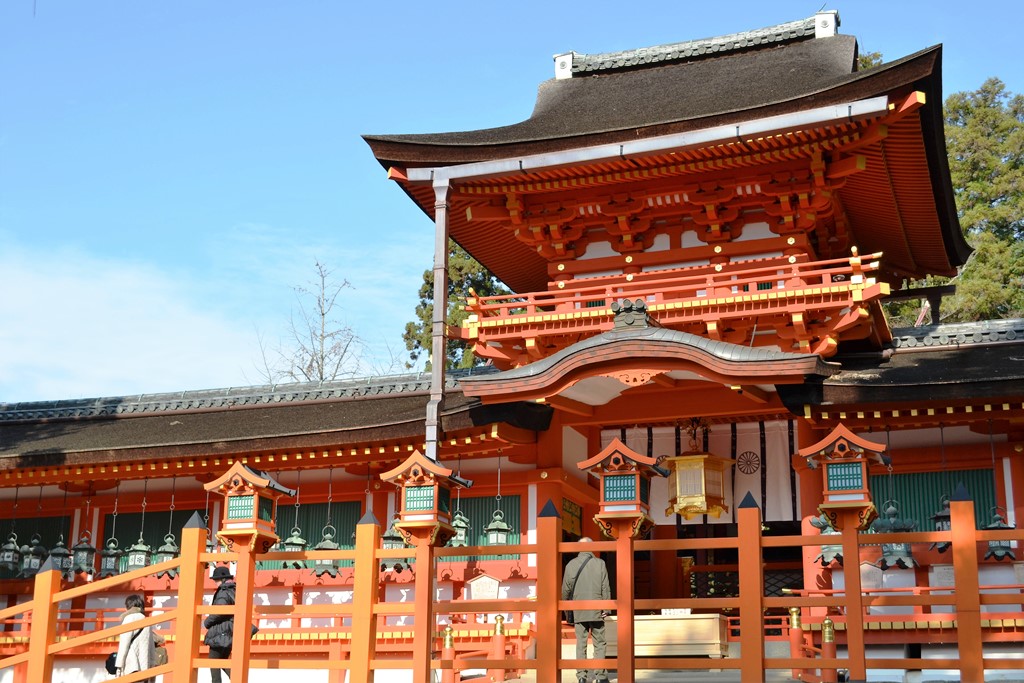
Kasuga Taisha, located at the foot of the sacred mountain, is a representative Shinto shrine of Nara whose origin dates back to the 8th century. The beauty woven by the harmony of its vermilion buildings and the rich surrounding greenery will be impressive. At Shinto shrines, various animals work as divine messengers. In Kasuga Taisha, it is the deer that serves as the divine messenger. This is why the deer is protected and revered in Nara. There are various deer-patterned items at Kasuga Taisha. It will be interesting to look for it.
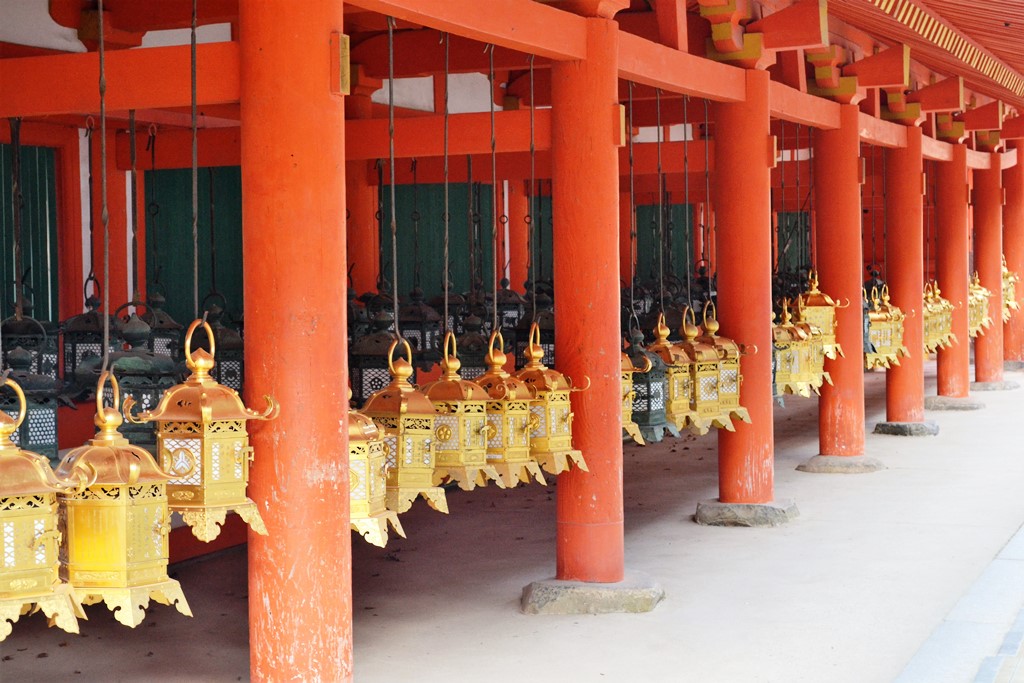
You may have the impression that Shinto shrines are all the same. There is the portico called torii at the entrance, the vermilion building for venerating the Shinto gods, the oratory for praying, etc. What is remarkable at Kasuga Taisha is the considerable number of lanterns donated by the faithful. There are more than 3,000! Stone lanterns covered in moss are lined up along its access route. The one you will notice next in its enclosure is made of bronze. The sight of these lanterns will allow you to understand the deep esteem and respect that the Japanese have held for Kasuga Taisha since ancient times.
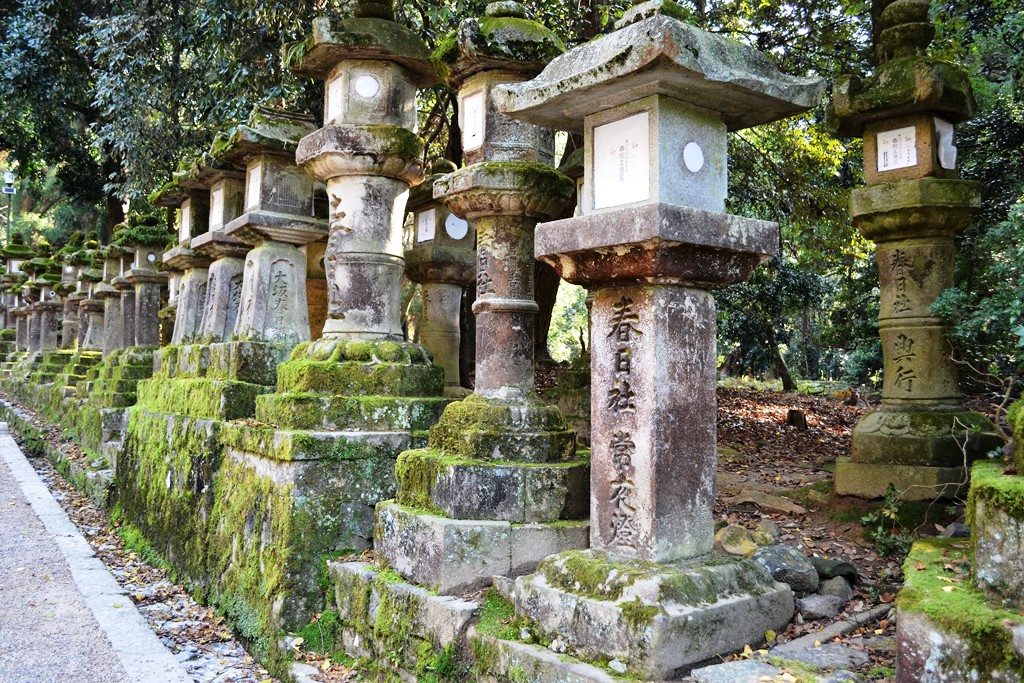
- The price of the special tour of the main shrine is 700 yen. Visiting Kokuho-den (Kasuga Taisha Museum) also costs 700 yen.
- It’s free if you just walk around its grounds. In May, you can admire the purple wisteria in flower.
- Map
The Takabatake District
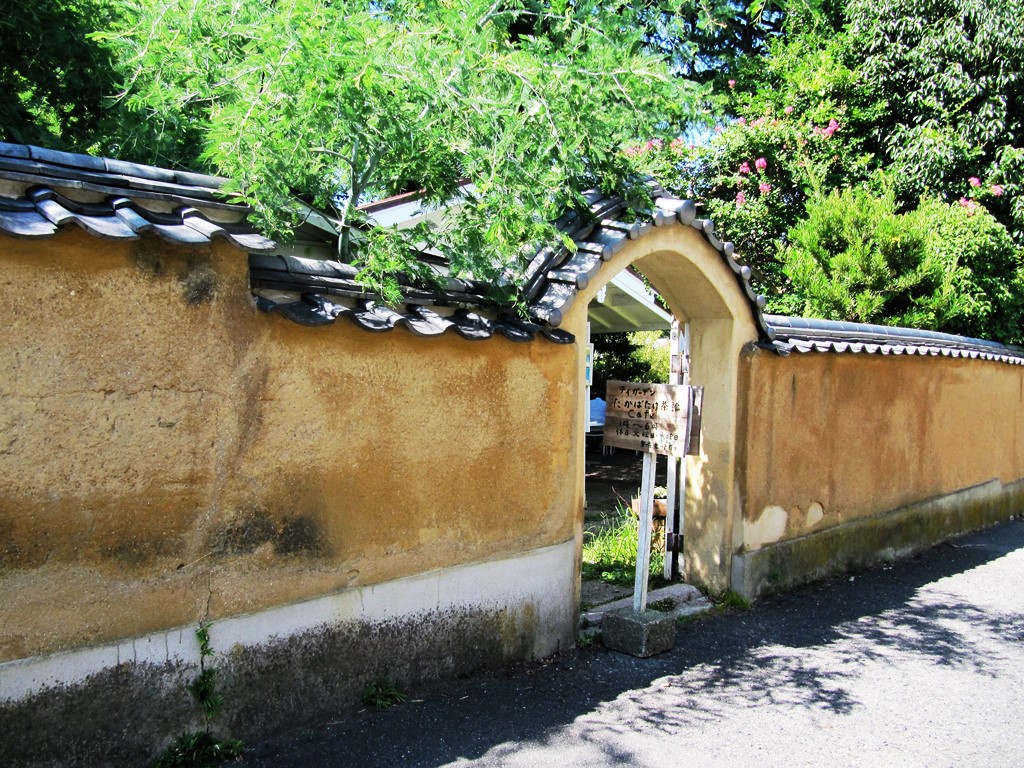
The Takabatake district developed as an area where the priests of the Kasuga Taisha Shrine once lived. It is also a cultural district loved by writers and painters of the early 20th century.
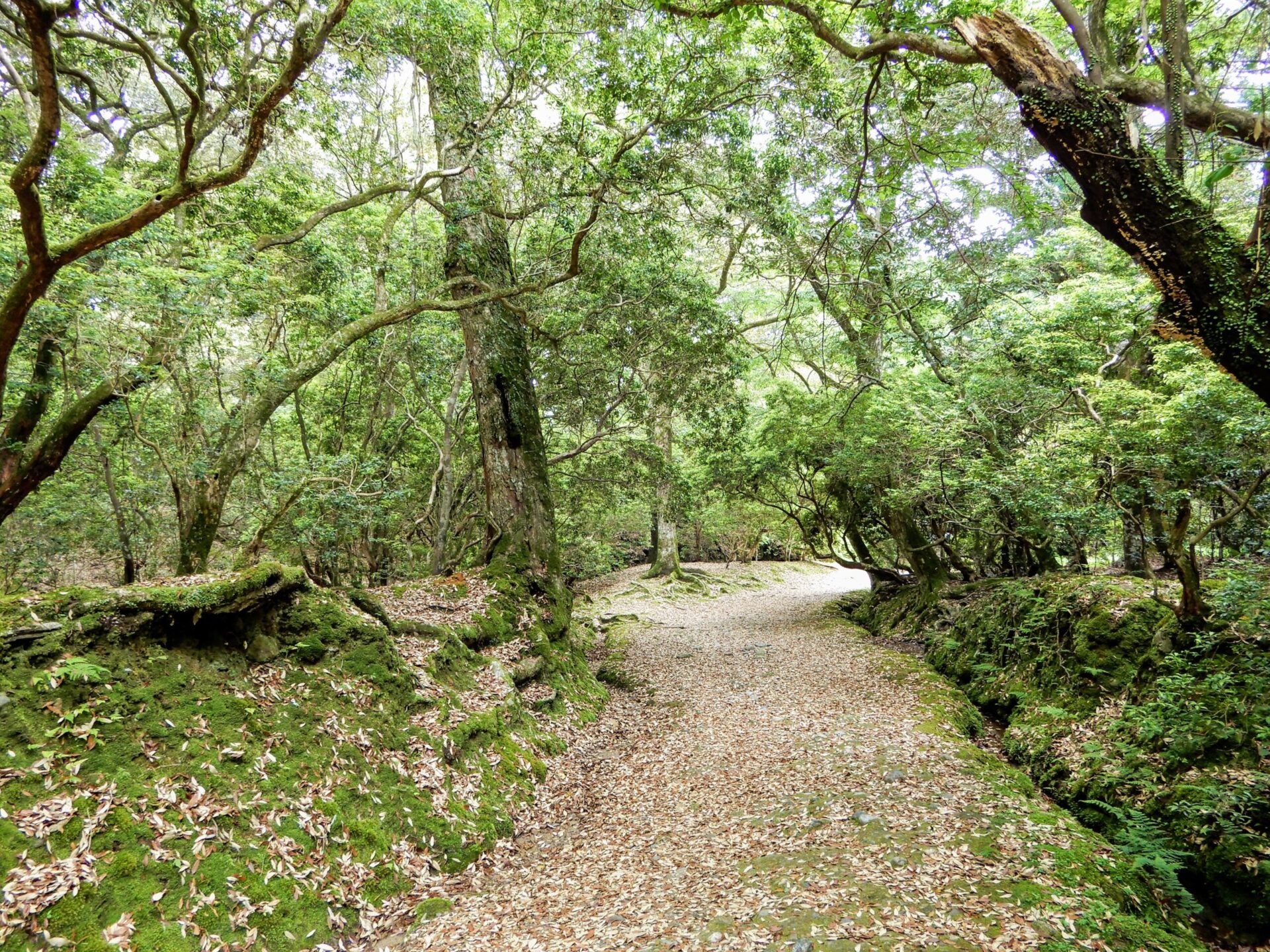
This is the “whisper” trail, sasayaki in Japanese, which leads to the Takabatake district from the second portico of Kasuga Taisha. By this quiet path, the priests went to the sanctuary in the past. According to legend, when love is whispered there, it will be answered.
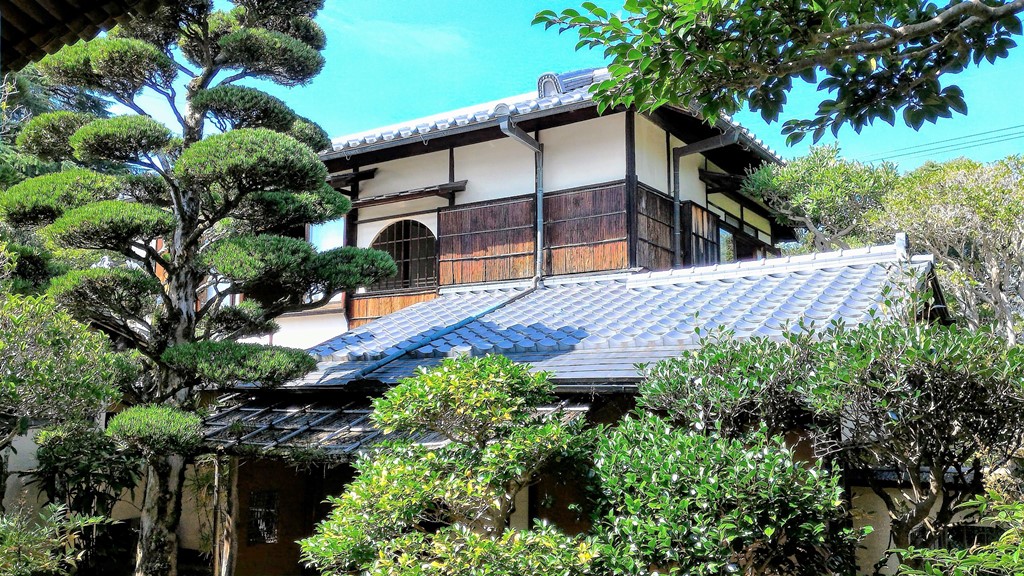
This is the old house in a half-Japanese, half-Western style where a representative writer of the early 20th century, Shiga Naoya and his family lived. This writer himself made the plans for this house. Its glass veranda on the ground floor was otherwise called Takabatake Salon. Many men of high culture and artists gathered there. The caption of the black and white photos will help you understand this writer’s affection towards his family.
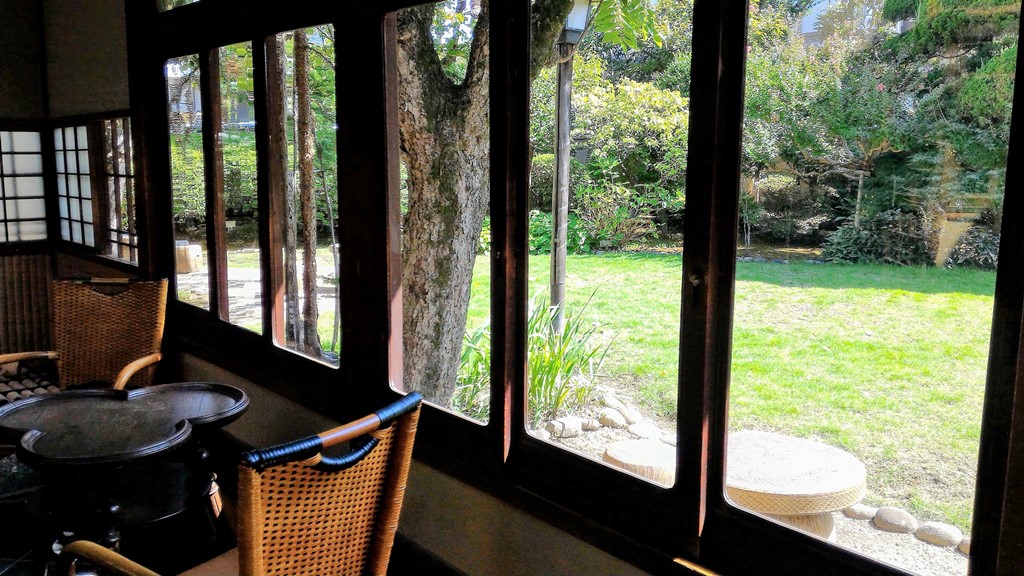
- The entrance ticket price to Shiga Naoya Ancient House is 500 yen.
- Next to the house, there is the cafe named Takabatake Salon. It will be pleasant to take a break there while enjoying the peaceful atmosphere of this neighborhood.
- Map
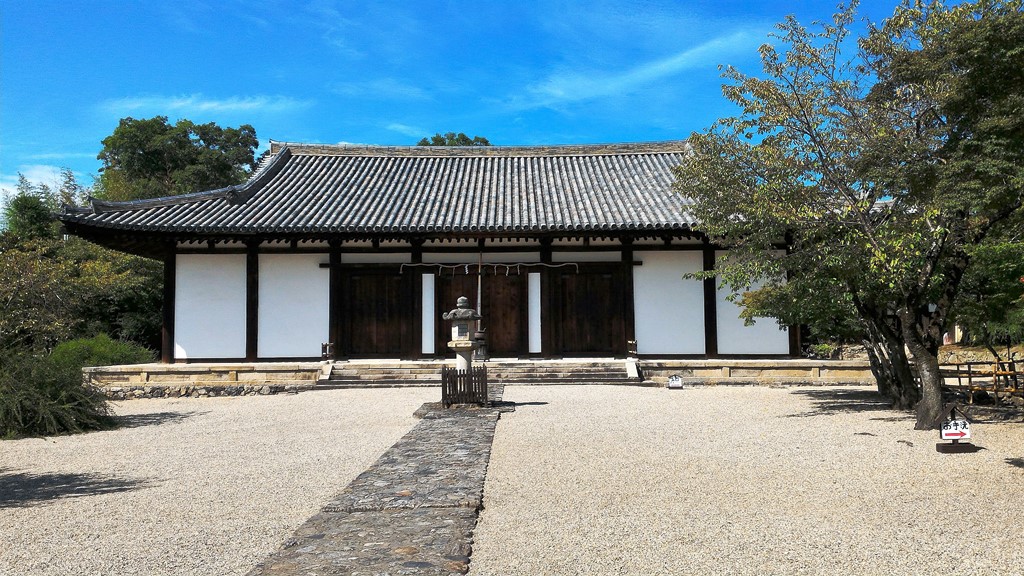

We then continue to Shin Yakushi-ji temple, admiring the peaceful landscape along the way. There you will be able to encounter masterpieces created in the 8th century, the 12 statues of celestial guardians which escort the doctor Buddha in a circle. Their frightening gaze will take your breath away. Against all appearances, these statues are made of clay and therefore fragile. You will be amazed that they have been maintained for so long.
- The entrance ticket price to Shin-Yakushiji Temple is 600 yen.
- Map
The Naramachi District
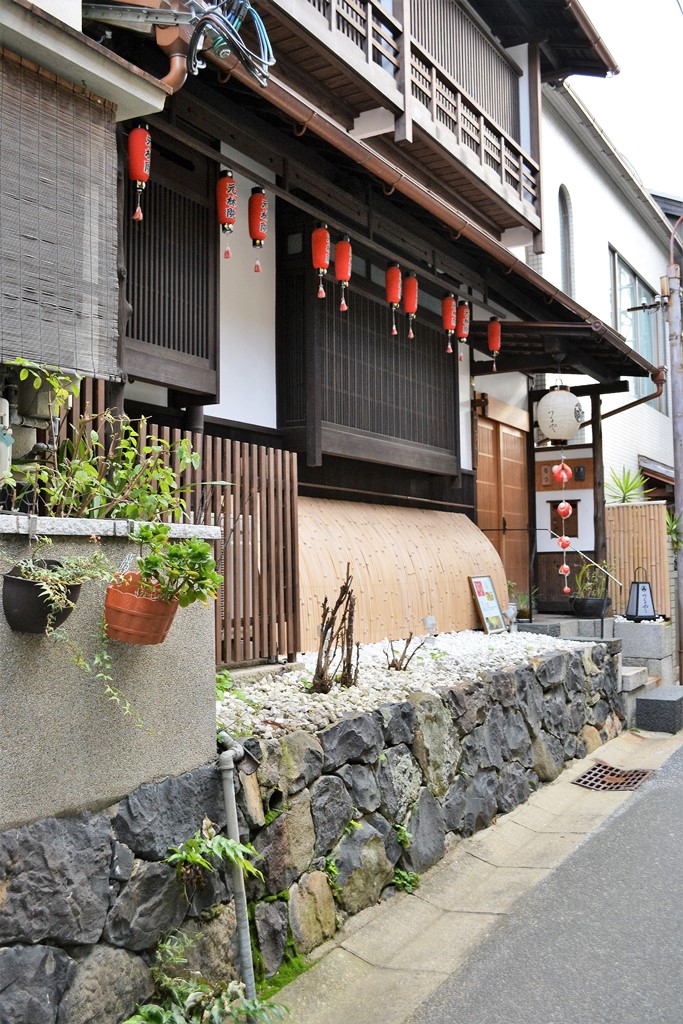
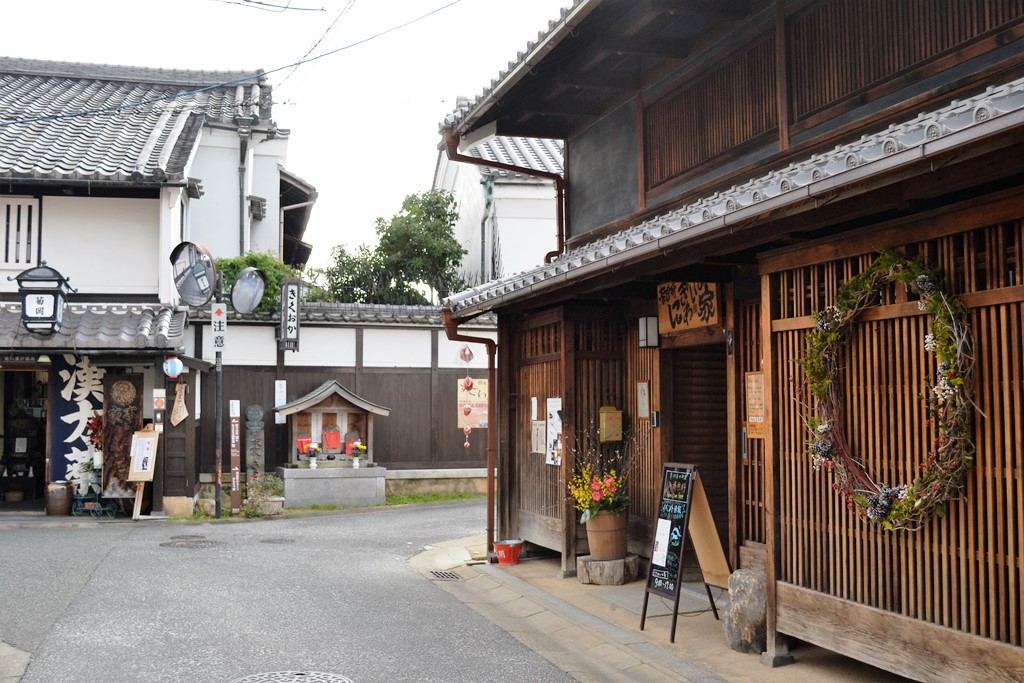
Naramachi is an old neighborhood where I can relax. It was once located within the grounds of Gango-ji Temple. Time passes slowly there. When you take a few back streets south of the city center, a row of traditional houses appears. You will also find stuffed red monkeys hanging under the awning. What do they mean? What if we went for a walk in this neighborhood which creates a mysterious atmosphere? You will surely make unexpected discoveries in the maze of streets.
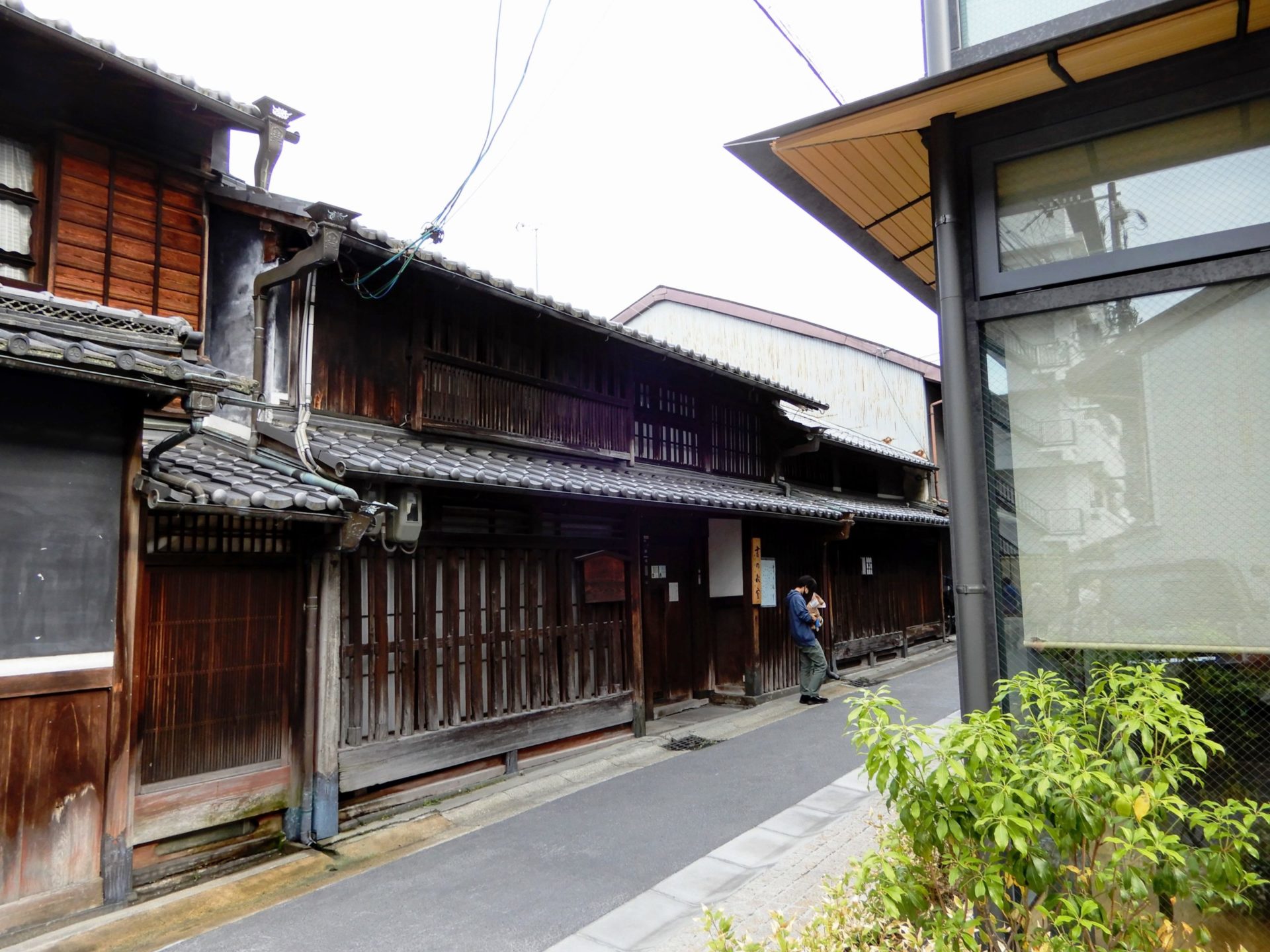
Do you know that there was a neighborhood of geisha in Nara? Ganri-in, located west of Sarusawa Pond, is an ancient district of geisha. It was bustling with more than 200 geisha in his golden age. Today, there is great silence there, but this building in the photo which was once a housing unit geisha keeps the atmosphere of that time.
Here is the traditional home of traders and artisans, machiya restored from the Meiji period. You will be able to observe the general layout of machiya and marvel at its functional structure. Take advantage of it during a walk to pass there. How about taking a break and imagining the lifestyle of that era?
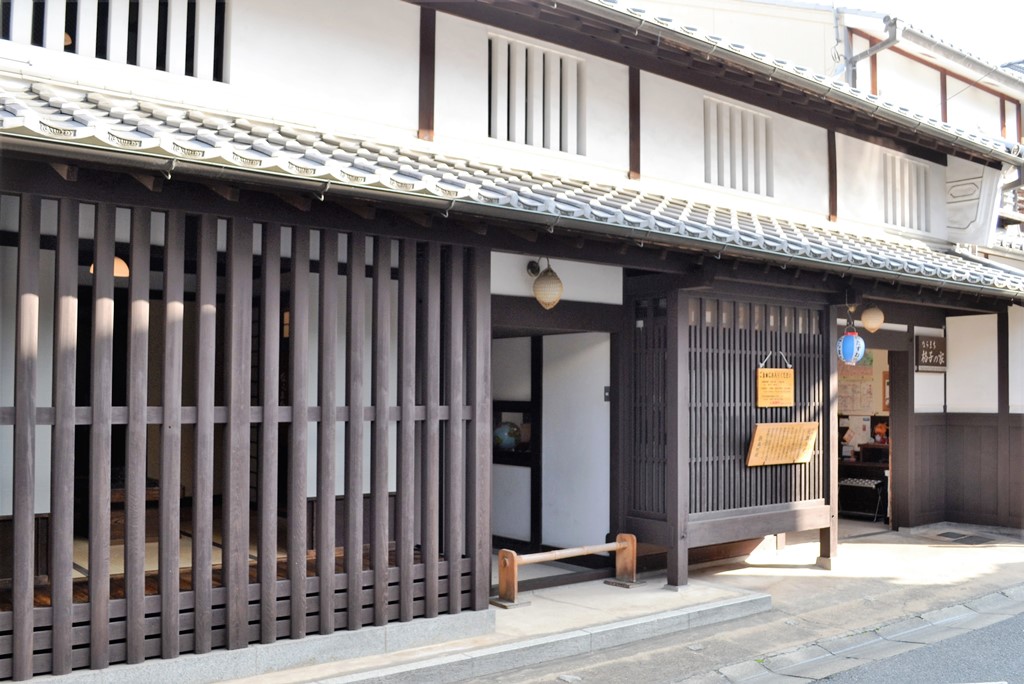
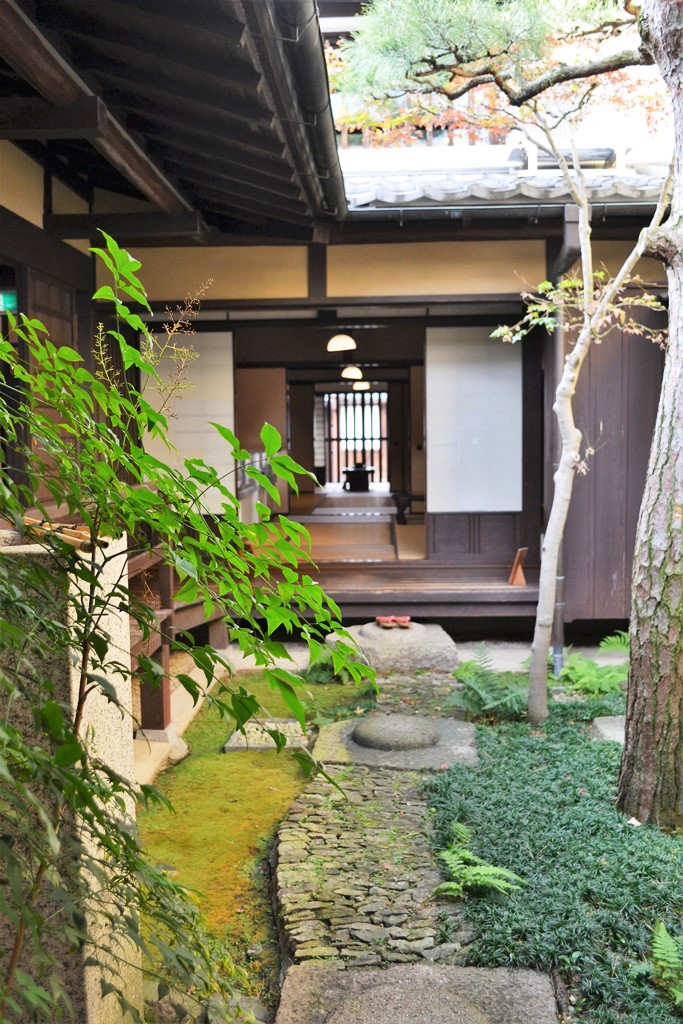
- Entrance to the house is free.
- It is closed on Monday.
- Map
As there are not many tourists, this traditional house, Imanishi Shoin is a good place for those who want to spend some quiet time. Imanishi Shoin was originally a residence of a senior monk of Kofuku-ji Temple. This house, designated as a listed cultural property, shows you the Japanese architecture of the 15th century which is still found in Japanese pieces today.
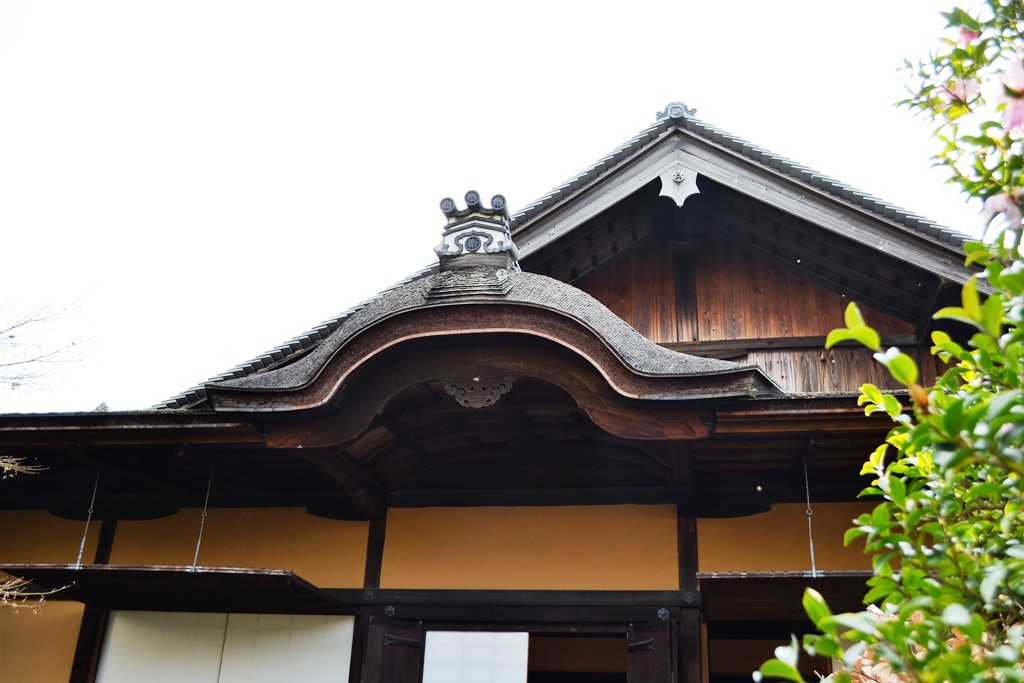
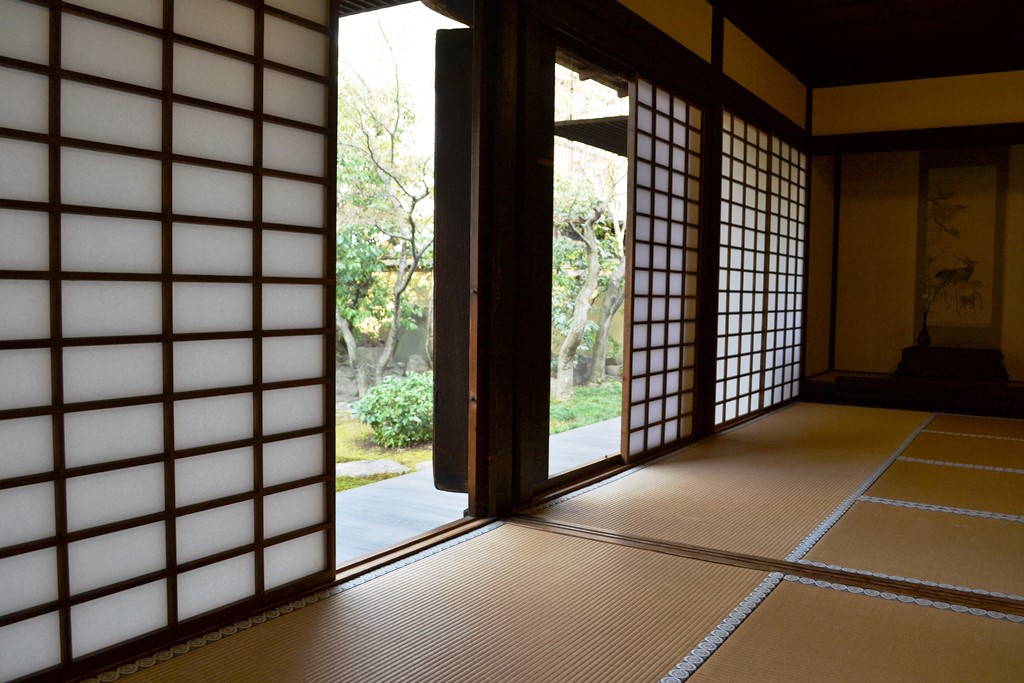
- The entrance ticket price of Imanishi Shoin Traditional House is 500 yen.
- It is closed on Monday, Tuesday and Wednesday. On opening days, you must enter at least 30 minutes before closing time (4 p. m. ).
- Map
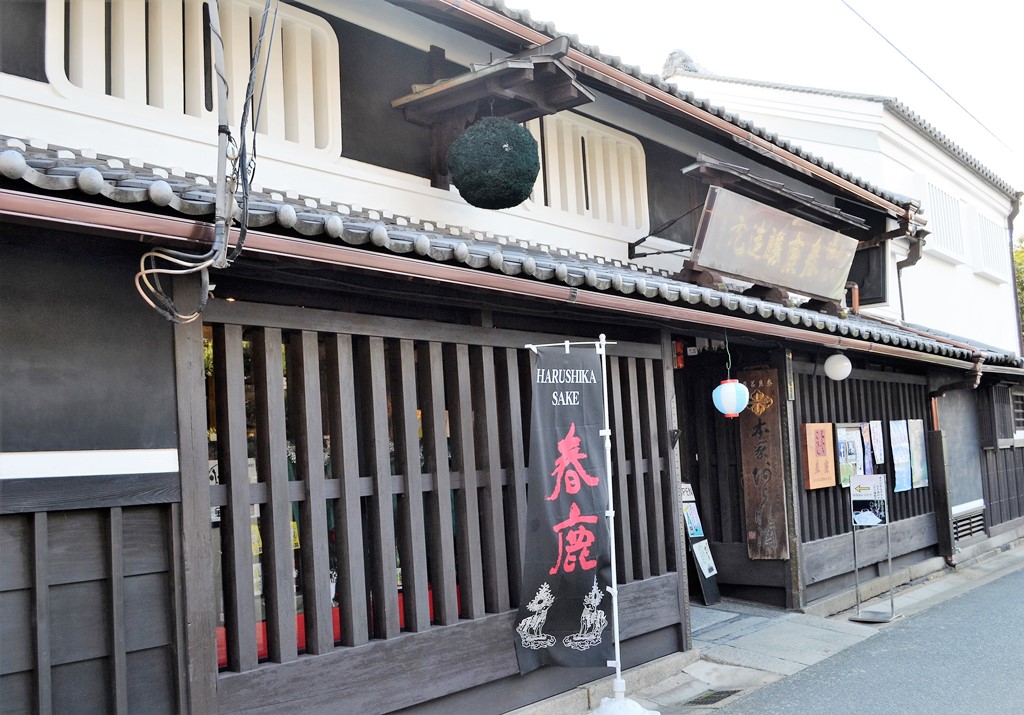
After visiting the Imanishi Shoin house, how about tasting the sake, rice wine, in the neighboring Imanishi brewery? Today we can taste the sake all over the country. Do you know that Nara is the birthplace of sake Japanese? There is the sanctuary where the god of sake southeast of Nara. The brewery sign, the ball suspended above its entrance, is made with the sacred cedar needles of this sanctuary. This brewery pictured serves sake nicknamed Harushika, which comes from a character in the name of Nara’s representative shrine, Kasuga, and the word meaning deer considered a divine messenger. Drink it sake in moderation will soothe your travel fatigue. The stroll will also be pleasant, won’t it?
- The price for sake tasting is 700 yen.
- You can taste 5 kinds of sake recommended by the brewery and in addition, narazuké, vegetables preserved with the sake lees. The small sake glass called choko in Japanese will be offered as a souvenir. What pattern is drawn on the bottom of choko?
- The brewery is closed on Tuesdays.
- Map
The Takisaka-no-Michi Path
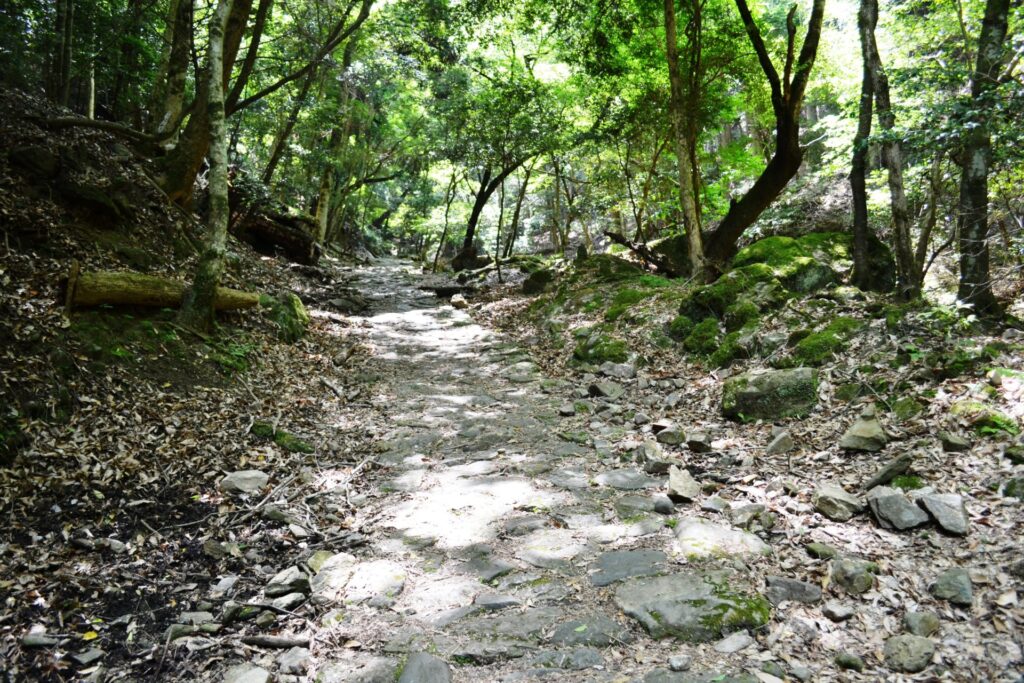
The Takisaka-no-Michi Road is the first part of the Yagyu Road which connects Nara and Yagyu, the village of weapon masters located east of Nara. Along the Noto River, it passes between Mounts Kasuga and Takamado. Built in the Edo period, this stone-paved path exudes a mystical atmosphere. It is said that fencers of the time took this path to attend the Yagyu weapons training place. How about hiking there for half a day, enjoying the murmur of the river and the wind in the forest? You can feel the breath of the ancient fencers there.
The name of this path, Takisaka means “waterfall slope” in French. There is little pedestrian traffic today, but until the beginning of the 20th century, people used this path to transport rice, wood or the necessities of life.
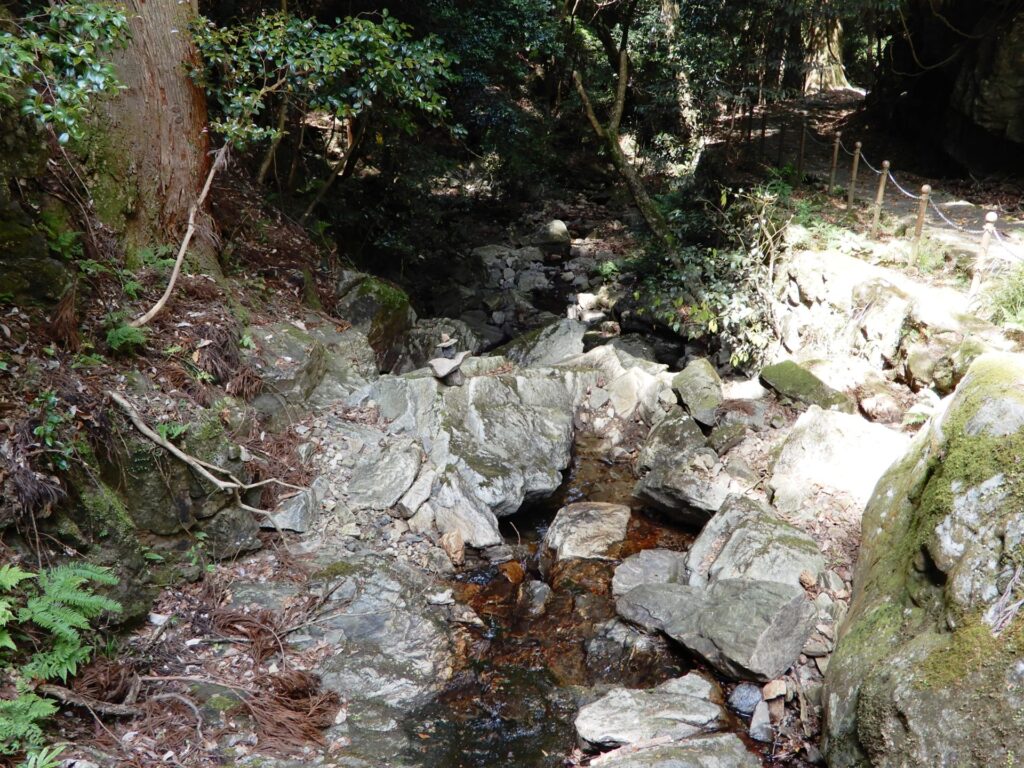
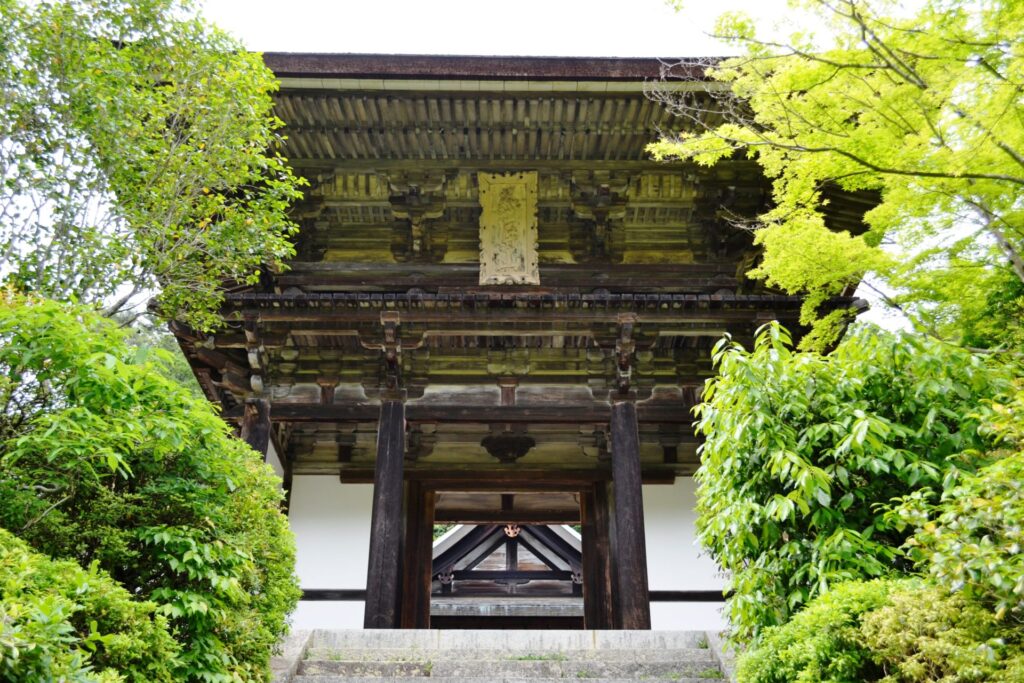
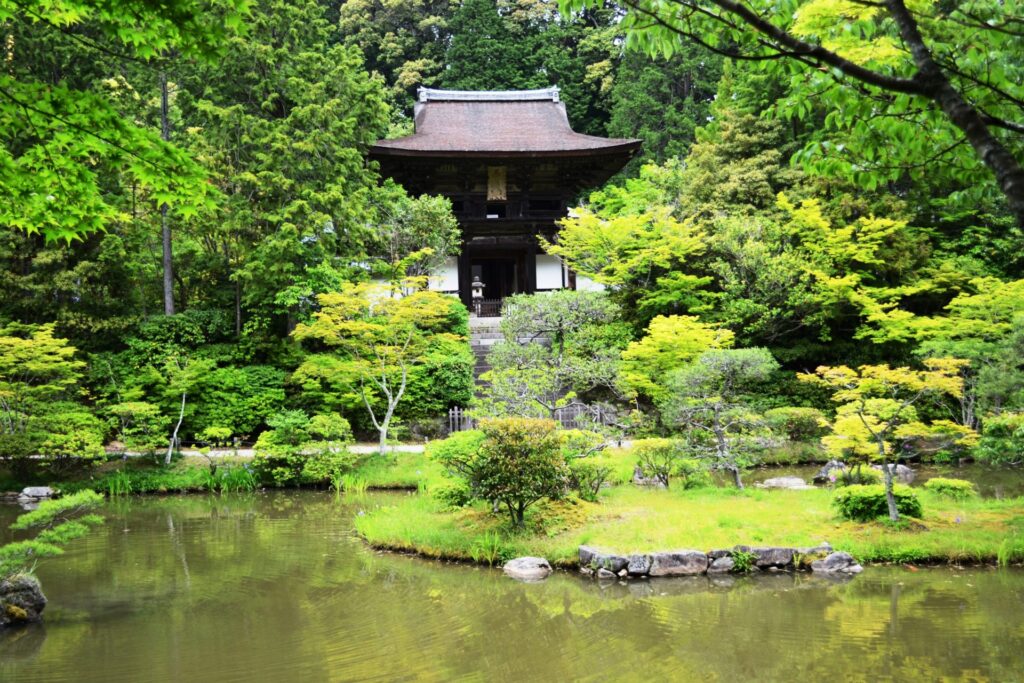
This hike ends with a visit to Enjo-ji temple which is an hour’s walk from the tea house. Although this temple houses a designated national treasure Buddha statue and a beautiful garden, there are few tourists and a calm atmosphere reigns within its grounds.
- The Takisaka-no-Michi Path extends from the south side of Kasuga Taisha Shinto Shrine to Enjo-ji Temple, a distance of approximately 10 kilometers. Allow around 3 hours to cover the entire path. From JR Nara Station, take the bus and get off at Wariishi-cho stop (10 minutes ride). Next, head east through the residential area. The entrance to the path is approximately 1.5 kilometers from the bus stop.
- If your route ends with a visit to Enjo-ji Temple, it is best to check the return bus schedule in advance. Buses are not very frequent.
- The path is uneven, so it is best to wear walking shoes.
- It is best to avoid hiking this path in summer. In addition to the heat and humidity, the risk of encountering vipers is very real.
- Enjo-ji Temple entrance ticket price is 500 yen.
- Map