

The Yoshino-Omine region is located in the far north of the Kii Mountains in central Nara Prefecture. It is divided into two parts. The region to the north is “Yoshino” and the region to the south is “Omine”. Yoshino-Omine is a mecca of shugendo, a religion created by the fusion of ancient Japanese mountain worship, esoteric Buddhism and other beliefs in the 8th century. Since then, isolated in the Omine mountain range made up of steep mountains at more than 1,000 meters above sea level, the followers of the shugendo called shugenja follow their ascetic training in contact with nature to achieve spiritual awakening. What constitutes the basis of this religion specific to Japan is a deep feeling of gratitude towards the mountain which brings benefits. Feel the mystical universe of shugendo which is deeply rooted in the spirit of the Japanese, experiencing the unity between man and nature.
Yoshino
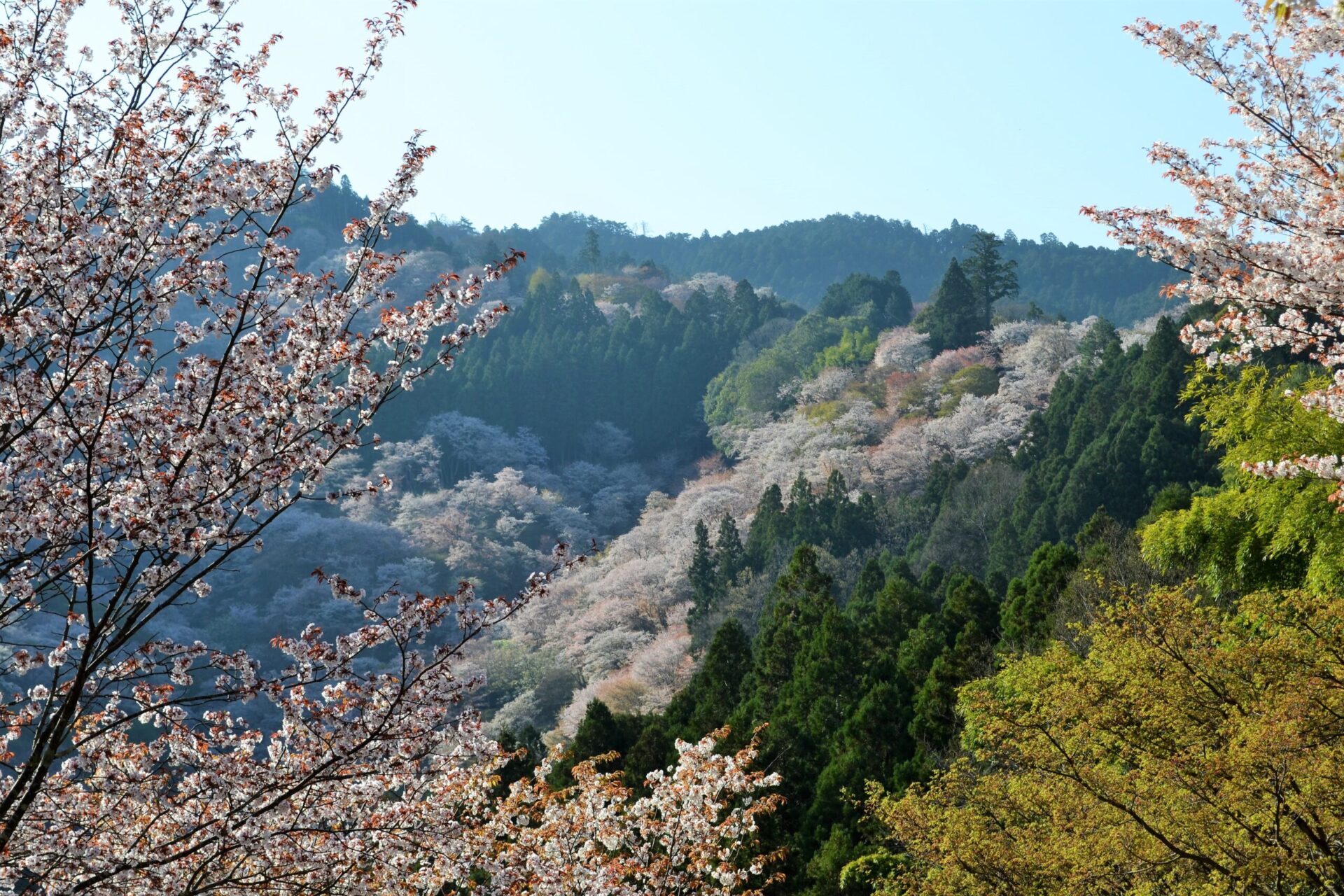
Located 42 kilometers south of Nara, the ancient capital of Japan, the Yoshino region has been considered a sacred place of mountain worship since ancient times. Mount Yoshino, emblematic of this region, is a ridge area that extends from north to south of the Omine mountain range for approximately 8 kilometers. With the evolution of shugendo, Yoshino became one of the first sites to be associated with En-no-Gyoja who practiced asceticism in the Omine Mountains and who founded the shugendo. Yoshino is also known for its cherry trees. In spring, the slopes of Mount Yoshino are covered with 30,000 cherry blossom trees, most of which are wild cherry trees called yamazakura. Cherry trees have long been revered as sacred trees in Yoshino, but why?
Yoshino cherry trees have a special connection with the shugendo. According to legend, En-no-Gyoja had a vision of a deity with a frightening face during his ascetic practices at Mount Omine (=Mount Sanjogatake). This divinity called Zao-Gongen appeared to save men from suffering. En-no-Gyoja carved the image of Zao-Gongen into the trunk of a cherry tree and built Zao-do pavilions on Mount Omine and Mount Yoshino to worship her. Many followers, starting with the imperial family, then the aristocrats, etc. came to plant cherry trees at Mount Yoshino as a testimony to their belief, which made Yoshino a famous site for cherry trees.
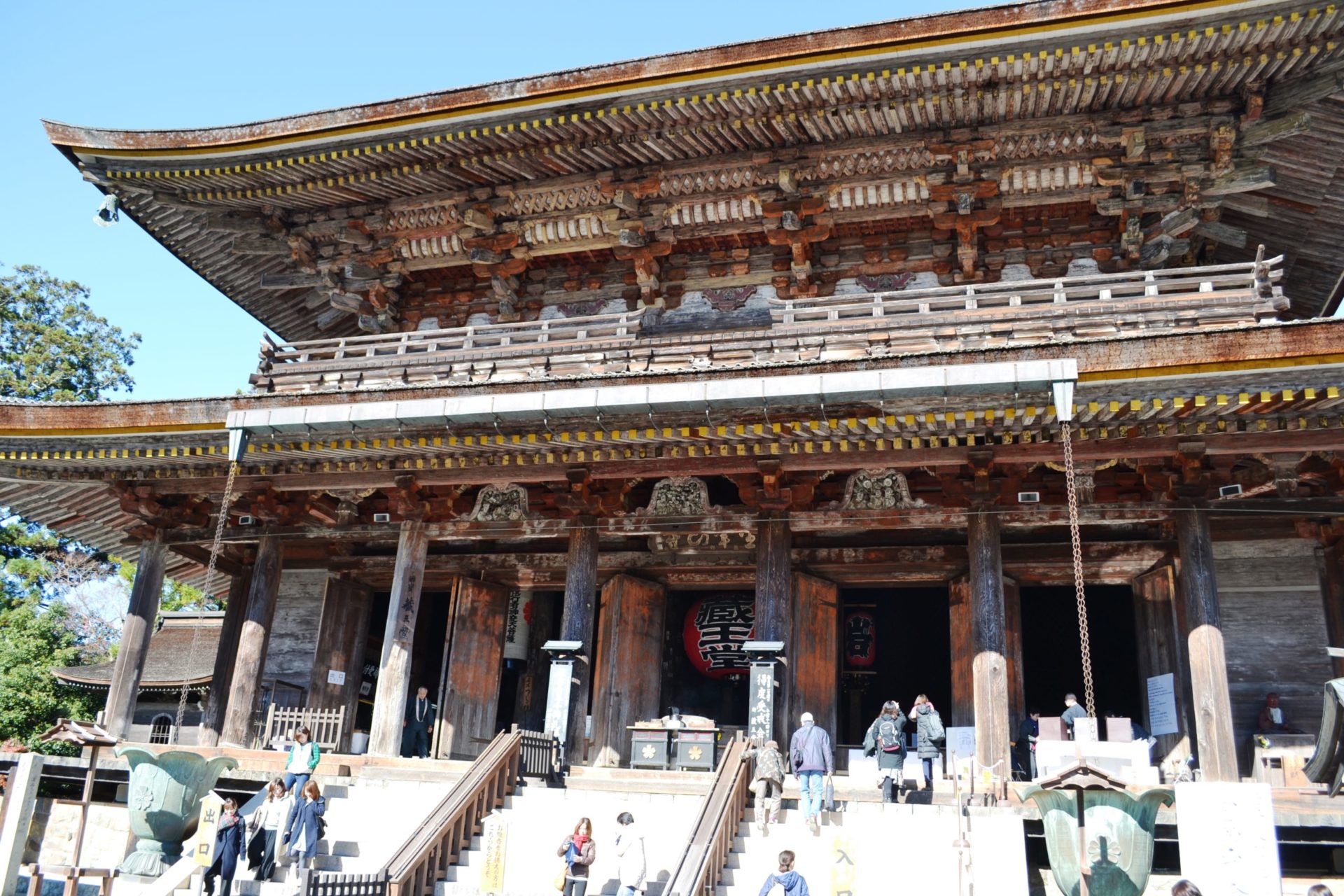
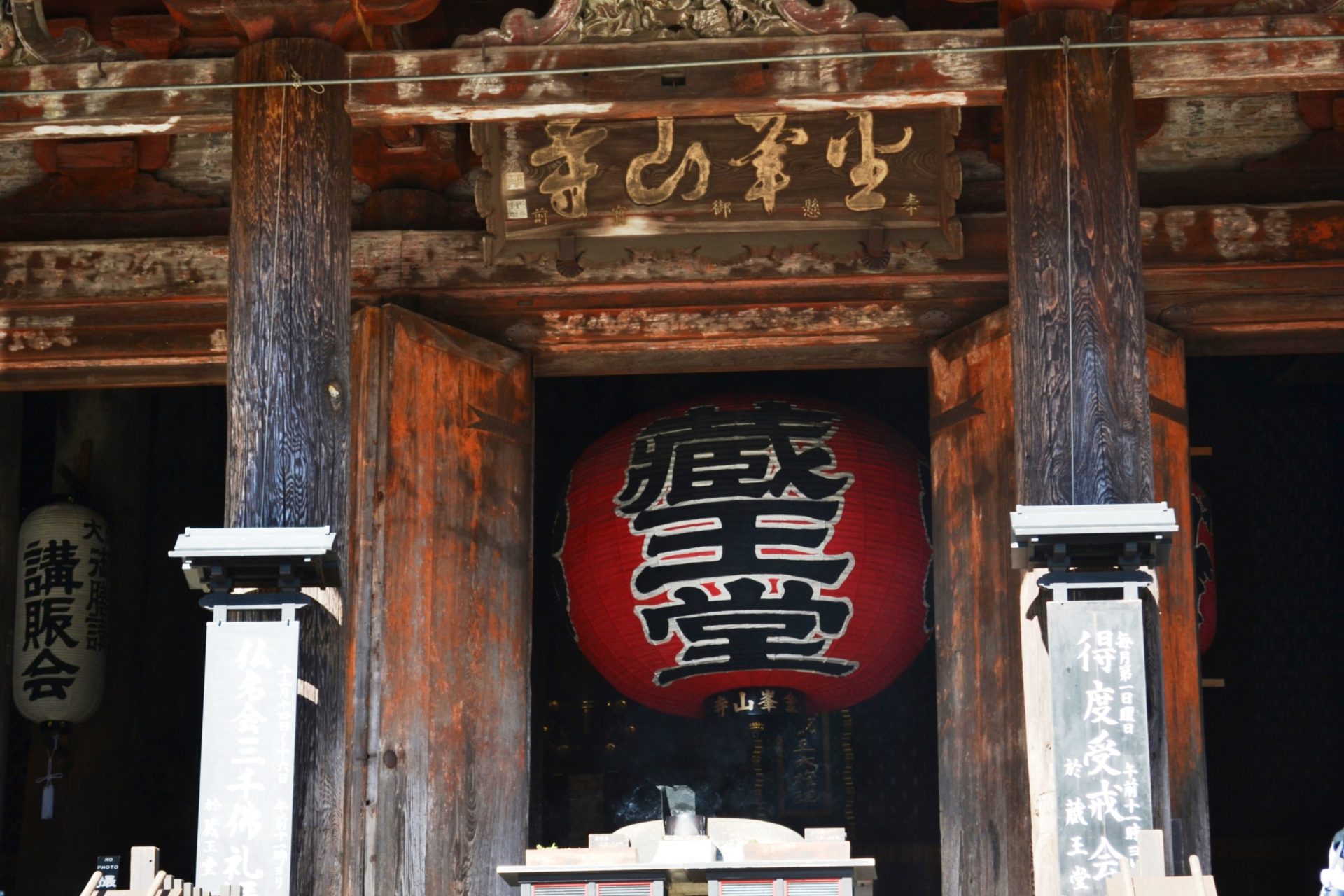
Kinpusen-ji Temple is the central location of shugendo in Yoshino. The origin of the temple is the Zao-do pavilion founded by En-no-Gyoja in the 8th century to worship the divinity of shugendo, Zao-Gongen. Unlike the other Zao-do founded on Mount Omine, access to which is strictly reserved for men, that of Yoshino, serving as the main building of the Kinpusen-ji temple, also welcomes women. Measuring 34 meters high, the current building, which dates from the end of the 16th century, is the second largest wooden structure in Japan after the Buddha Hall of Todai-ji Temple in Nara. It is supported by 68 pillars, some of which are made of raw wood such as pear or azalea wood. This reminds us of the ascetic training of shugendo within nature.
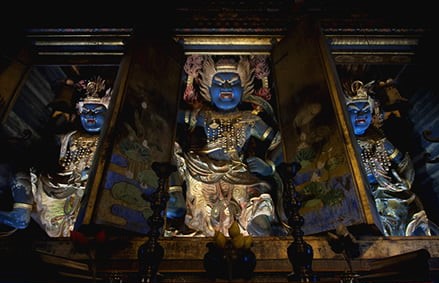
Zao-do Pavilion houses three large statues of Zao-Gongen. The term gongen means that Buddhist deities like Buddhas, Bodhisattvas, etc. appear in Japan as local deities with the aim of saving the people. Zao-Gongen, divinity of shugendo which is a syncretic religion, is the mixed avatar composed of Buddha Shakyamuni, Bodhisattva Kannon and Bodhisattva Miroku and saves the human soul from the past, present and future. With spiky hair, dynamic pose and terrifying expression, he chases away evil spirits and destroys all evil thoughts. But it is not only a symbol of power and rigor. As the blue color of his body indicates, he also guides men to the right path as a deity of mercy.
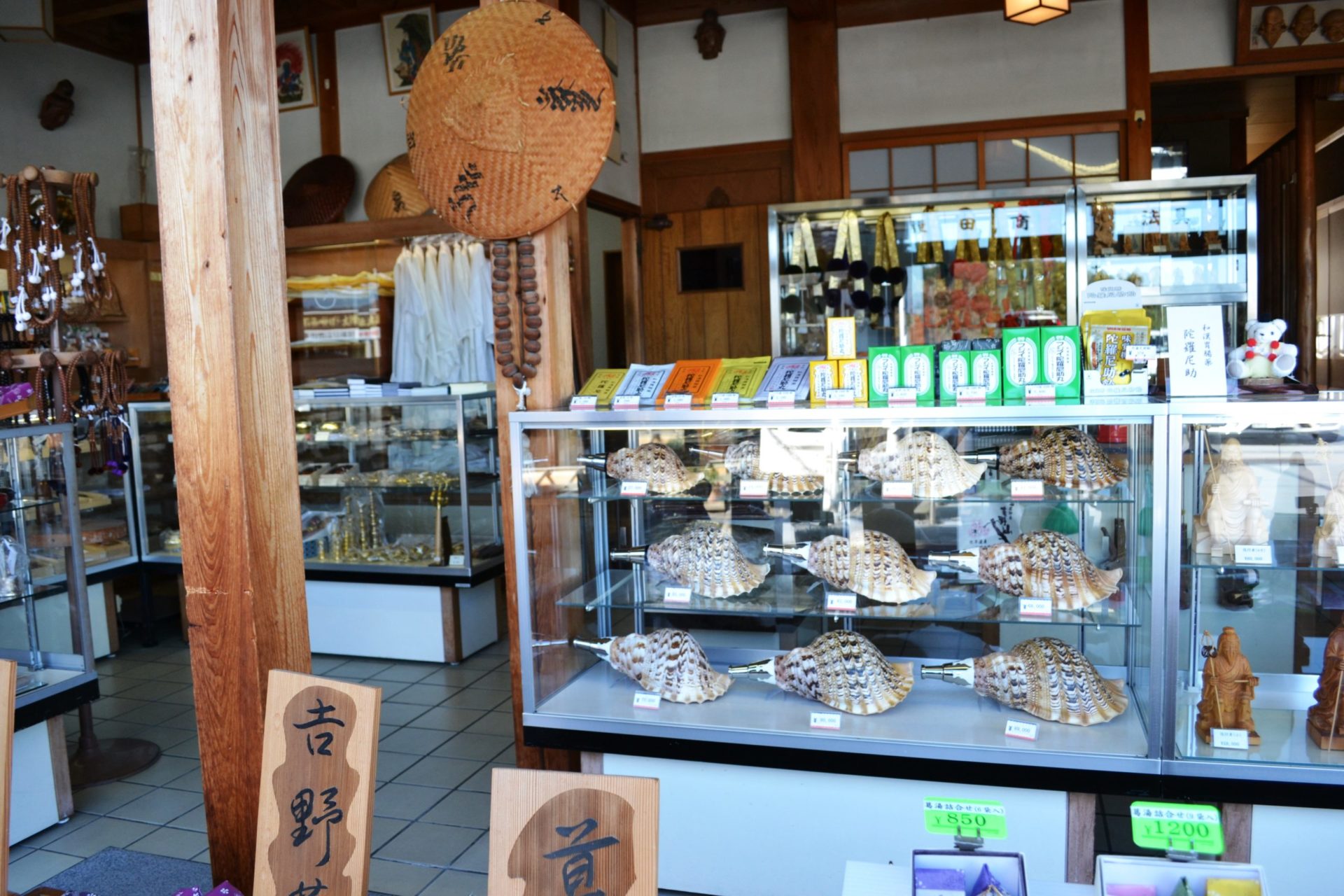
The main street leading down from the temple is full of interesting shops to visit such as local clothing shops. shugenja, Japanese pastry shops, shops specializing in traditional medicine.
In clothing stores shugenja, there are also pectorals, conchs, headdresses, etc. which they wear during their ascetic training in the mountains. How much does a set cost?
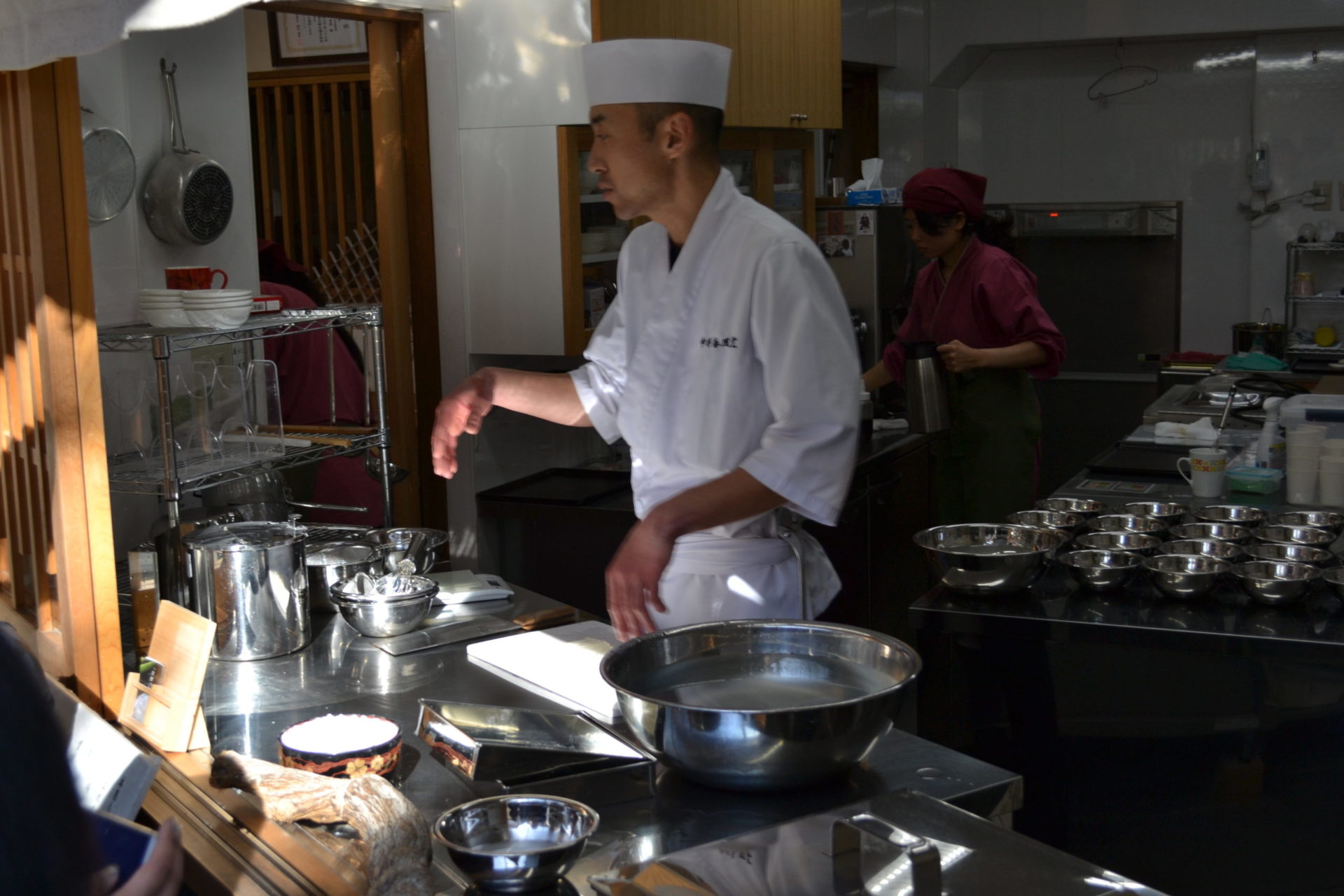
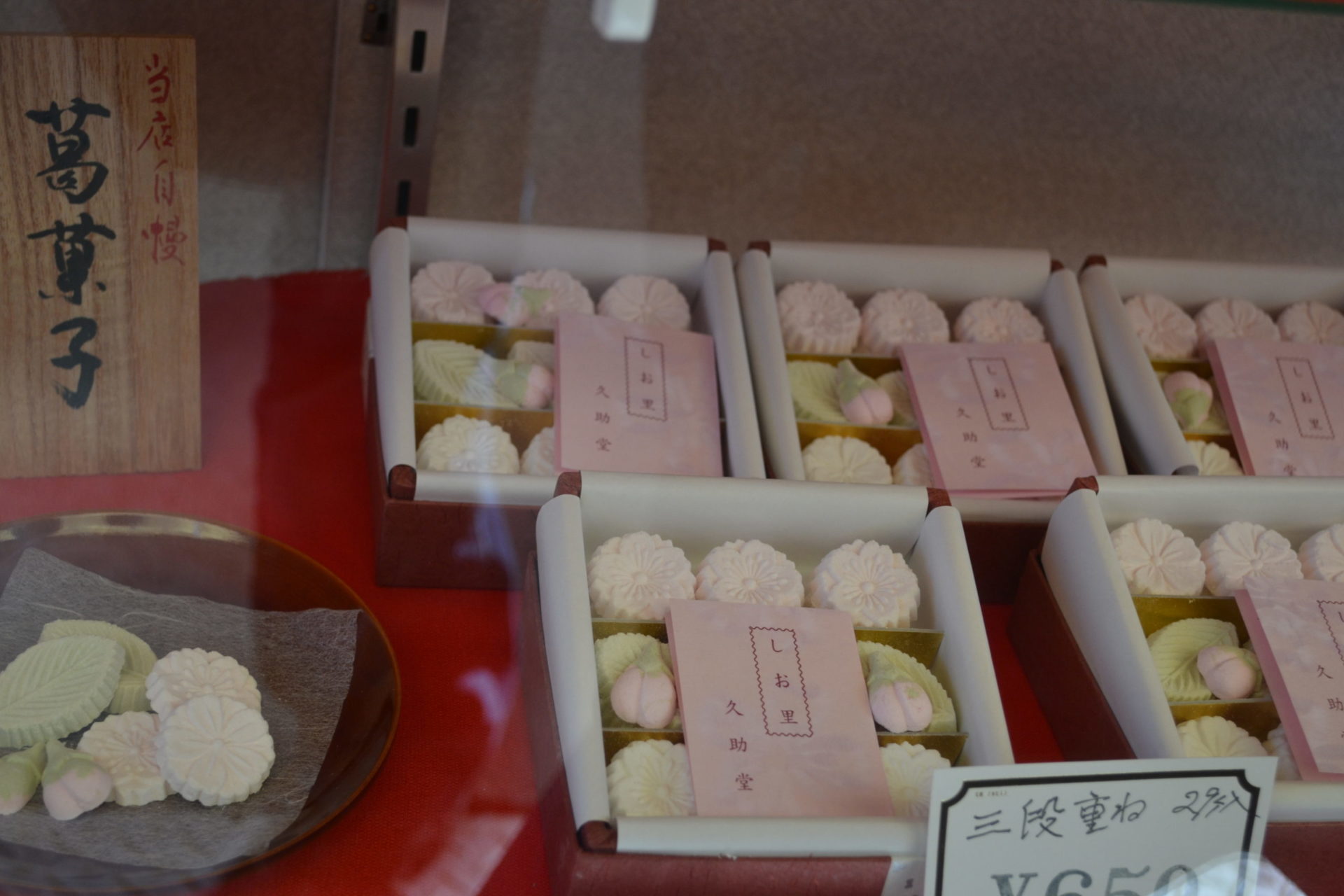
Yoshino is a famous region producing kudzuko, the powder made from the starch of the root of kudzu. The powder kudzuko is often used in Japanese cuisine to bind sauces or make jellies, or in Japanese pastries. The kudzugashi is one of Yoshino’s representative sweets. It melts in your mouth. I like its delicate taste. The dough made from kudzuko and ofwasanbon, a fine Japanese sugar is placed in a cherry wood mold with delicately engraved cavities, pressed and dried.
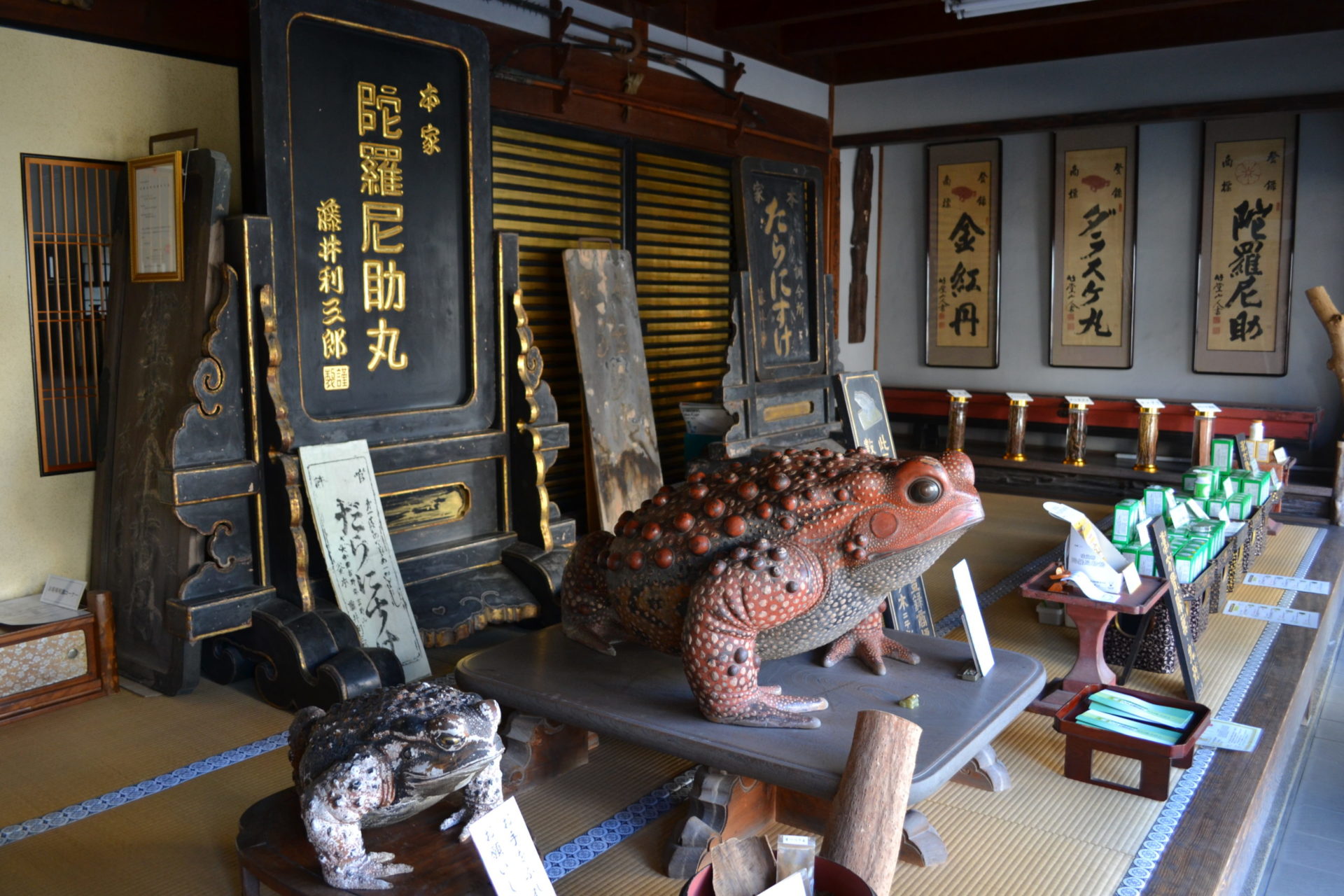
In this shop where frog trinkets welcome you, we sell the daranisuke, a traditional medicine from the Yoshino-Omine region. The founder of shugendo, En-no-Gyoja is said to have made it and treated many people when an epidemic reigned in the country in the 8th century. It is effective against stomach aches and diarrhea, and it produces few side effects. Also in the hamlet of Dorogawa located at the foot of Mount Omine, you will see shops selling this medicine.
- Yoshino is easily accessible by Kintetsu Line trains from Kyoto, Nara and Osaka.
- Map
From Kyoto: Take the Kintetsu Line from JR Kyoto Station to Yoshino Station via Kashiharajingu-mae Station. The journey to Yoshino Station takes between 1h45 and 2h10.
From Nara: Take the Kintetsu Line from Kintetsu-Nara Station to Yoshino Station via Yamato-Saidaiji Station and Kashiharajingu-mae Station. The journey to Yoshino Station takes between 1h20 and 1h35.
From Osaka: Take the Kintetsu Line from Osaka-Abenobashi Station to Yoshino Station. This journey lasts between 1h15 and 1h30. Osaka-Abenobashi Station located near JR Tenno-ji Station is the departure point for the Kintetsu line to Yoshino.
With the JR Pass, you can go to JR Yoshinoguchi Station, but you have to change trains several times. In any case, take the Kintetsu Line to Yoshino at Yoshinoguchi. It’s about a 35 minute journey.
At Senbonguchi Station located a 3-minute walk from Yoshino Station, take the funicular which will take you to Yoshinoyama in 3 minutes.
- Kinpusen-ji Temple is about a 10-minute walk from Yoshinoyama Station. Entrance costs 800 yen. The Zao-Gongen statues are only visible at certain times of the year. For this special visit, you will have to pay an additional 800 yen.
- Map
Omine
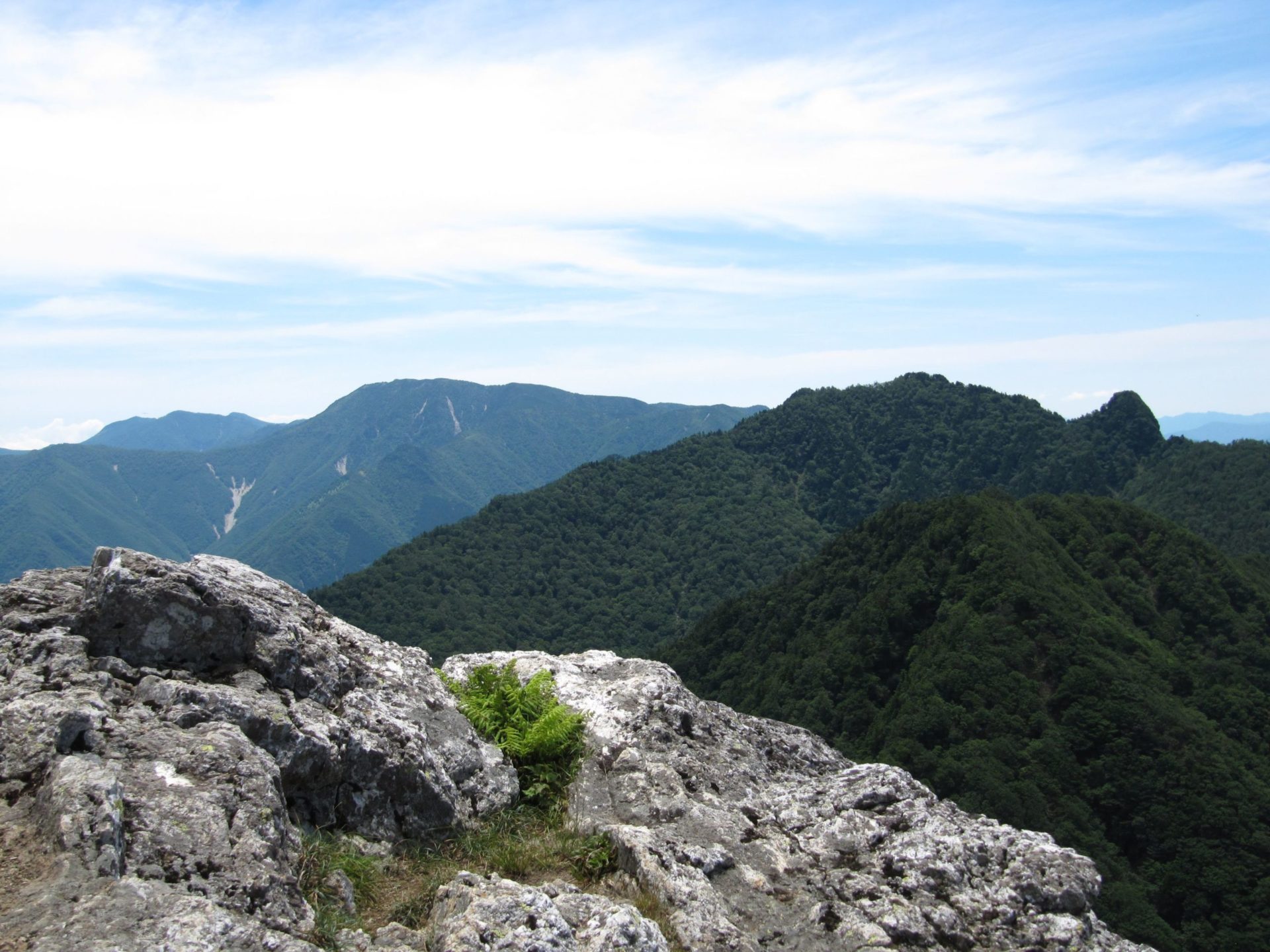
In the shugendo based essentially on the ancient Japanese cult of the mountain, importance is given to ascetic practices in the mountains. Since antiquity, the shugenja placed themselves in nature and performed ascetic practices by walking for a long time through the steep mountains. Omine which is the mountain range connecting Yoshino and Kumano is famous as a site of ascetic practices of the shugendo. Small anecdote, the monk Kukai who founded Mount Koya as a sacred site of esoteric Buddhism is said to have practiced asceticism in the Omine Mountains. Feel the spiritual and mystical energy that reigns in this mountainous area.
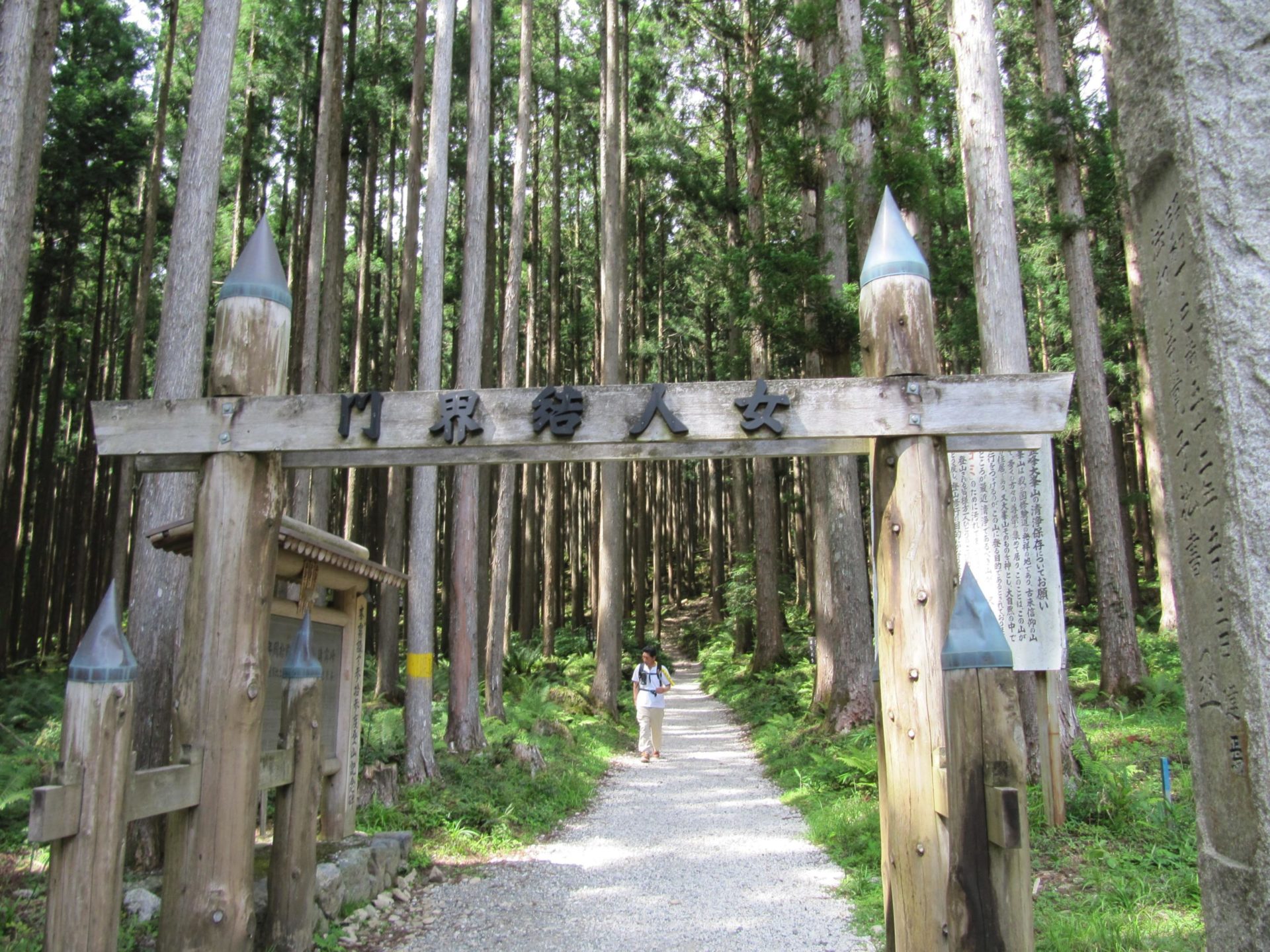
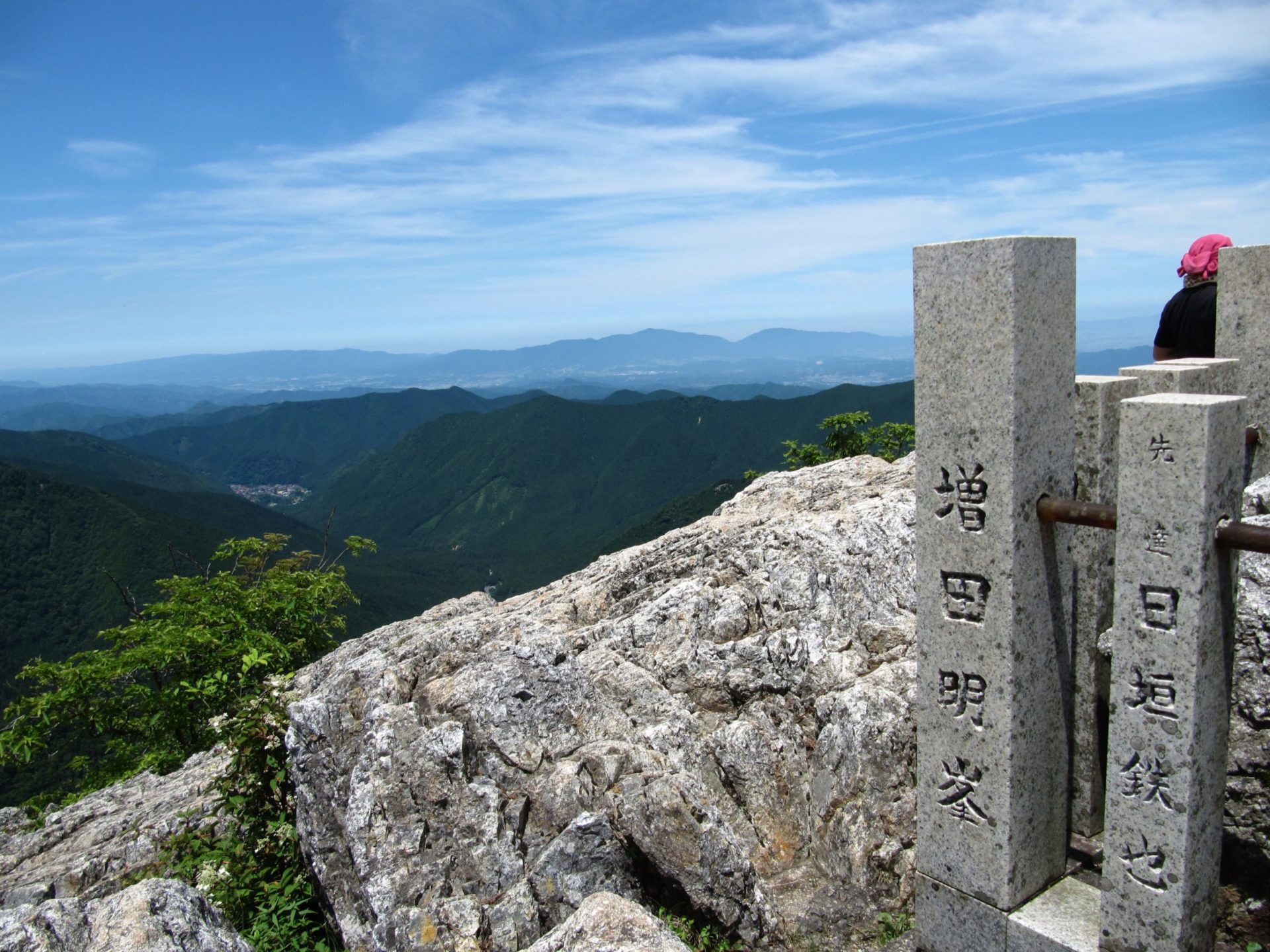
Mount Sanjogatake, known as Mount Omine, located 24 kilometers south of Mount Yoshino, is the main center of the ascetic training of the shugendo. There are places gyo-ba where one must experience rigorous and dangerous trials to achieve spiritual awakening. This is why access to it remains prohibited for women.
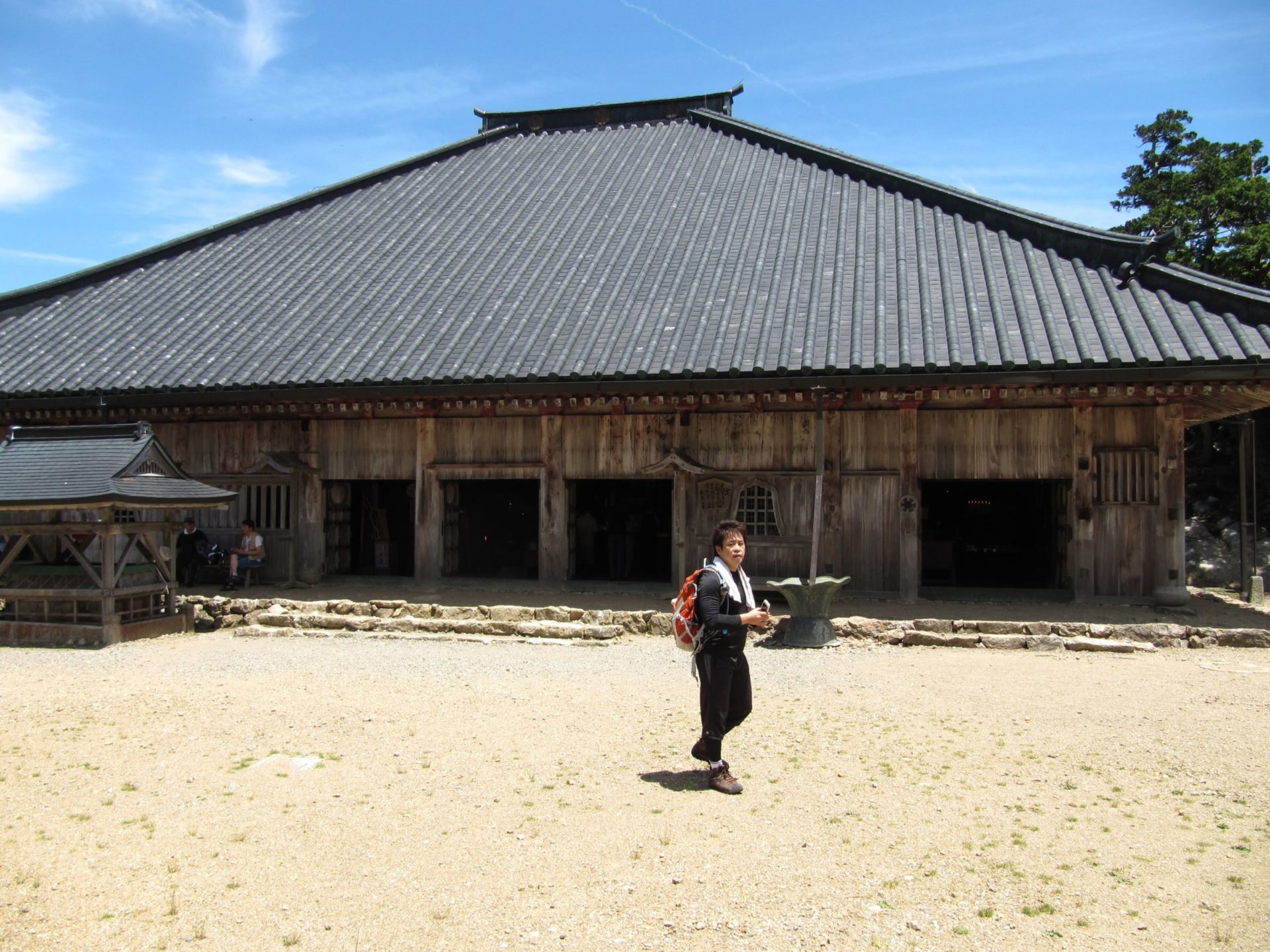
At the top is Ominesan-ji Temple, which is open from May 3 to September 23. Its origin is the Zao-do pavilion that En-no-Gyoja built to worship the deity of shugendo, Zao-Gongen who had appeared to him during his ascetics in the mountains. Around the summit, there are monastic lodges run by five temples in charge of managing Ominesan-ji temple. Not only the shugenja but also hikers (only men) can go down there.
The Omine-Okugake route for ascetic practice extends to Kumano along the ridges of the Omine mountain range. About this route, refer to the page Kumano.
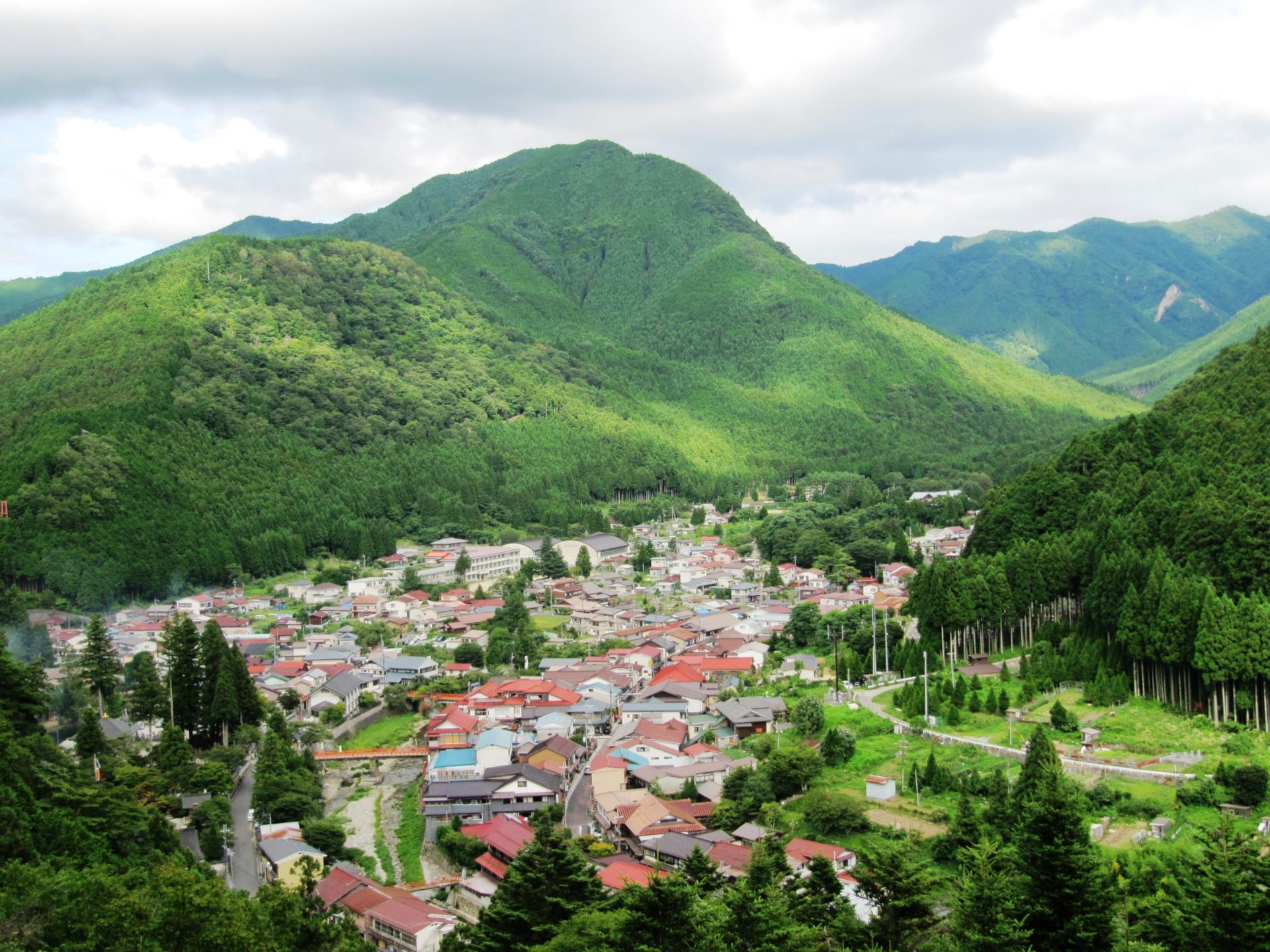
Located at the foot of Mount Omine, Dorogawa Onsen in Tenkawa Village is a hamlet that retains an old-world atmosphere. Along its main street, traditional shops and inns line up with onsen, the thermal spas which welcome shugenja on a pilgrimage towards the mountains and the tourists. It seems like we are taking a time jump to the beginning of the 20th century.
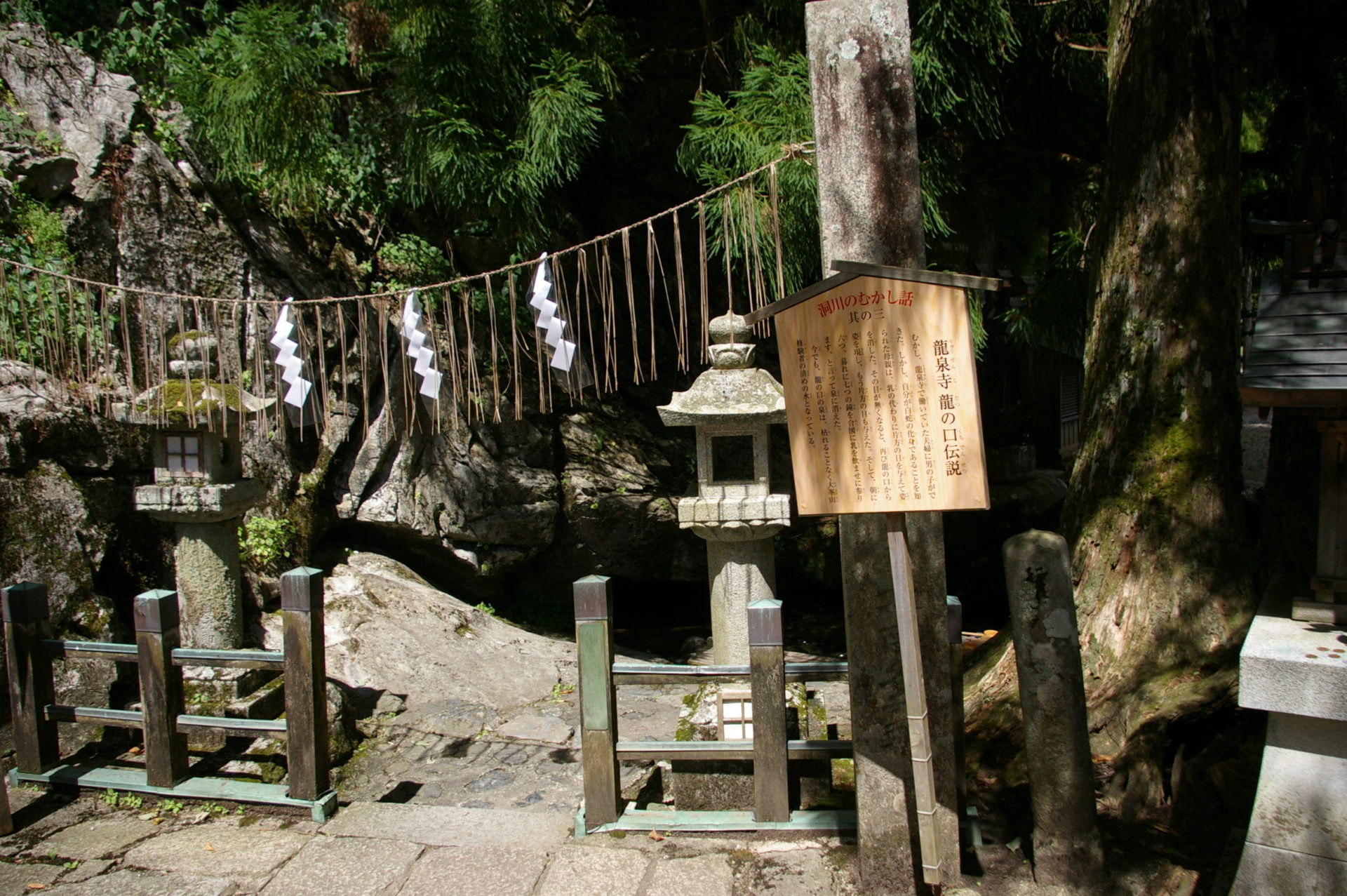
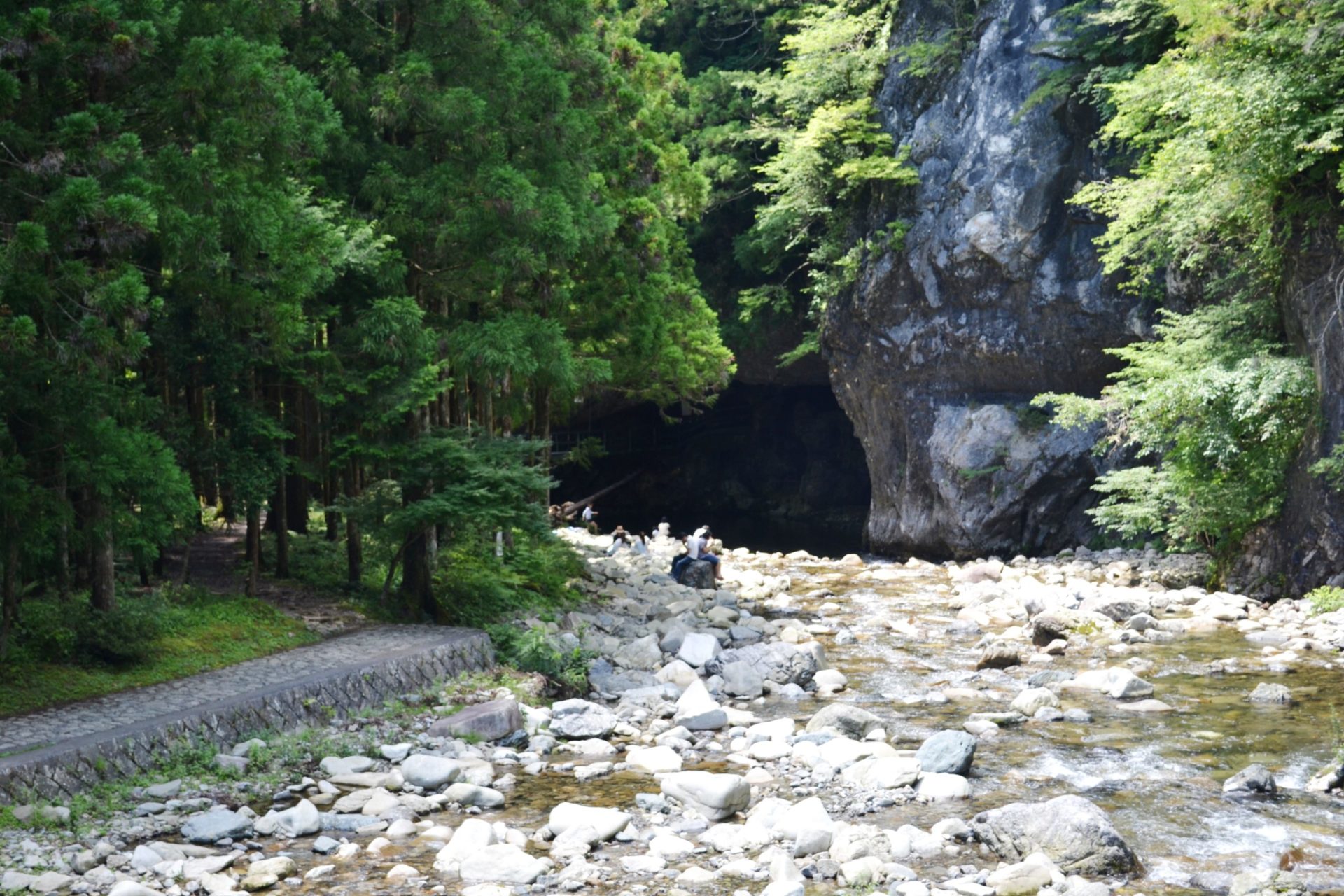
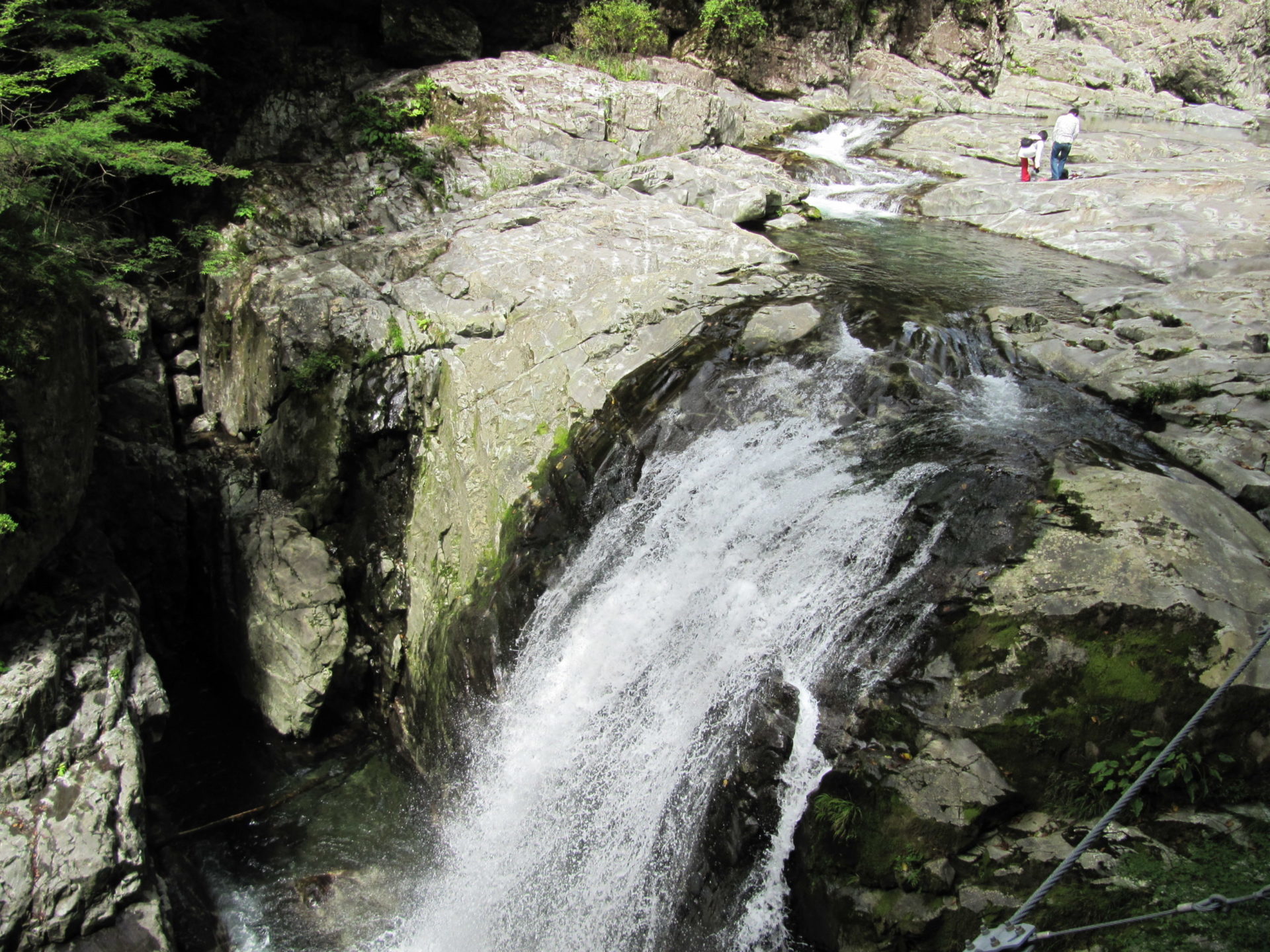
Dorogawa Onsen is home to other interesting places to visit such as Ryusen-ji temple known for water asceticism to purify the body and mind, limestone caves, places gyo-ba to which En-no-Gyoja withdrew to practice asceticism. How would you like to taste the charms of the peaceful countryside in communion with nature?
- You can get to Dorogawa Onsen, a starting point for accessing Mount Omine, by train (Kintetsu Line) and bus (Nara-Kotsu).
From Kyoto: Take the Kintetsu Line from JR Kyoto Station to Shimoichiguchi Station via Kashiharajingu-mae Station. The journey to Shimoichiguchi Station takes between 1h30 and 1h45.
From Nara: Take the Kintetsu Line at Kintetsu-Nara Station to Shimoichiguchi Station via THEsYamato-Saidaiji and Kashihara Jingu-mae stations. The journey to Shimoichiguchi Station takes between 1h15 and 1h25.
From Osaka: Take the Kintetsu Line from Osaka-Abenobashi Station to Shimoichiguchi Station. It’s about an hour’s journey.
With the JR Pass, you can go to JR Yoshinoguchi Station. Take the Kintetsu Line there to Shimoichiguchi Station. It’s about a 15 minute journey. At Shimoichiguchi Station, take the Nara-Kotsu bus to Dorogawa Onsen and get off at the terminus. It’s about an 80 minute journey. - The start of the Mount Omine access trail, the Omine-Ohashi Bridge, is about an hour’s walk from the Dorogawa Onsen stop. Women can access the boundary gantry which is beyond the Omine-Ohashi Bridge. It takes 3 hours to walk to the summit.
- Map
The village of Tenkawa, which is home to Dorogawa Onsen, is located in the heart of the Omine Mountains which form the watershed. In addition to the shugendo, the cult of water is anchored in this village crossed by the Ten-no-Kawa river which has its source in the Omine mountains.
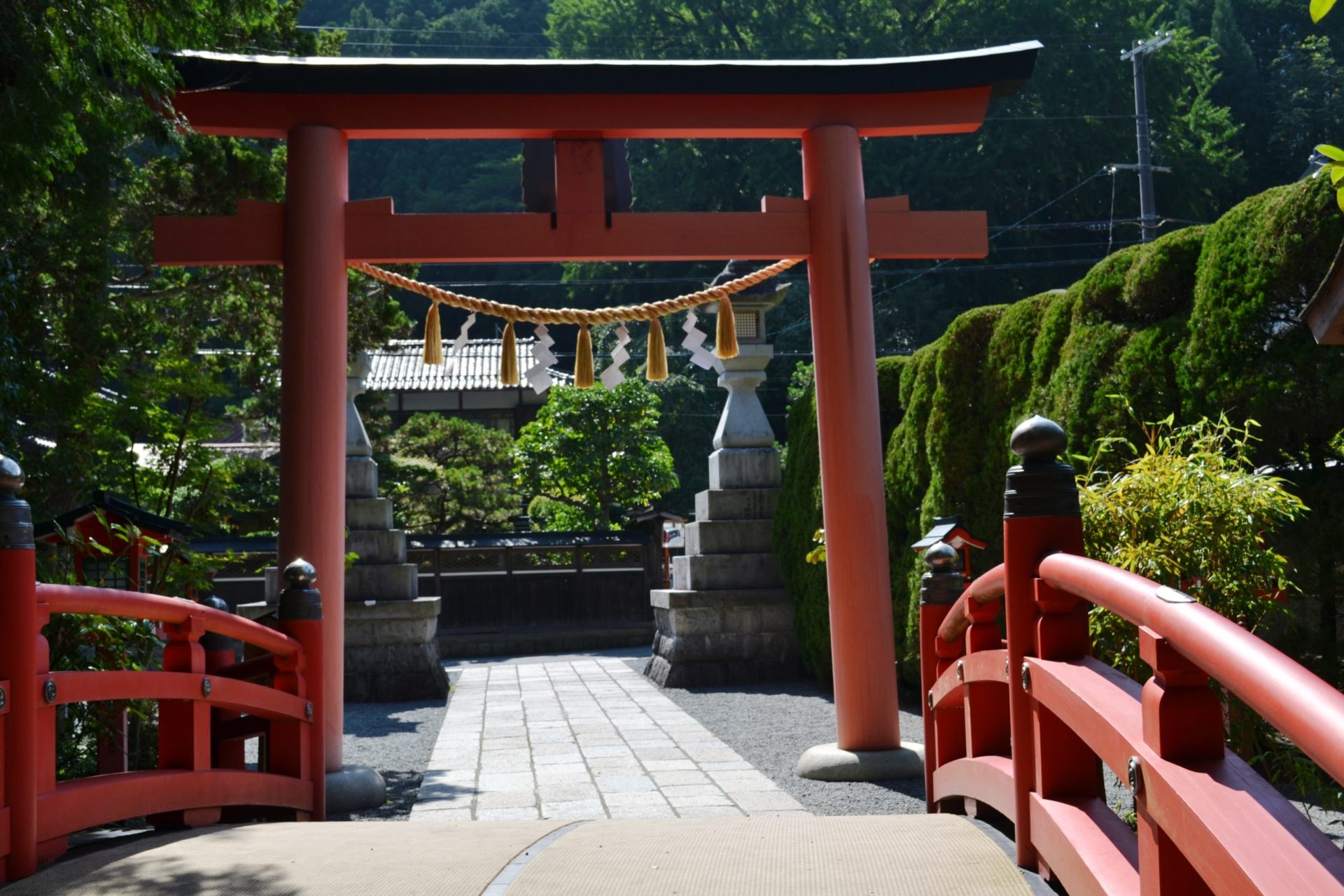
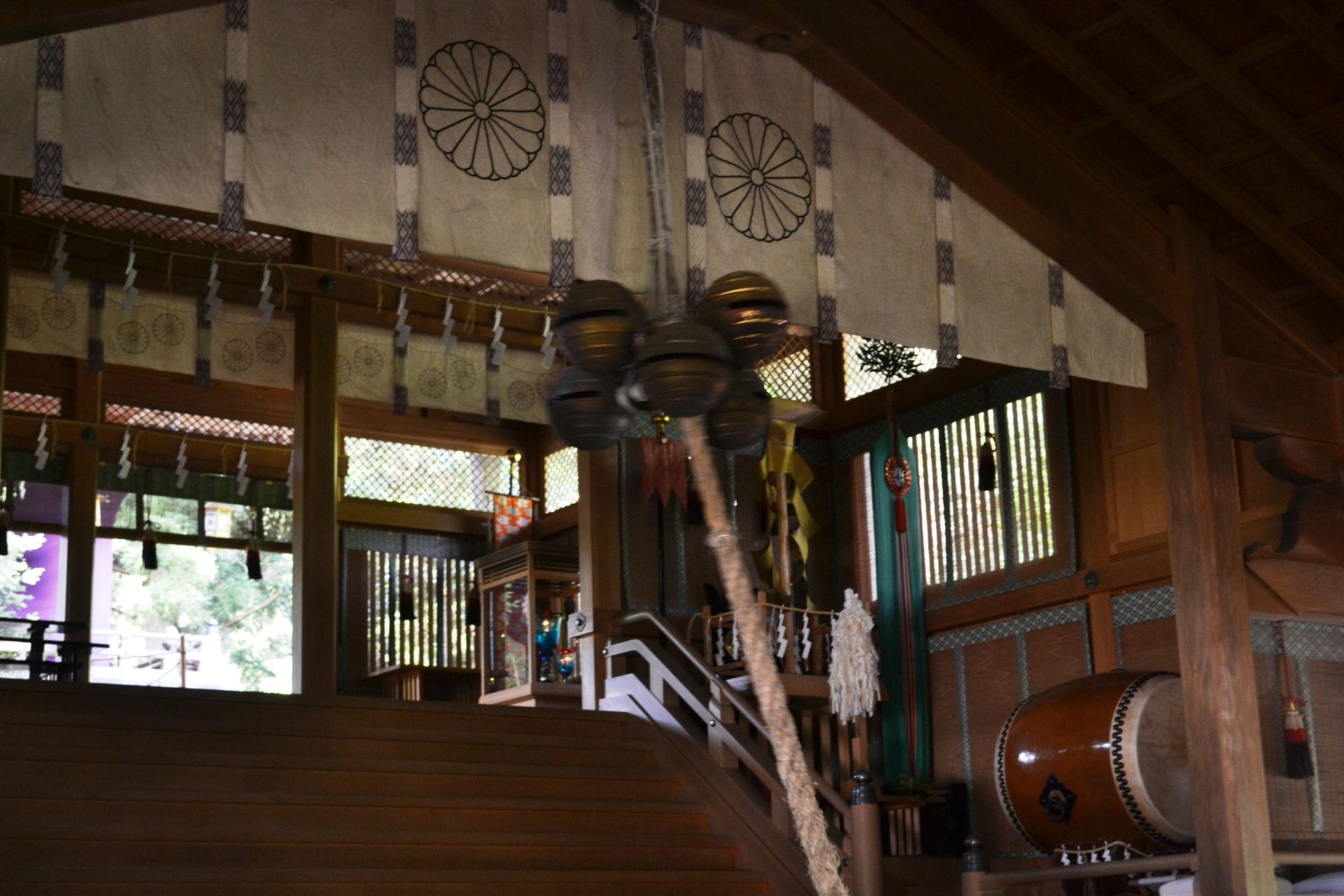
Located about 6 kilometers southwest of Dorogawa Onsen, Tenkawa Daibenzaiten Shrine is a shrine dedicated to the water goddess, Benzai-ten. The murmur of water is pleasant to the ear and this goddess is also associated with art in Japan. According to legend, En-no-Gyoja had the vision of Benzai-ten before that of Zao Gongen during his ascetic practices at Mount Omine. Benzai-ten is the goddess of water, source of all life. Thus, she was worshiped on Mount Misen named after Mount Shumisen which stands at the center of the universe, while Zao-Gongen was worshiped on Mount Omine as the deity of shugendo.
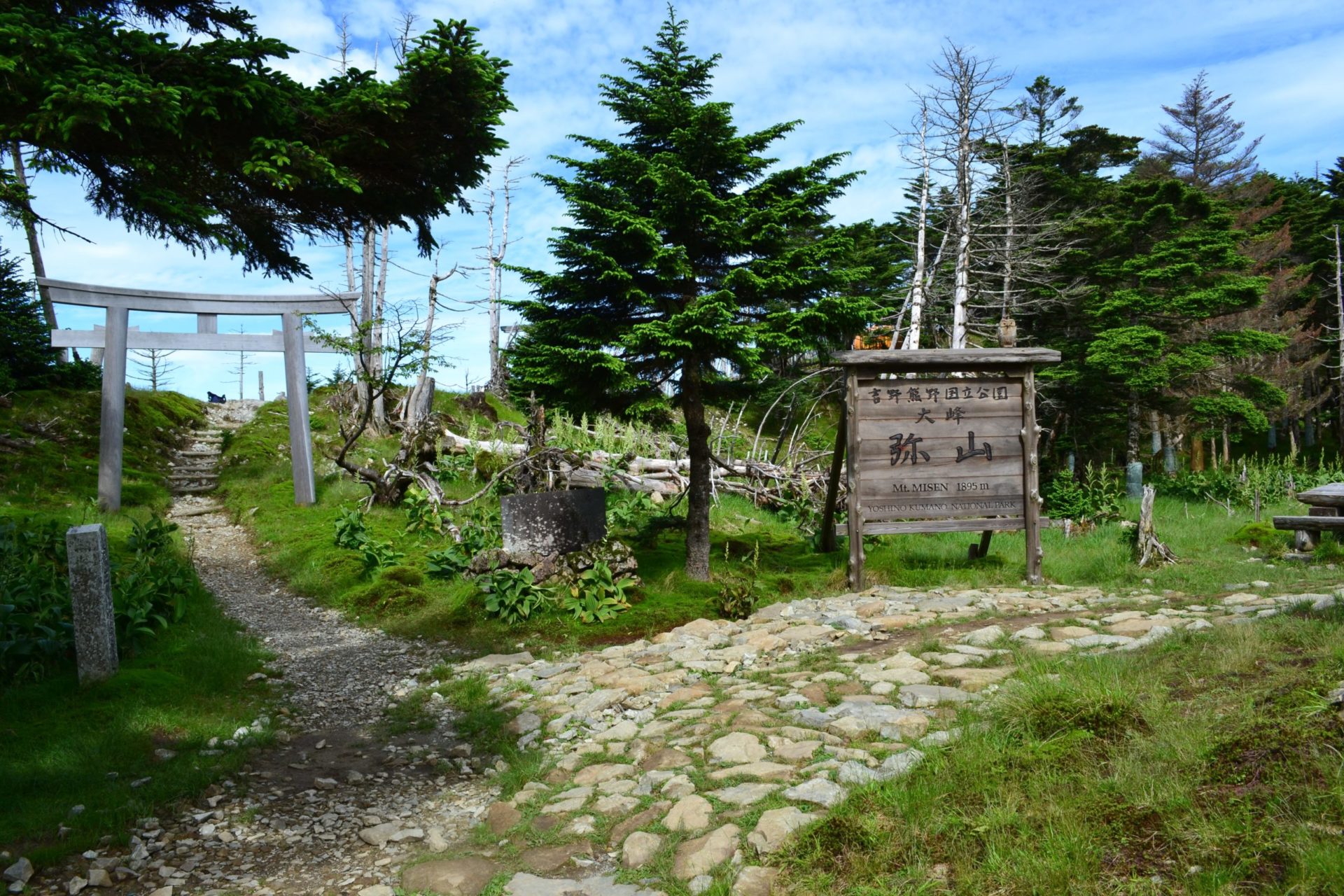
The origin of Tenkawa Daibenzaiten Shrine is at the top of Mount Misen located in the central part of the Omine Mountains.