

The Kii Mountains are a rugged mountain range on the Kii Peninsula that overlooks the Pacific Ocean and straddles Wakayama, Nara and Mie prefectures. Since ancient times, the Kii Mountains have been the center of nature worship which is one of the essential elements of Shintoism, and in particular the mountains have been the object of worship. When Buddhism introduced in the 6th century in Japan merged with Shintoism, the mountains became a place of ascetic training to achieve spiritual awakening. The three sacred sites (the sacred triangle), Mount Koya, Kumano Sanzan and Yoshino/Omine nestled in the heart of dense forests in the Kii Mountains are closely linked to each other through Shinto-Buddhist fusion. Mount Koya is the holy site of esoteric Buddhism shingon. The Kumano Sanzan and Yoshino/Omine are famous as a sacred site of the shugendo born from the fusion of ancient Japanese mountain worship, esoteric Buddhism and other beliefs. Different forms of religion coexist in the Kii Mountains. There you can discover the traditional religious meaning among the Japanese which is different from that of Westerners.
Mount Koya
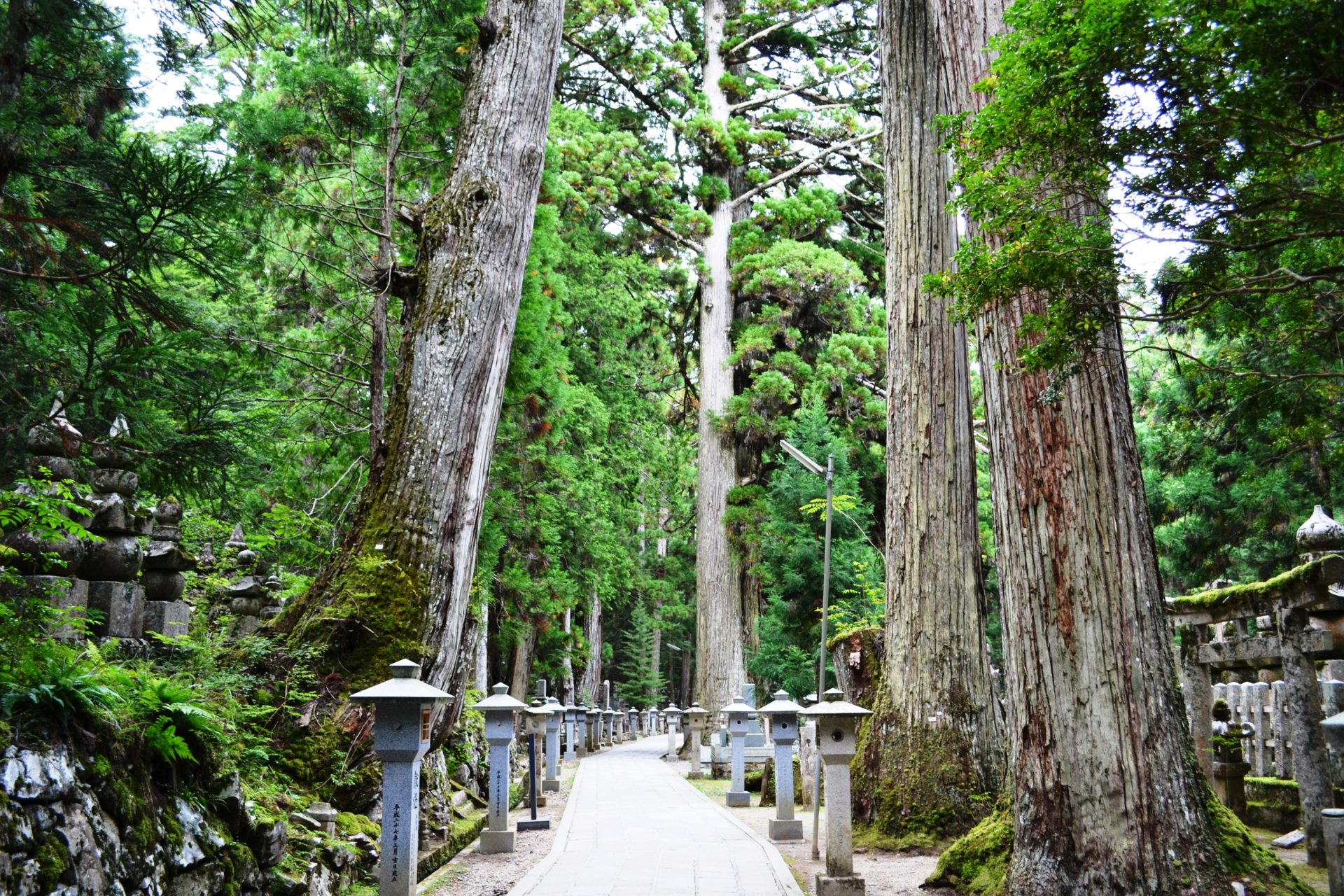
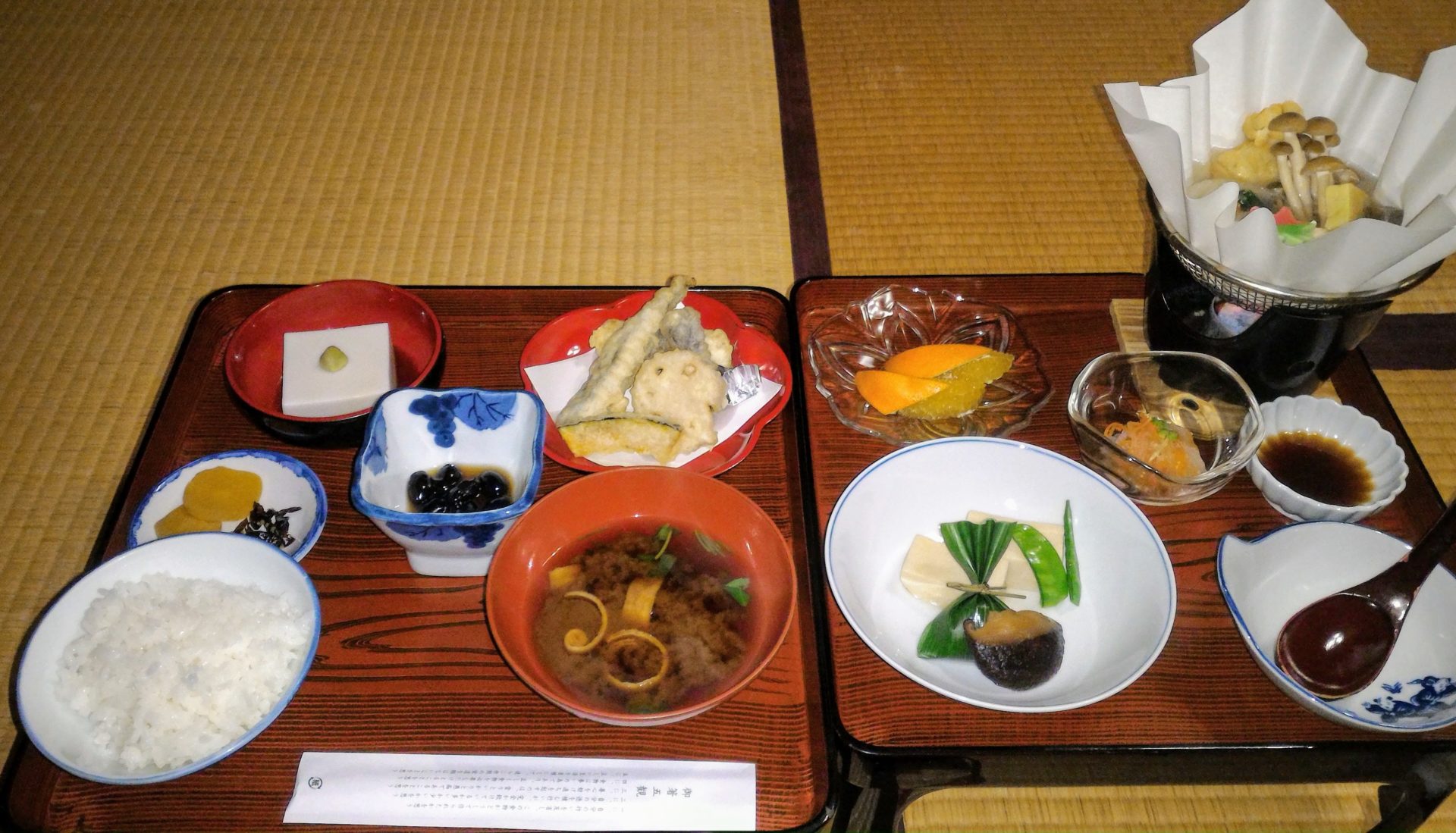
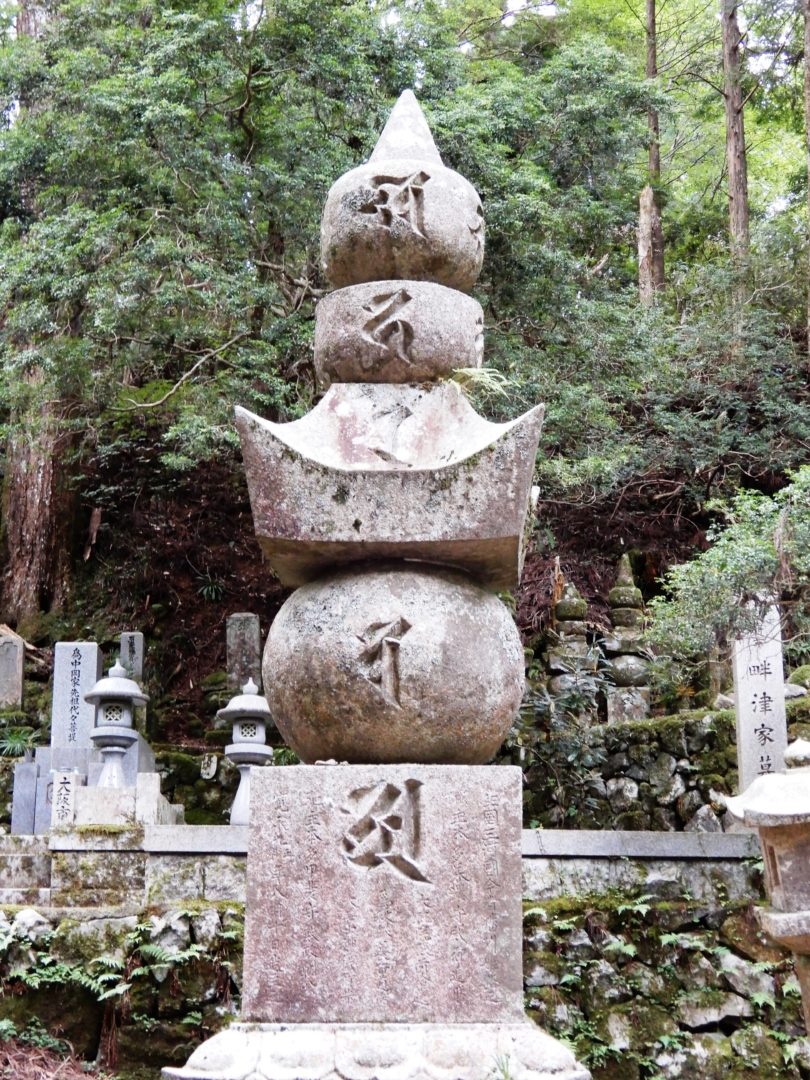
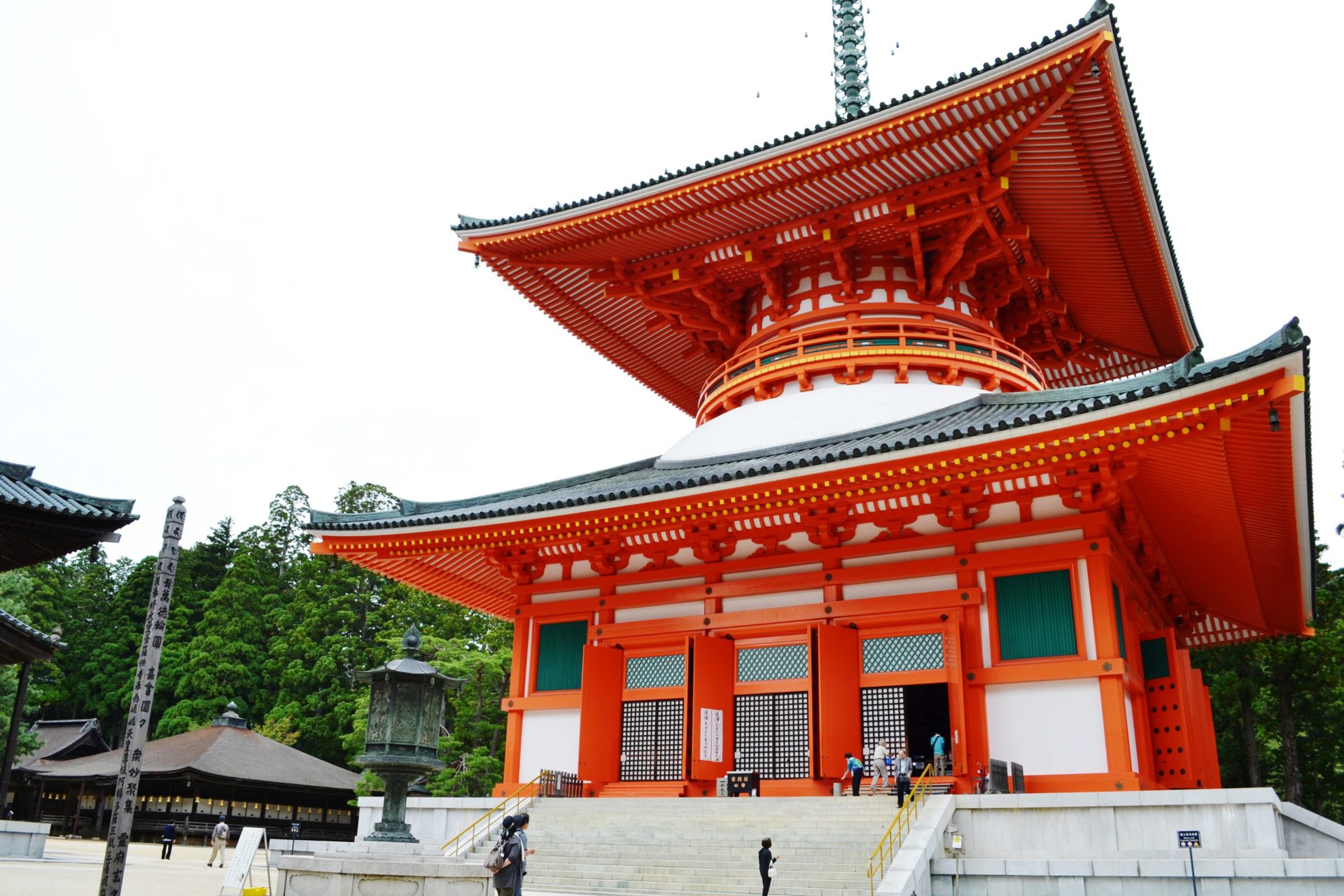
Located in Wakayama Prefecture, 100 kilometers south of Osaka, Mount Koya is a major site of Buddhist pilgrimage. It was founded more than 1,200 years ago as a teaching center for esoteric Shingon Buddhism by the monk Kukai, known as Kobo Daishi. There is no mountain called Koya. It is a plateau surrounded by eight peaks approximately 900 meters above sea level. Mount Koya, where there are 117 active Buddhist temples, has 2,500 inhabitants, a third of whom are monks. It is the largest religious city in the country. If you want to fully experience a religious and spiritual retreat that is difficult to practice elsewhere, it is a must-visit. Listed as a UNESCO World Heritage Site in 2004, pilgrims continually visit it for devotion to Kukai. Feel the Buddhist spirit spun continuously over many years in a majestic and mystical atmosphere.
Mount Koya is full of pretty points of interest, among which Okuno-in and Danjo Garan are the two great holy places to visit.
Kumano
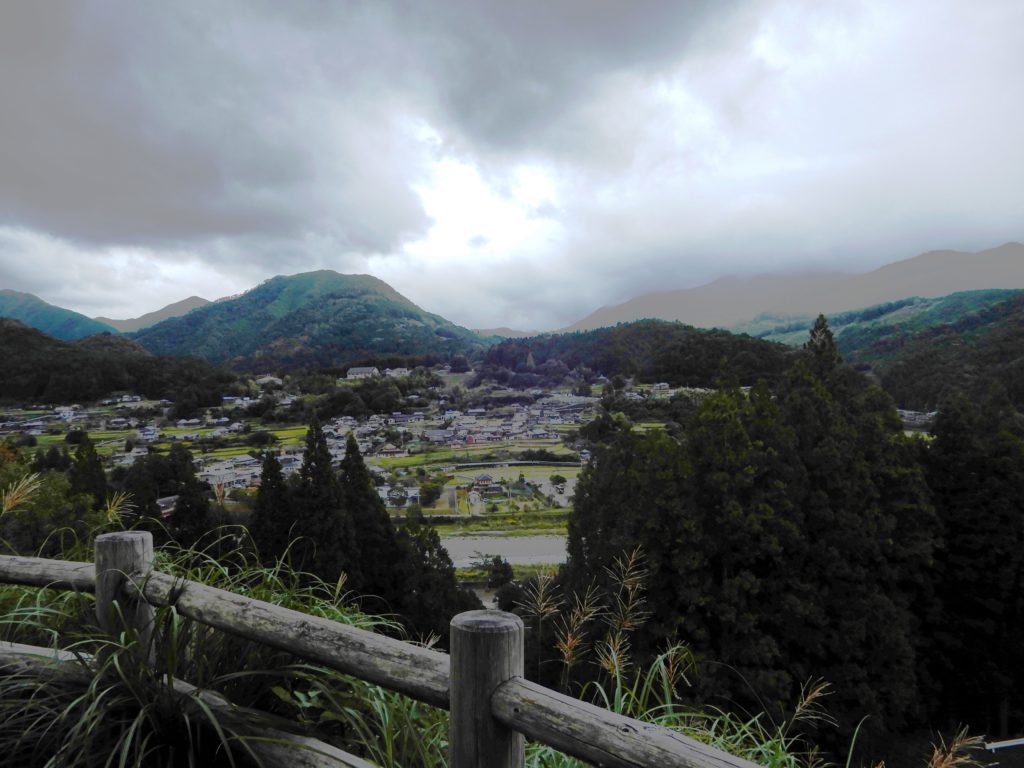
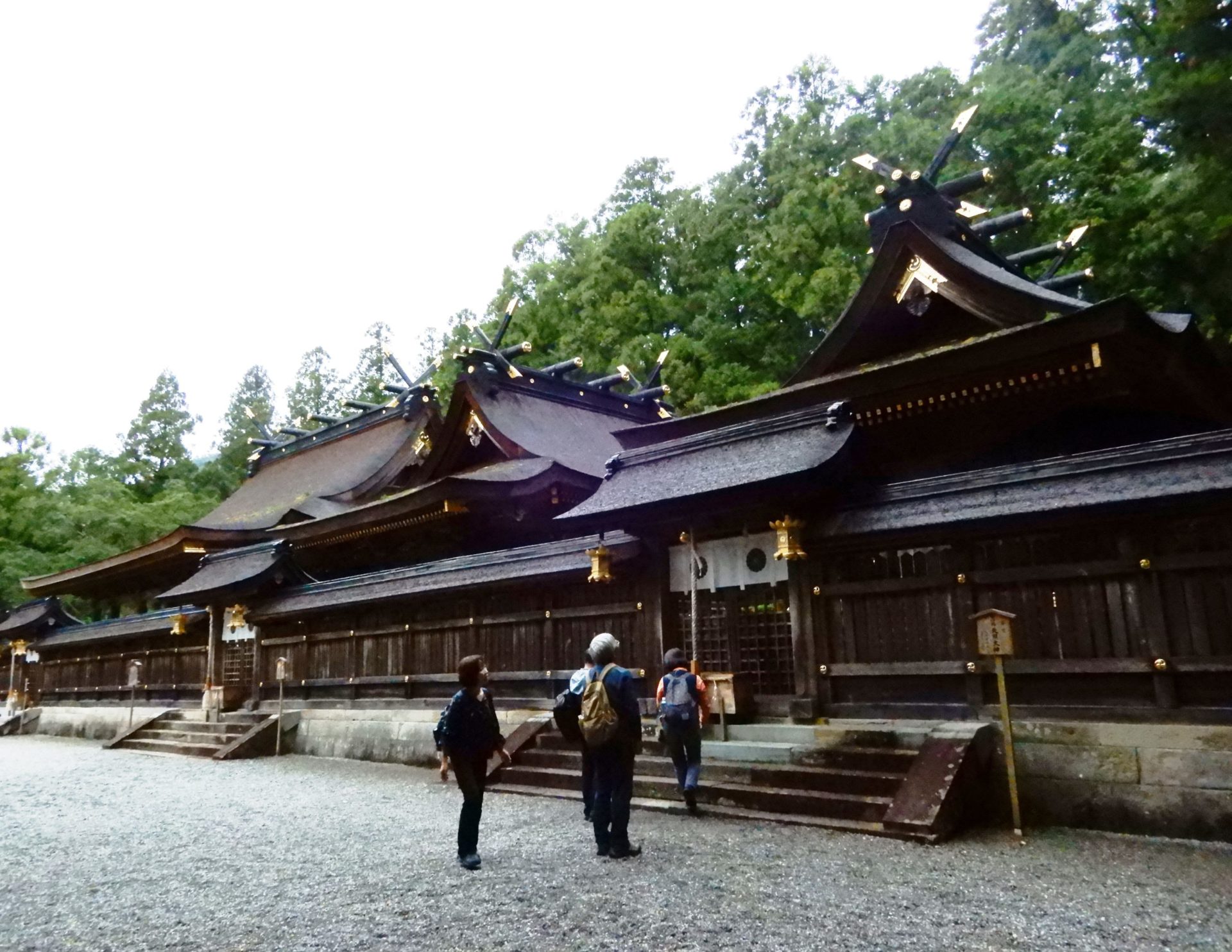
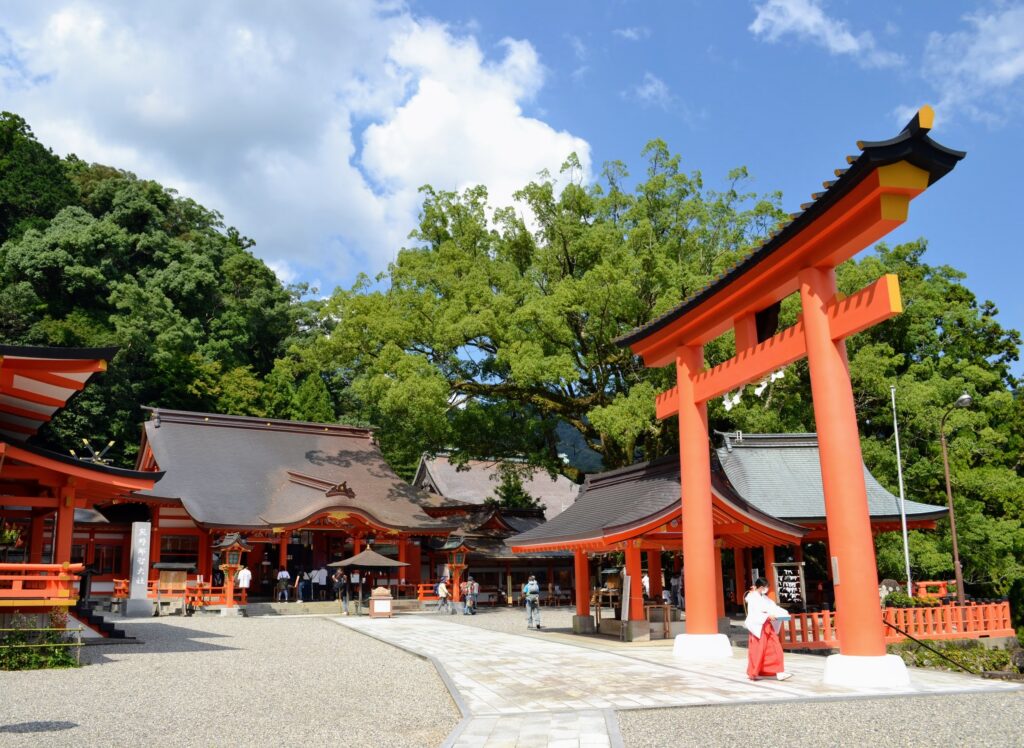
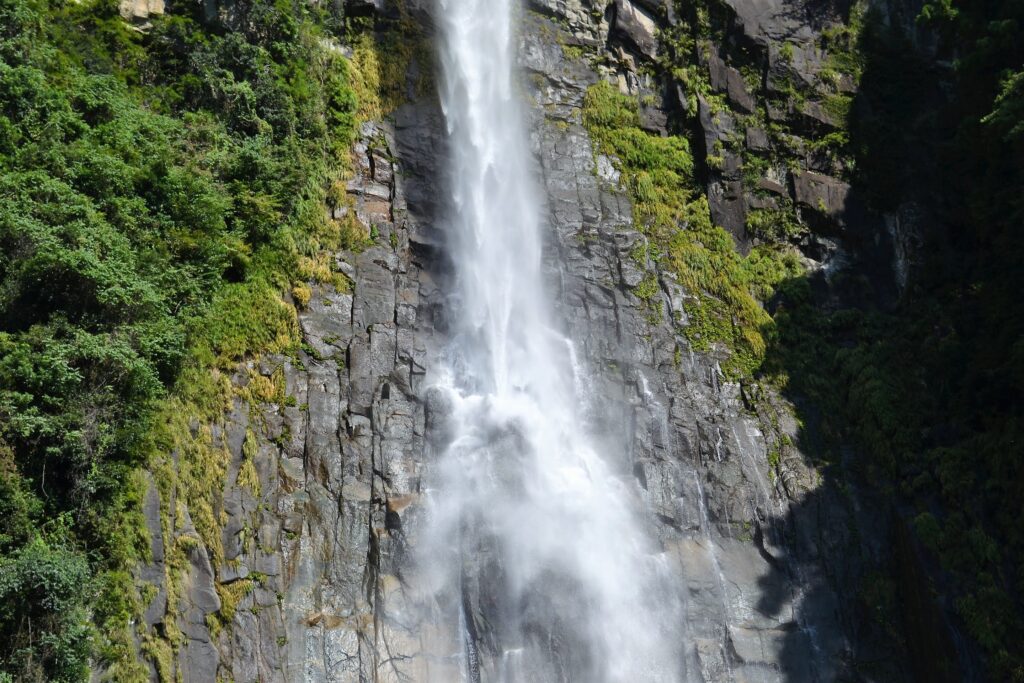
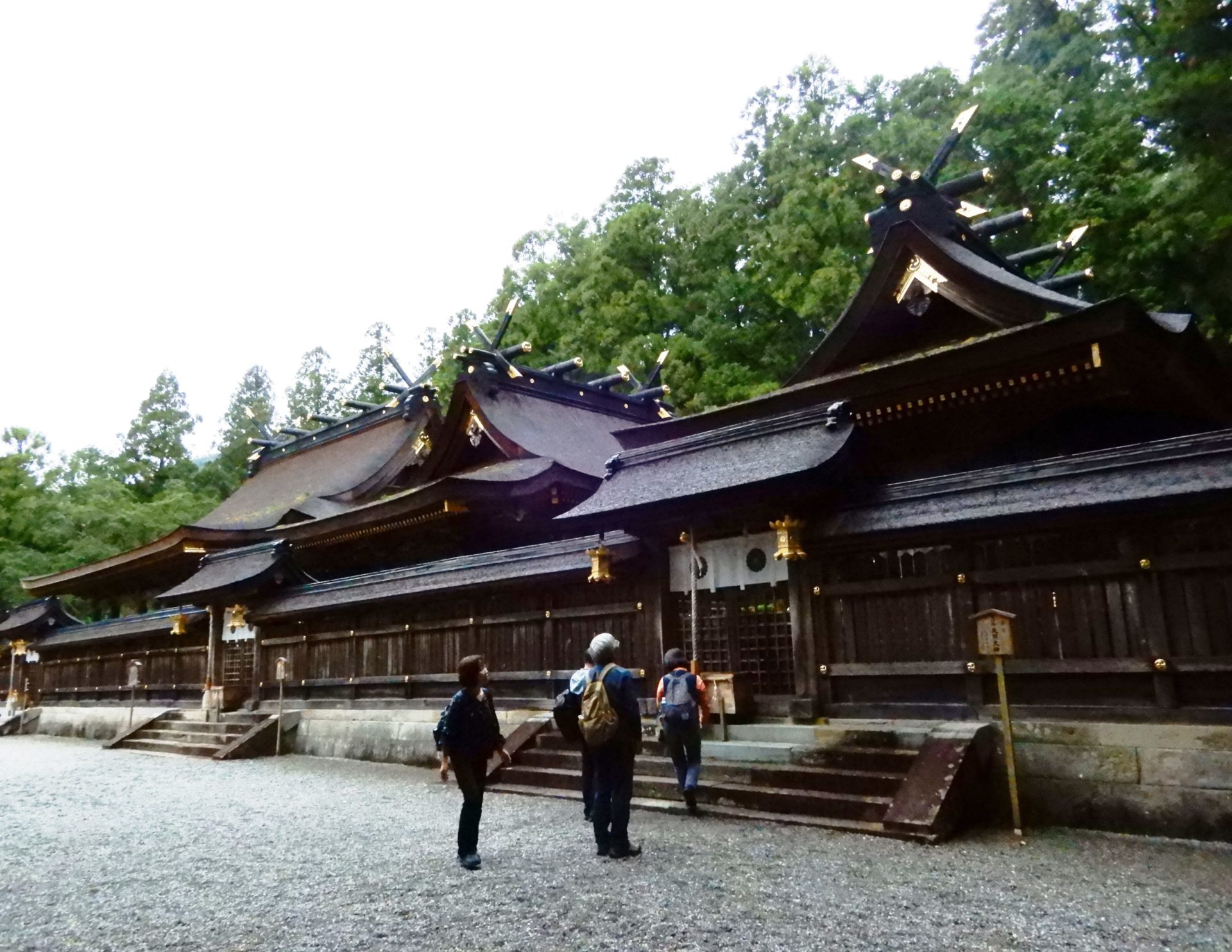
The Kumano region is nestled in lush greenery in the south of the mountainous Kii Peninsula. This place name means a secluded place where the souls of the dead gather. Nature-rich Kumano is deeply associated with nature worship where all natural features such as mountains, rivers, rocks and forests are believed to shelter deities. Shintoism, a traditional Japanese religion, is essentially based on the worship of nature. For over a thousand years, Japanese people from all social classes have made pilgrimages to Kumano. Why does this land full of mystery attract so many pilgrims? What makes Kumano different from other sacred sites in the country?
Yoshino/Omine
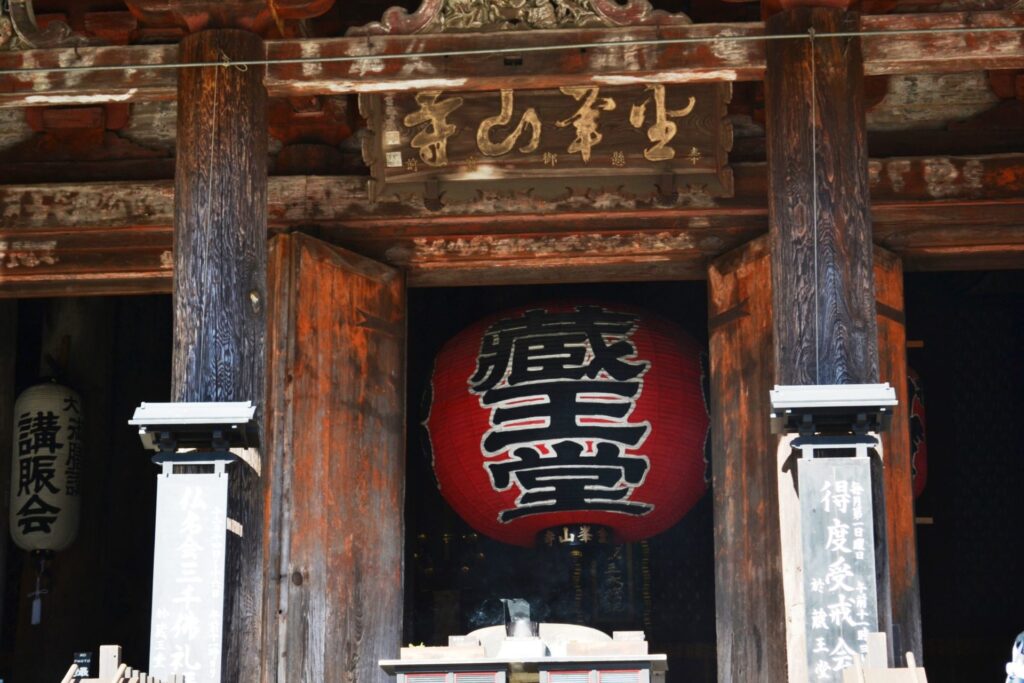
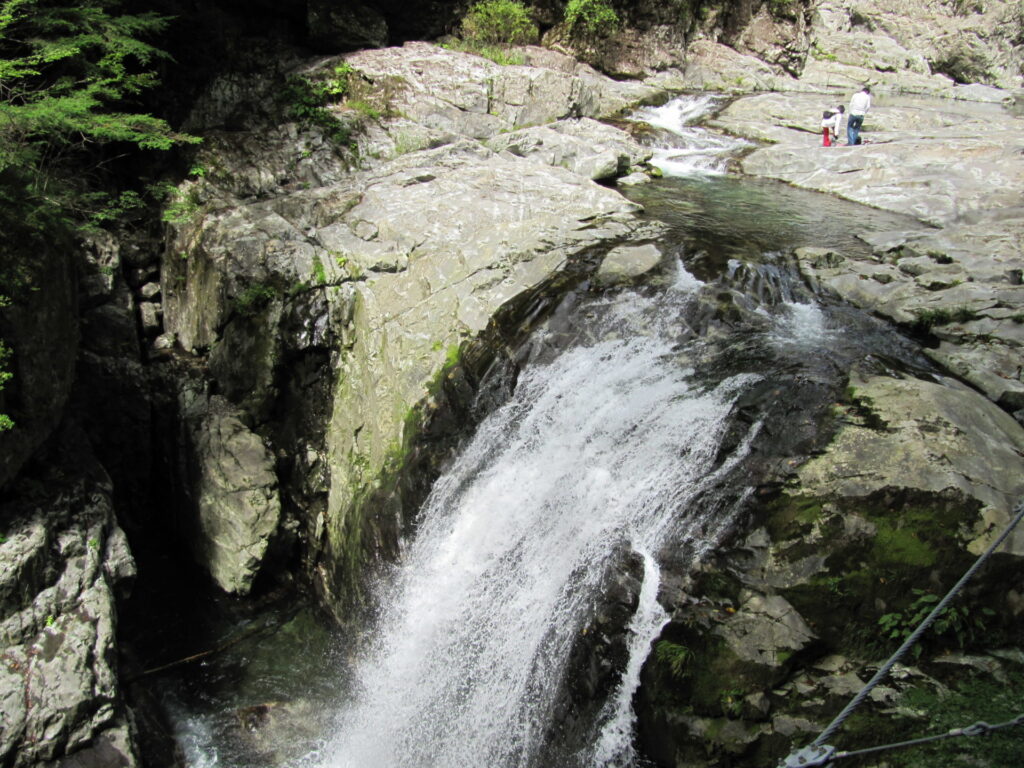
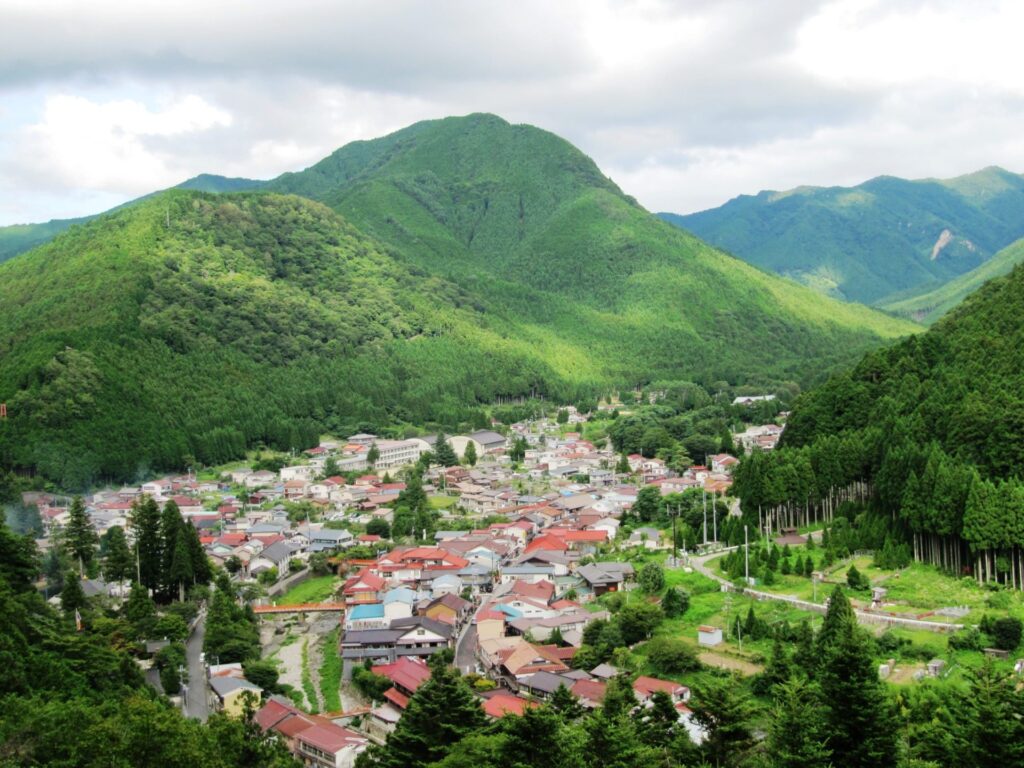
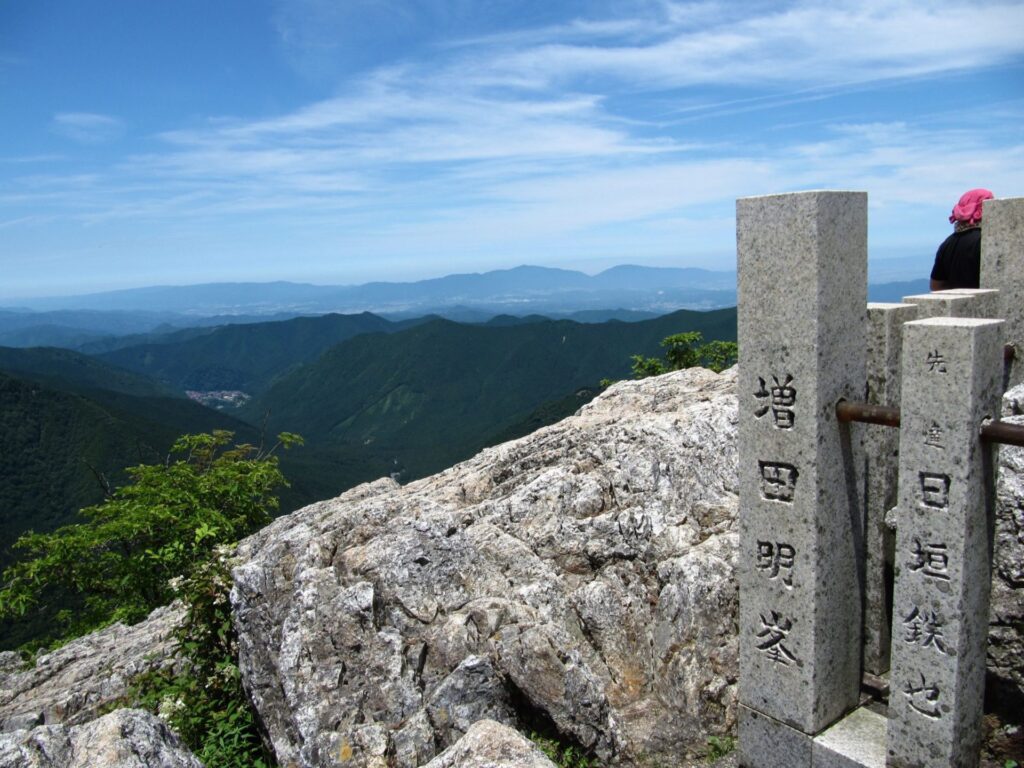
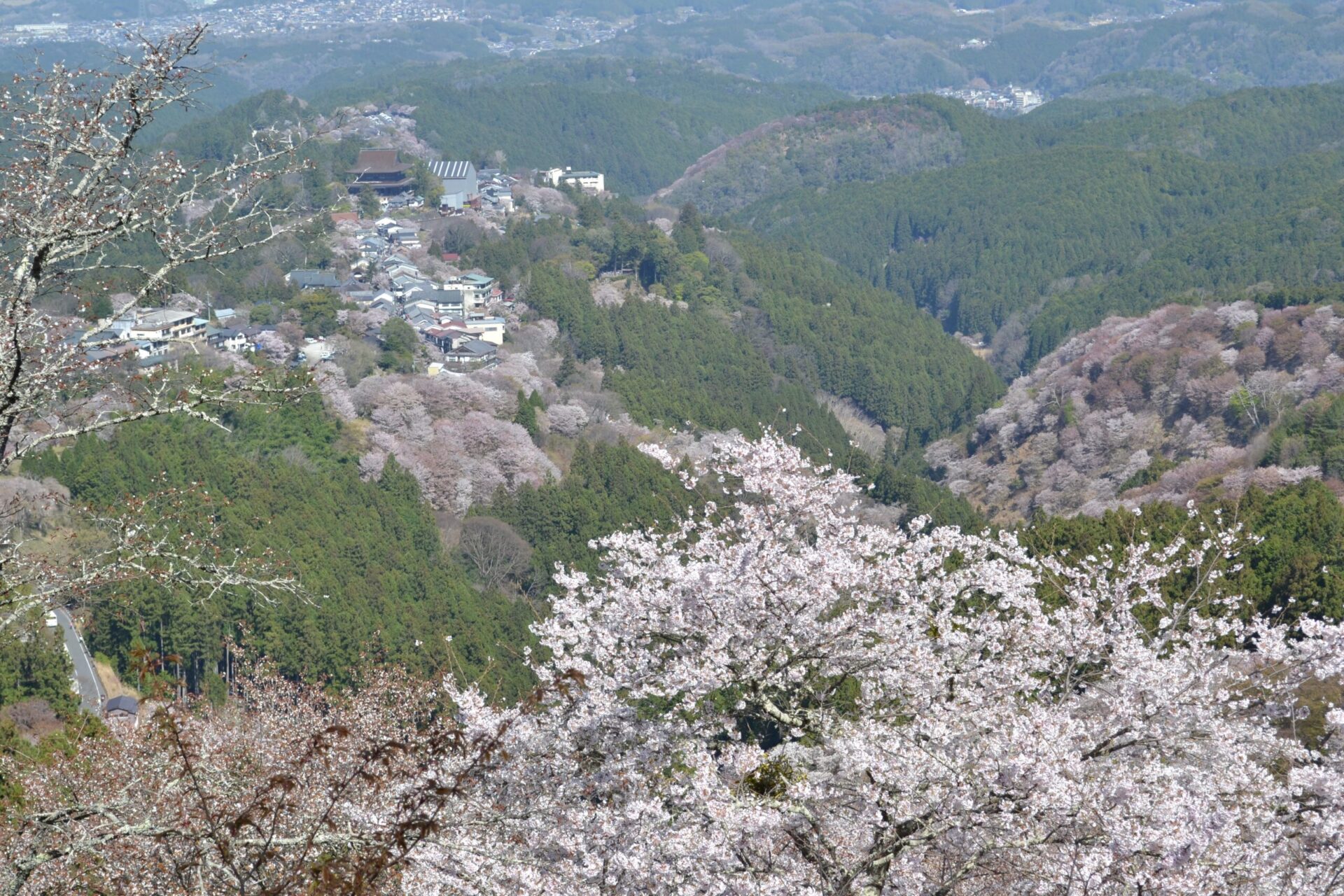
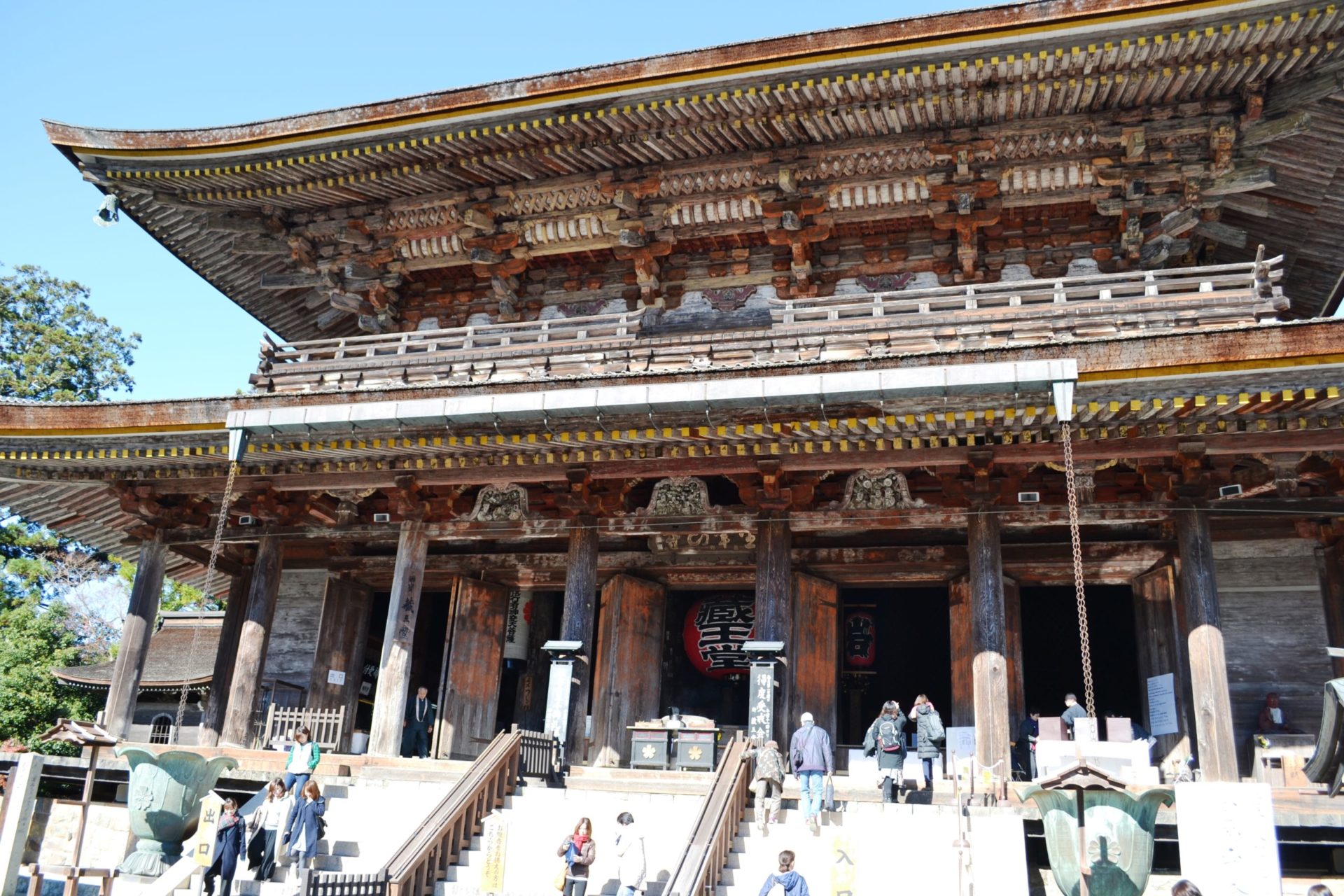
The Yoshino-Omine region is located in the far north of the Kii Mountains in central Nara Prefecture. It is divided into two parts. The region to the north is “Yoshino” and the region to the south is “Omine”. Yoshino-Omine is a mecca ofshugendo, a religion created by the fusion of ancient Japanese mountain worship, esoteric Buddhism and other beliefs in the 8th century. Since then, isolated in the Omine mountain range made up of steep mountains at more than 1,000 meters above sea level, the followers of the shugendo called shugenja follow their ascetic training in contact with nature to achieve spiritual awakening. What constitutes the basis of this religion specific to Japan is a deep feeling of gratitude towards the mountain which brings benefits. Feel the mystical universe of shugendo which is deeply rooted in the spirit of the Japanese, experiencing the unity between man and nature.