

Nara
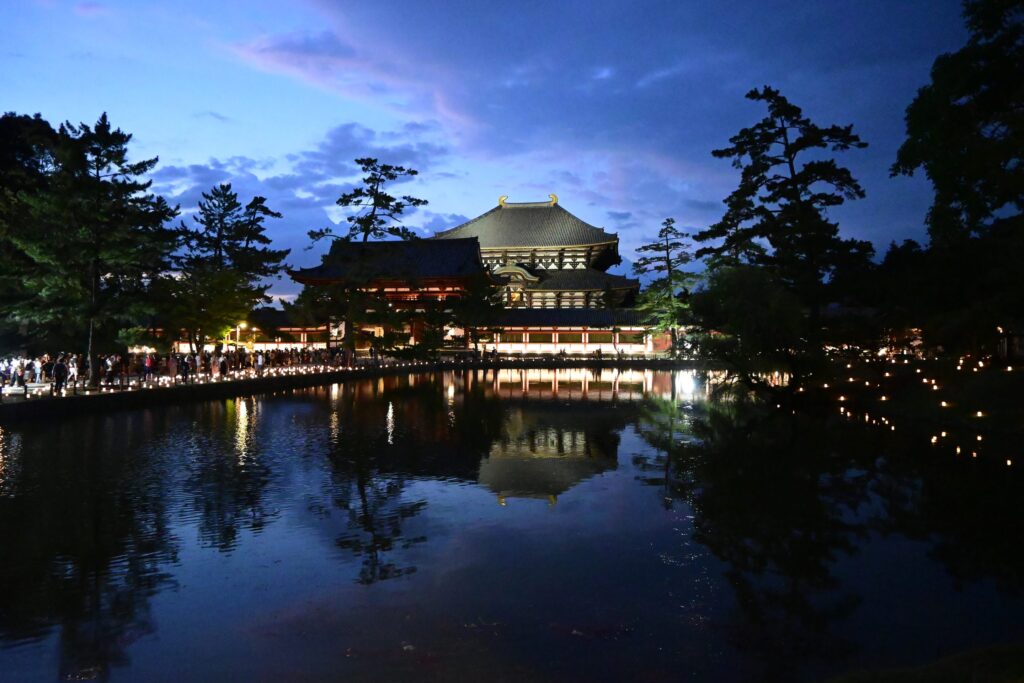
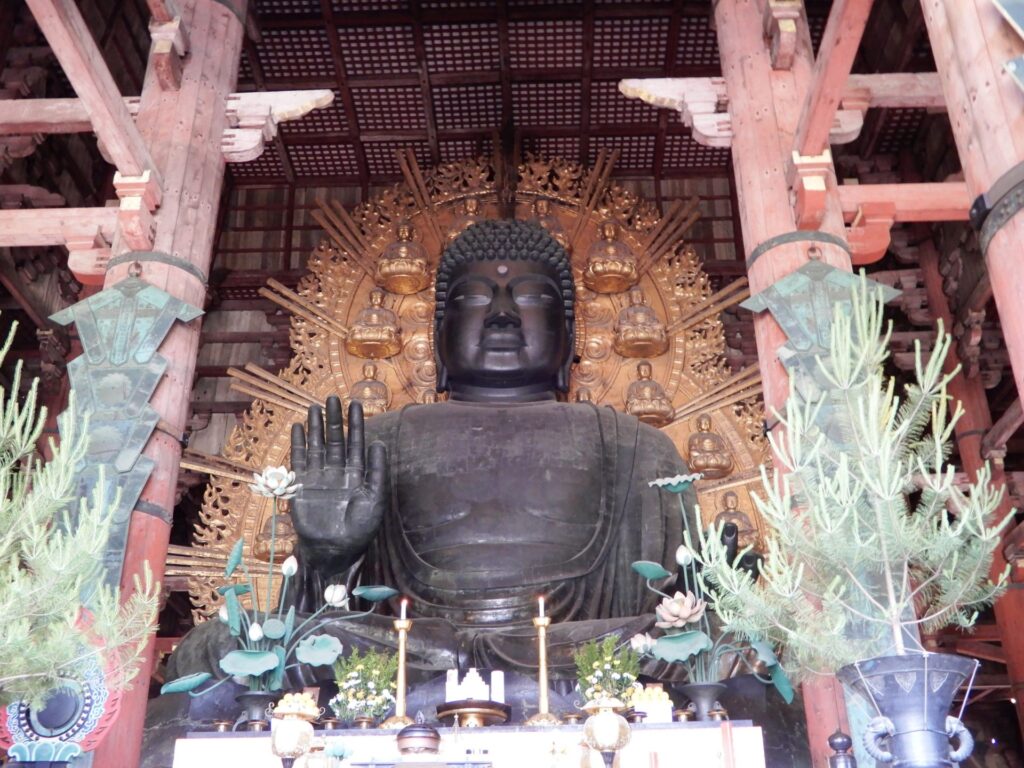
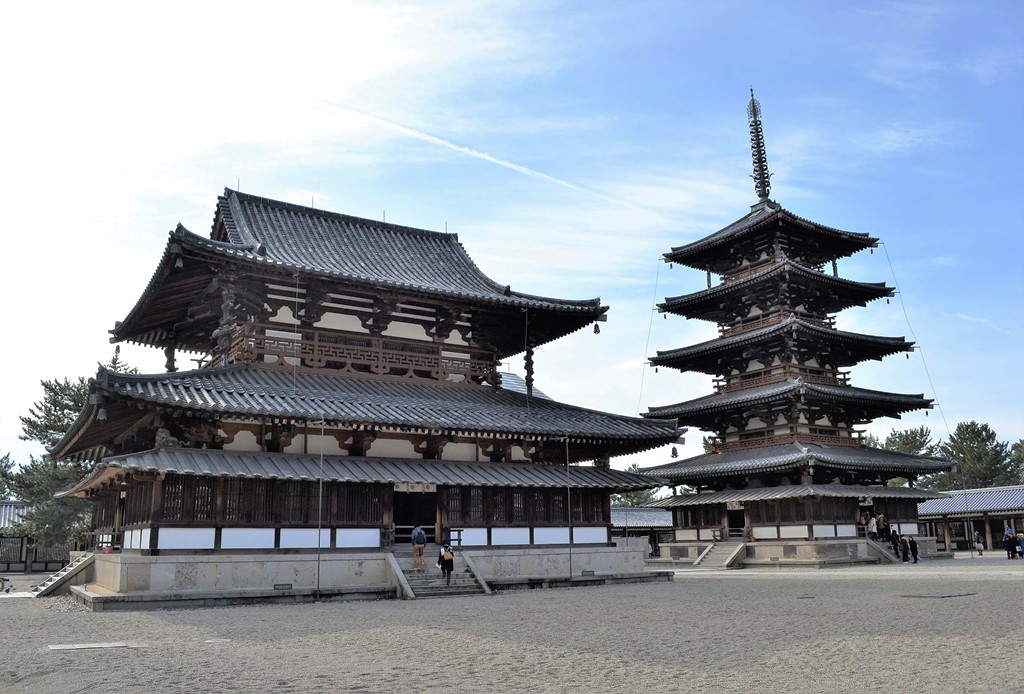
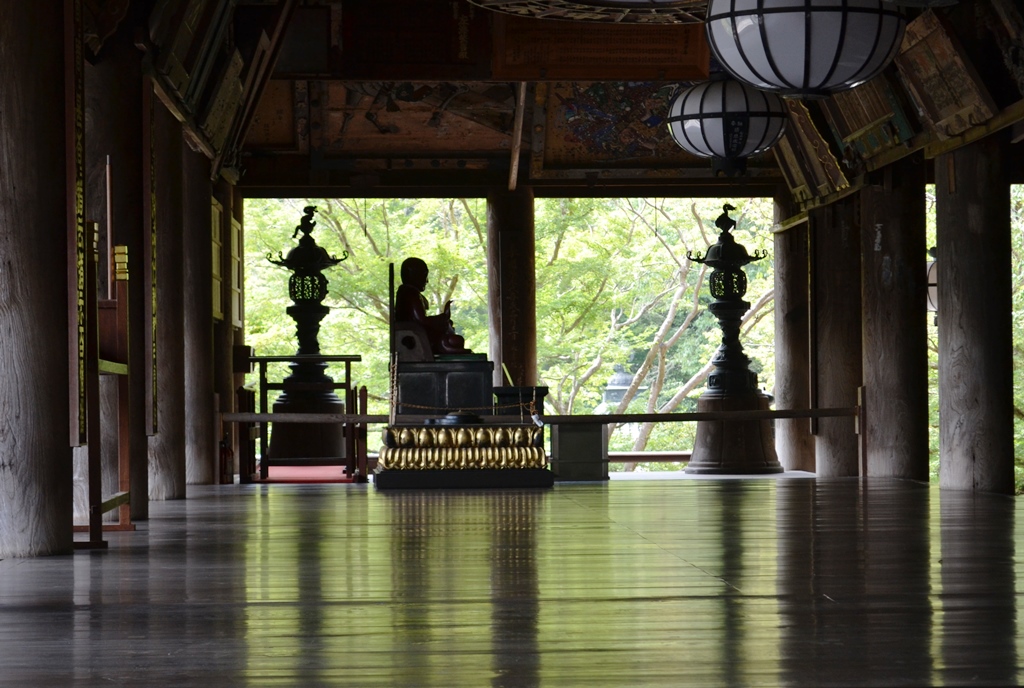
The city of Nara, located about 45 km south of Kyoto, was the capital of Japan in the 8th century. It was in Nara that Buddhism and Buddhist culture flourished. If you are interested in grand Buddhist architecture or Buddha statues, Nara is an impressive and unmissable destination. Kyoto and Nara are both cities with rich heritage. But compared to the chic atmosphere of Kyoto, a visit to Nara offers a taste of a rather peaceful and bucolic landscape. Why? It will be immediately apparent when you encounter animals roaming freely in the lush green park.
The city of Nara is located in the north of the prefecture. I describe the historical monuments or recommended neighborhoods around Nara Park, in the west of the city center and in the suburbs of Nara.
Kyoto
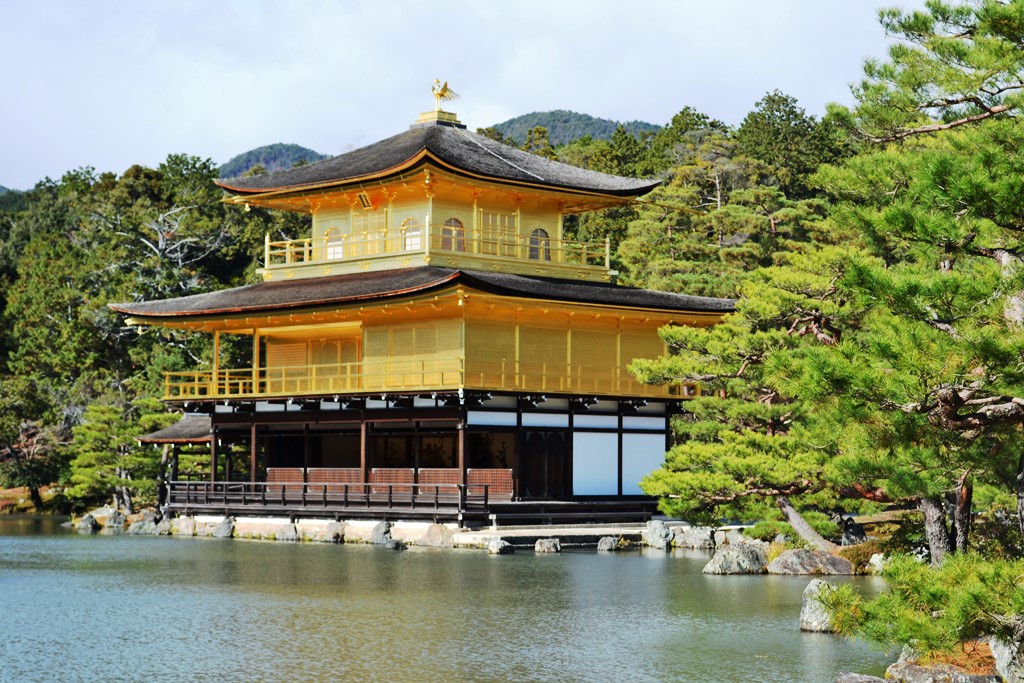
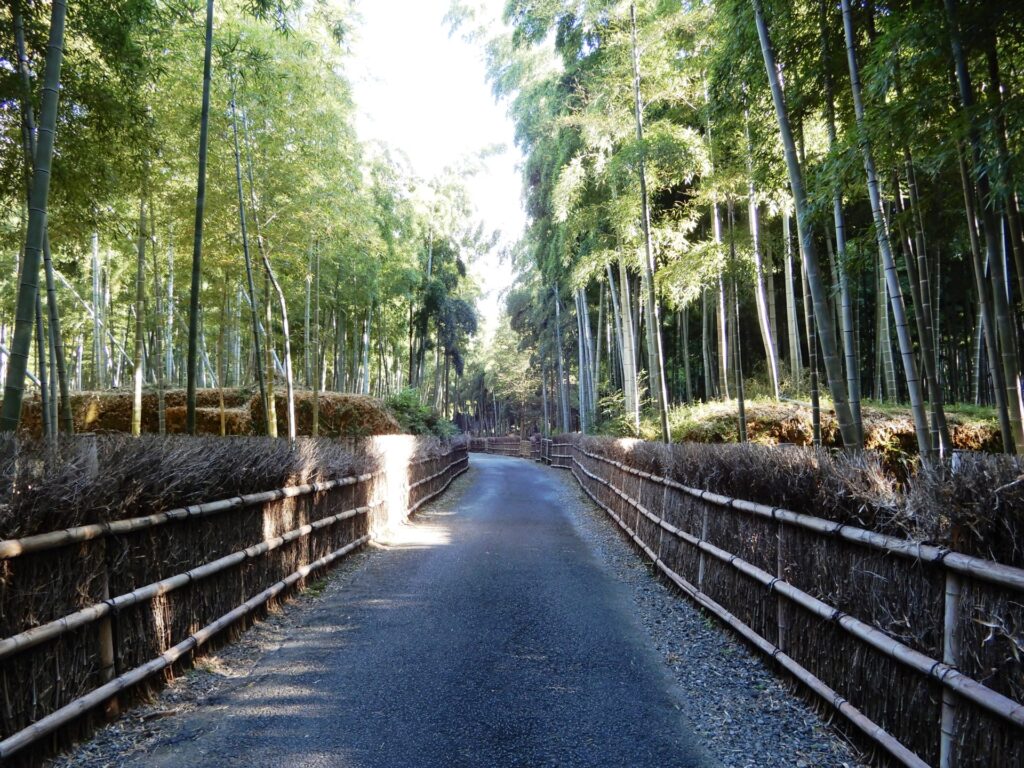
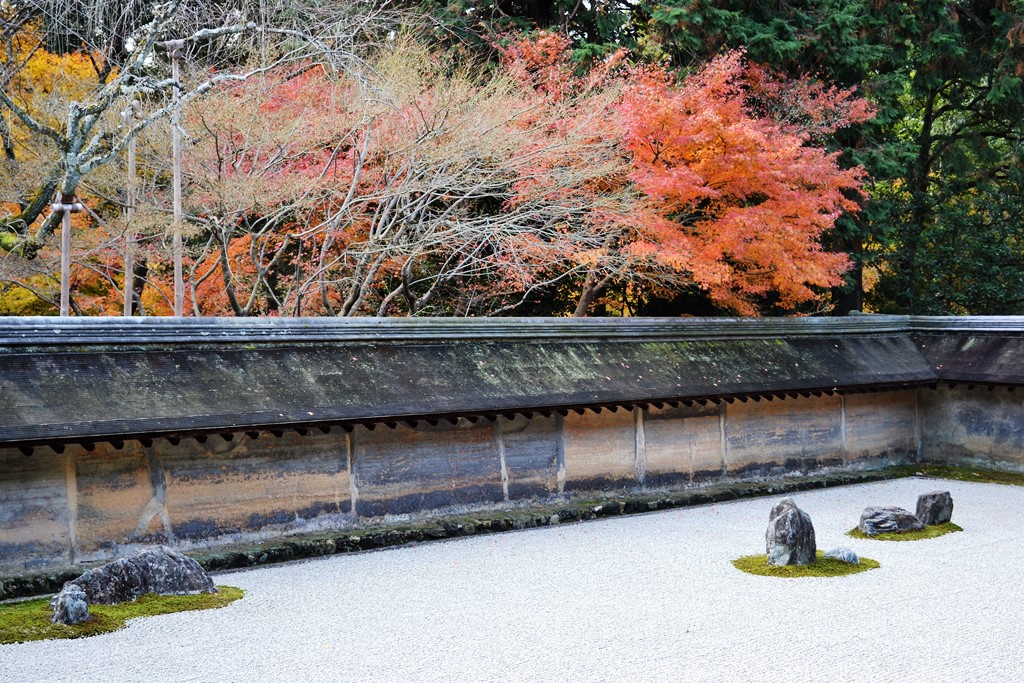
The city of Kyoto, located in the central-western part of Japan, is 500 km west of Tokyo. Did you know that Kyoto was the capital of Japan for over a thousand years? Today, Kyoto is modernized, yet its culture and traditions remain. It’s no exaggeration to say that Kyoto is the most visited city in Japan. There are numerous Buddhist temples and Shinto shrines, but Kyoto’s charm isn’t limited to these historical monuments. You can also enjoy beautiful and varied Japanese gardens, rows of traditional houses, and charming alleyways. The essence of Japanese culture will undoubtedly be discovered there.
I describe the recommended historical monuments or neighborhoods by area. The city of Kyoto is divided into roughly 5 areas: the East area, the West area, the South area, the North area, and the Central area.
Osaka
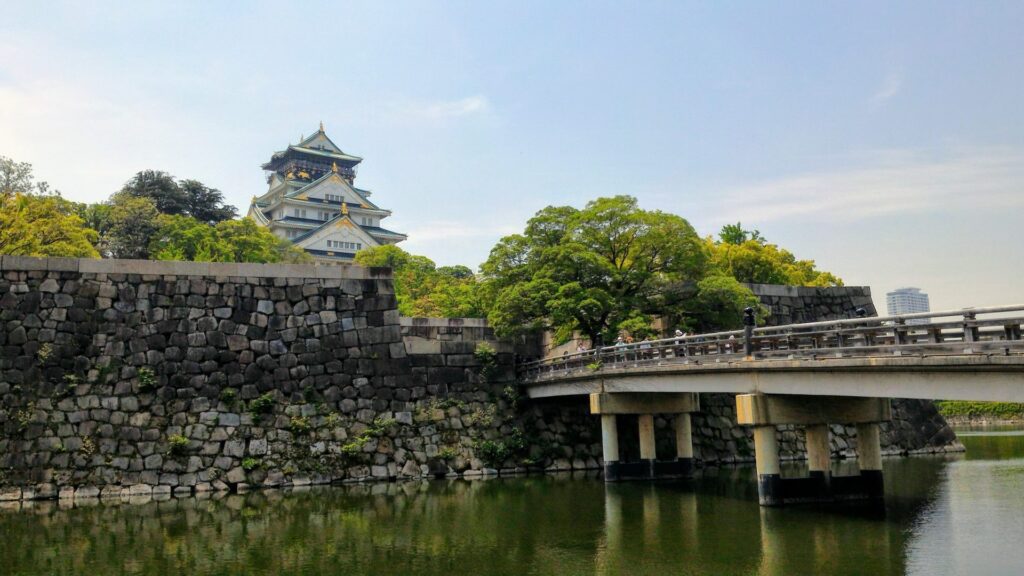
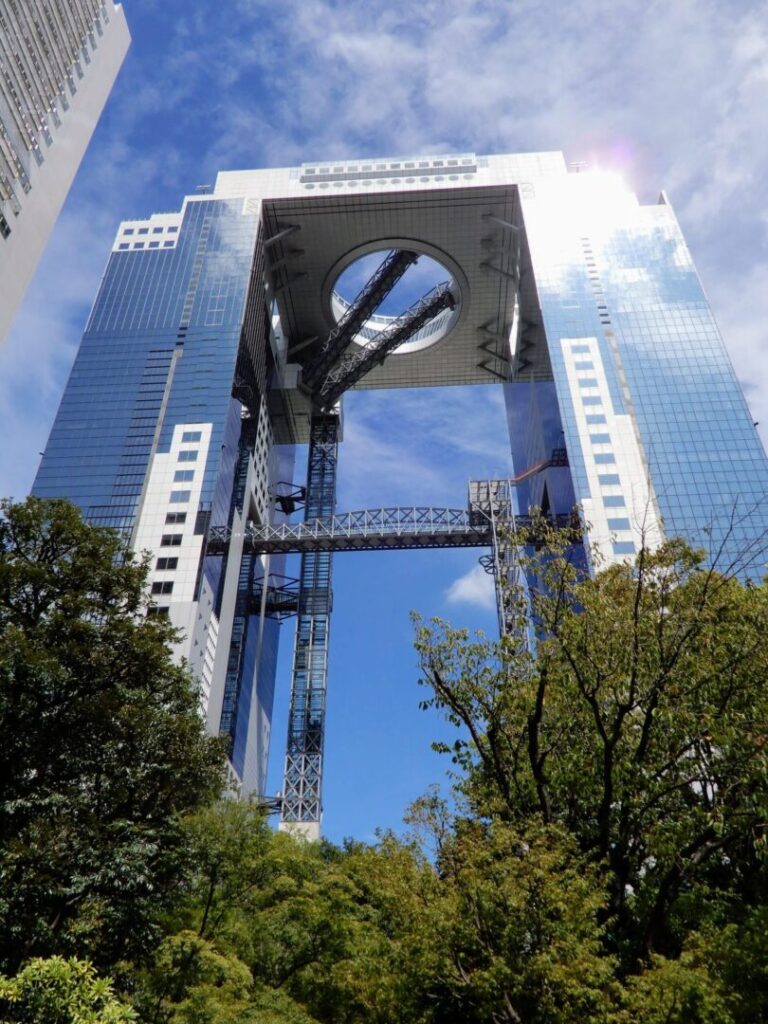
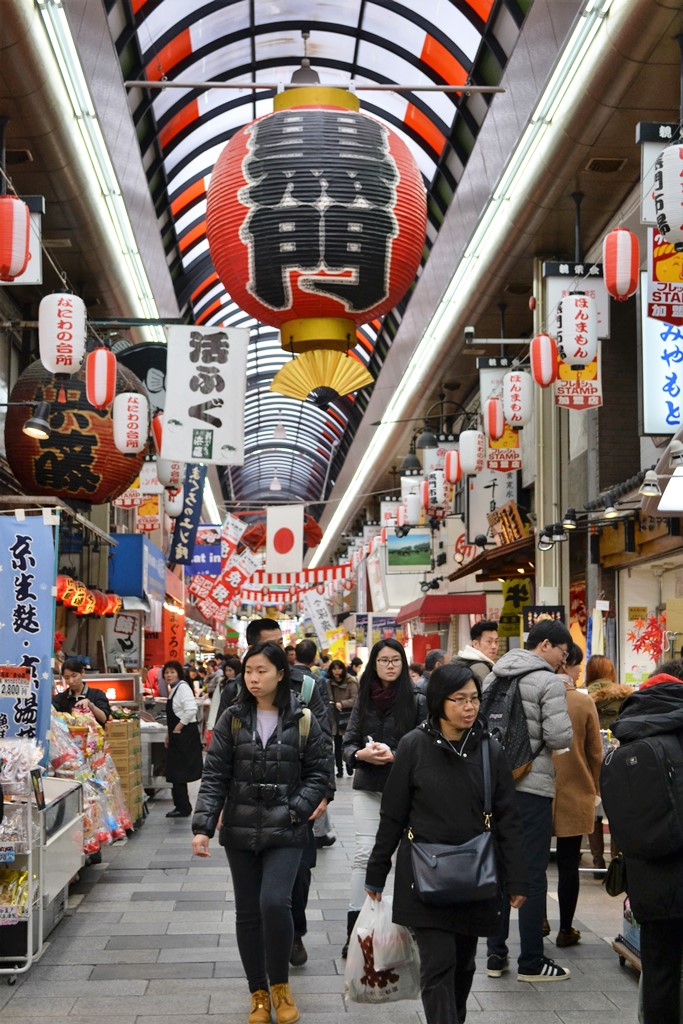
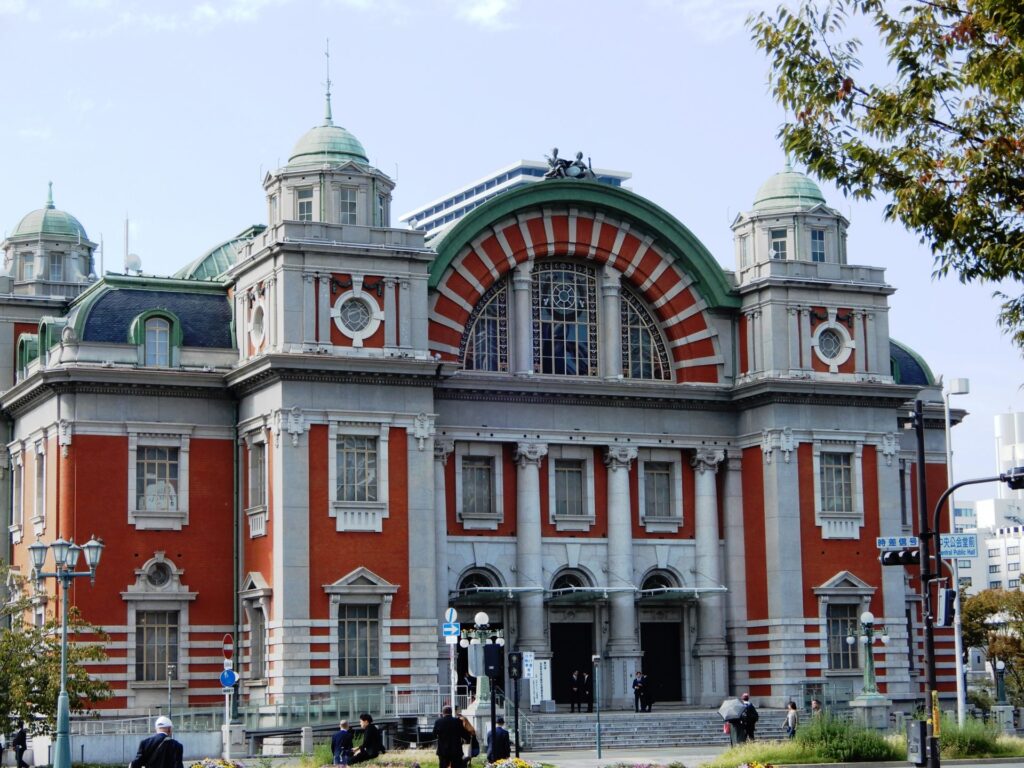
Osaka is the third largest city in Japan with 2.7 million inhabitants. It is the administrative, economic, and cultural center of the Kansai region. Osaka was partially destroyed by aerial bombardment during World War II and subsequently rebuilt. What are the must-sees today? I think it’s the vibrant and bustling atmosphere that is so characteristic of Osaka. Osaka is also renowned as a culinary city. Be sure to try its delicious dishes at reasonable prices.
I describe the recommended districts by area: the South district, the North district, the Tenno-ji district, the district around Osaka Castle and the Nakanoshima and Semba districts.
Kii Mountains
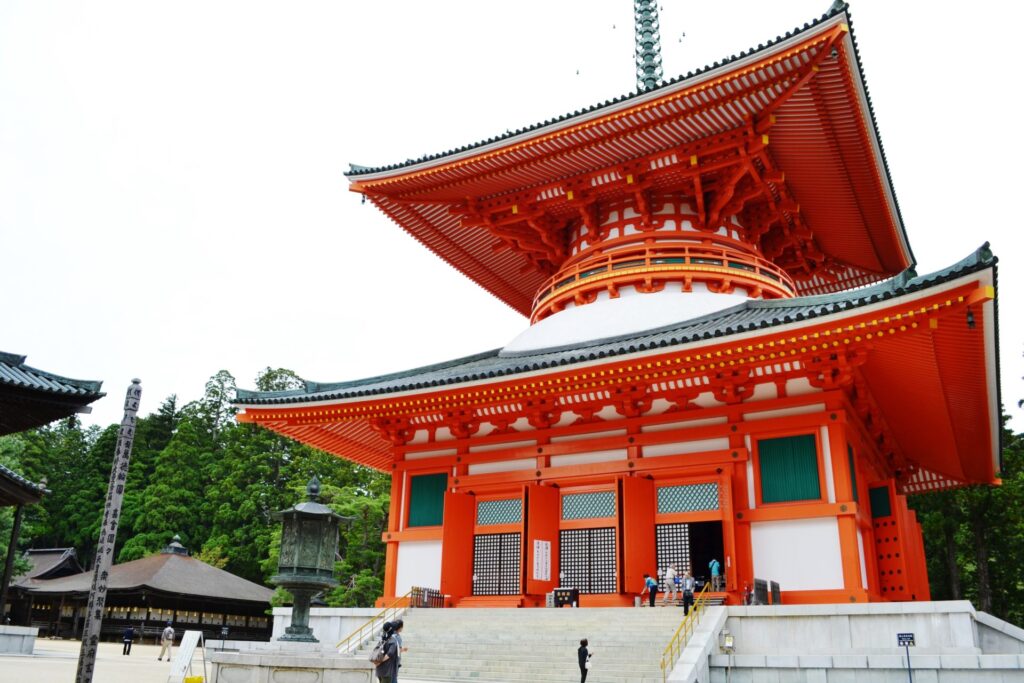
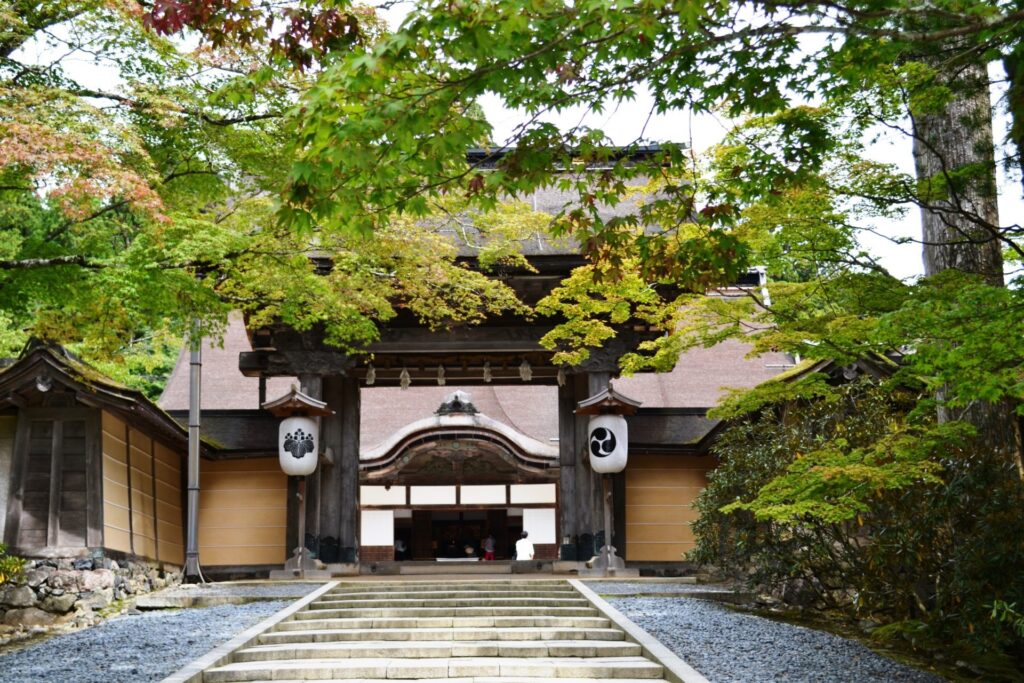
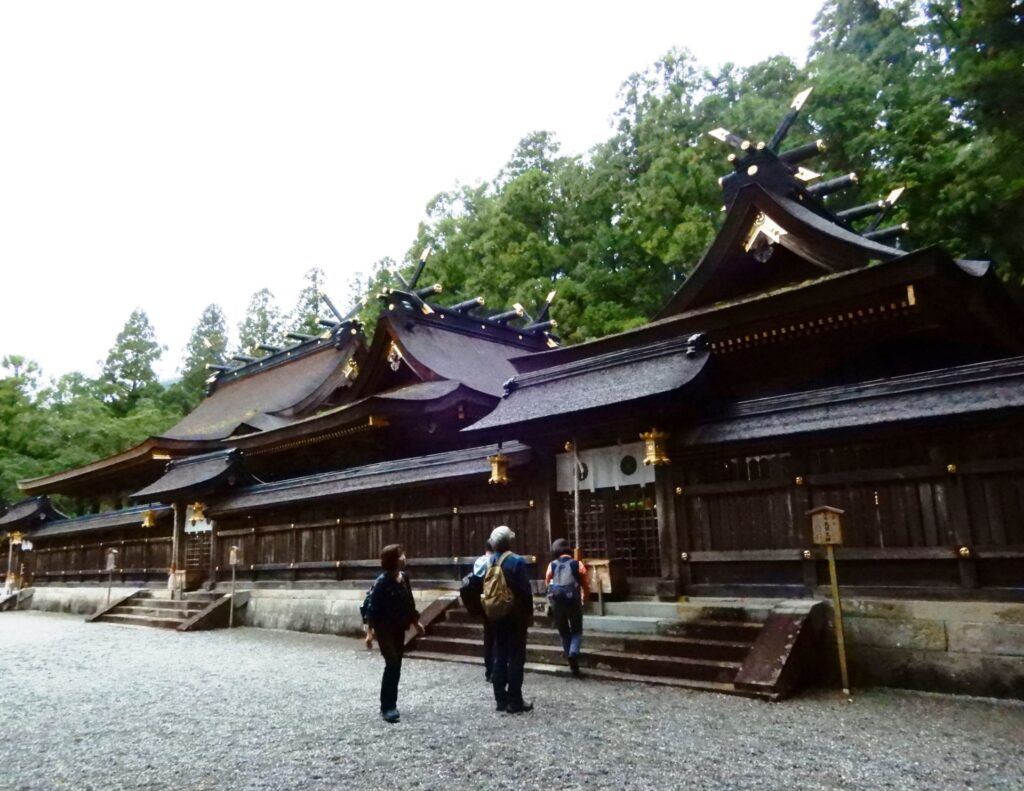
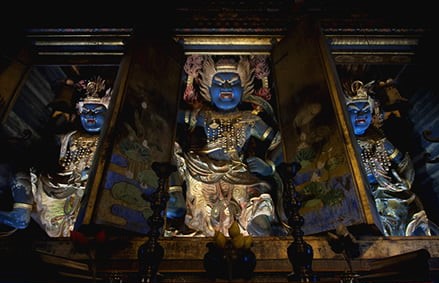
The Kii Mountains are a rugged mountain range on the Kii Peninsula overlooking the Pacific Ocean, straddling the prefectures of Wakayama, Nara, and Mie. Since ancient times, the Kii Mountains have been a center of nature worship, a core element of Shintoism, and the mountains themselves have been the object of veneration. When Buddhism, introduced to Japan in the 6th century, merged with Shinto, the mountains became a place of ascetic training for spiritual enlightenment. The three sacred sites (the sacred triangle) – Mount Koya, Kumano Sanzan, and Yoshino/Omine – nestled within the dense forests of the Kii Mountains, are closely interconnected through this Shinto-Buddhist fusion. Mount Koya is the holy site of Shingon esoteric Buddhism. Kumano Sanzan and Yoshino/Omine are famous as sacred sites of Shugendo, a religion born from the fusion of ancient Japanese mountain worship, esoteric Buddhism, and other beliefs. These different forms of religion coexist in the Kii Mountains. There, you can discover the traditional religious understanding of the Japanese, which differs from that of Westerners.