

Kyoto by the Sea
This is the area located in the northernmost part of Kyoto Prefecture, the Tango Peninsula, on the Sea of Japan. It is dotted with picturesque spots and unique landscapes that cannot be seen elsewhere.
Amanohashidate
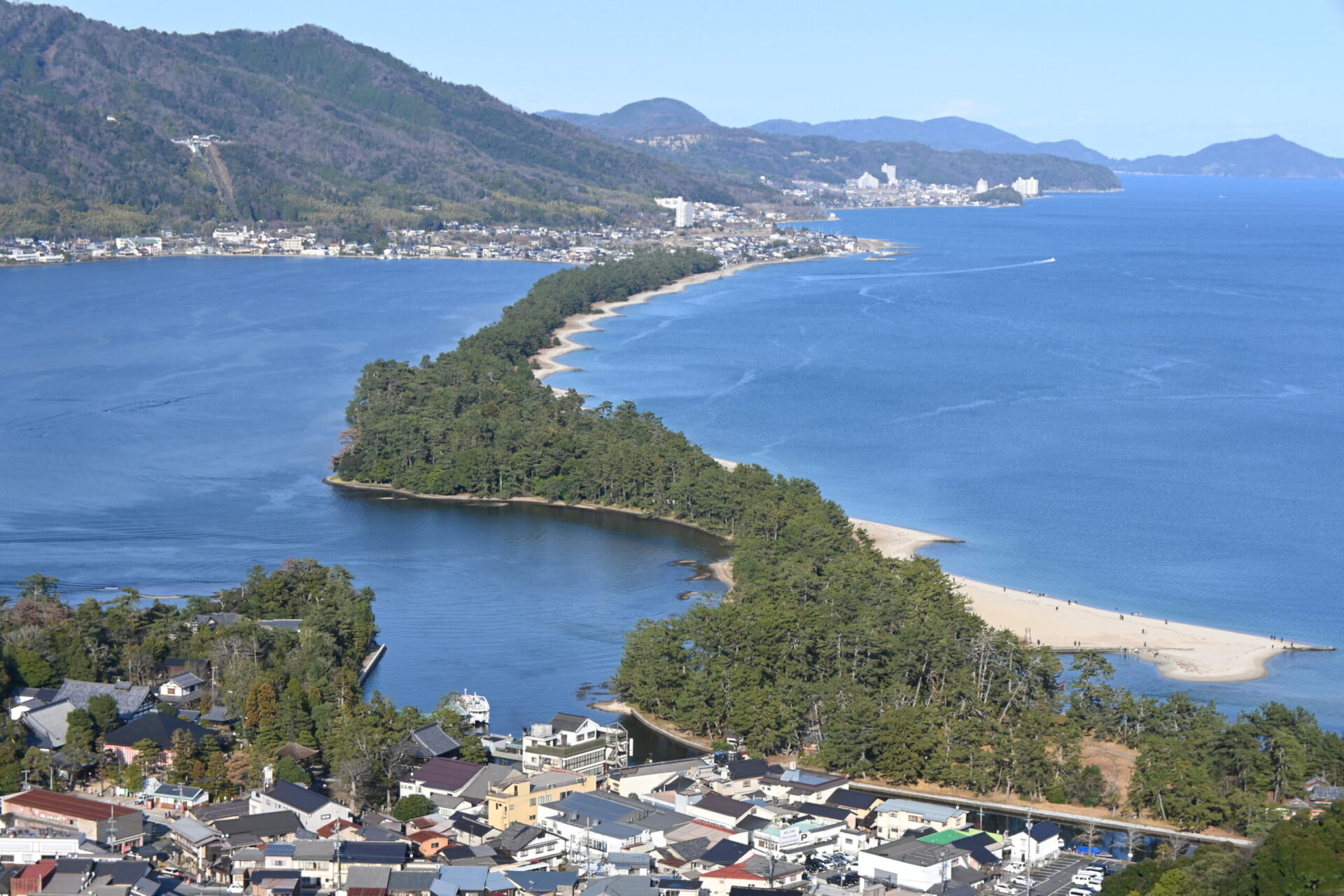
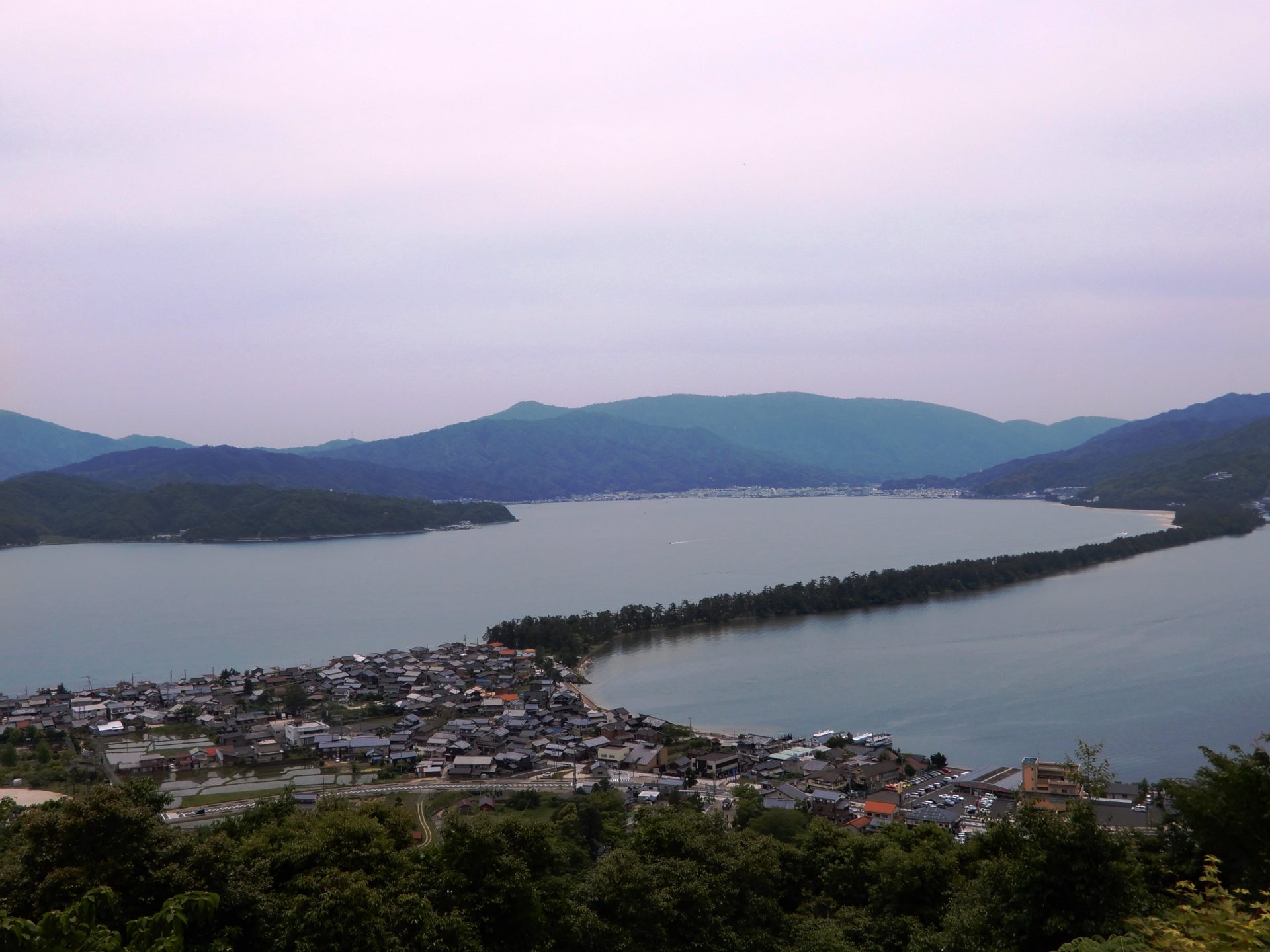
Listed as one of Japan’s three beautiful sights, Amanohashidate is a narrow strip of sand 3.6 kilometers long. Its name, which translates into French as “bridge that connects the earth to the sky,” comes from a Shinto mythology: the creator god of Japan used a ladder to go back and forth between the earth and the sky, but one fine day, this ladder collapsed and became a “bridge” connecting the opposite shores. Its unique landscape has long been painted or chosen as the subject of Japanese poetry.
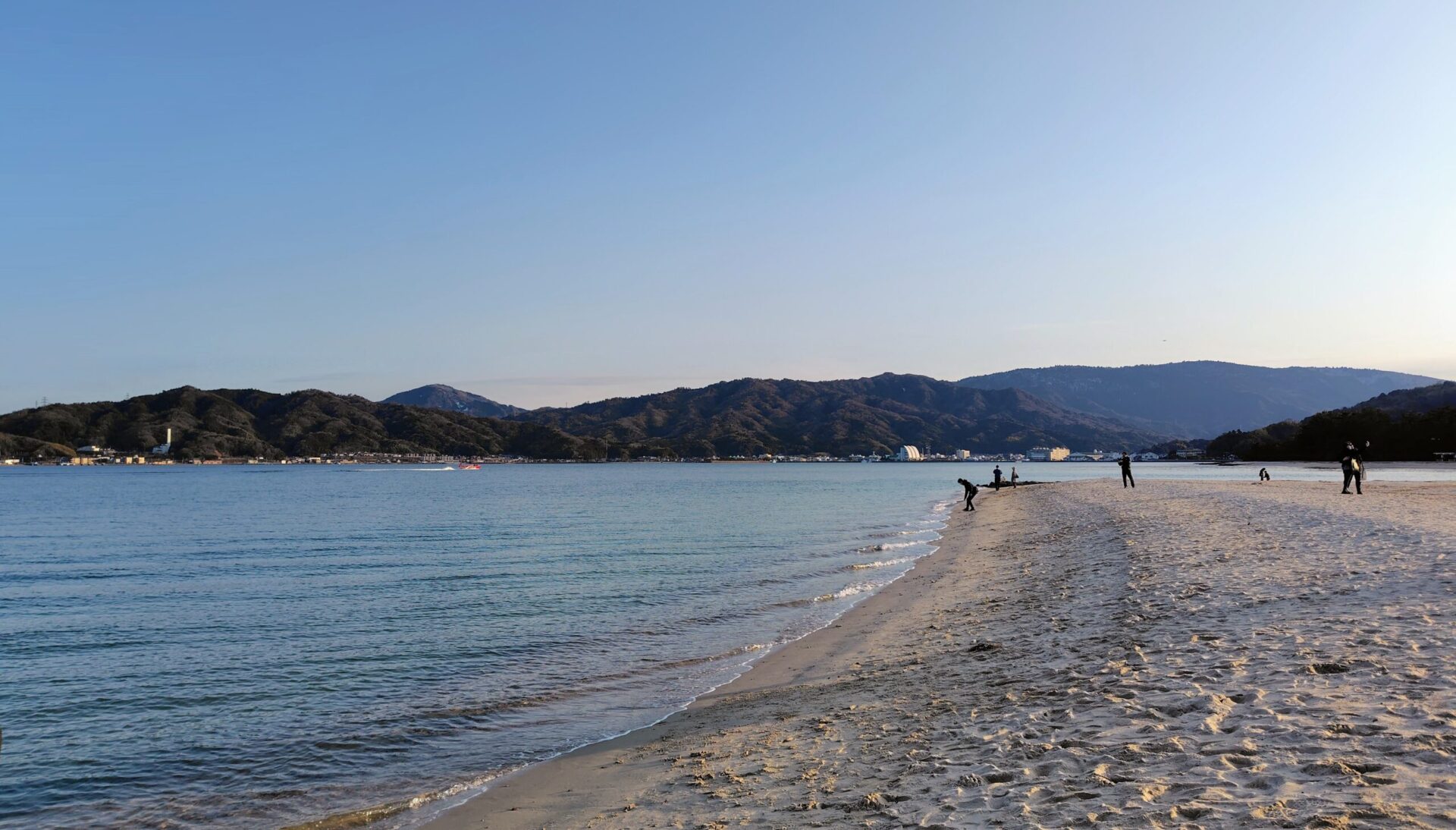
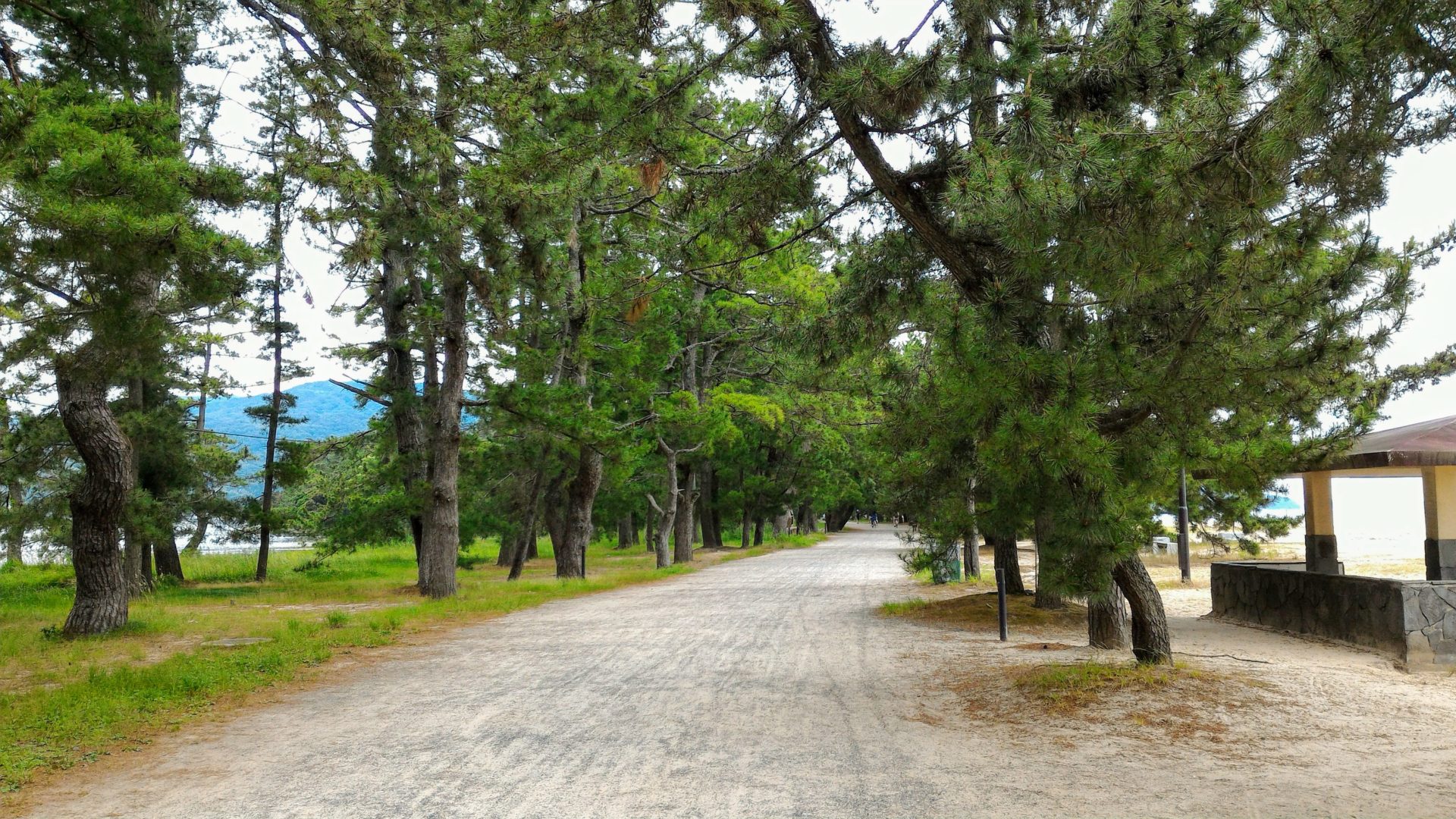
To admire all the beauty of Amanohashidate, there is nothing like a boat trip. From the water, the extent of this sandy spit is even more striking. It is also possible to stroll along its path lined with approximately 6,600 black pines on foot or by bike to stop at the surrounding Shinto shrines.
To fully savor the incomparable view of Amanohashidate, it is recommended to gain altitude. From the viewing platforms, lean forward and look between your legs like this young boy does (that’s my son). What does this unique perspective inspire you?
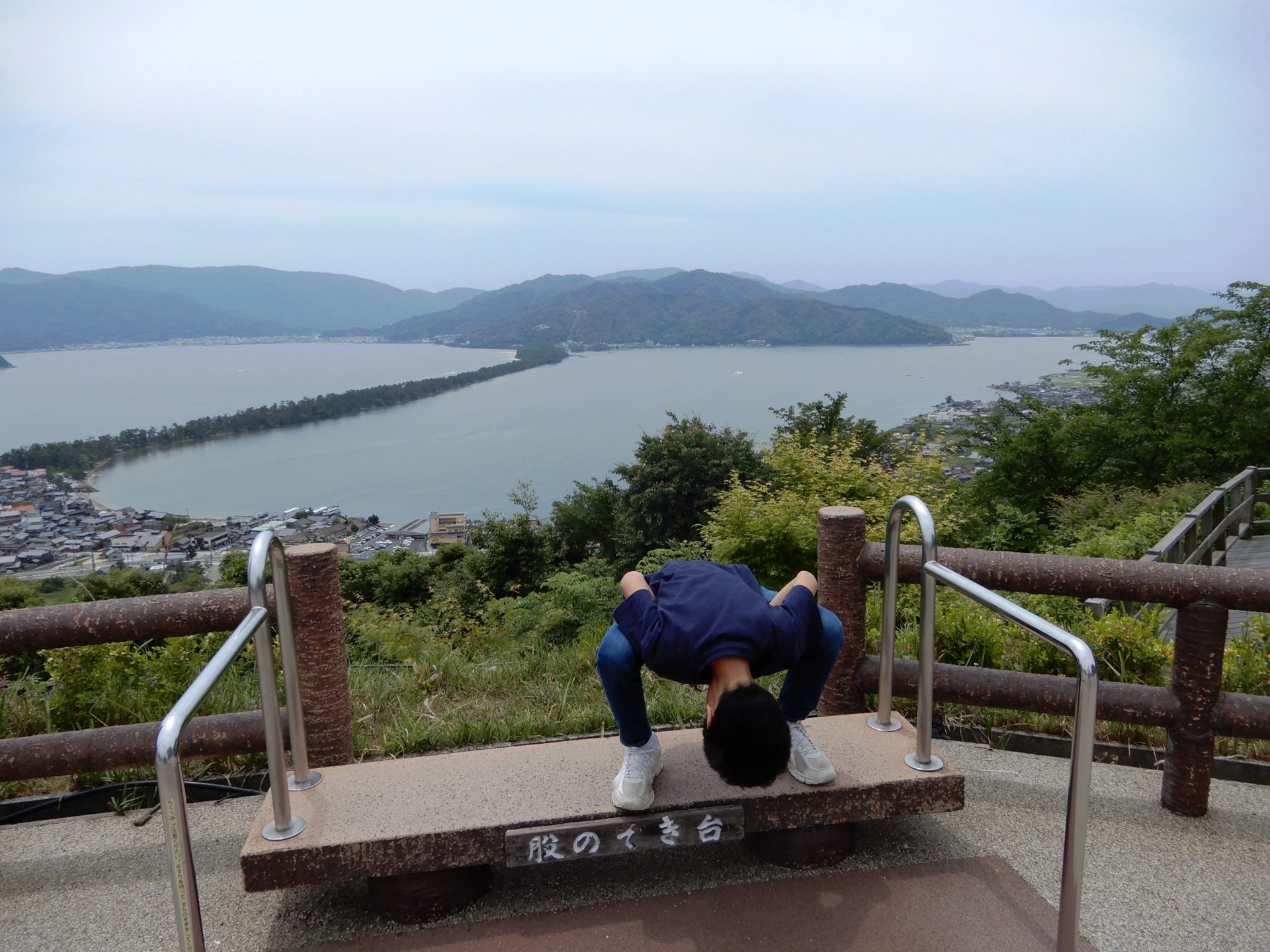
- It takes about 2 hours to go to Amanohashidate from JR Kyoto Station. We take the Hashidate express train and get off at Amanohashidate station. If there are no direct trains, take the Hashidate express train, get off at Fukuchiyama Station to change to the Tango relay express train and get off at Amanohashidate Station.
- The boat connects the two opposite banks of Amanohashidate in 12 minutes. It leaves every 30 minutes.800 yen one way.
- It takes about 50 minutes on foot or 20 minutes by bike to cross Amanohashidate.
- Map
Ine, Village by the Sea
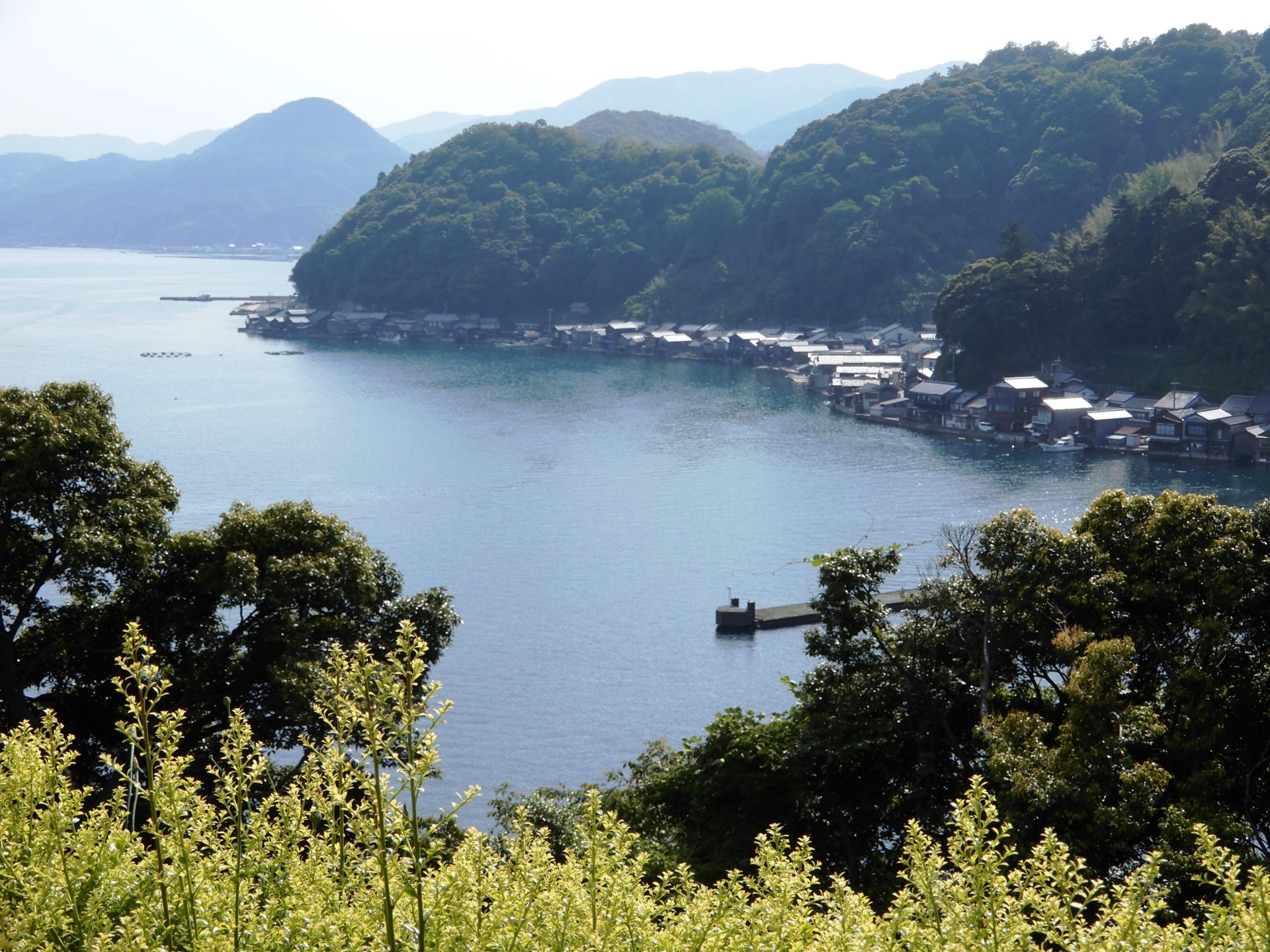
Ine, located to the east of the Tango Peninsula, is one of the most beautiful villages in Japan. The view of the residents’ houses lined up along the peaceful bay will help you understand why it is called it. Local residents live in symbiosis with fishing. It will be pleasant to immerse yourself in the calm and nostalgic atmosphere unique to this village far from the daily hustle and bustle.
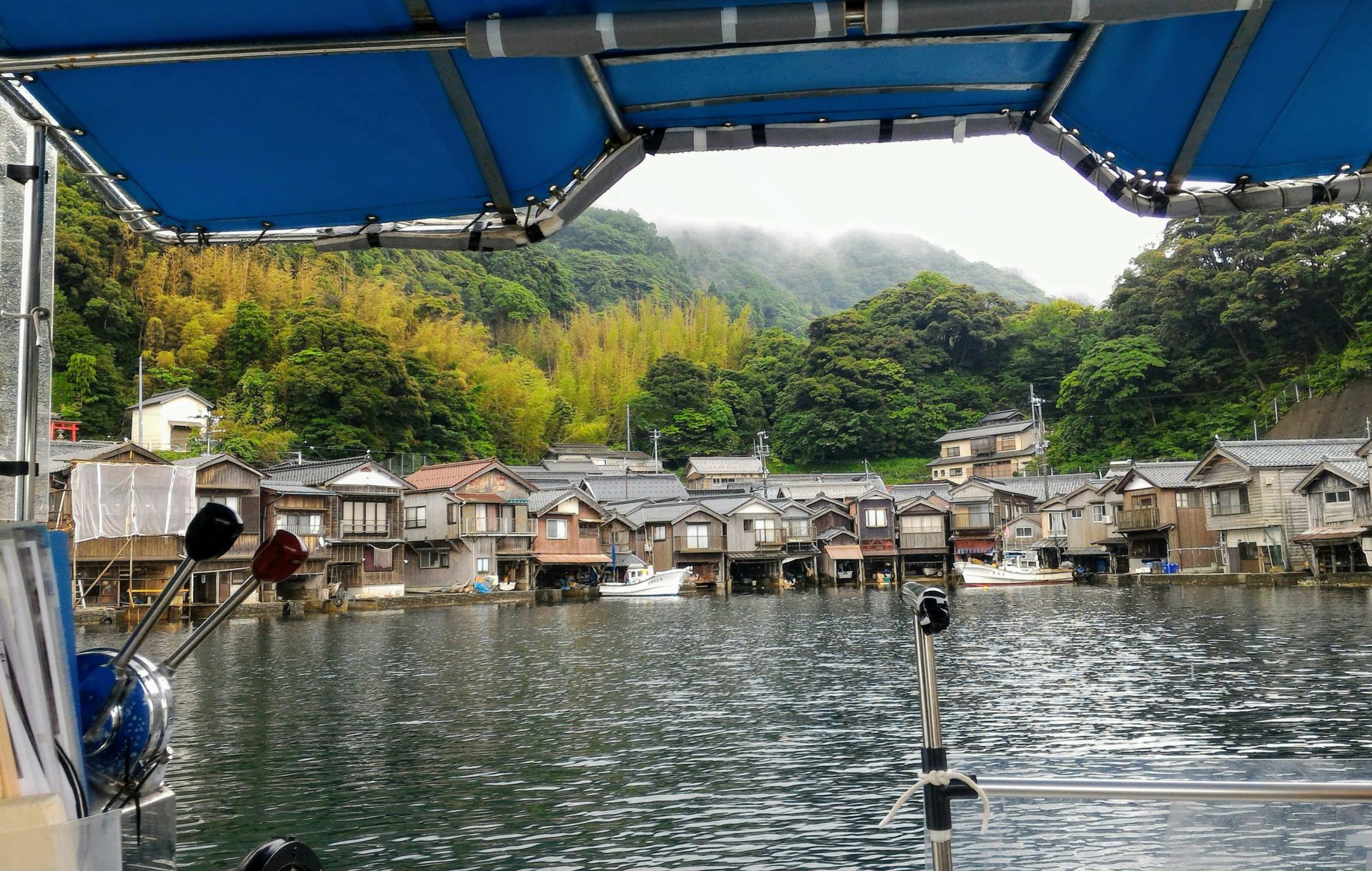
The buildings that seem to float on the sea are the fishermen’s houses called funaya. There are about 230 of them along the bay’s 5-kilometer coastline. The ground floor is used as a boathouse. Ine is surrounded by mountains which are right next to the coast. The dwellings called omoya are on the mountain side. The fishermen of Ine therefore live going back and forth between the mountain side and the sea side. This is their lifestyle.
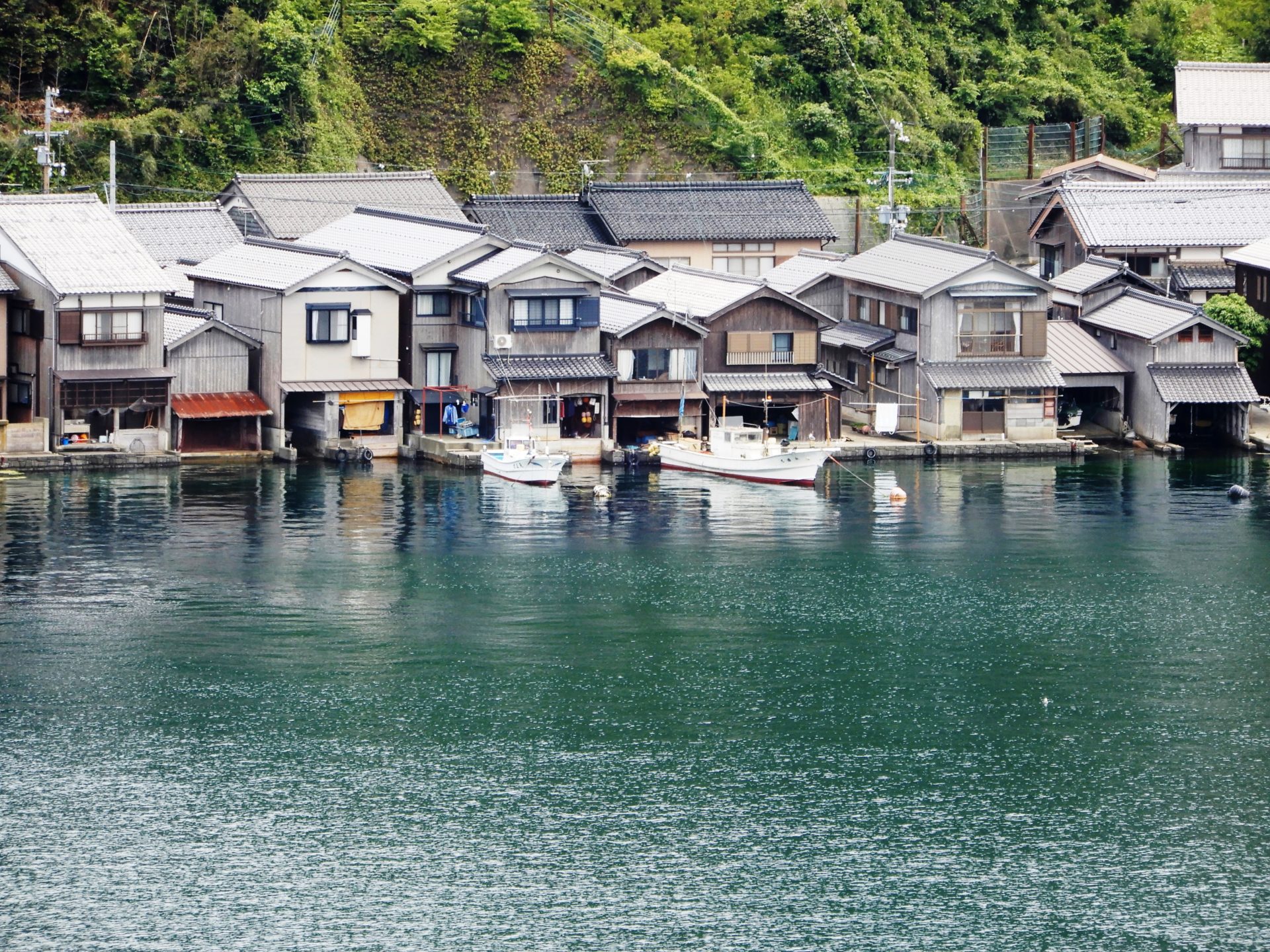
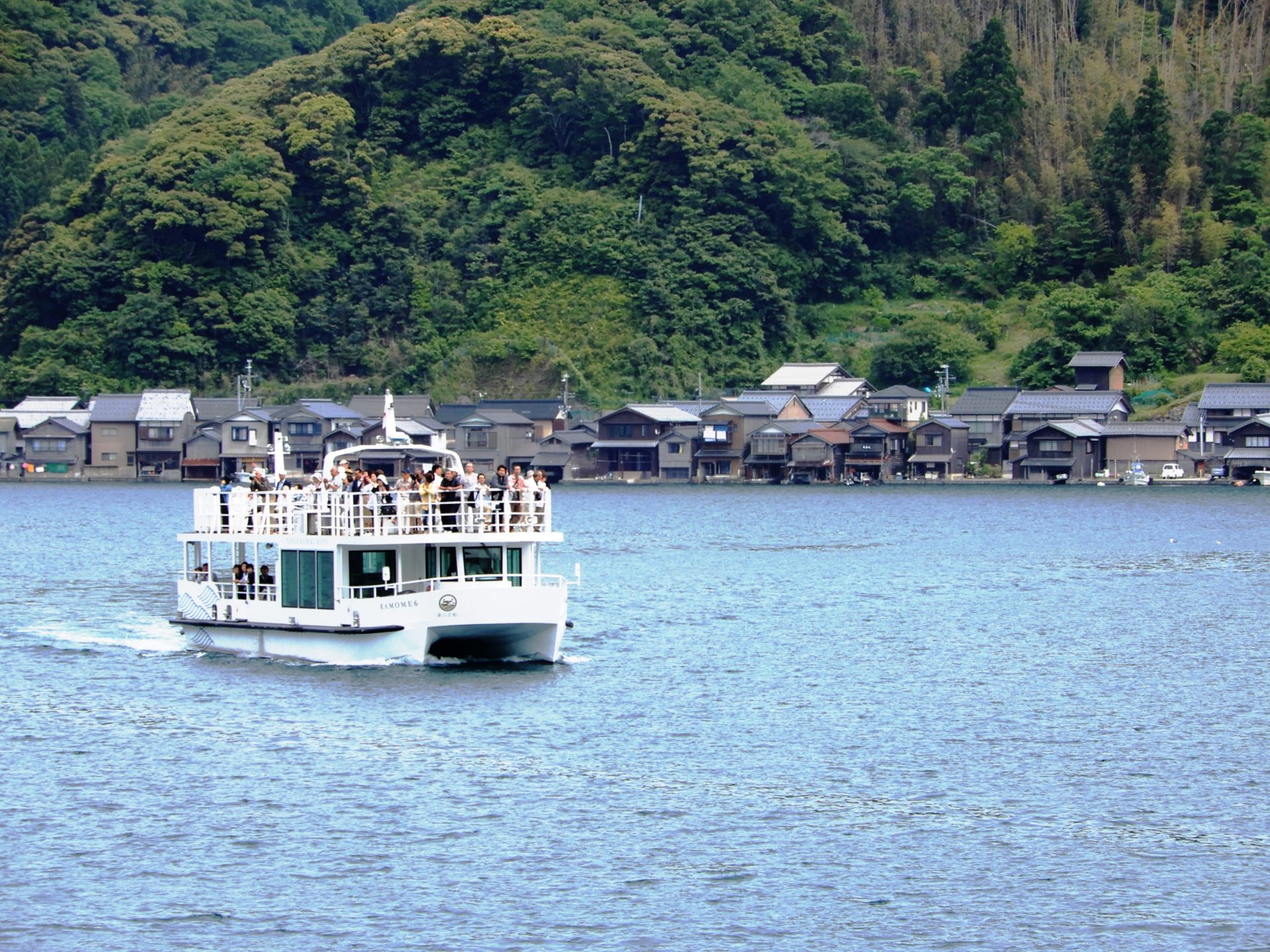
The landscape woven by funaya and the peaceful sea is one of a kind. Take your time to take a walk. You can also admire the view of funaya lined up from the pleasure boat. But watch out for the seagulls and kites that come to watch from the sky for given food. They drop droppings. . .
If you want to take a tour of funaya, how about using the water taxi service? You won’t get seasick, because the sea is calm. Local fishermen will guide you with their boats. They will give you detailed explanations about the history or geography of Ine, stopping at places not to be missed.
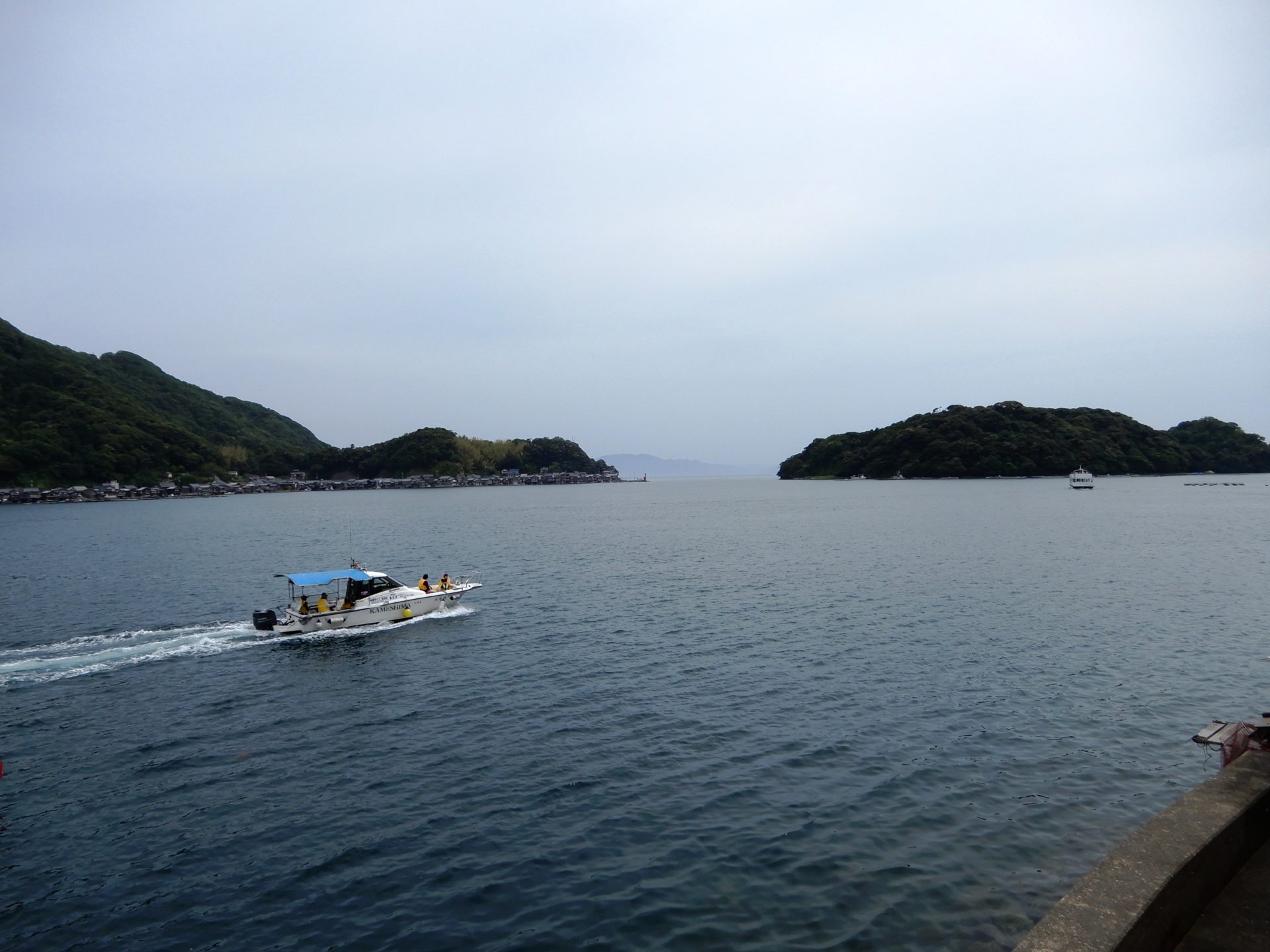
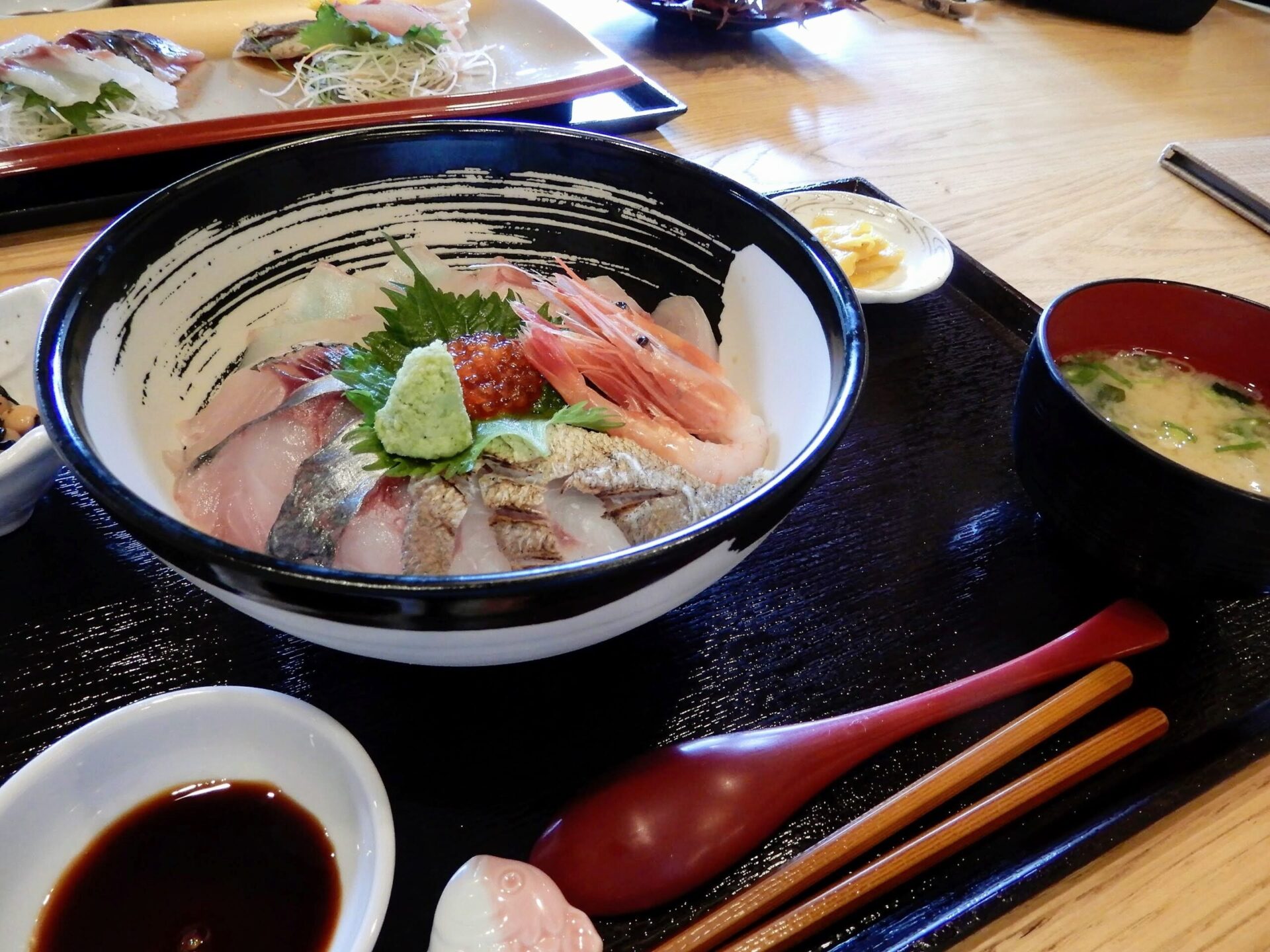
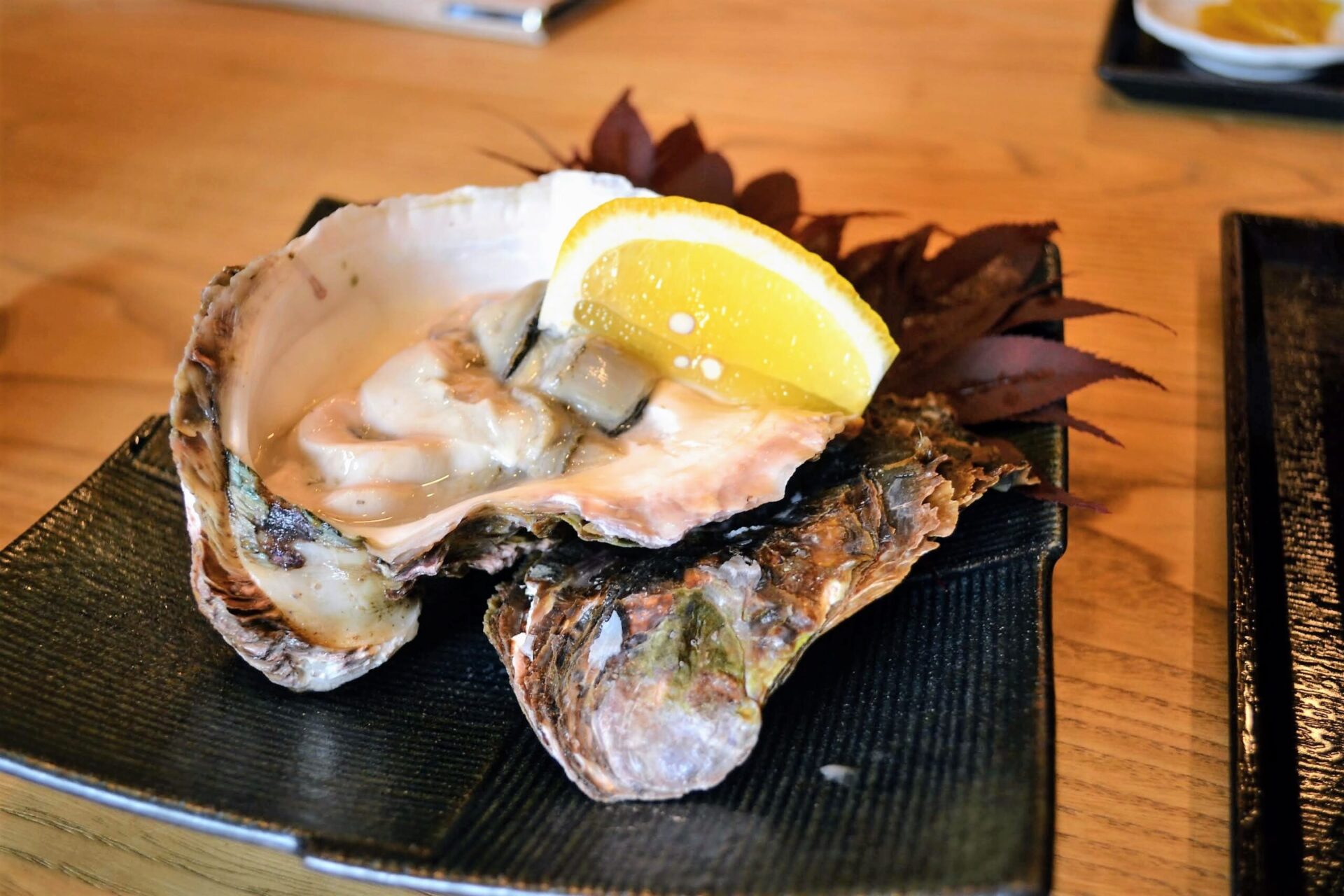
Ine is rich in fish and seafood. Winter amberjack, early summer oysters, tangoguji (red tilefish) of autumn. . . You can enjoy dishes of freshly caught seasonal fish.
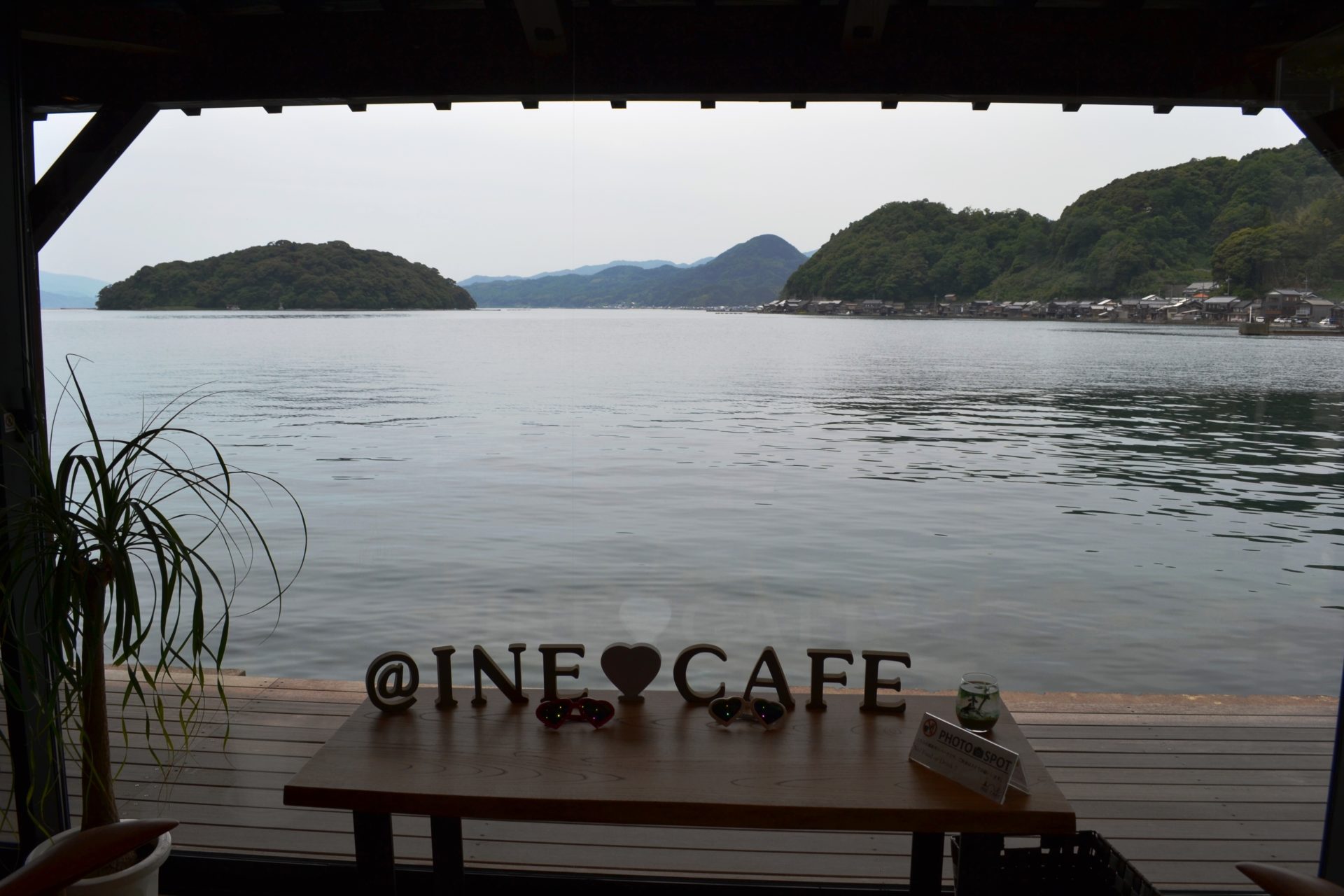
A new tourist exchange facility, Funaya-biyori was completed in 2017. It is a good place to take a break while seeing boats bobbing back and forth on the lulling waves and seagulls floating on the water.
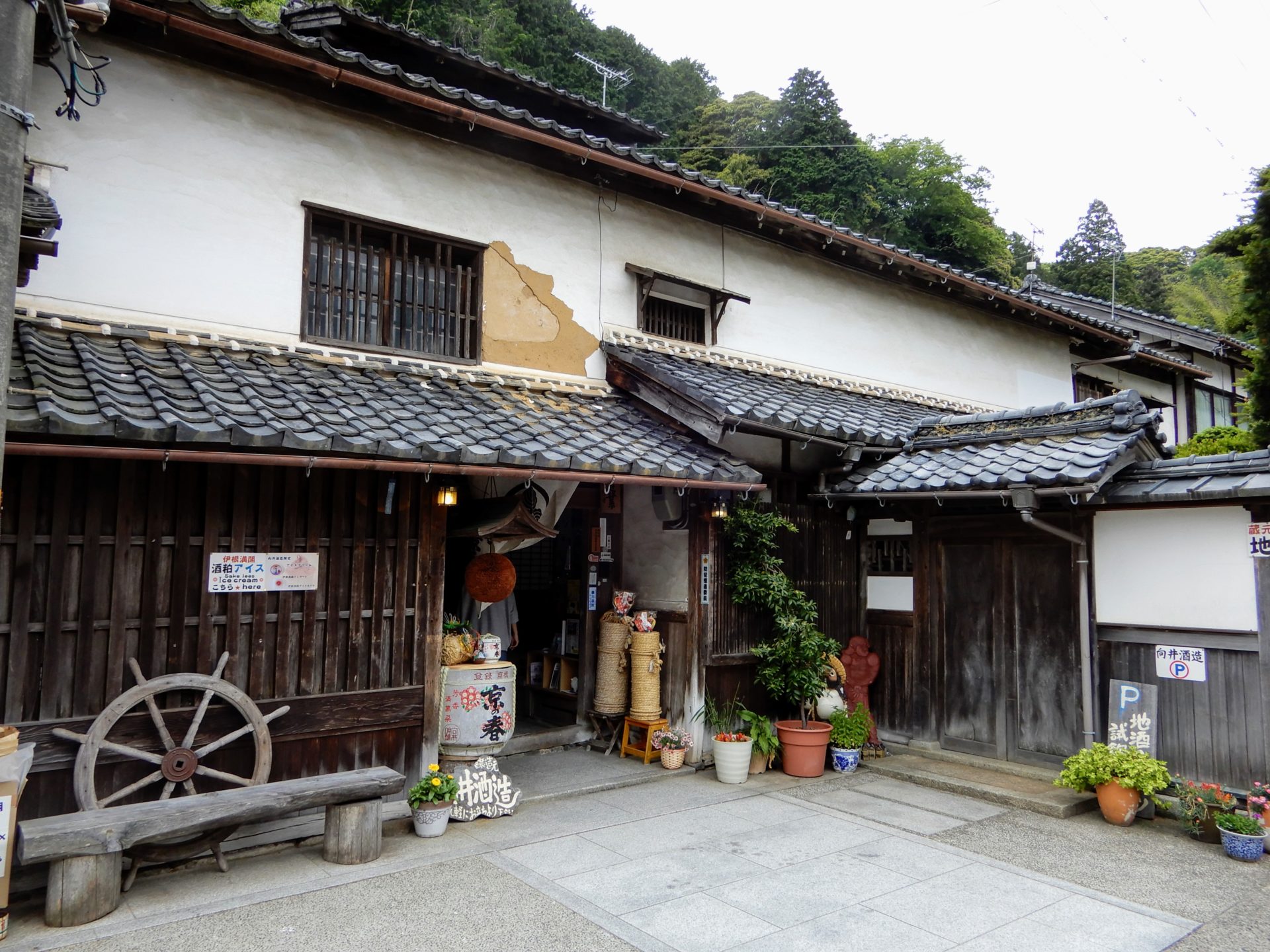
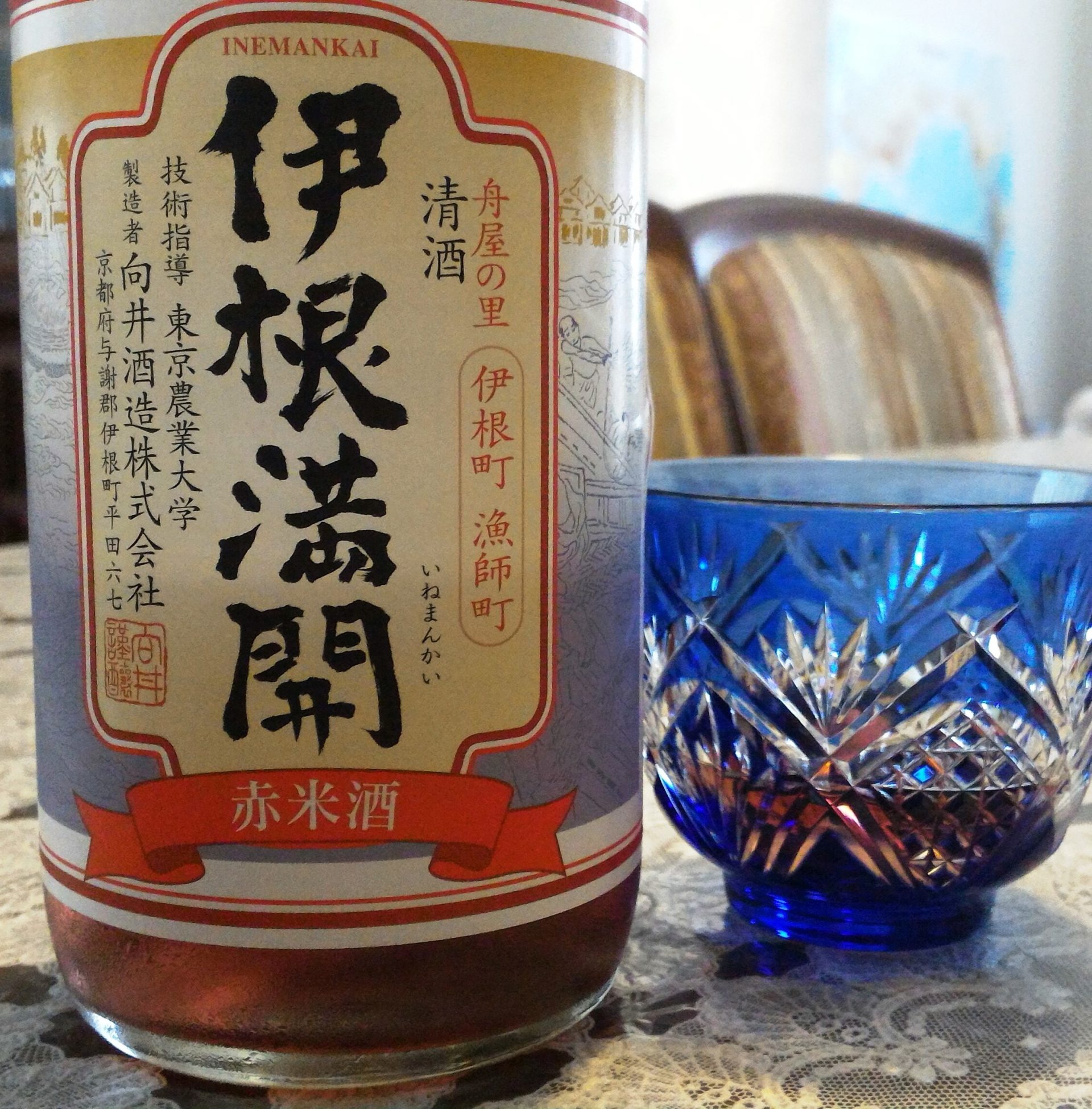
Here is the only manufacturer of sake in Ine, Mukai shuzo which has around 260 years of history. Of course you can taste its sake. My favorite is Ine mankai which literally means “Ine in flower”. Despite its color reminiscent of rosé wine, it is a real sake. With a fruity and sweet taste, it flatters the palate.
- To reach Ine from Amanohashidate Station, take local Tango Kai-riku kotsu buses heading to Kyoga Misaki, Kamanyu or Ine Yubinkyoku-mae. Allow about an hour’s journey for 400 yen.
- Note that only one bus runs per hour. If you want to take a pleasure boat ride, get off at the Inewan meguri-Hide stop. For a more leisurely stroll or water taxi ride, get off at the Funaya-no-sato Koen-mae stop, located on the hills, or the Ine stop, closer to the coast. You can also refer to the following information:
| Style de bateau | Bateau de plaisance | Bateau-taxi |
| Temps requis | Environ 25 minutes | Environ 30 minutes |
| Prix | 1 200 yens (adulte) 600 yens (enfant) | 1 000 yens (adulte) 500 yens (enfant) |
| Embarcadère | Embarcadàre Hide | Près du parking de Shichimensan, etc. |
- Pay attention to this on the opening day of restaurants. Most of them are closed on Wednesdays.
- Some funaya are used as hostels. I suggest you stay there. You will be able to taste the charms of Ine by sharing a pleasant moment with the local inhabitants.
- Map
Tea-centric Kyoto
Southern Kyoto Prefecture is famous for producing high-quality tea. The rich tea culture with a history of 800 years takes root here. The unique landscape of the tea field will take your breath away. Discovering another side of Kyoto through tea will also be pleasant, won’t it?
The Town of Uji
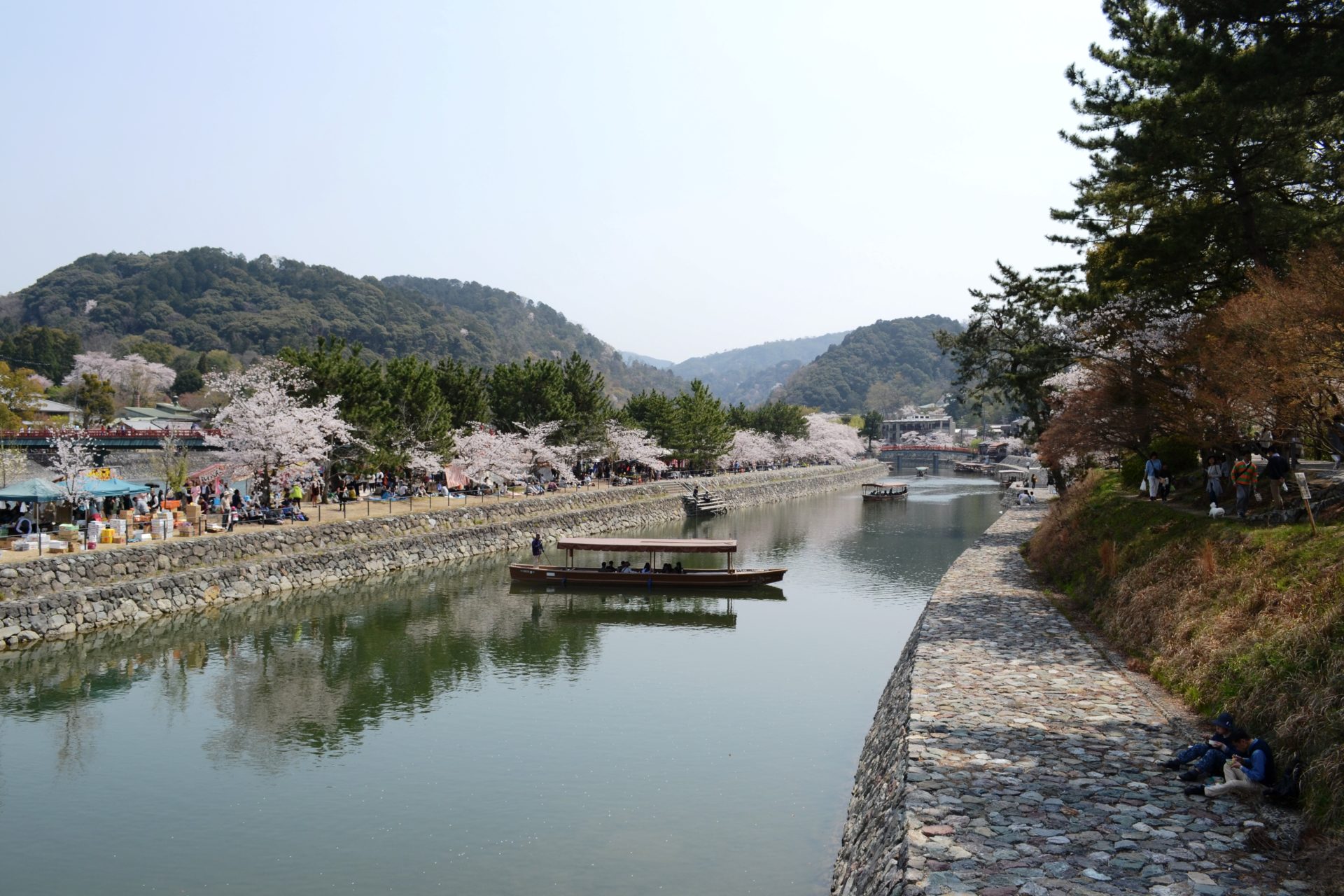
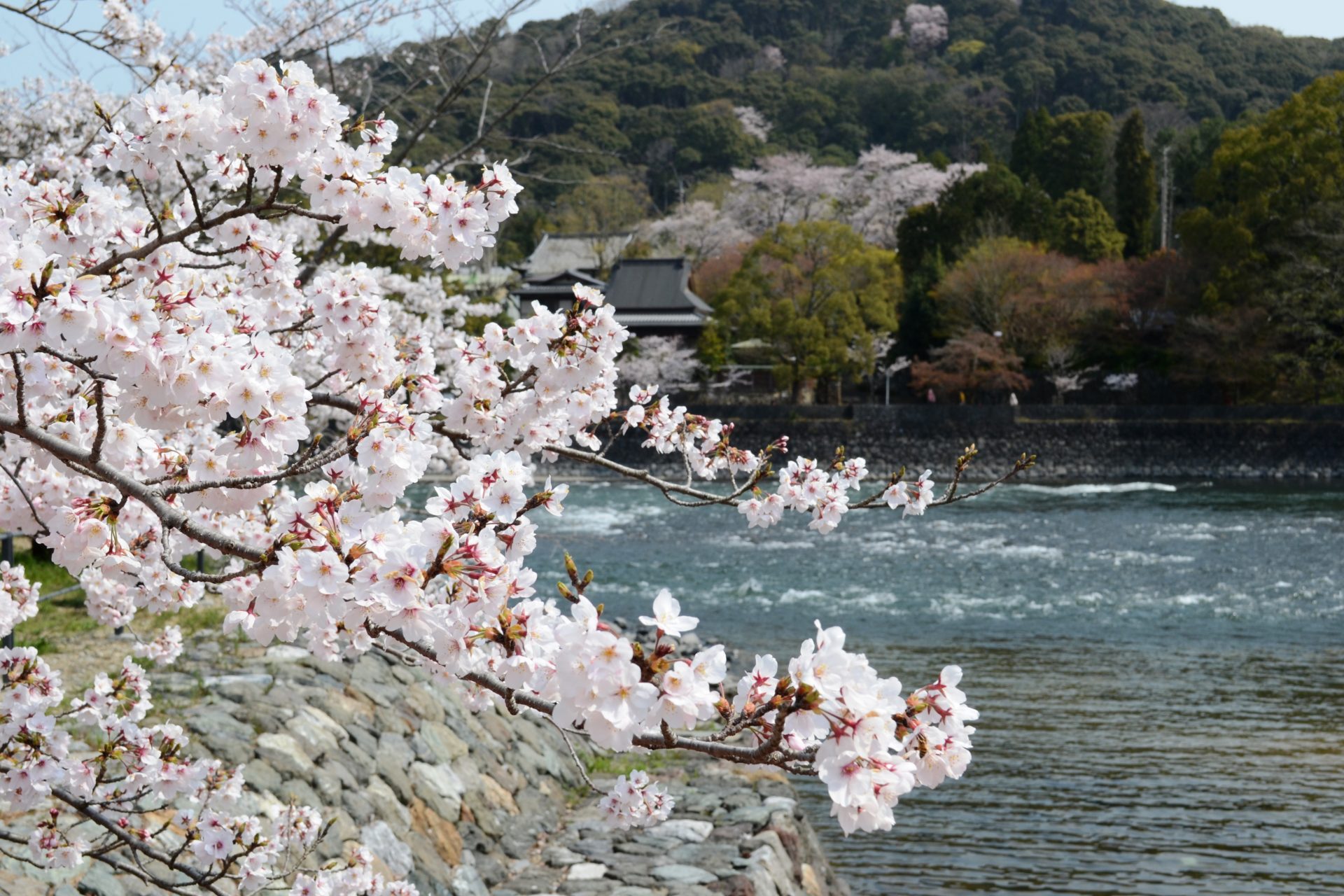
The town of Uji, which is located 20 km south of Kyoto city, has been known for its picturesque landscape since ancient times. The view of the Uji River is wonderful. Fushimi is certainly known for its sake, but Uji tea is so famous that it was offered as a first-class tea to the shogun (the administrative head of the state) for 250 years. There is a wide variety of Japanese tea and I think it is probably the powdered green tea called matcha which is most famous in foreign countries. As a confectionery, chocolate with green tea powder is all the rage, isn’t it? The access road to Byodo-in Temple, a UNESCO World Heritage Site, is enveloped in the scent of tea. What if we did it togethermatcha by grinding tea leaves and enjoyed the tasty tea?
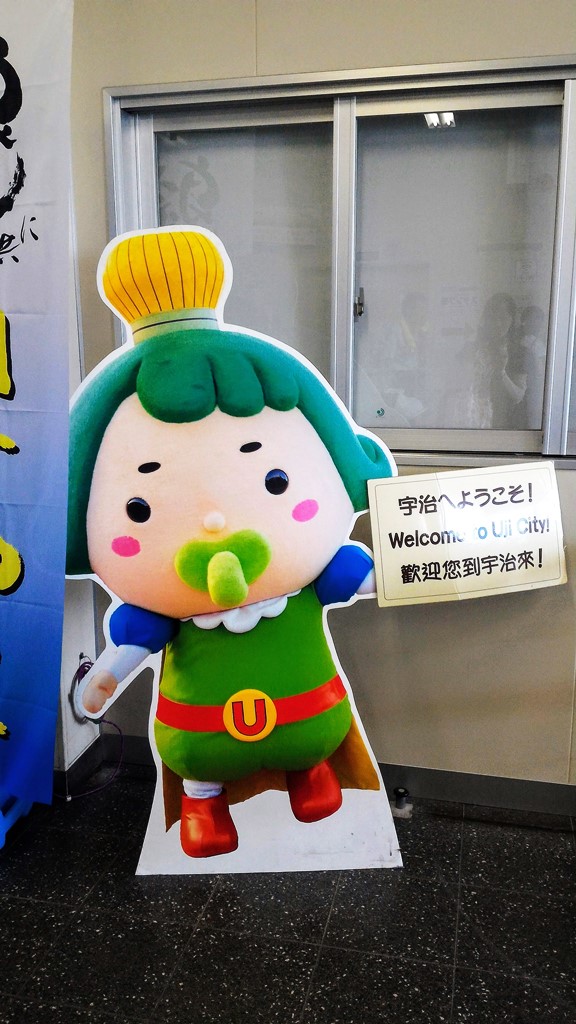
Here is the mascot of the city of Uji called Prince Cha-Cha. He wears a crown similar to a powdered green tea whisk on his head. Of course he likes ice creammatcha.
Byodo-in Temple
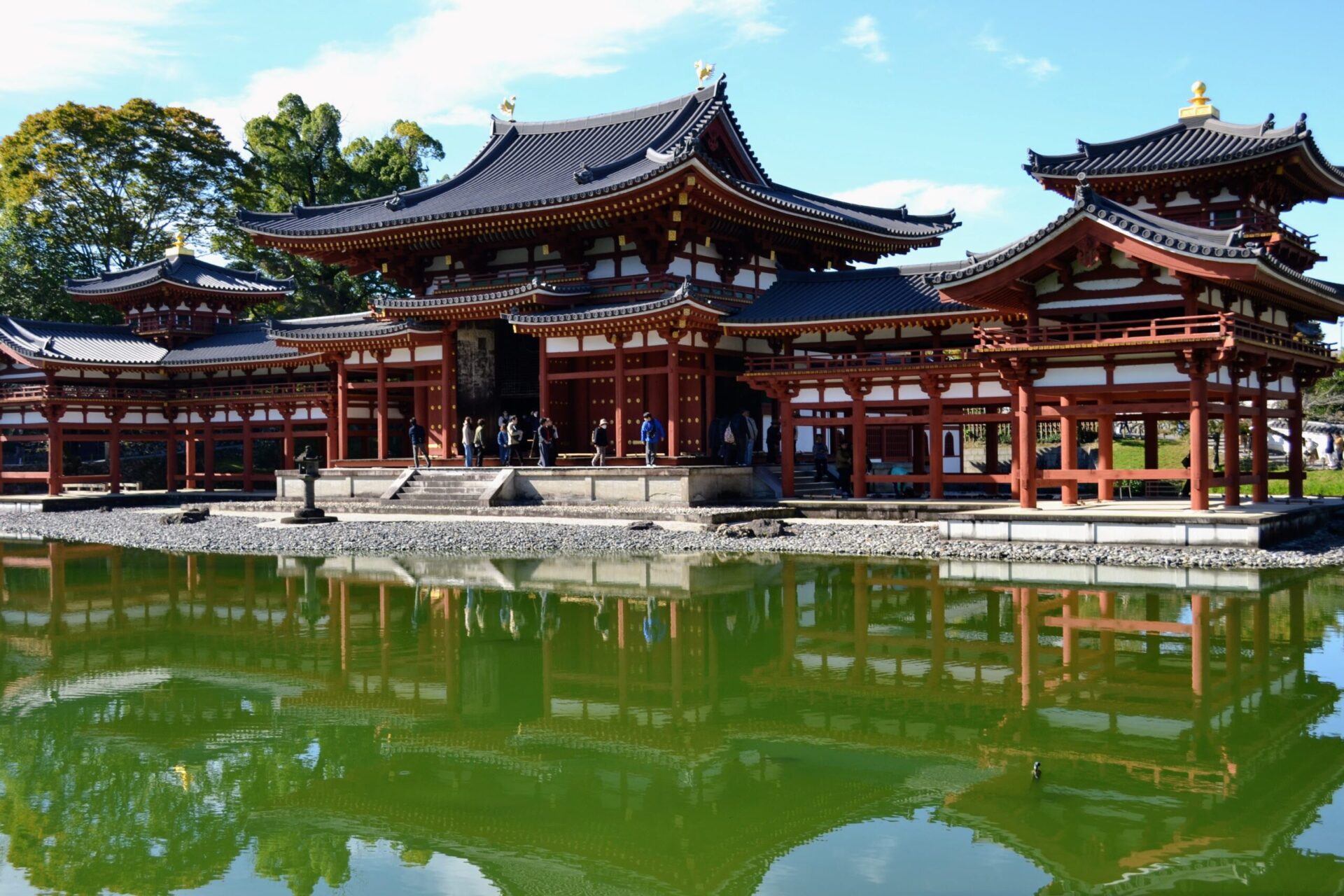
When you come to Japan and exchange euros for yen (Japanese currency unit), look at the 10 yen coin. The symbolic building of Byodo-in Temple, the Phoenix Hall is represented there. Byodo-in was not originally a temple. It was the country residence of a powerful 10th century nobleman, Fujiwara-no-Michinaga. After his death, his son transformed it into a Buddhist temple. Today, its enclosure does not include many rooms unlike other large temples, but it does have a museum where its precious ancient treasures are kept.
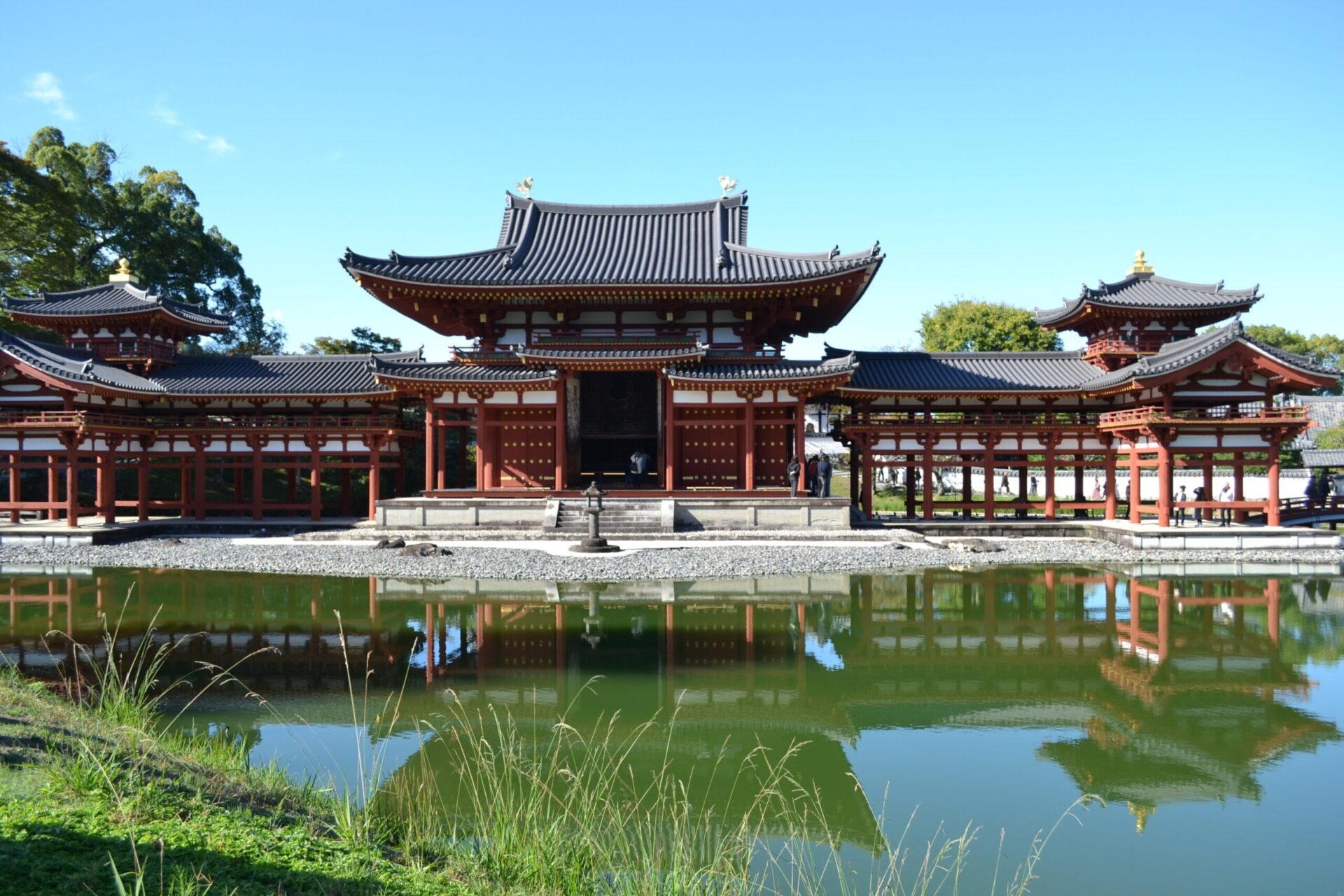
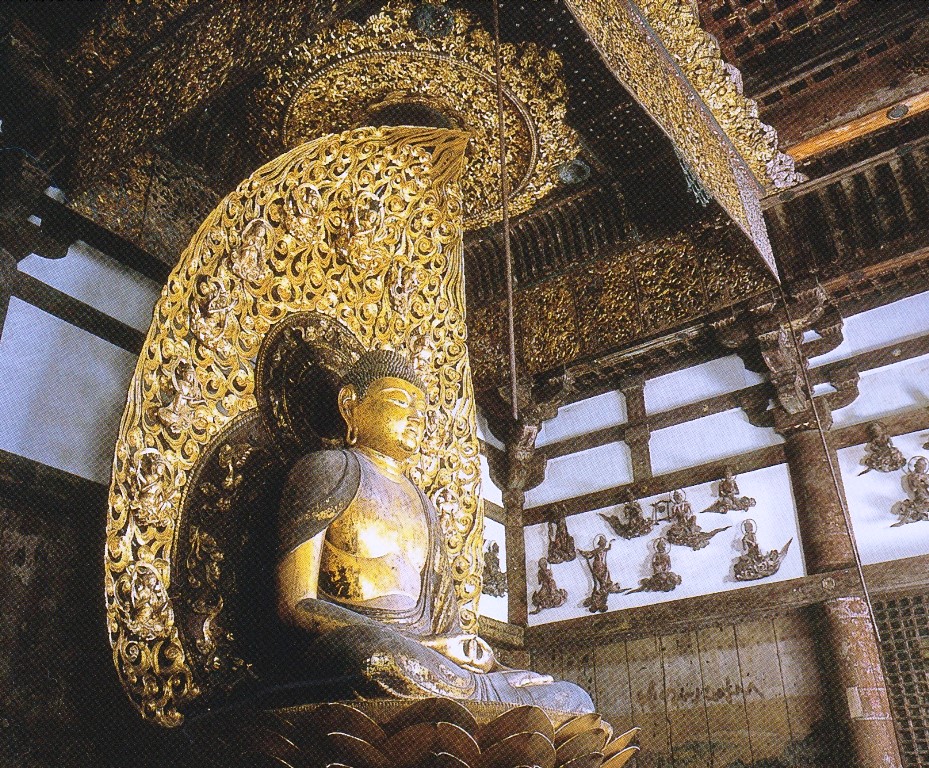
This is the room which houses a large statue of Amida Buddha. It is also called the Phoenix Hall. Why was she nicknamed like that? Look at his appearance. Flanked by two twin corridors and with a rear corridor, it resembles a bird with a long tail spreading its wings. Additionally, a pair of phoenix statues can be found on its roof.
It is the statue of Amida Buddha, approximately 3 meters high, which sits in the phoenix room. Who is Amida? He is one of the Buddhas who achieved enlightenment. In Buddhism, he saves all of humanity and welcomes them to his paradise without distinction. This is why the name Byodo-in which means equality was given to this temple.
- The price of the entrance ticket to Byodo-in temple and its museum is 700 yen.
- There is a guided tour of the Phoenix Hall every 20 minutes. For this, you will have to pay an additional 300 yen. If you want to see the Amida Buddha statue, it is better to book at the ticket office as soon as you arrive at the temple. However, even if there are no places available, it will be possible to see the head of this statue from the opposite bank of the pond. The temple museum is also worth seeing.
- Map
The Municipal Tea House, Taiho-an
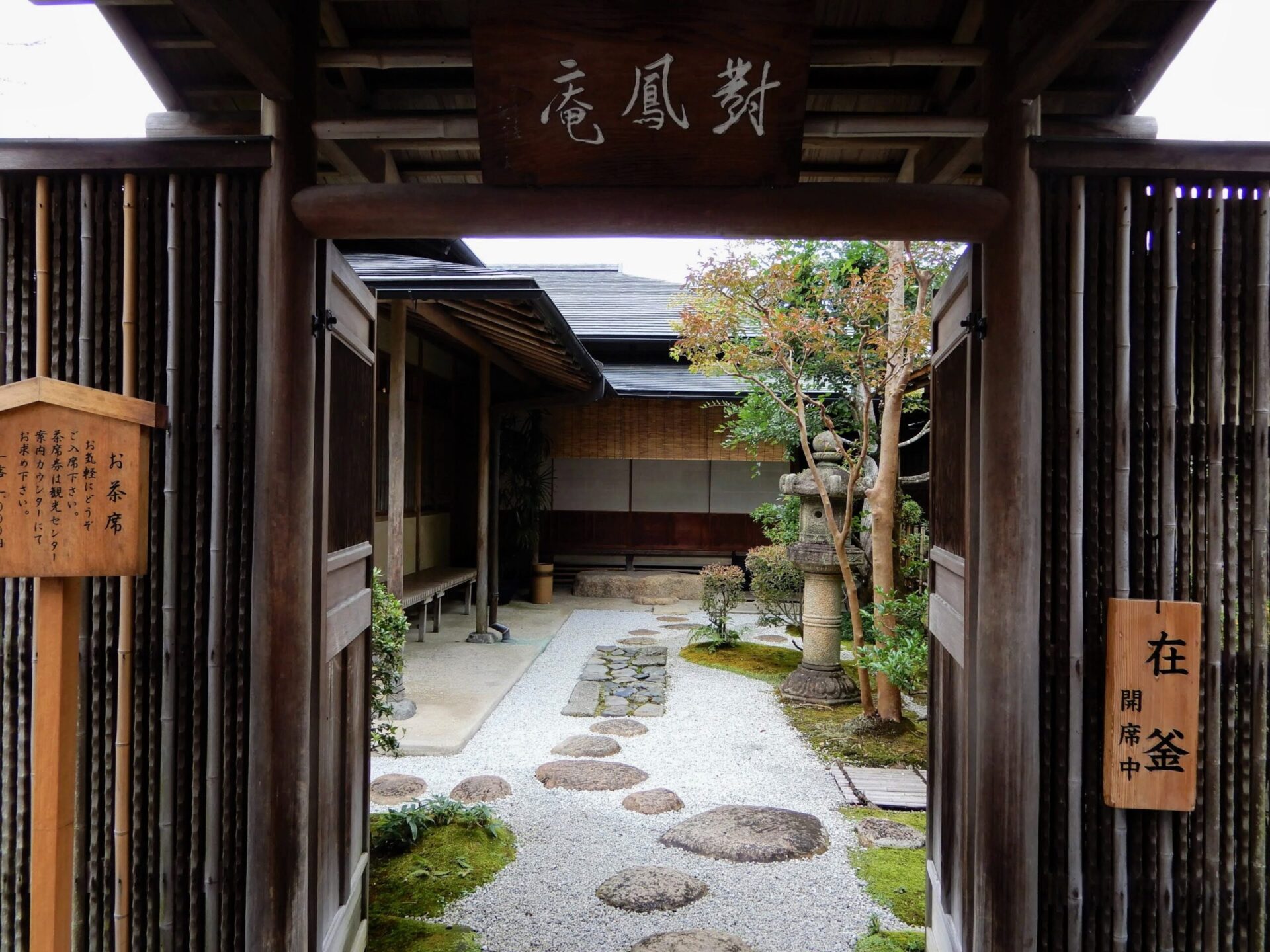
Located opposite the Phoenix Hall, it is a tea house built to better promote the taste of Uji tea and the tea ceremony. Tasty Uji tea is offered with a seasonal cake for 1,000 yen. And you too can experience the rules of the tea ceremony if you want. First of all, we introduce you to the tea ceremony. So you have nothing to fear.
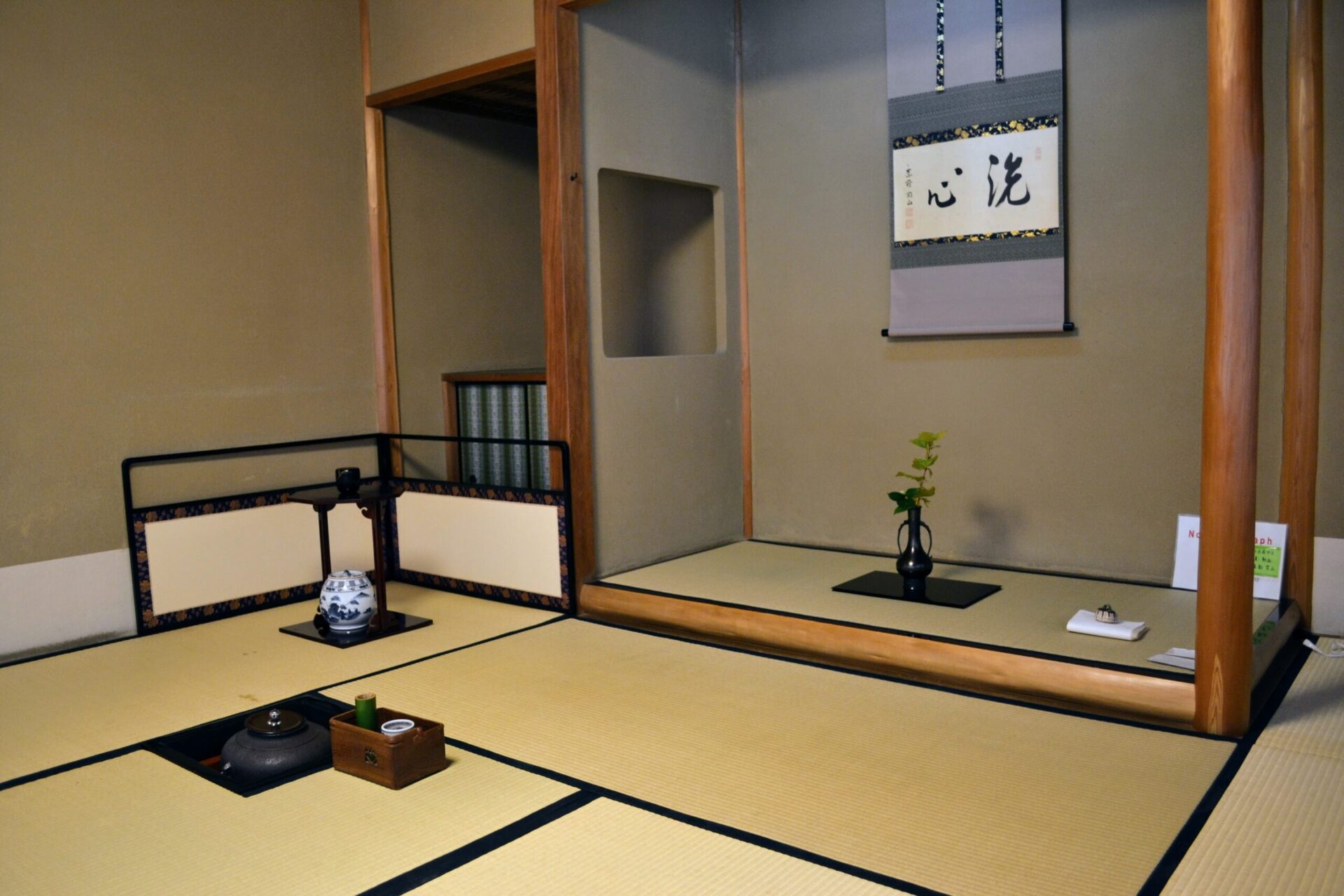
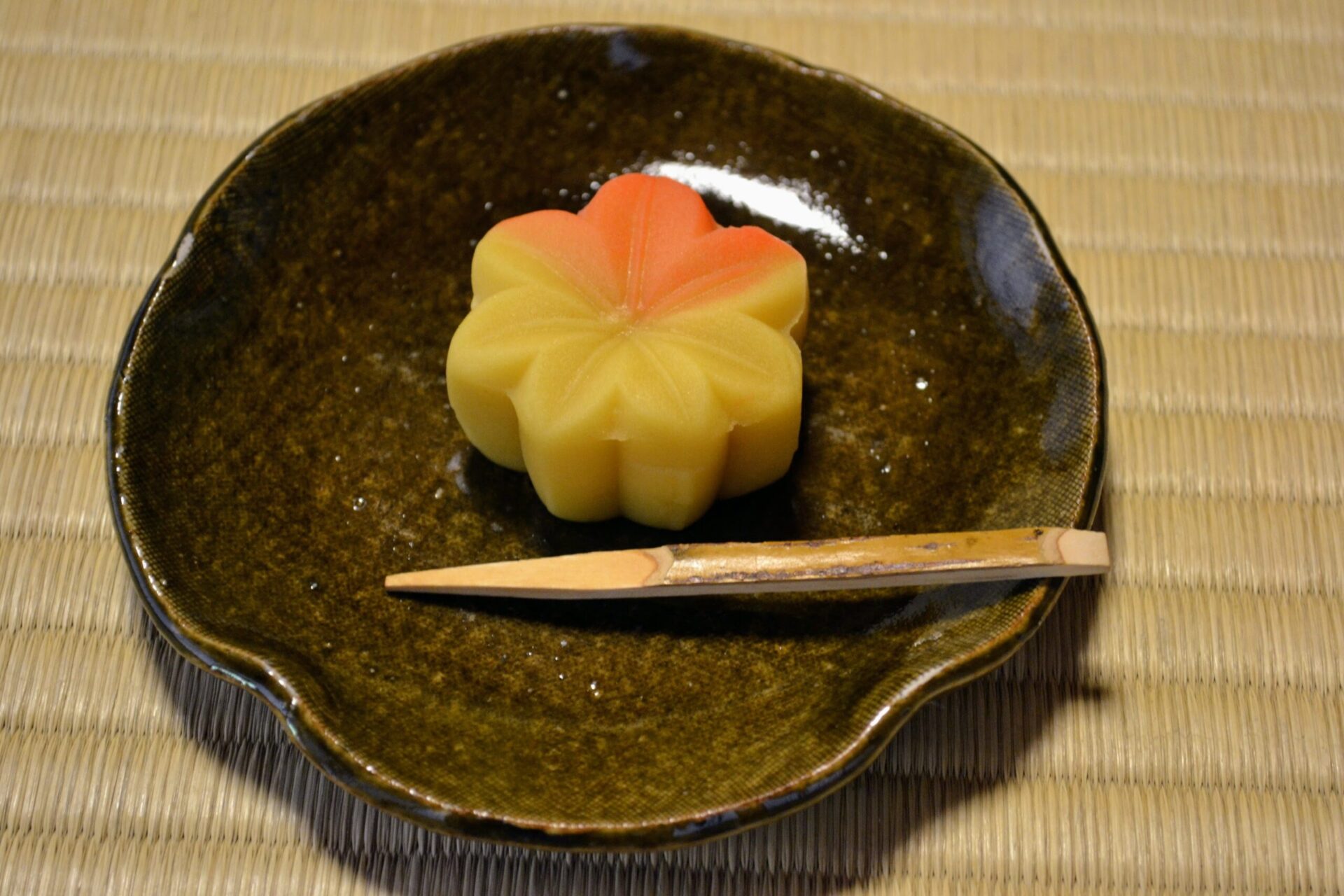
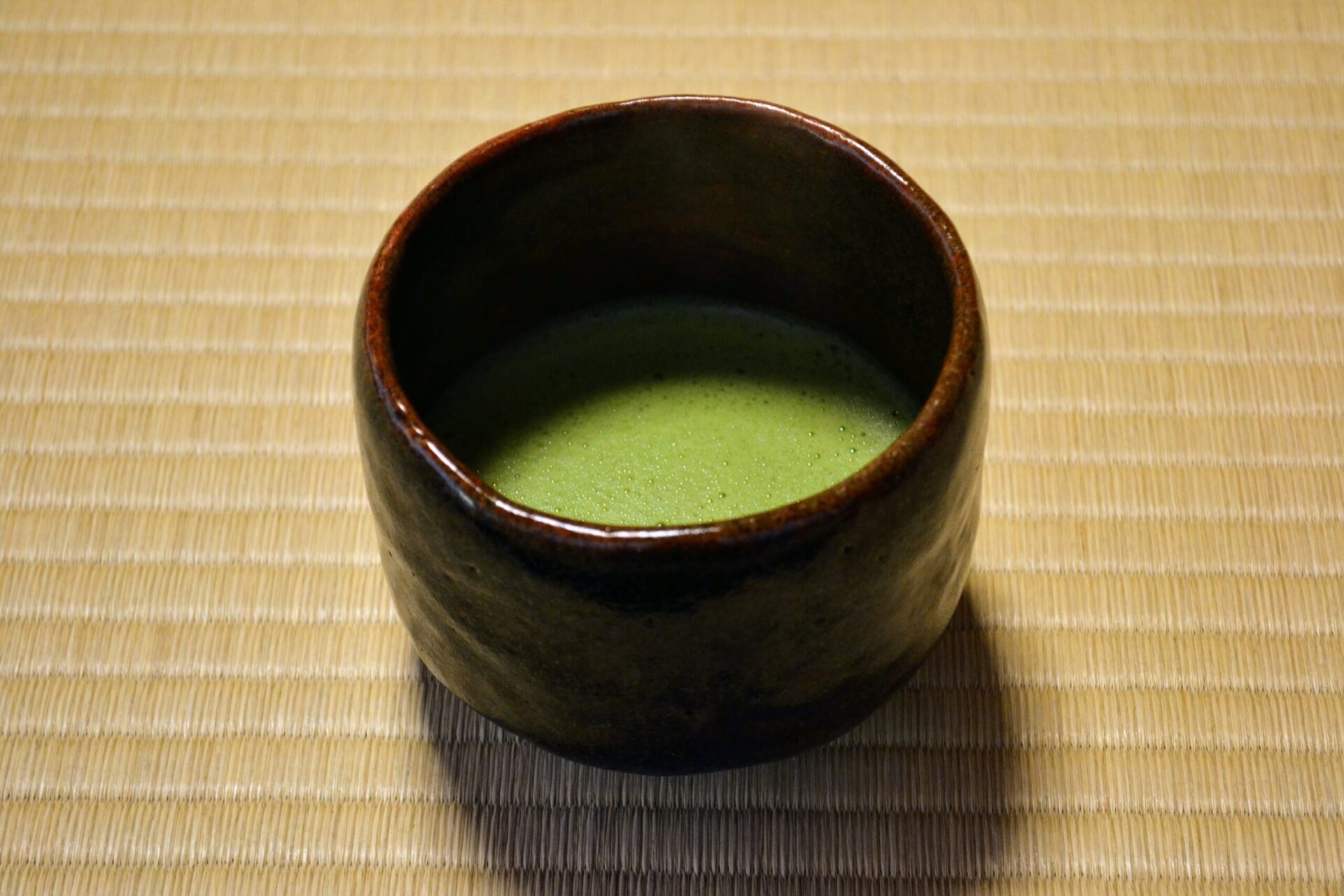
- This experience costs 2,400 yen per person. Reservation is required at least 3 days before the experience.
- Map
The Town of Wazuka
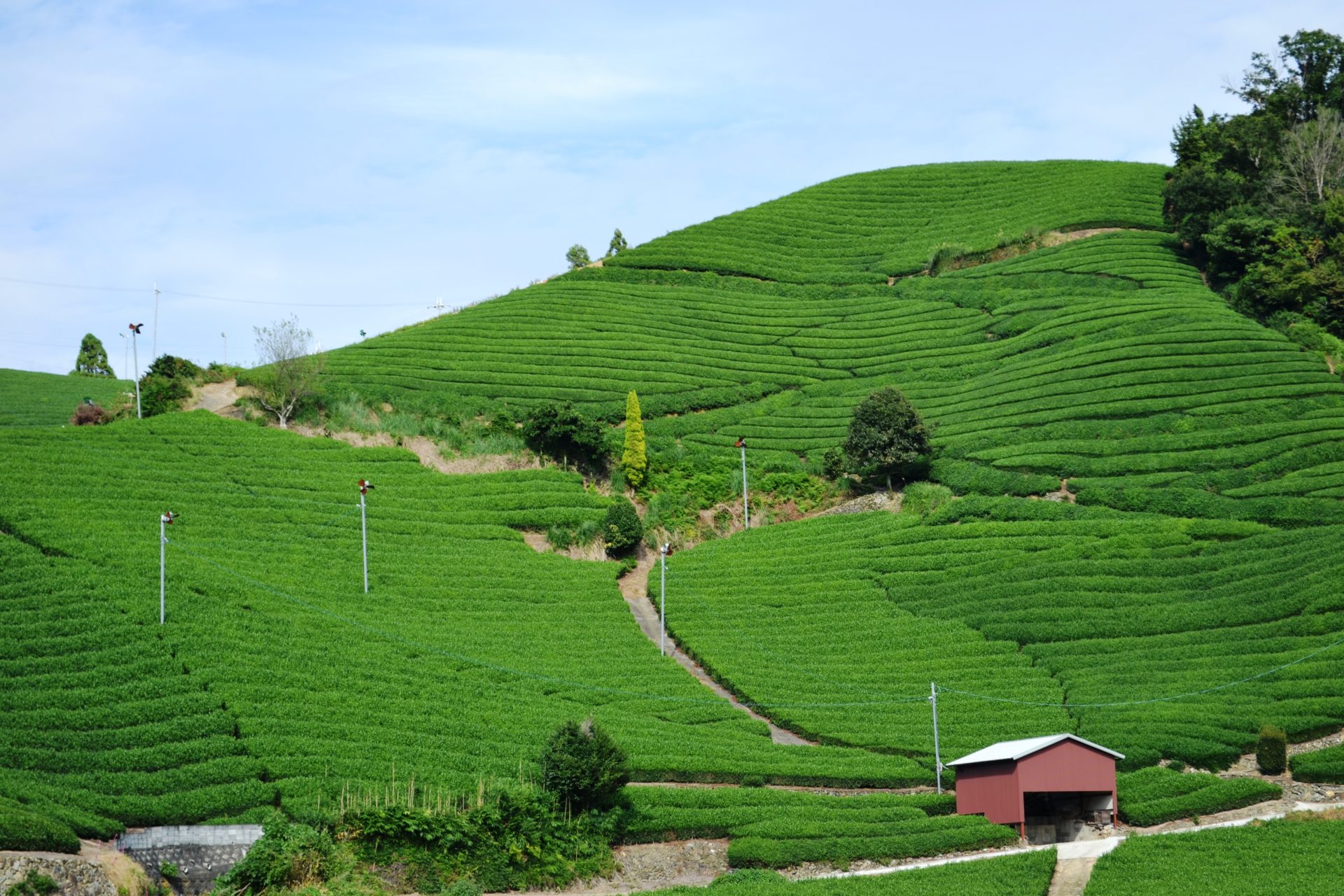
Located in the southeast of Kyoto Prefecture, Wazuka is a small town with around 4,000 inhabitants. Wazuka is renowned for the high quality of its tea. It is this town which is, so to speak, the birthplace of Uji tea. Today, Wazuka tea production represents almost half of Kyoto tea production. As far as the eye can see, the tea leaves that cover the gently curving mountain slopes resemble waves. Wazuka, considered one of the most beautiful villages in the country, is worthy of its name Chagenkyo which means “tea utopia”. Unlike tourist towns, Wazuka is a peaceful and bucolic place. Time passes very slowly there. You will undoubtedly be able to relax there as much as you want.
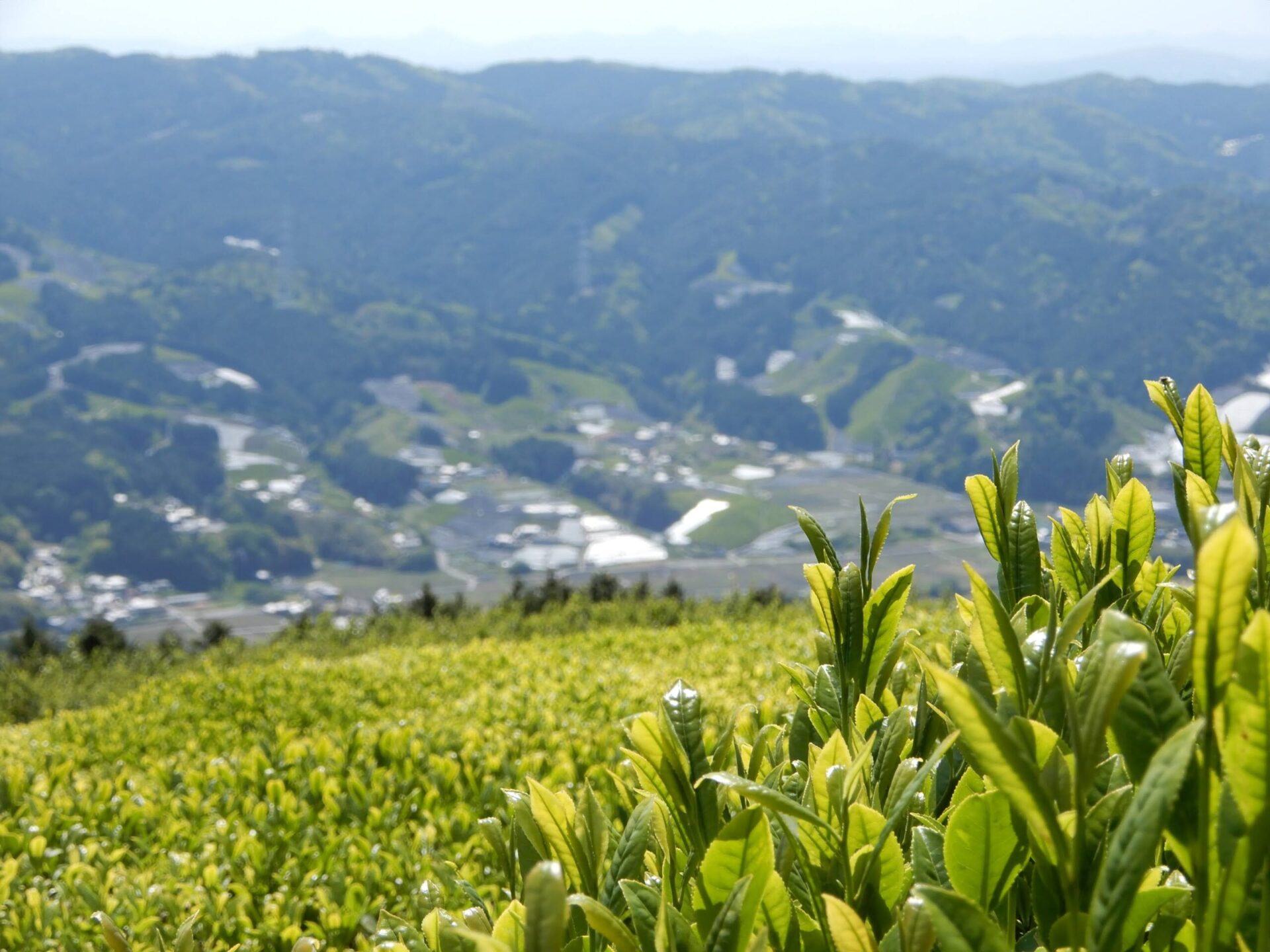
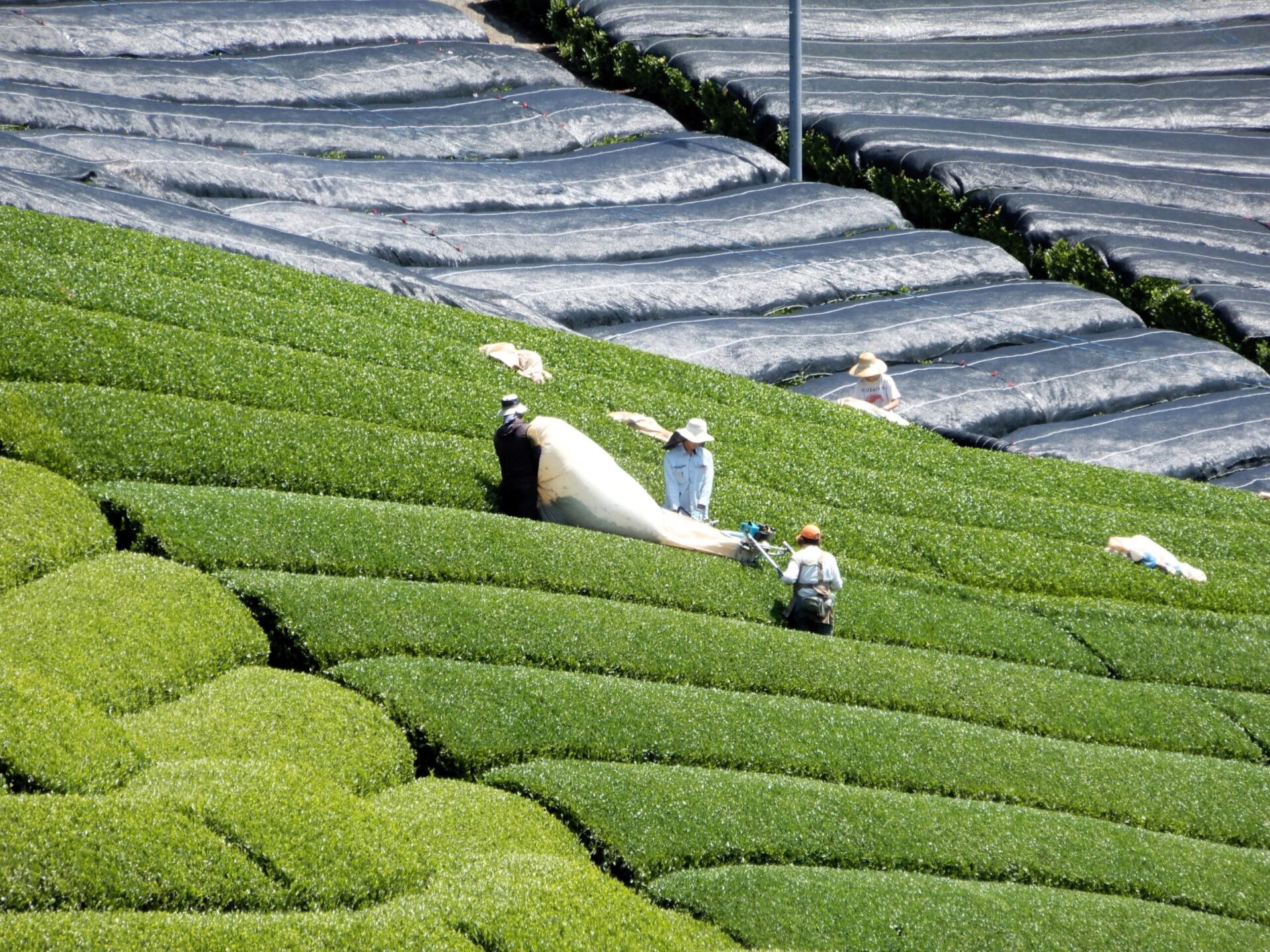
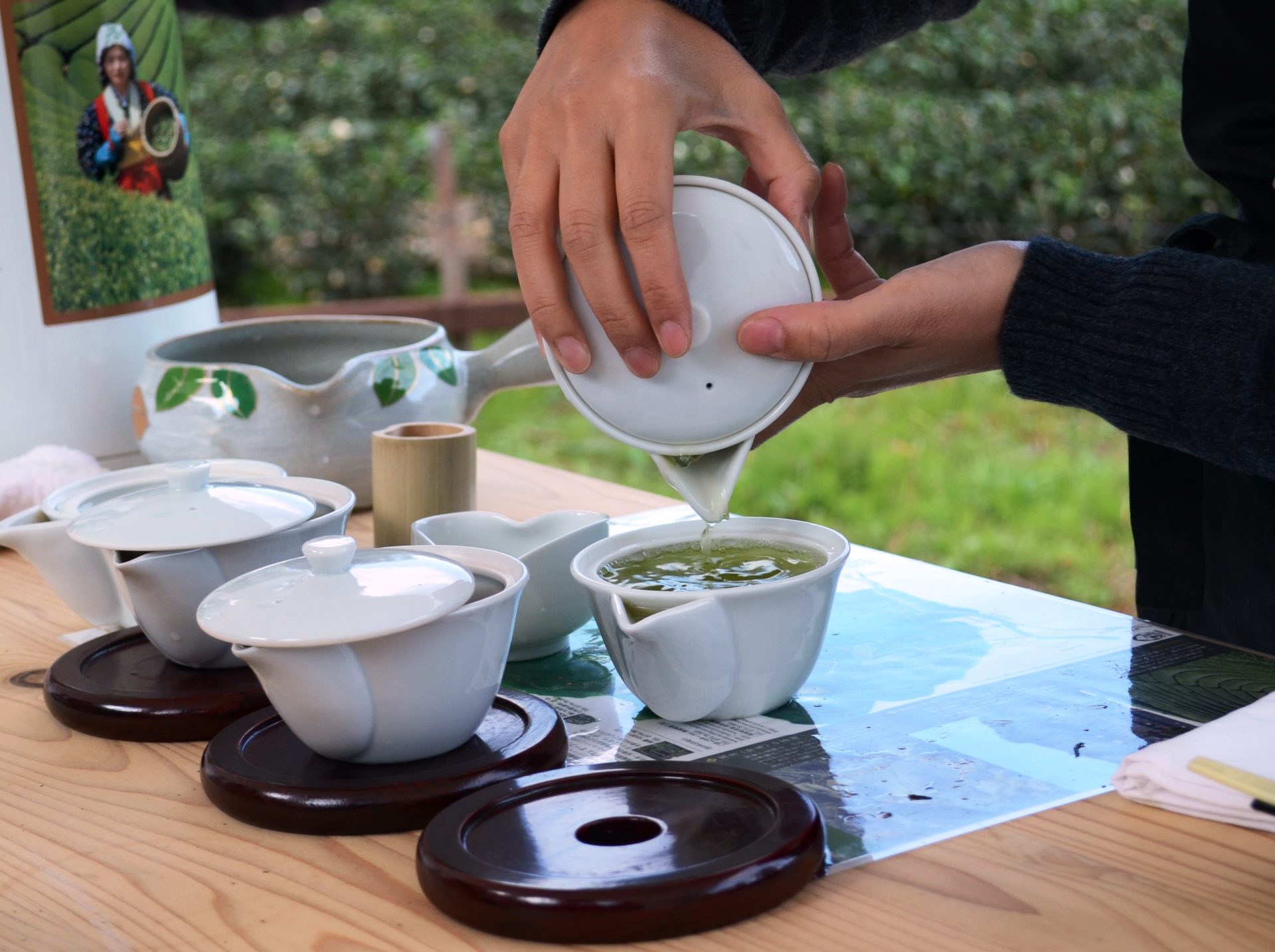
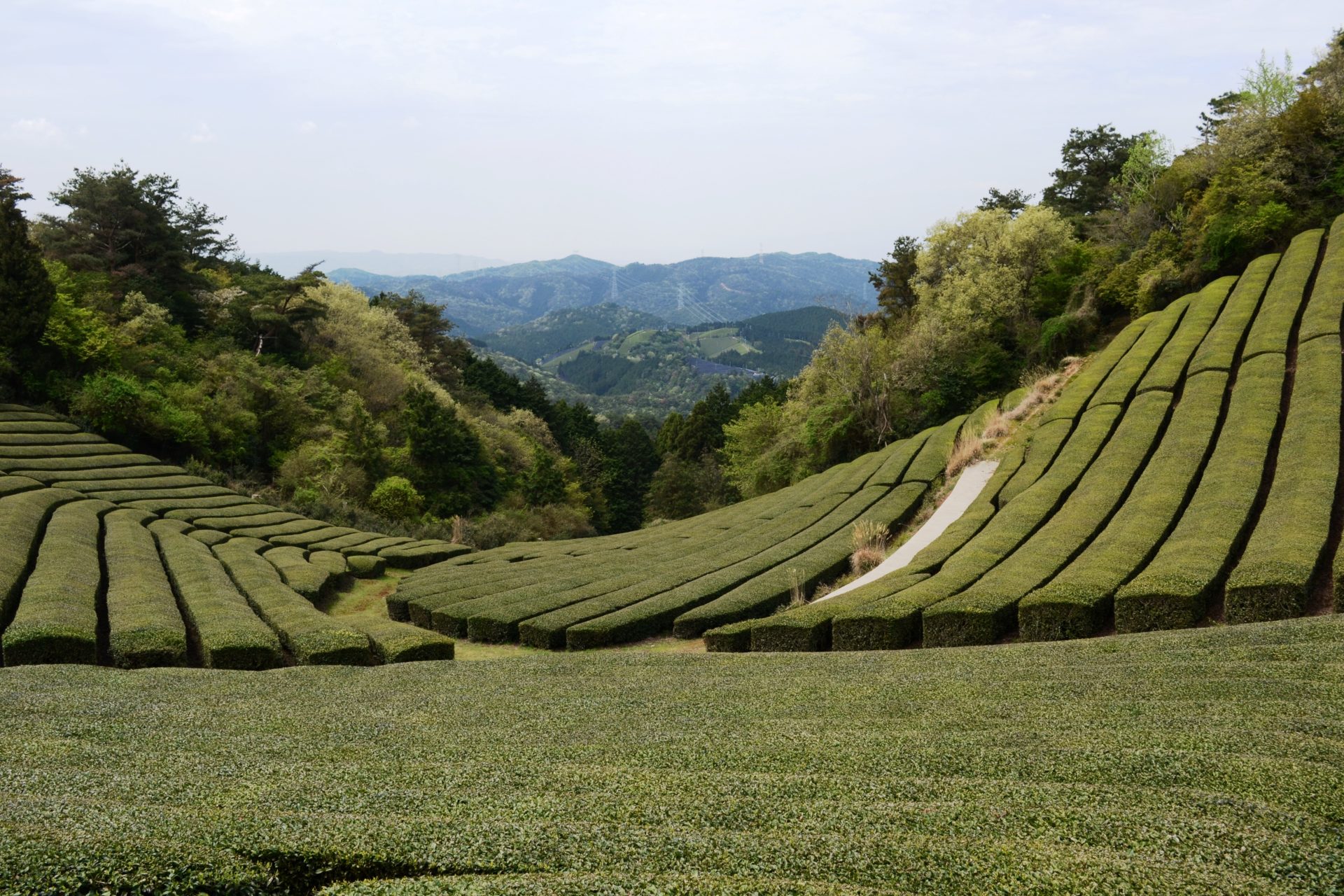
- We cannot say that this town is well served. It takes about an hour from Kyoto Station. You take the JR train, get off at Kamo Station and take the bus to Wazuka. To enjoy the view of the green tea fields, I advise you to rent a bike. It is forbidden to enter the tea fields, but since its path is narrow, the approach will be easy by bike.
- Bike rental price: 2,500 yen per person (9:00 a. m. – 4:30 p. m. )
- Map
Southwest Kyoto
Bamboo villages, Otokuni
Otokuni Province, otherwise known as “bamboo villages,” is located in the southwest of Kyoto Prefecture. A hub connecting Kyoto to Osaka, this province consists of Muko Town, Nagaokakyo Town and Oyamazaki Town.
The Take no Michi bamboo path
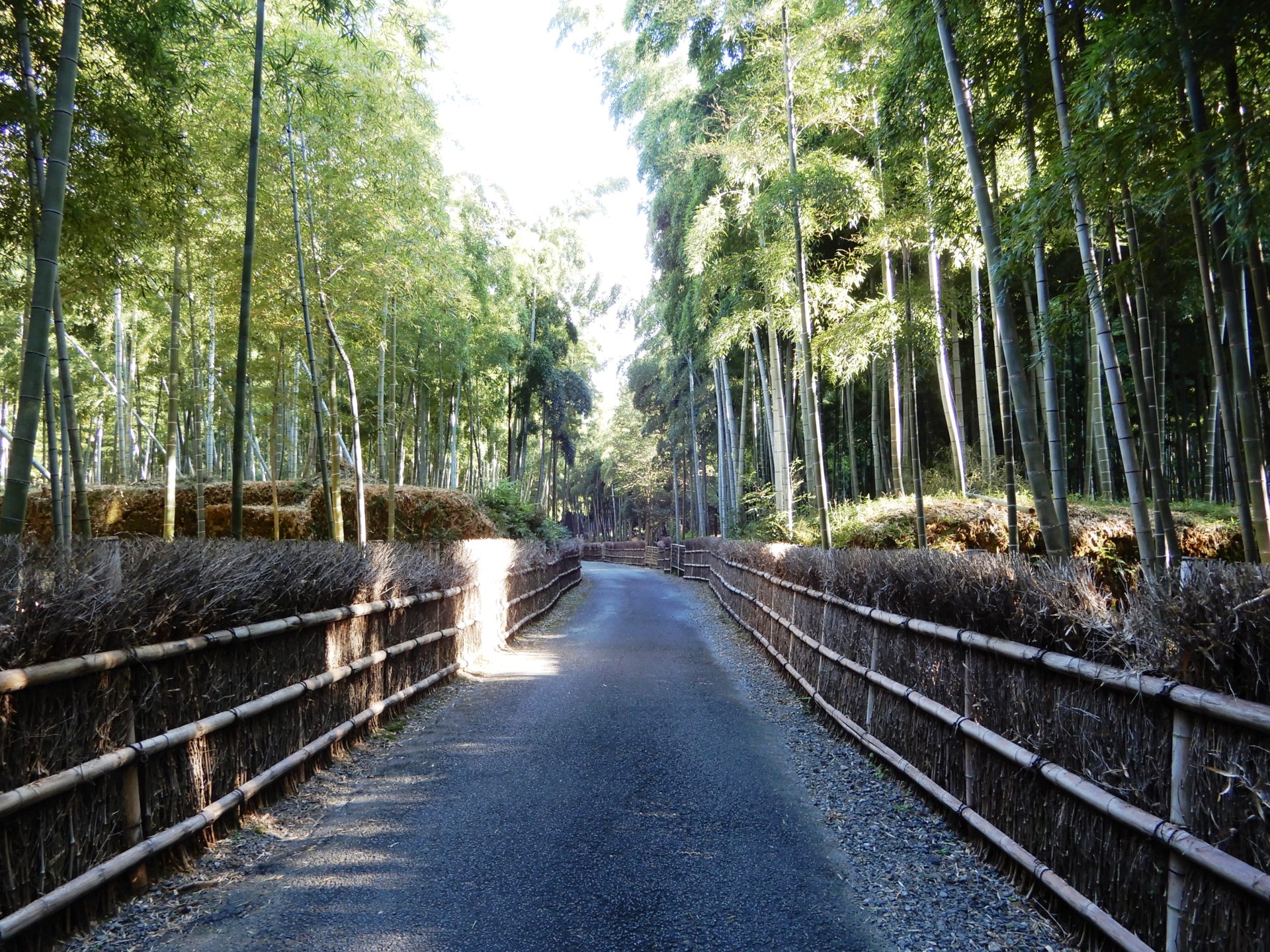
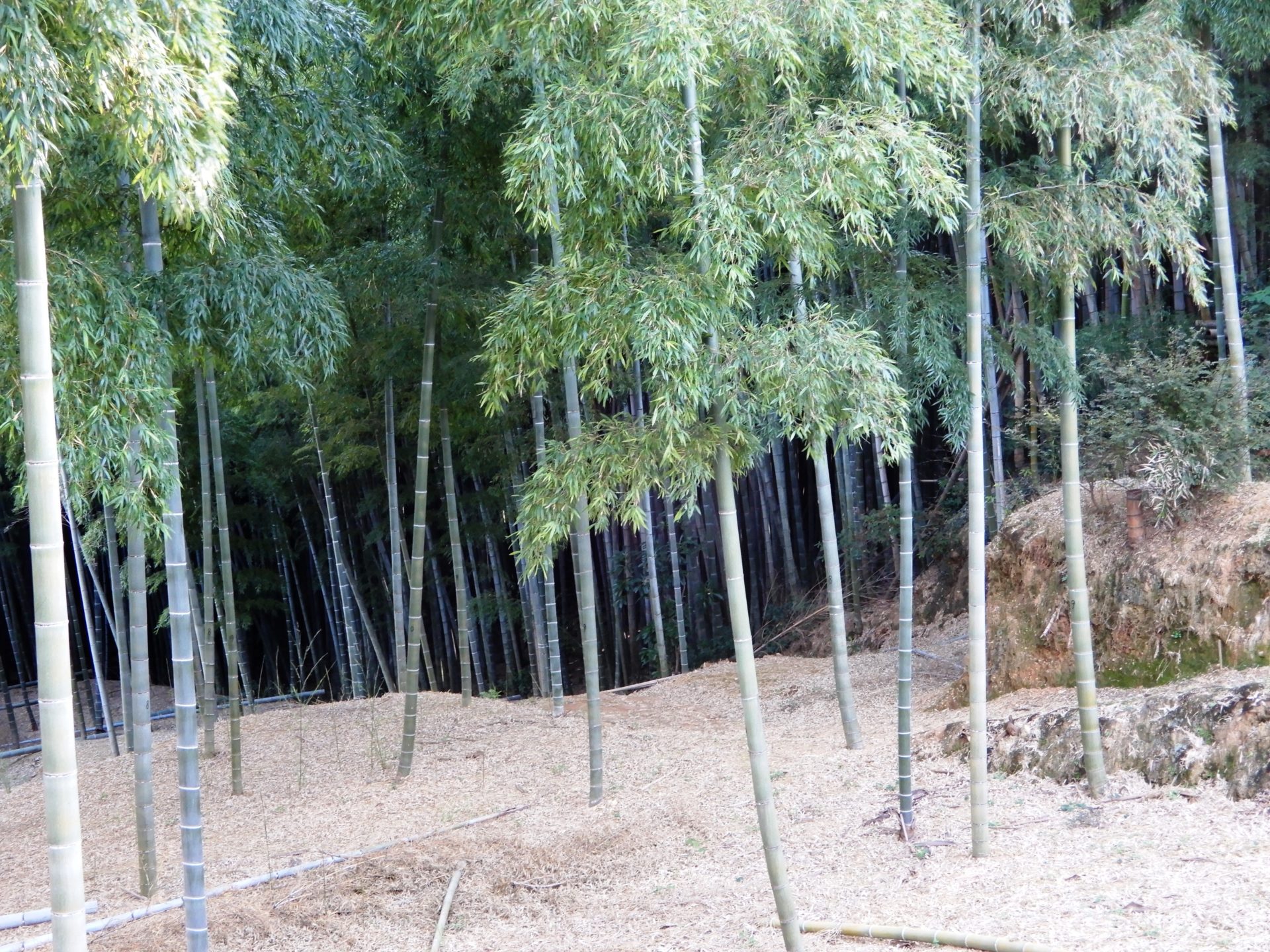
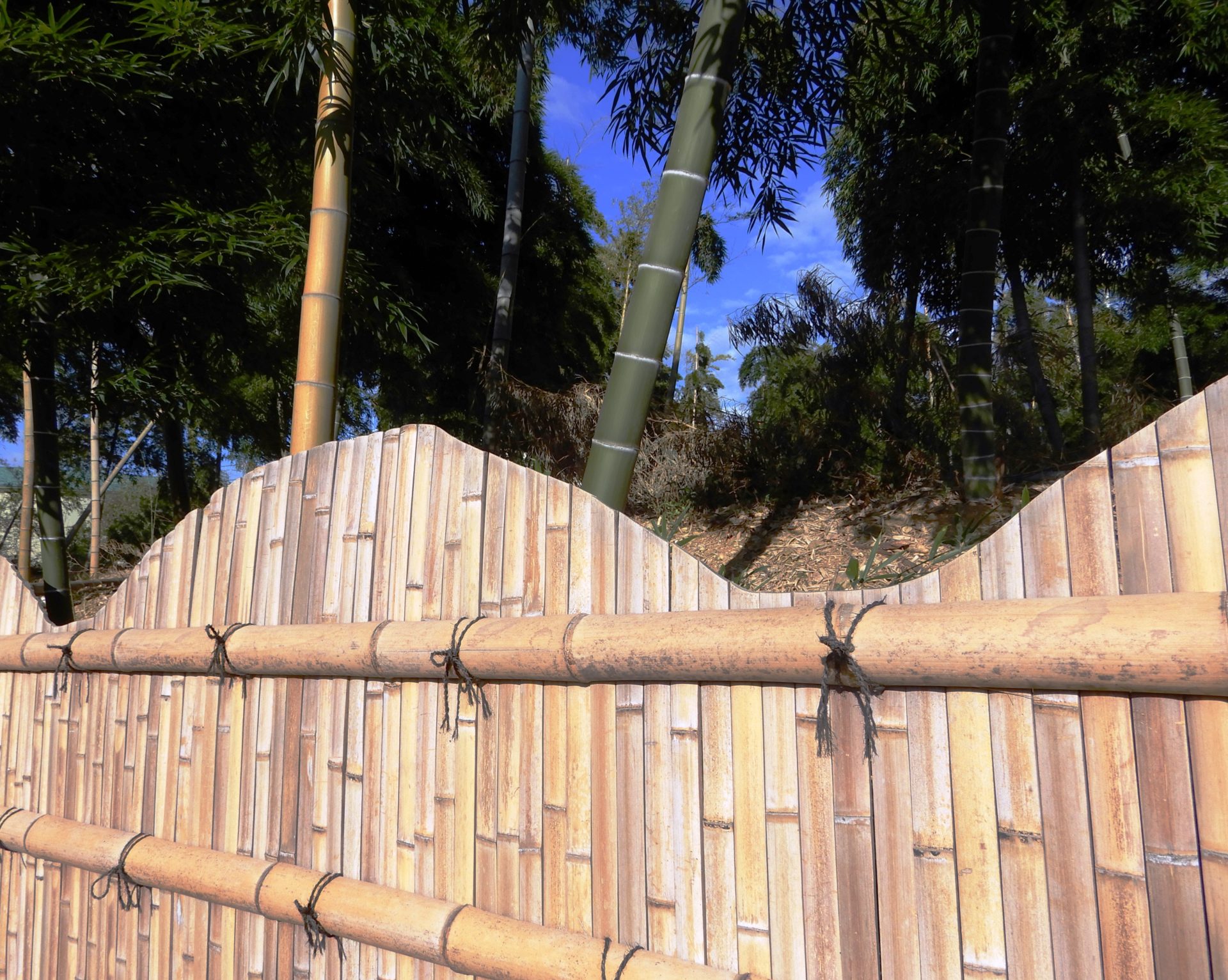
Which place is recommended to admire the view of bamboo in Kyoto? The famous bamboo forest of Arashiyama-Sagano? It offers a magnificent landscape, but it is very difficult today to take photos there without tourists. It’s far from tranquility. . . For a quieter walk among the bamboos, how about going to the bamboo path, “Take no Michi” about 2 kilometers long in the town of Muko, a close suburb of Kyoto?
Bamboo has evergreen foliage, but its old, yellowed leaves fall off and new shoots and leaves appear in spring. Spring is autumn for bamboo. In autumn, young bamboos grow up and show a green landscape. Autumn is spring for bamboo. Away from the tourist circuits, this bamboo path is peaceful. It will also be interesting to find various bamboo fences there.
The bamboo park
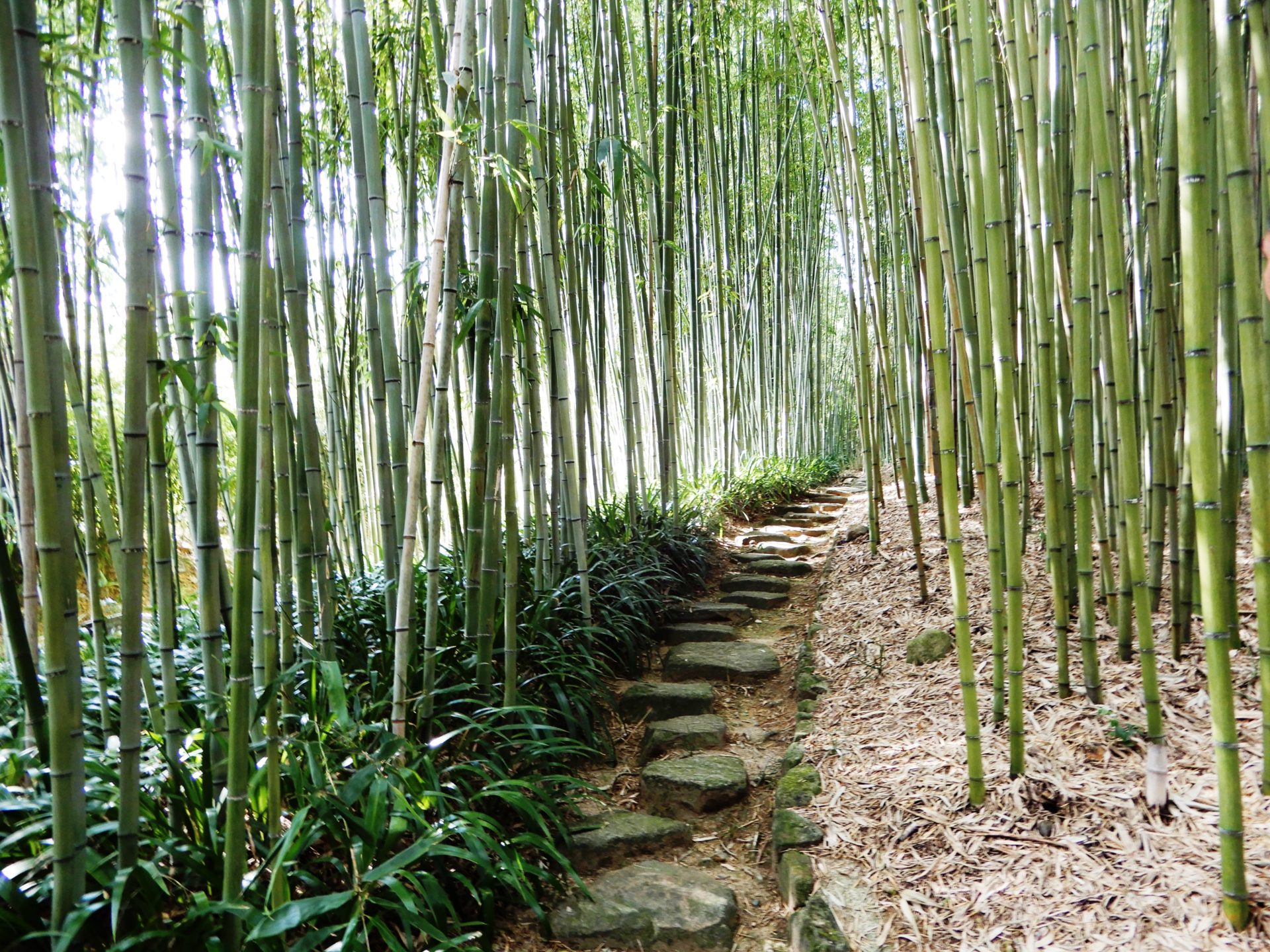
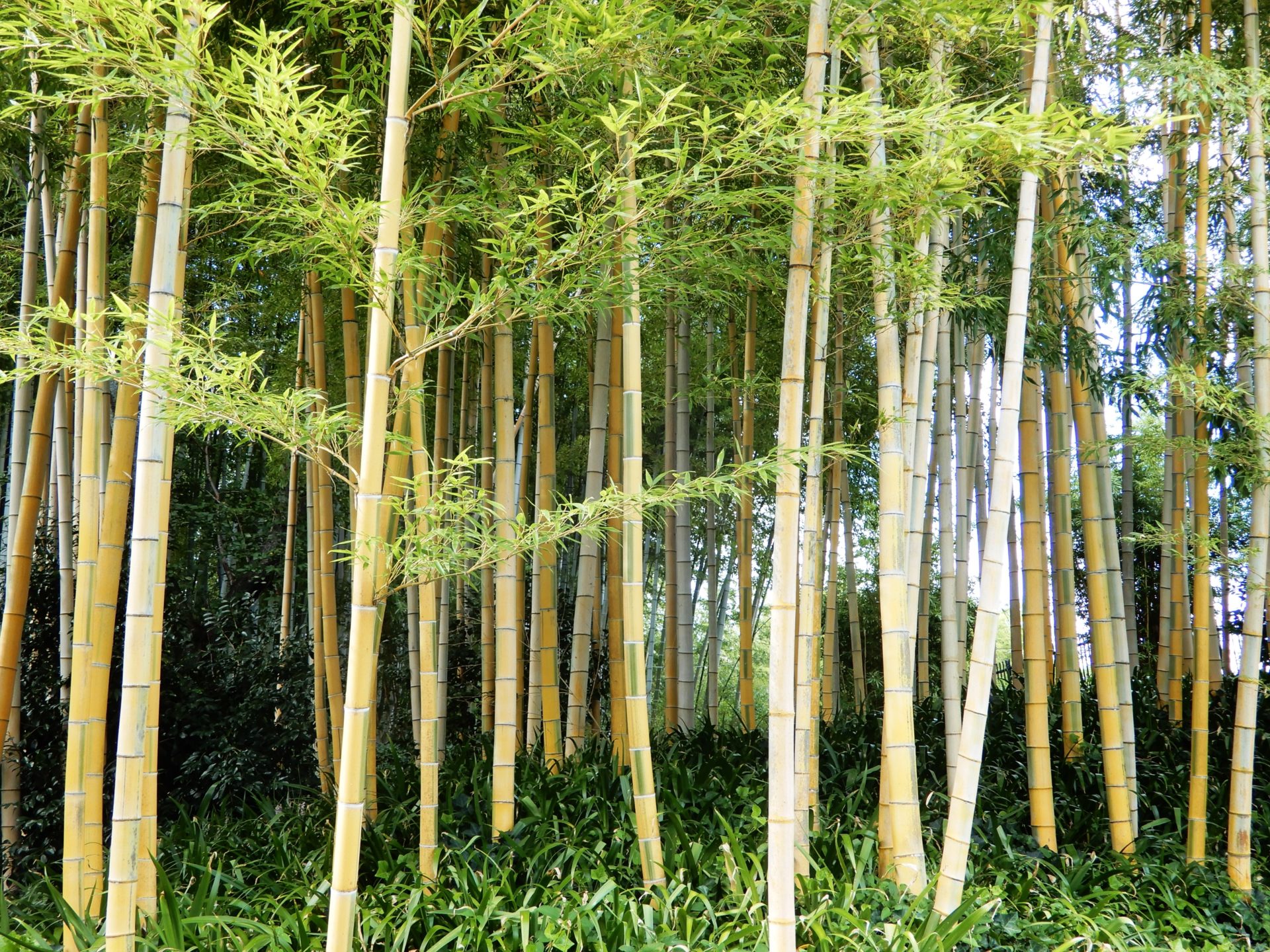
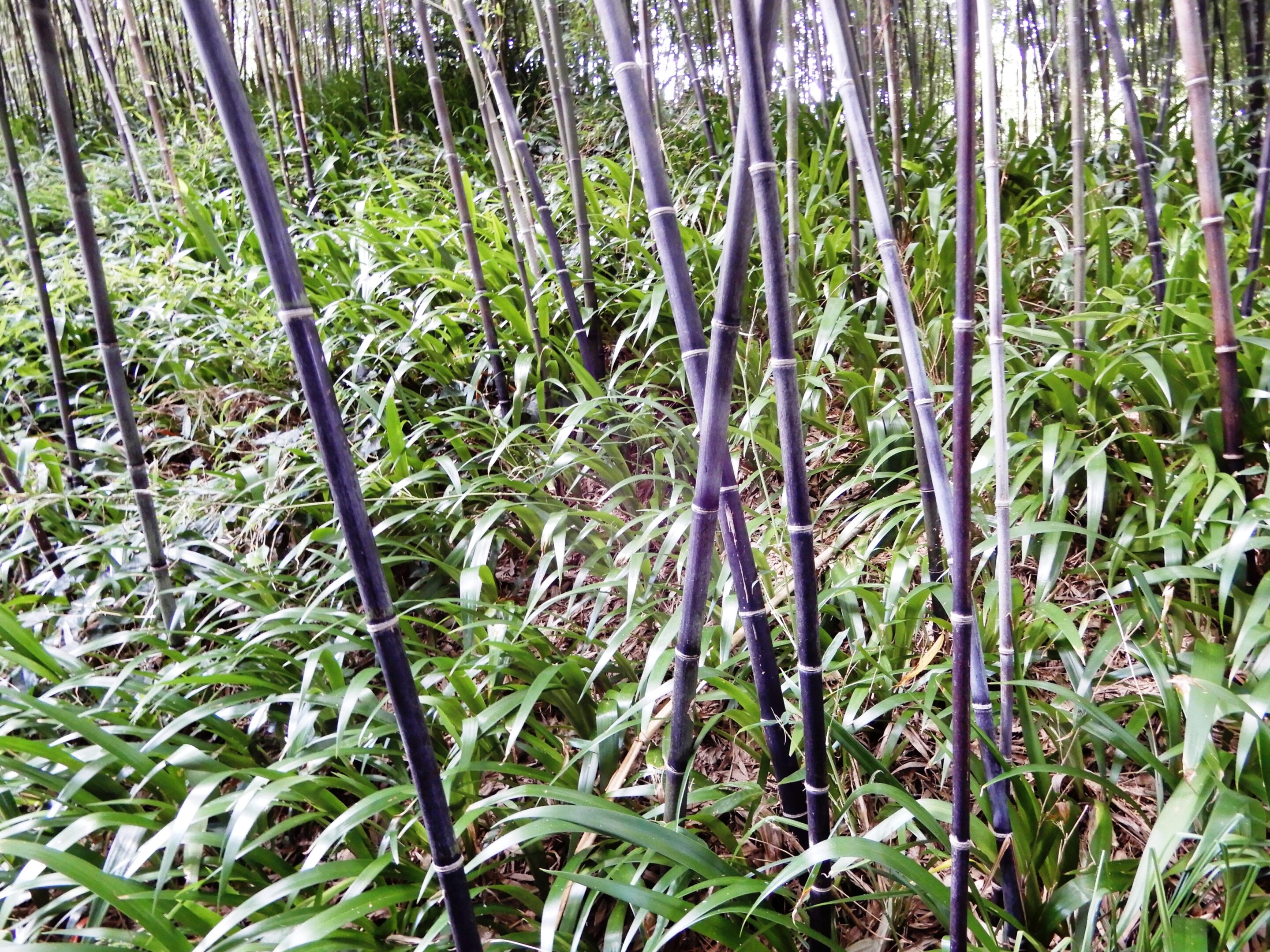
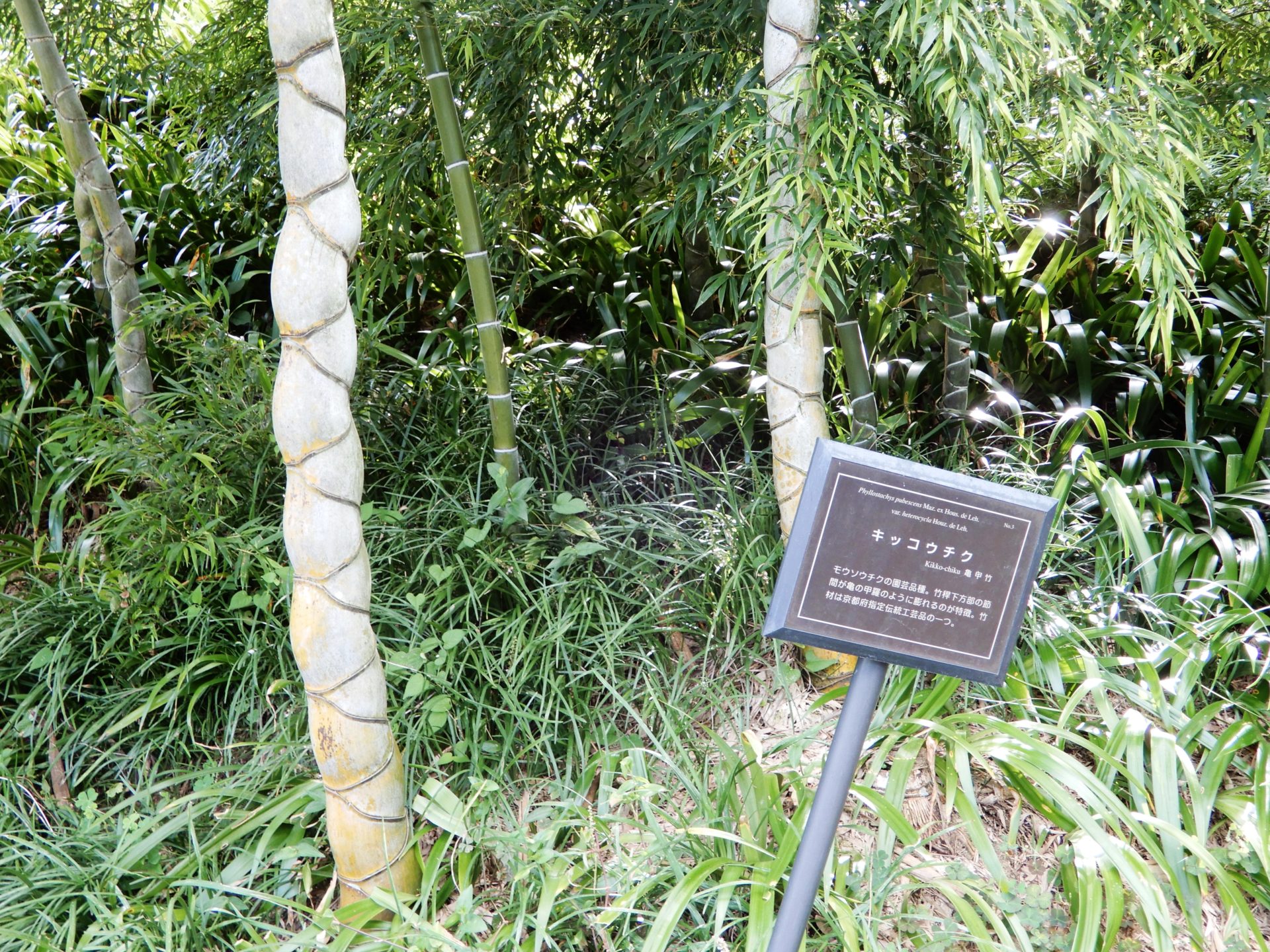
The bamboo park, “Rakusai Chikurin Koen” adjacent to the bamboo path is also worth a visit. I recommend taking a walk in its garden lined with various bamboos. It’s extraordinary.
The garden contains around 110 different species of bamboo. You can find special bamboo from Kyoto there.
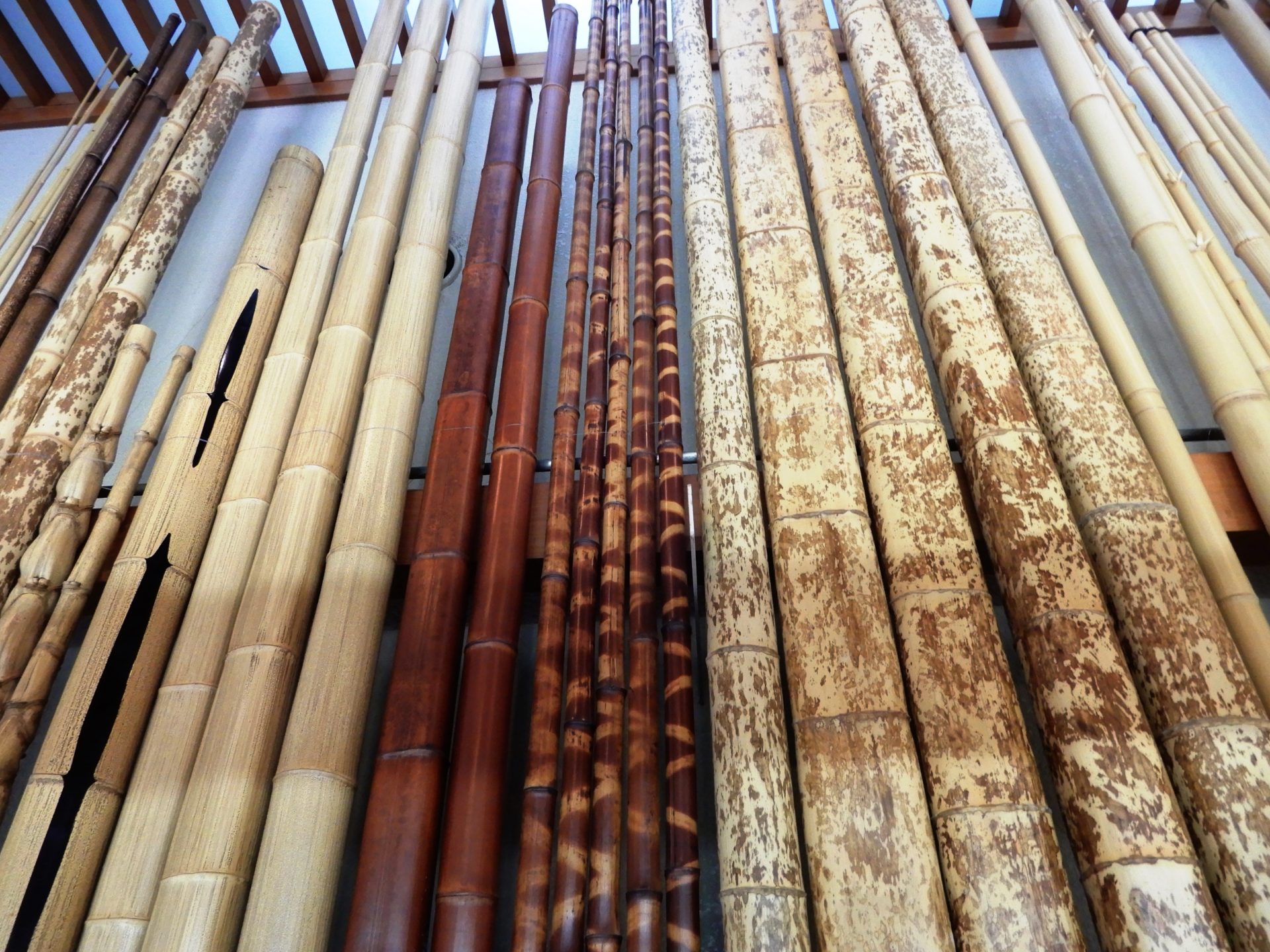
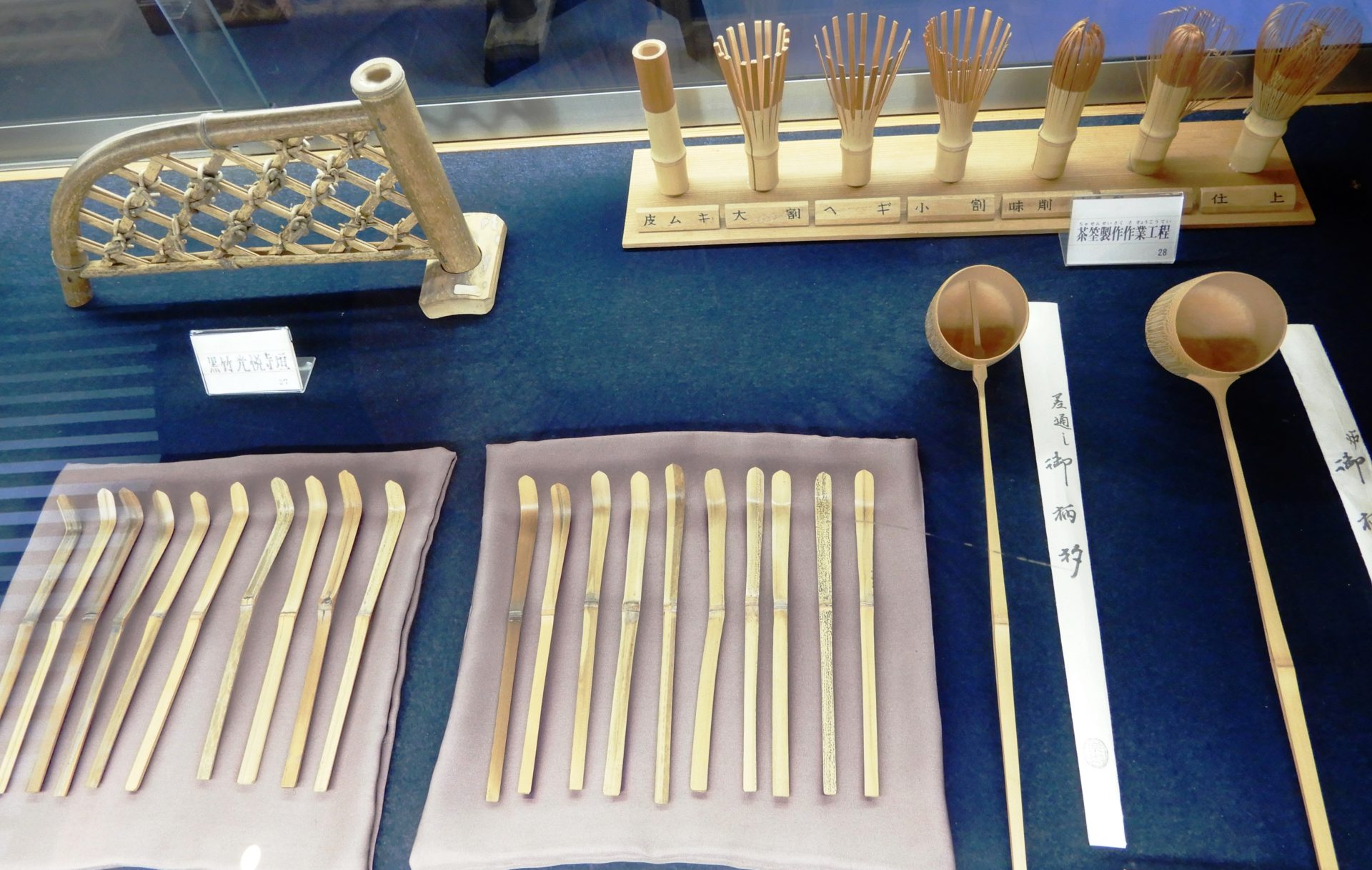
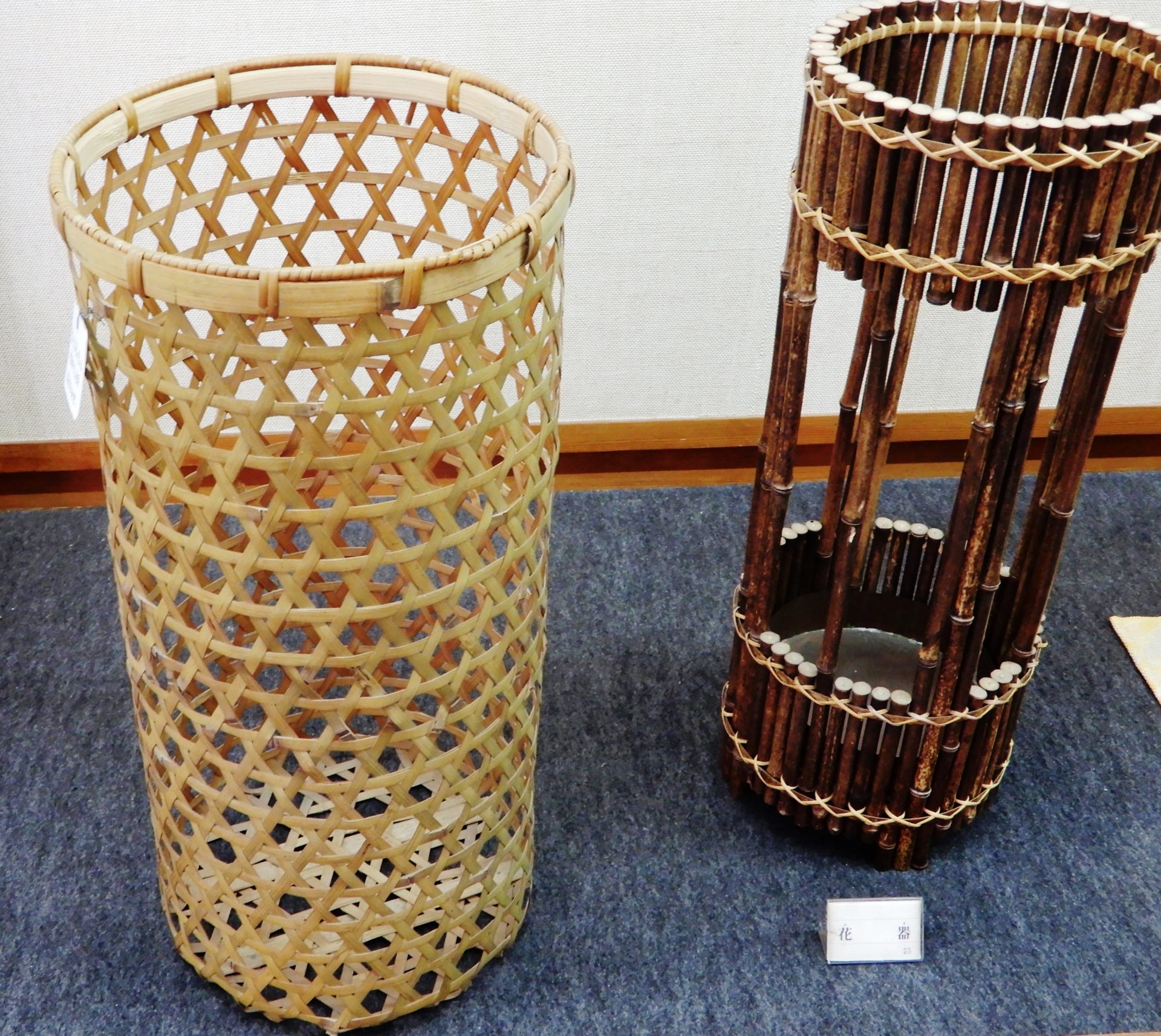
There is also a museum where Kyoto bamboos used for architecture or art objects are presented.
- Access to the bamboo park: take the Hankyu-Kyoto line from downtown Kyoto (Karasuma or Kawaramachi) and get off at Katsura station (about 10 minutes). Take the west exit and get off at Minami Fukunishi-cho stop with bus lines 3 or 8 (about 15 minutes). The southern entrance (exit) of the park is a 5-minute walk away. After the visit, you can access the bamboo path, Take no Michi through the north entrance (exit).
- Entrance fee: free
- It is closed on Wednesday.
- Map
The town of Oyamazaki
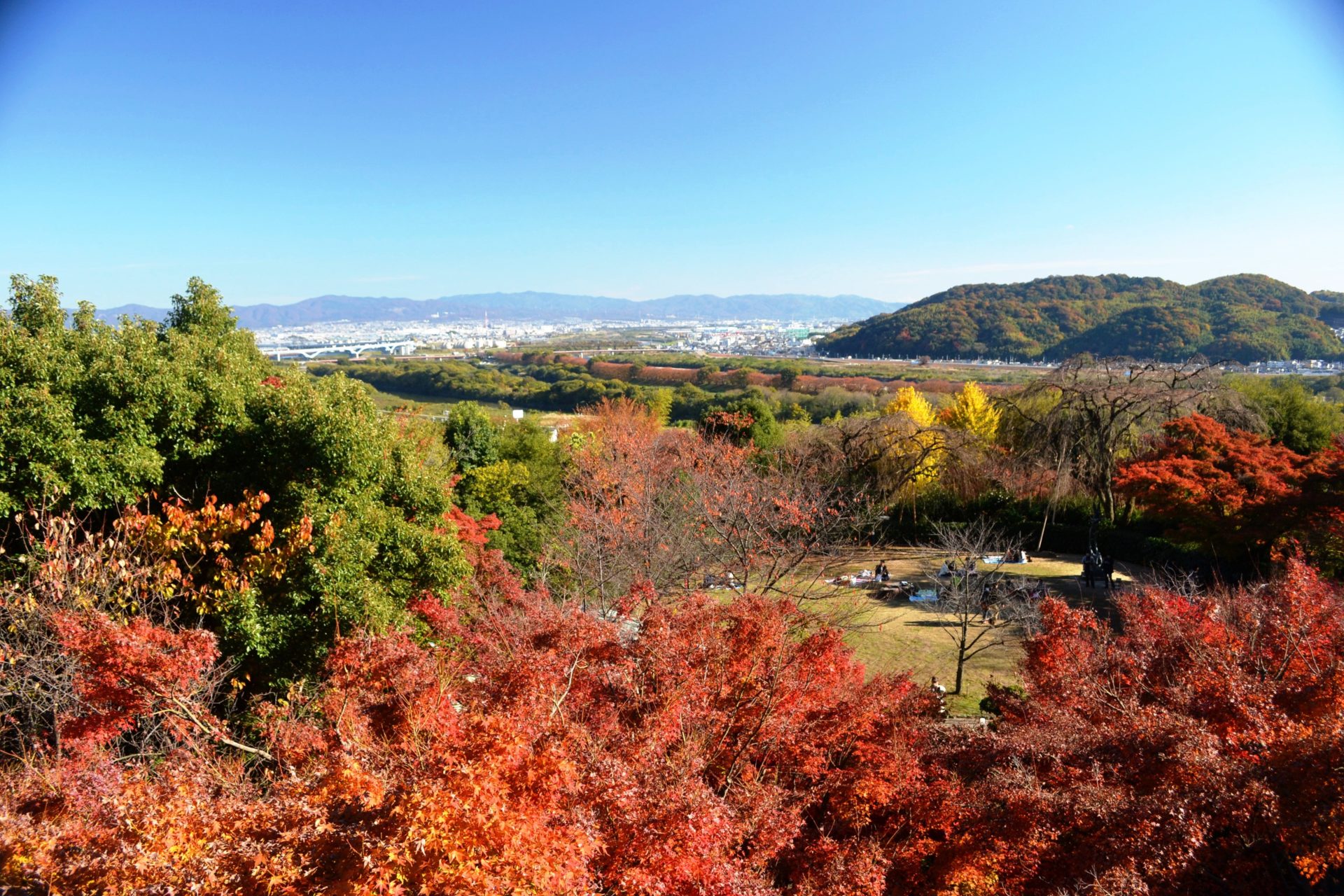
Oyamazaki where the three rivers Kizu, Uji and Katsura meet is a peaceful town at the foot of Mount Tenno. It is 15 minutes by train from JR Kyoto Station. It benefits from rich nature and is also home to little-known yet pleasant historical buildings. How about exploring this small town through architecture? It is also recommended to take an excursion combining a visit to the Suntory Yamazaki whiskey distillery located in the neighboring town of Shimamoto.
Chochikukyo
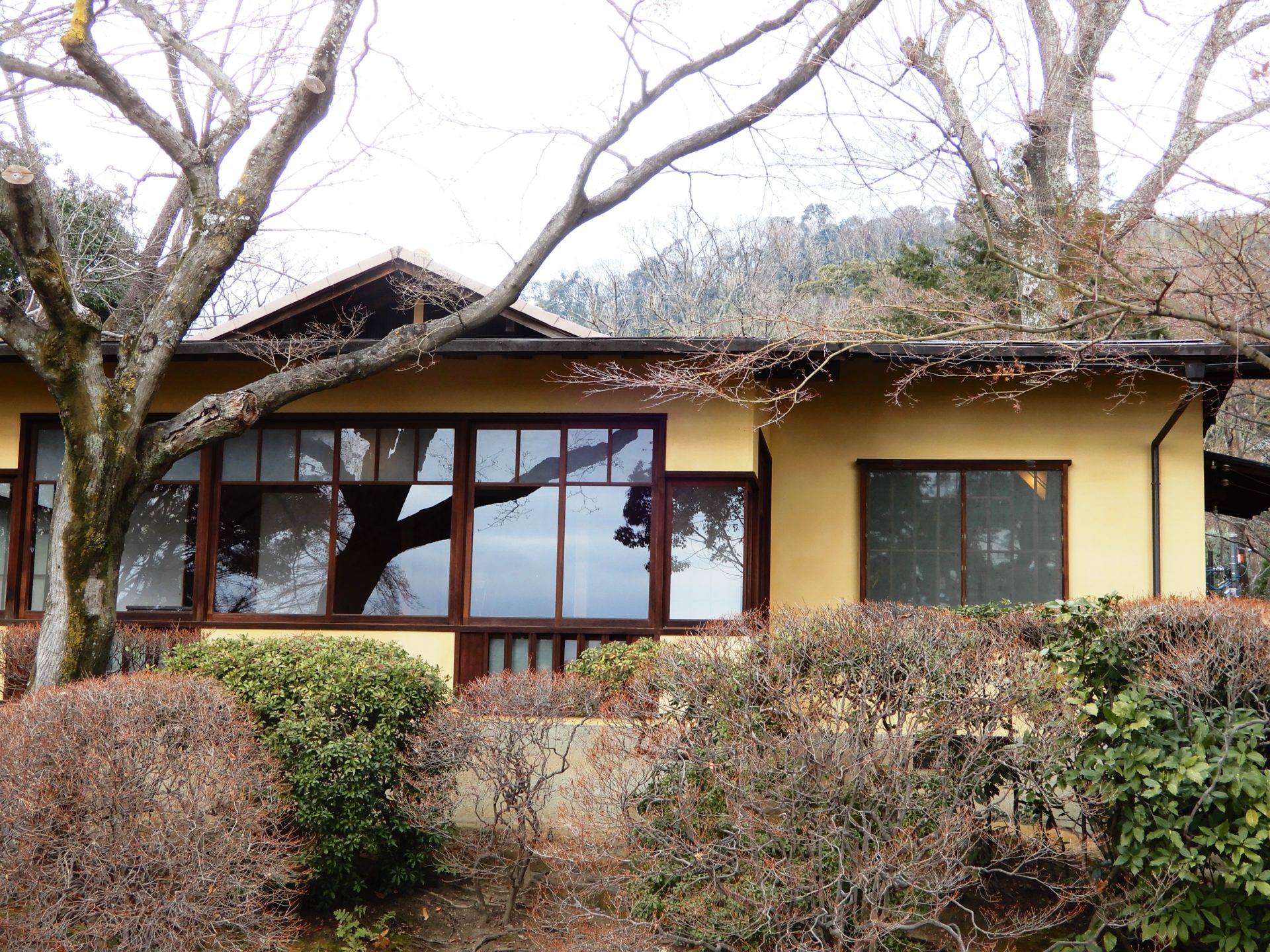
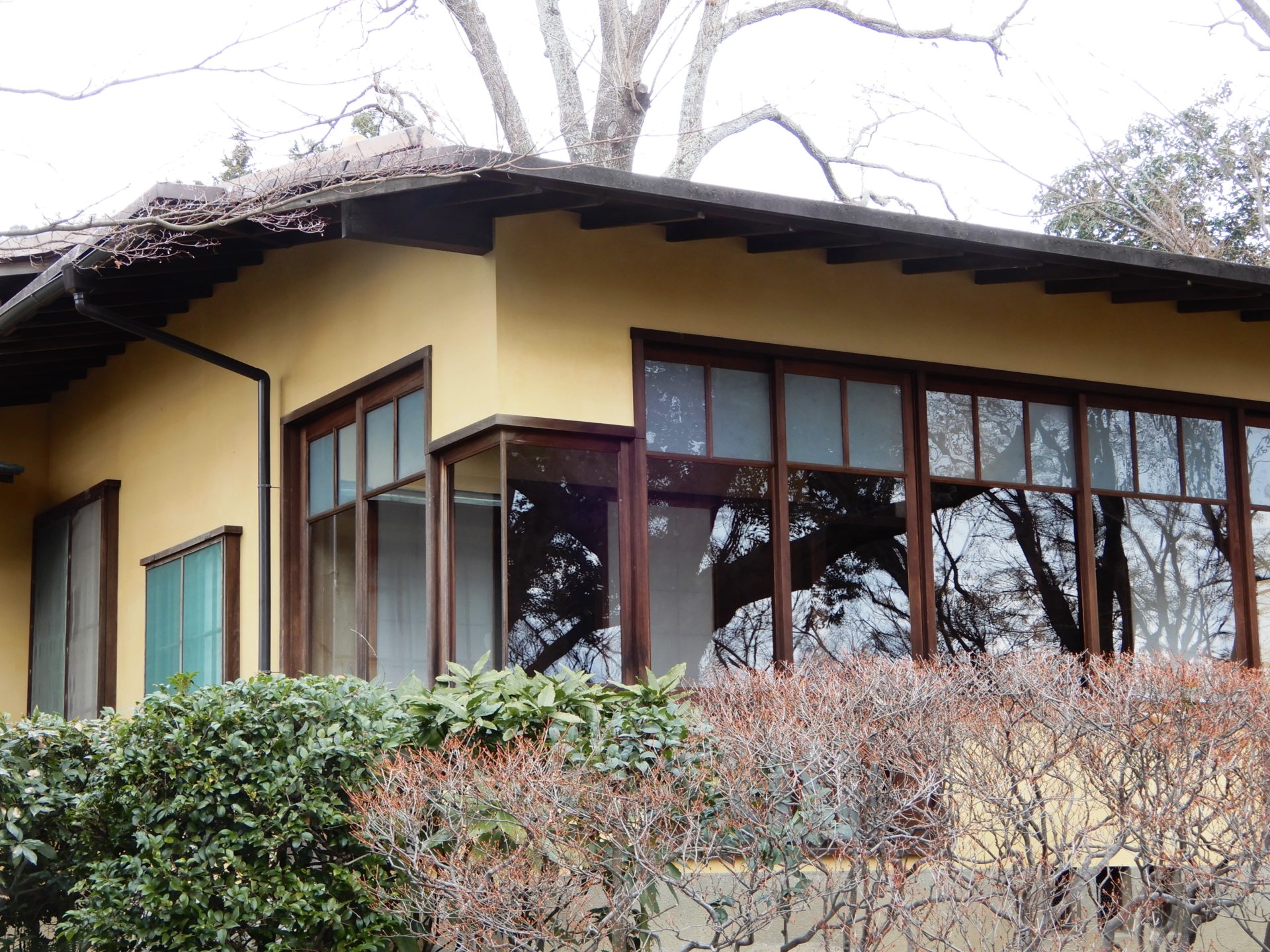
Chochikukyo which means dwelling where you can hear the rustling of the wind in the bamboos, is a private house of Fujii Koji (1888-1938). As an innovative architect, he dedicated his life to designing and creating homes appropriate to both modern life and the Japanese climate by implementing environmental engineering. Chochikukyo, completed in 1928, was the last in a series of experimental single-family dwellings designed by Fujii. He tried to take advantage of natural energy to create a comfortable interior in all seasons but especially in summer. Summer in Japan is hot and humid. In Chochikukyo, there are various tips so that you can escape the stifling heat and enjoy a little freshness. Fujii was also good at interior design. In this one-story house, traditional Japanese materials and patterns are well integrated into modern Western design.
- The price of Chochikukyo entrance and guided tour ticket is 1,500 yen.
- It is open on Wednesday and Sunday. To visit it, you must book in advance.
- The photos are good, but their publication on social networks is subject to the authorization of the establishment. Videos are prohibited.
- Map
The Asahi Art Villa Museum Oyamazaki Group
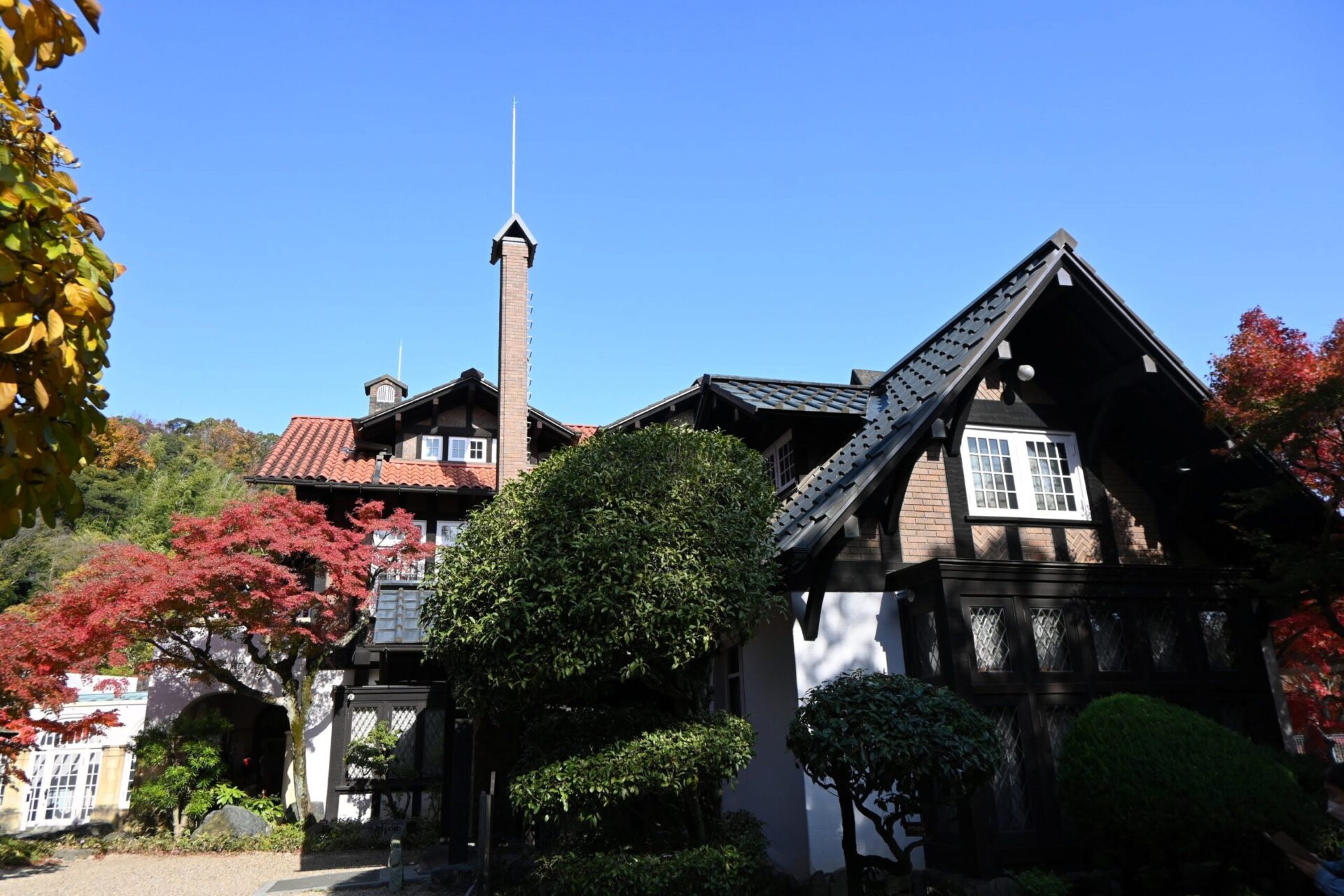
If you like art and architecture, I recommend going to this art villa museum. It was originally an English-style villa designed by Kaga Shotaro (1888-1954), a businessman from the Kansai region. It was in danger of being demolished, but it was restored and transformed into a museum in 1996 thanks to the friendship with the first president and CEO of Asahi Breweries, Tamesaburo Yamamoto (1893-1966), who patronized the movement mingei, a Japanese art movement that notices beauty in everyday objects. The works from this movement constitute a main collection of the museum.
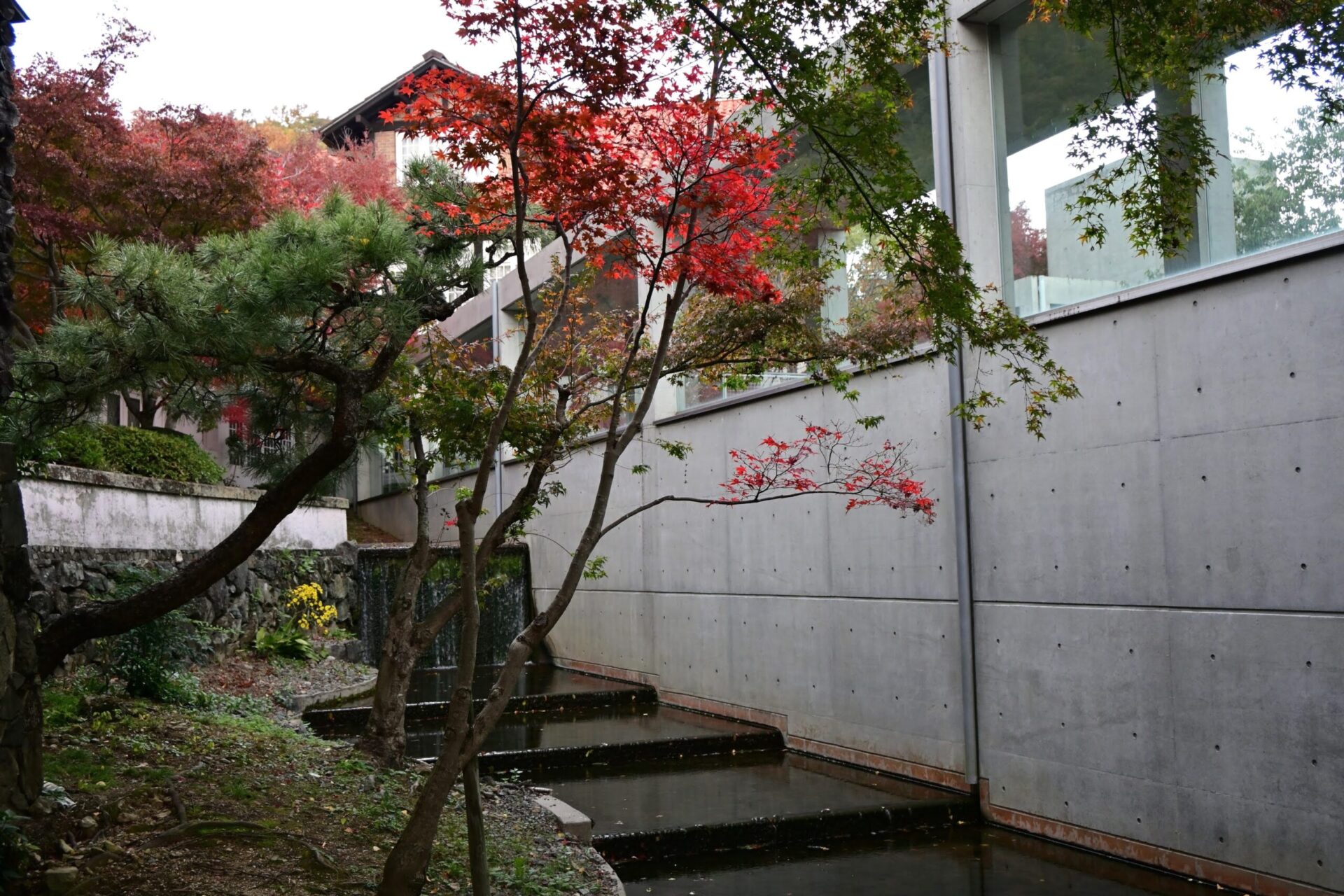
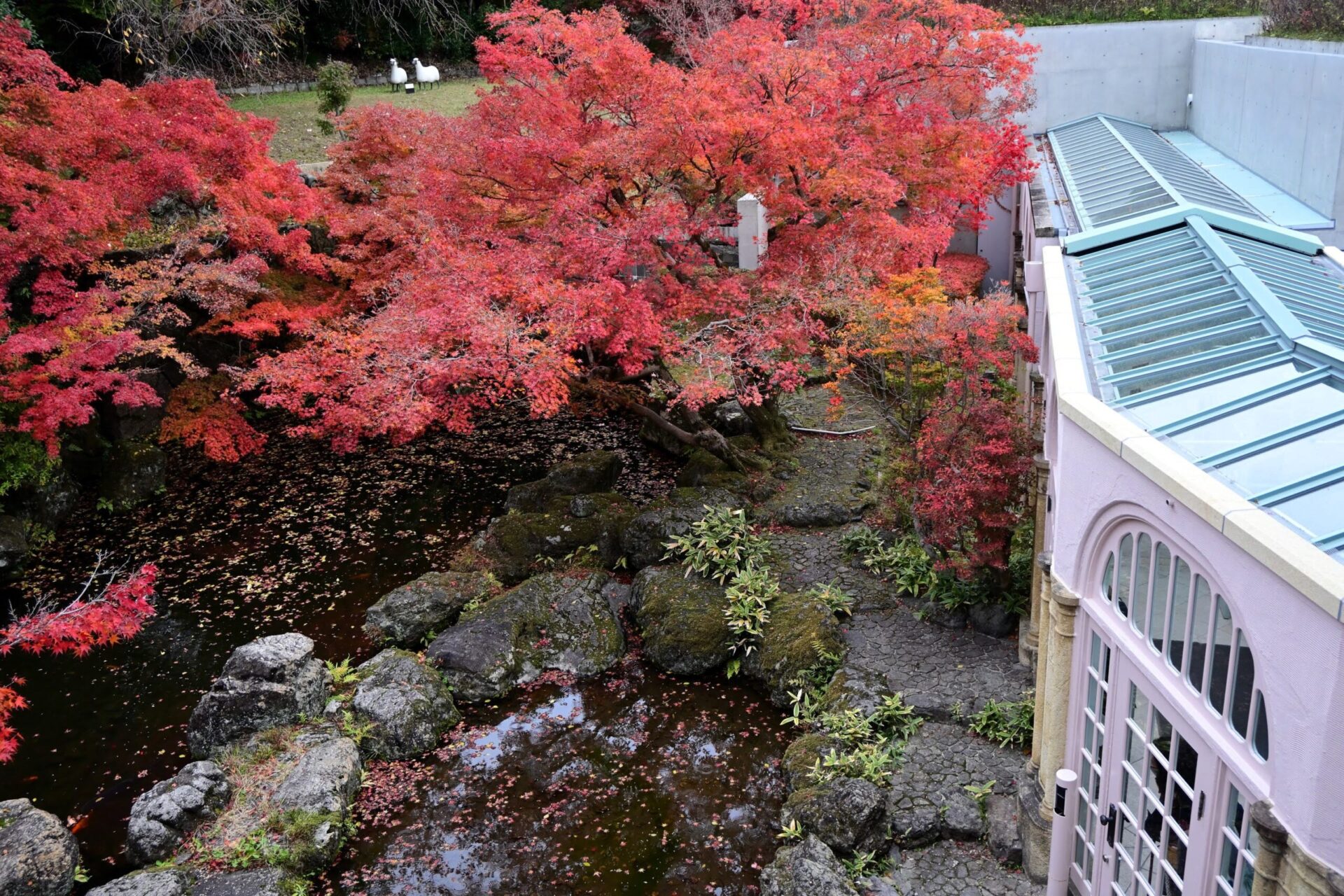
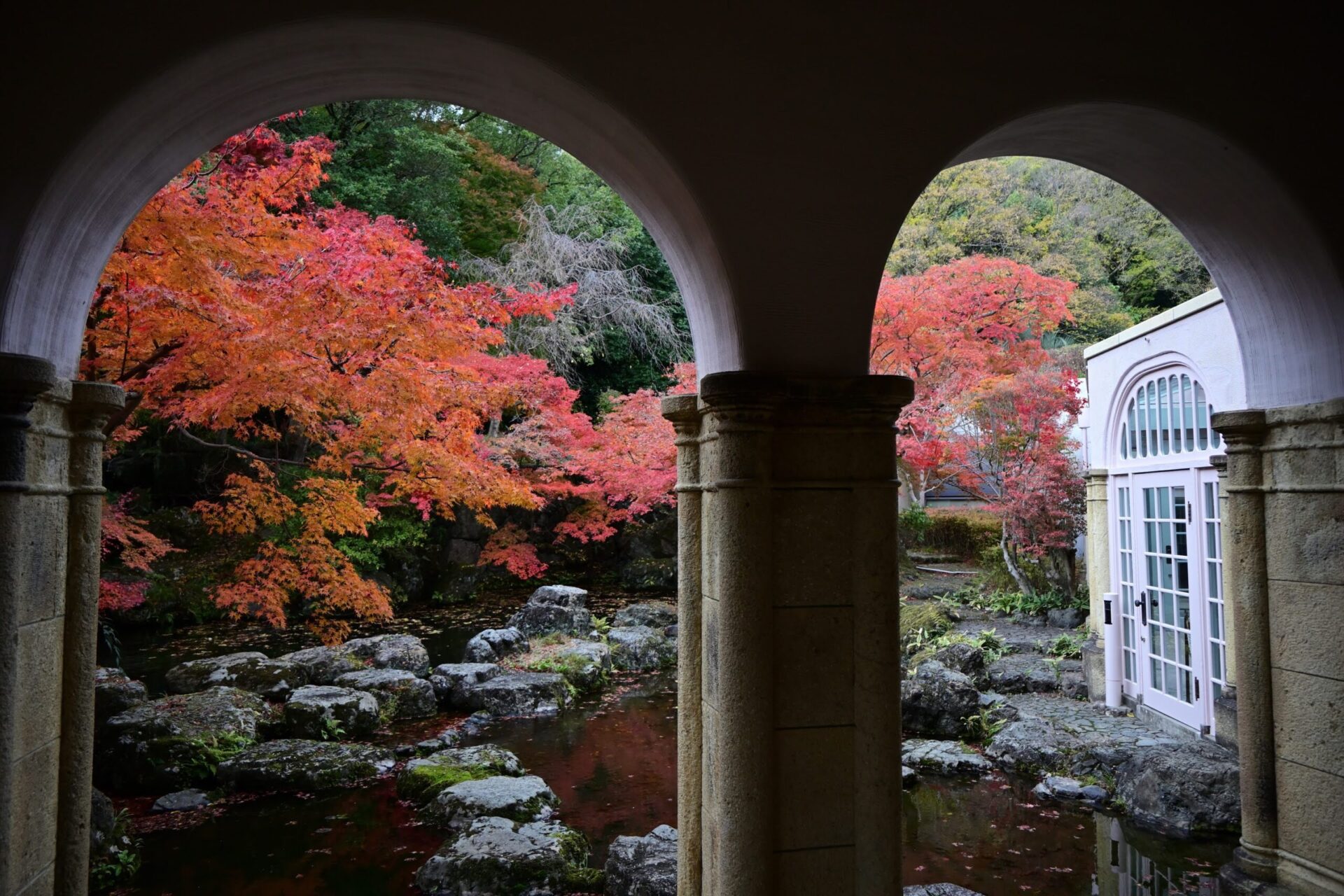
You can also visit two buildings designed by Tadao Ando. One is buried to be well integrated into a surrounding green setting. In its column-shaped gallery, Claude Monet’s Water Lilies are exhibited. The other is located at the end of the passage leading to the old orchid greenhouse and is used for temporary exhibitions.
- The Asahi Oyamazaki Group Art Villa Museum is closed on Mondays.
- Prices vary depending on the temporary exhibitions.