

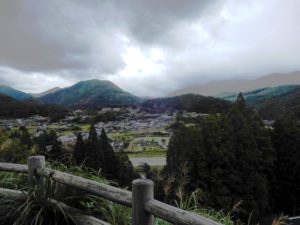
The Kumano region is nestled in lush greenery in the south of the mountainous Kii Peninsula. This place name means a secluded place where the souls of the dead gather. Nature-rich Kumano is deeply associated with nature worship where all natural features such as mountains, rivers, rocks and forests are believed to shelter deities. Shintoism, a traditional Japanese religion, is essentially based on the worship of nature. For over a thousand years, Japanese people from all social classes have made pilgrimages to Kumano. Why does this land full of mystery attract so many pilgrims? What makes Kumano different from other sacred sites in the country?
The Kumano Sanzan
The Kumano Sanzan, the sacred center of the Kumano region, is made up of three major shrines: Kumano Hongu Taisha, Kumano Hayatama Taisha and Kumano Nachi Taisha. Since ancient times, Kumano has been associated with the worship of nature which is an essential element of Shintoism. Originally these three great sanctuaries were devoted to different forms of nature worship: river, rock and waterfall. But they ended up merging through ancestor worship which is another essential element of Shintoism. Each Shinto deity, kami is revered reciprocally.
Kumano Hongu Taisha Grand Shrine
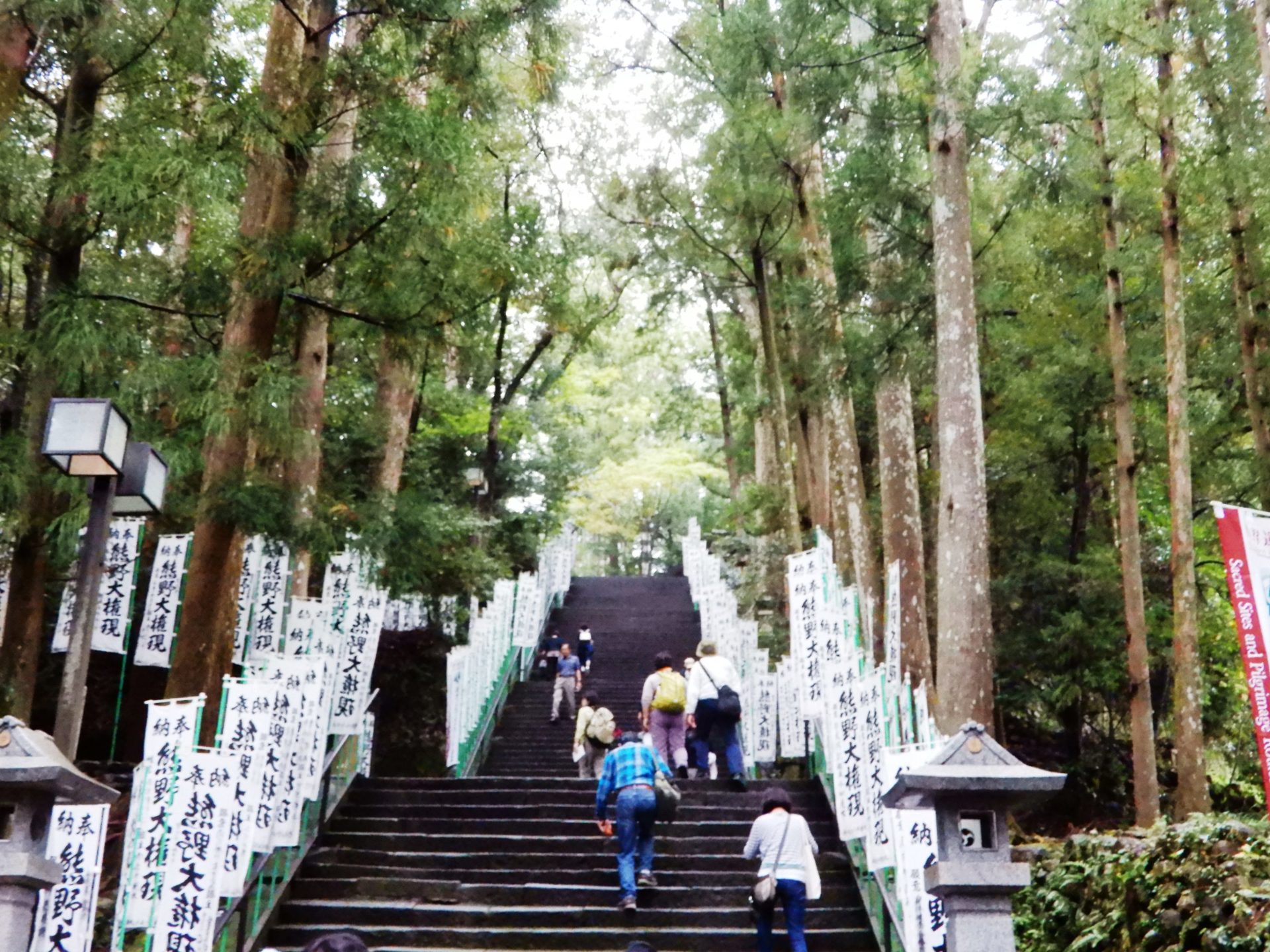
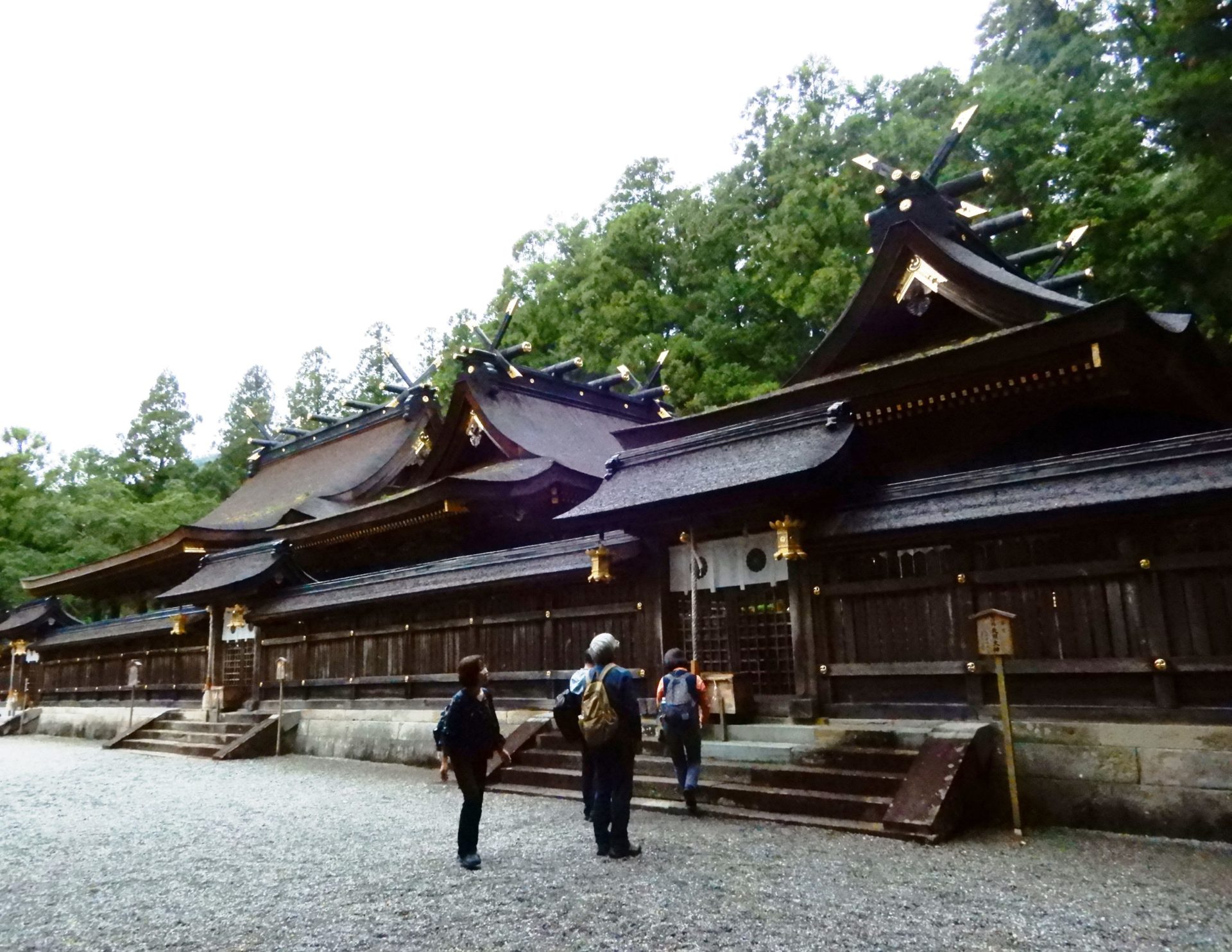
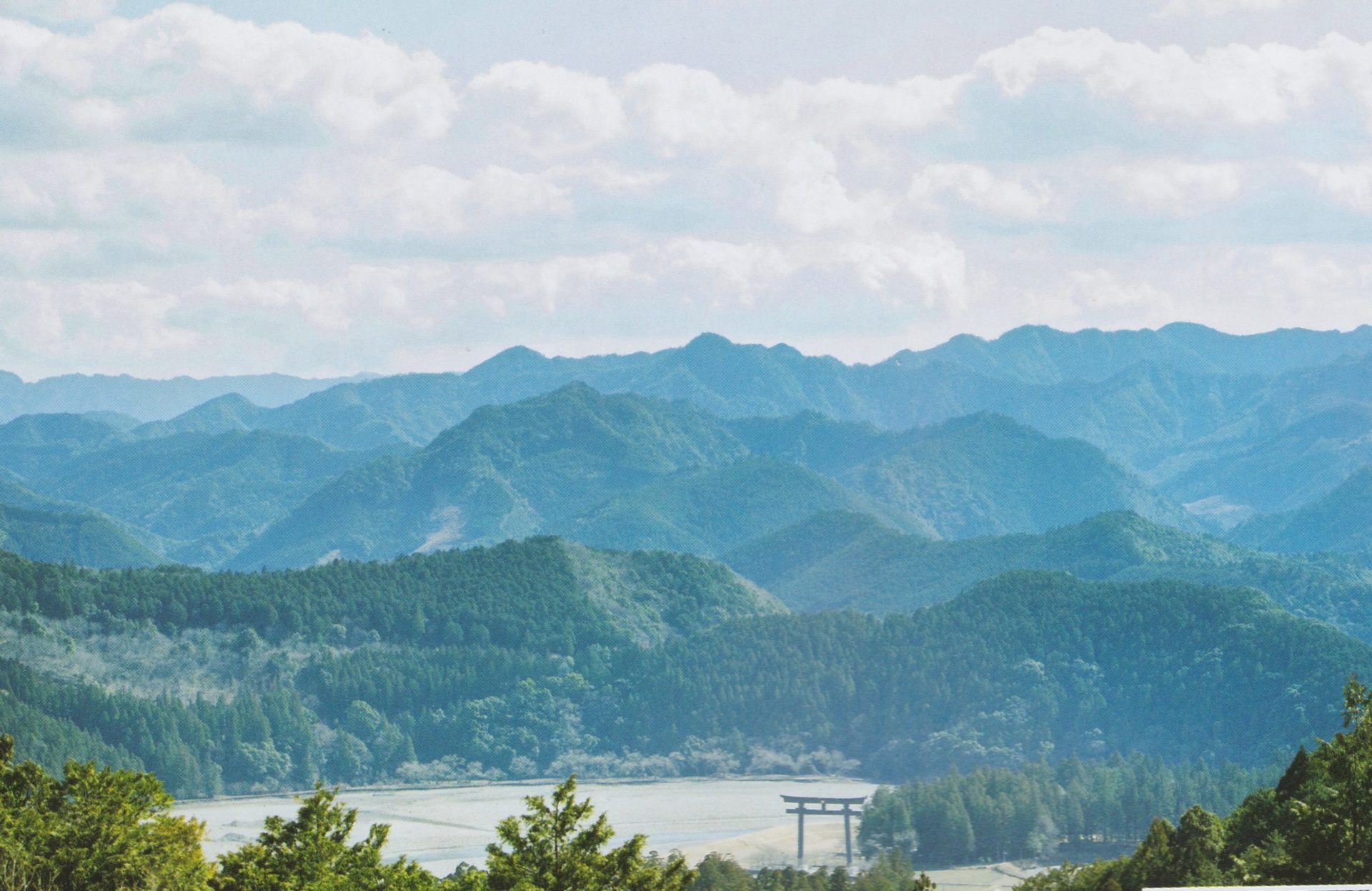
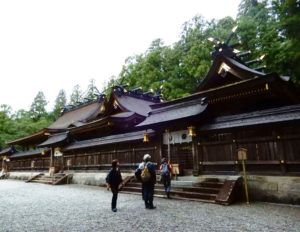
At the top of a long stone staircase shaded by cedars is the large Kumano Hongu Taisha shrine considered by ancient pilgrims as the first destination. Having over 2,050 years of history, it was originally located on the Oyunohara sandbar where the three rivers Kumano, Otonashi and Iwata join. Some buildings which survived a flood were moved to the current site at the end of the 19th century. In Oyunohara, a large torii stands up.
Kumano Hayatama Taisha Grand Shrine
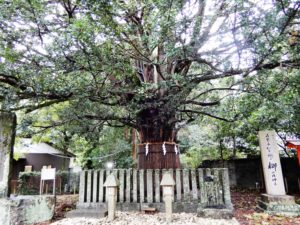
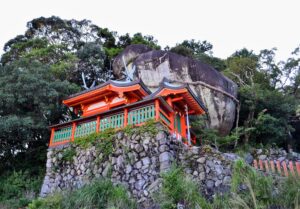
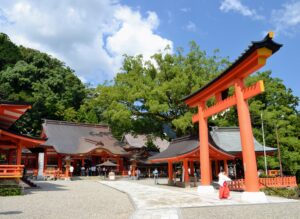
The Kumano Hayatama Taisha Grand Shrine which has around 1,900 years of history is located at the mouth of the Kumano River. Within its enclosure, there is the sacred tree nagi 1,000 years old. It is said that pilgrims brought back leaves from this tree as a talisman. Don’t forget to visit the Kamikura-jinja secondary shrine located a 15-minute walk to the south. The sacred rock gotobiki-iwa on which the kamis of Kumano is at the top of a steep staircase within its compound.
Kumano Nachi Taisha Grand Shrine
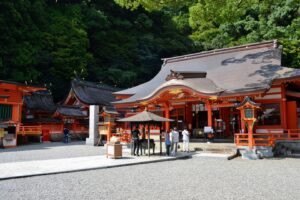
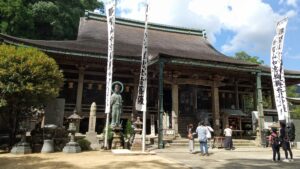
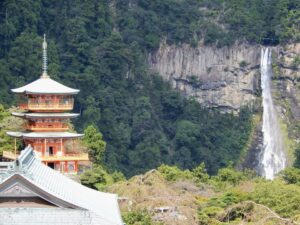
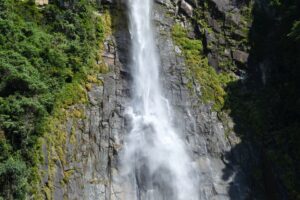
The Kumano Nachi Taisha Grand Shrine is located halfway to the peak of Mount Nachi. The 133 meter high Nachi-no-Taki Waterfall located near the shrine has been the object of worship since ancient times. You will be impressed by its beauty. Next to the shrine stands the Seiganto-ji Buddhist temple and its three-story pagoda. Why are there Buddhist buildings at the site linked to the kamis, Shinto deities?
Kumano faith
Most Japanese believe they belong to both Shintoism and Buddhism. This concept of religion among the Japanese which differs from that of Westerners was born from the Shinto-Buddhist fusion. Especially in Kumano, across the shugendo linked to both Shintoism and Buddhism, a kind of religious syncretism was established earlier than in other parts of the country. The Kumano Nachi Taisha Grand Shrine and the neighboring Seiganto-ji Buddhist Temple bear witness to the history of this religious harmony.
During the 9th and 10th centuries, a new theory that defined the relationship between Buddhist deities and Shinto deities from a Buddhist perspective emerged with the progression of syncretism. Japan is far from India, the birthplace of Buddhism. According to this theory, Indian Buddhist deities chose to appear in Japan as kamis natives in order to save people more easily; thus the kamis were considered manifestations of Buddhist deities, gongen. In Kumano, the kami principal of the great Hongu Taisha shrine, Susanoo is associated with Amida Buddha. That of the great Hayatama Taisha shrine, Izanagi to Yakushi Buddha and that of the great Nachi Taisha shrine, Izanami to Bodhisattva Kannon. We designate the kamis worshiped at Kumano Sanzan under the generic name of Kumano Gongen. The Japanese are adept at integrating and assimilating foreign culture into their own culture. This also applies to religion.
During the 11th and 13th centuries, the imperial family, especially emperors emeritus and aristocrats made nearly 100 pilgrimages to Kumano. What is the origin of this “Kumano pilgrimage boom”?
At that time, with the expansion of belief map which foresees the decline of Buddhism and the degradation of society, one sought peace of mind in the Buddhist Pure Land called jodo leaving this world. The Kumano region is considered the home of kamis.It is also associated with the afterlife. In this religious context, the faith linking Kumano to the Shinto and Buddhist Pure Land spread among the population. The Kumano faith was open to all, regardless of class or gender. This is the reason why pilgrims from all social classes traveled arduous paths to reach Kumano Sanzan. Making pilgrimages to Kumano is to purify the spirit and be reborn in the Pure Land.
The Kumano Kodo
The Kumano Kodo is a network of ancient pilgrimage routes that wind through the mountainous Kii Peninsula. These sacred roads have been used for over 1,000 years for pilgrimage to the Kumano Sanzan or the three great shrines of Kumano. They straddle the prefectures of Osaka, Nara, Wakayama and Mie. Some have disappeared over time, but there are still six: Nakahechi (main road to Kumano), Ohechi (southern coastal road from Kii Peninsula to Kumano), Kohechi (mountain road from Mount Koya to Kumano), Iseji (eastern road from Ise-Jingu Shrine to Kumano), Kiiji (west coastal road from Kii Peninsula to Kumano), and Omine-Okugake (road fromYoshino-Omine in Kumano reserved for ascetic practices of shugendo). As all roads lead to Rome, these six roads converge on Kumano.
The Nakahechi Road
The Kumano Kodo is also known as a network of hiking trails. There you can experience moments of contemplation and discover Japanese spirituality while enjoying the marvelous landscape. There are several hiking routes along the Kumano Kodo and each has its charms. Of the six routes, the Nakahechi route which crosses the mountainous Kii Peninsula from east to west is the most popular. It begins in Tanabe, on the west coast of the Kii Peninsula and crosses the mountains to the east towards the first holy site, the Kumano Hongu Taisha. It was used by the imperial family and aristocrats on pilgrimage from Kyoto, the ancient capital of Japan. From the Kumano Hongu Taisha, most pilgrims went by boat on the Kumano River to the 2nd holy site, the Kumano Hayatama Taisha, and finally visited the 3rd holy site, the Kumano Nachi Taisha and the adjacent Seiganto-ji Temple.
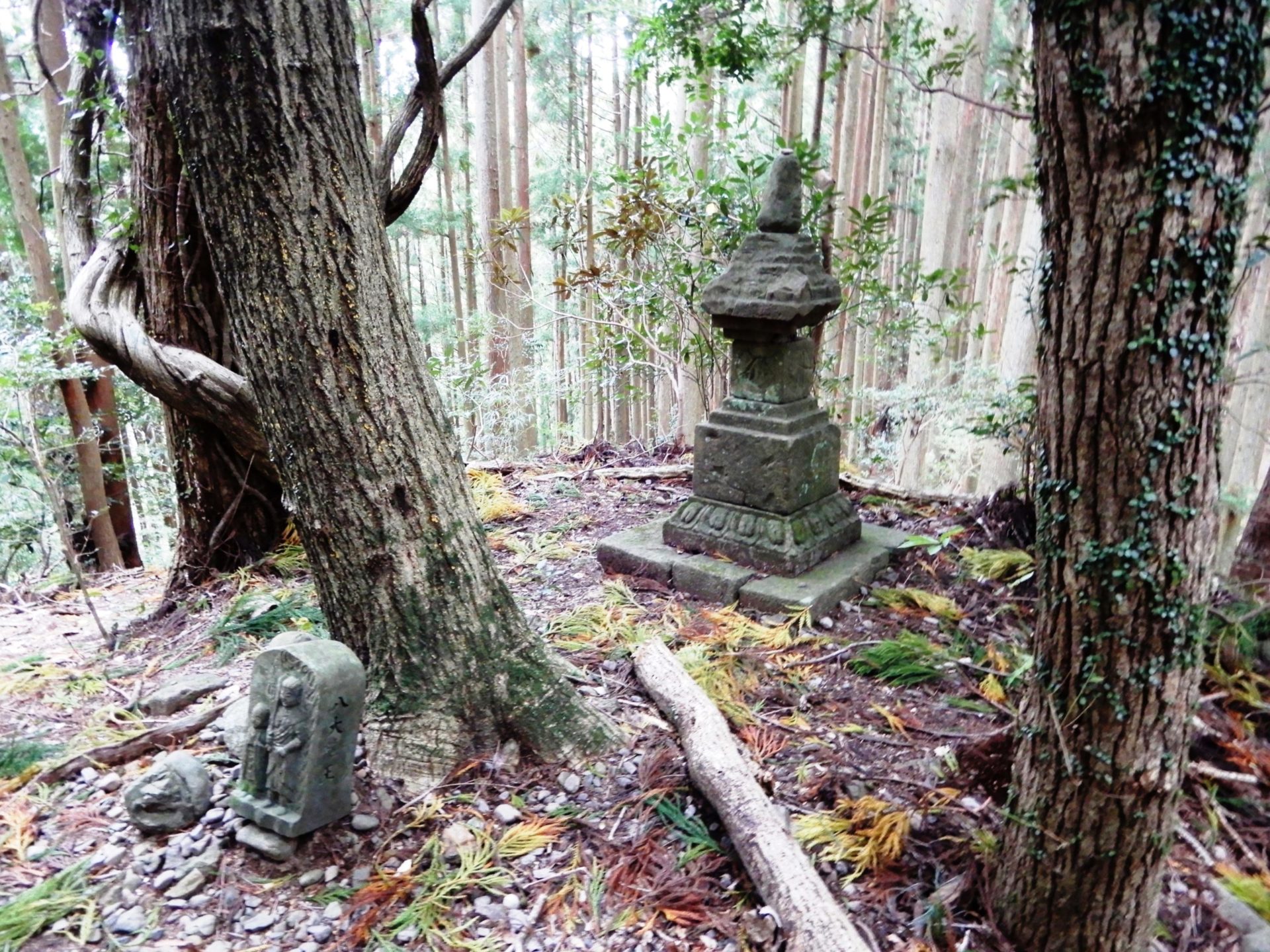
Nakahechi Road is dotted with Kumano Sanzan sub-shrines called oji. They were created during the 12th and 13th centuries by mountain ascetics who served as guides for imperial pilgrimages to Kumano. At each shrine oji, people prayed for the protection of pilgrims by performing purification rites.
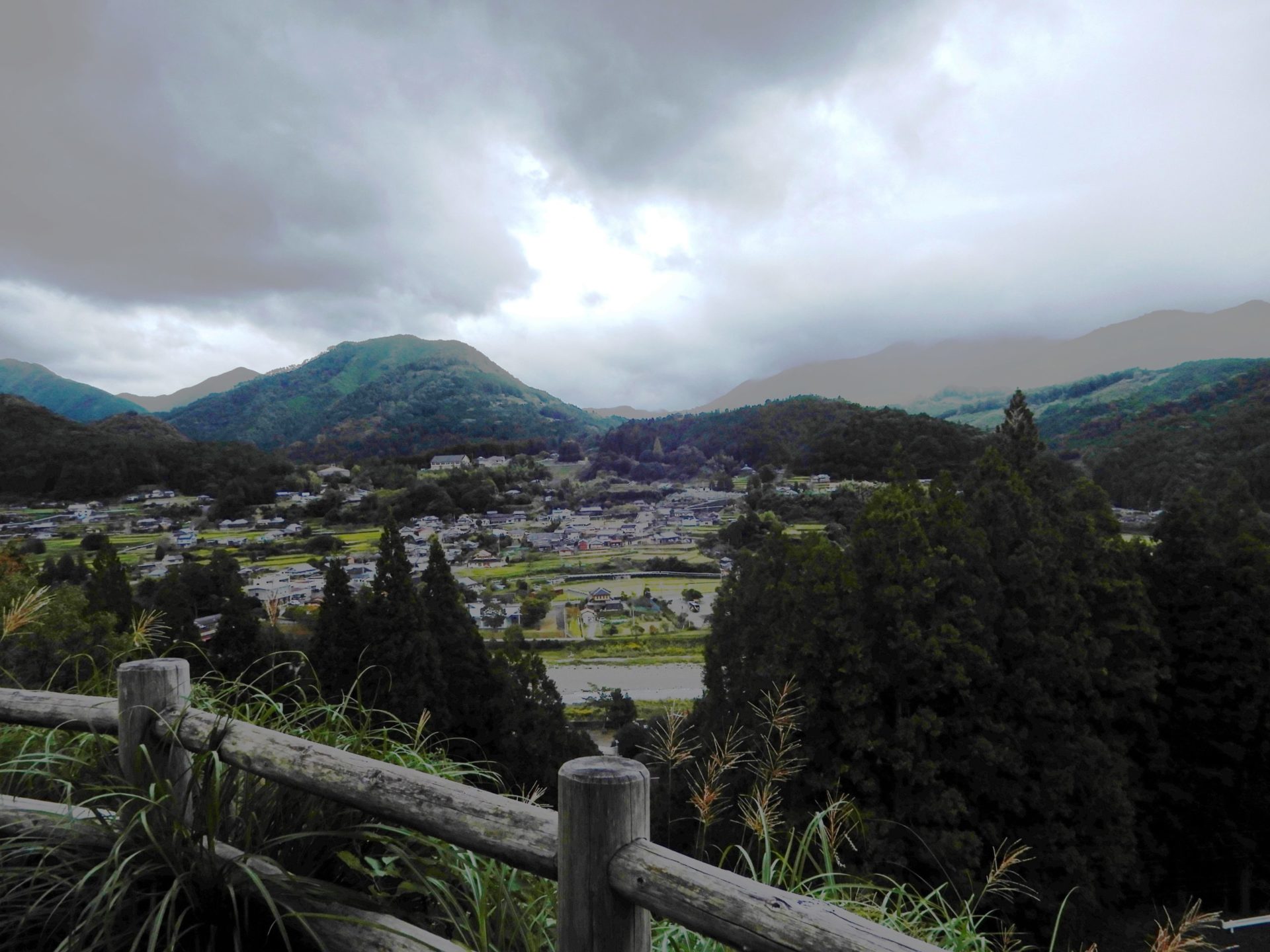
The Nakahechi Road hiking route begins at Takijiri-oji Shrine, considered one of the entrances to Kumano. From there, a journey of approximately 40 kilometers leads to Kumano Hongu Taisha. Here are some symbolic landscapes in a section of Nakahechi Road, from Gyubadoji-guchi bus stop to Tsugizakura-oji (6.5 kilometers).
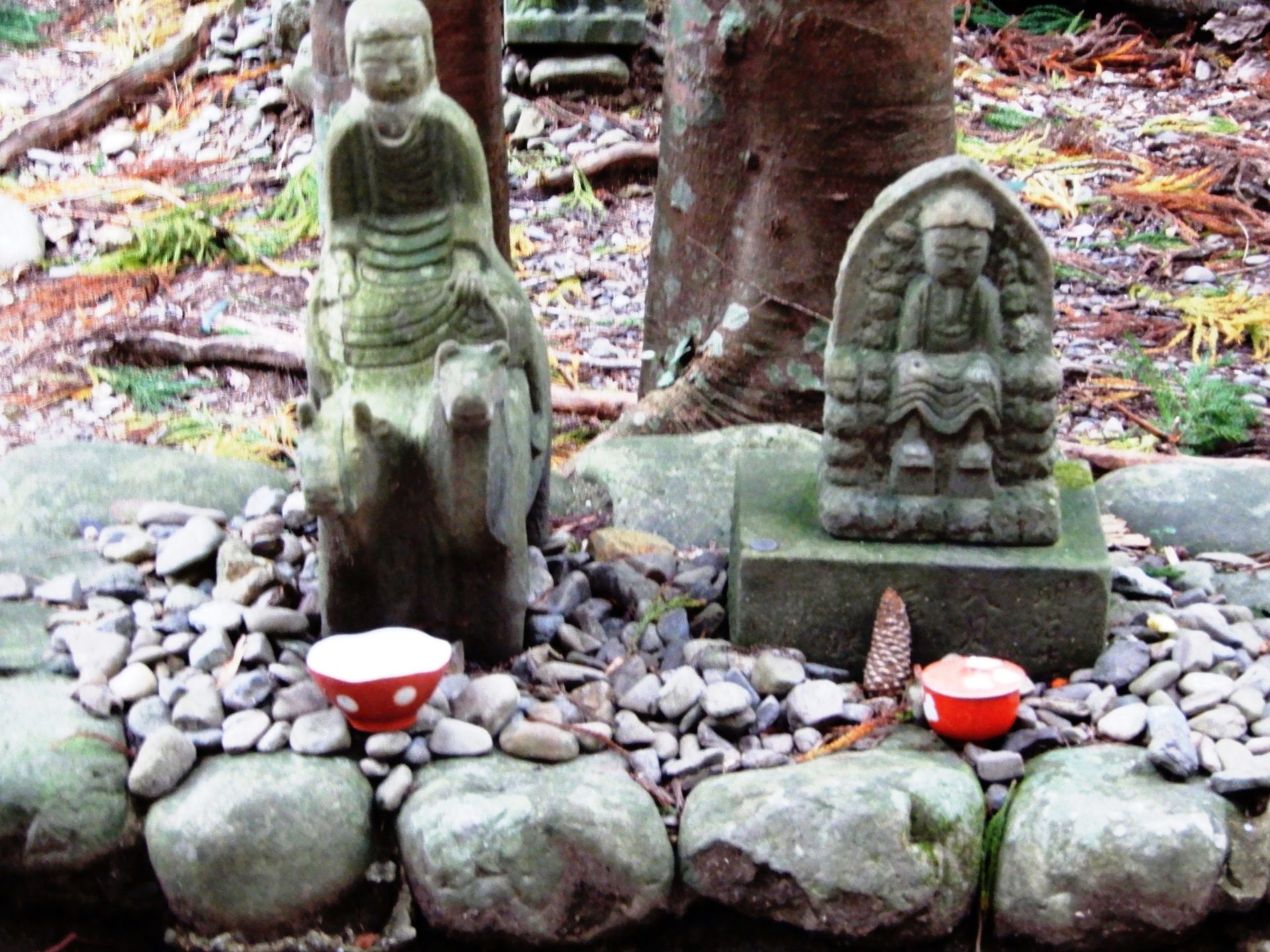
The statue of Gyubadoji, one of the servants of the Buddhist deity Benzaiten, stands quietly in the forest in a mystical atmosphere. She sits on both a cow and a horse. According to local legend, it depicts Emperor Emeritus Kazan who traveled to Kumano after being forced to abdicate at the age of 19.
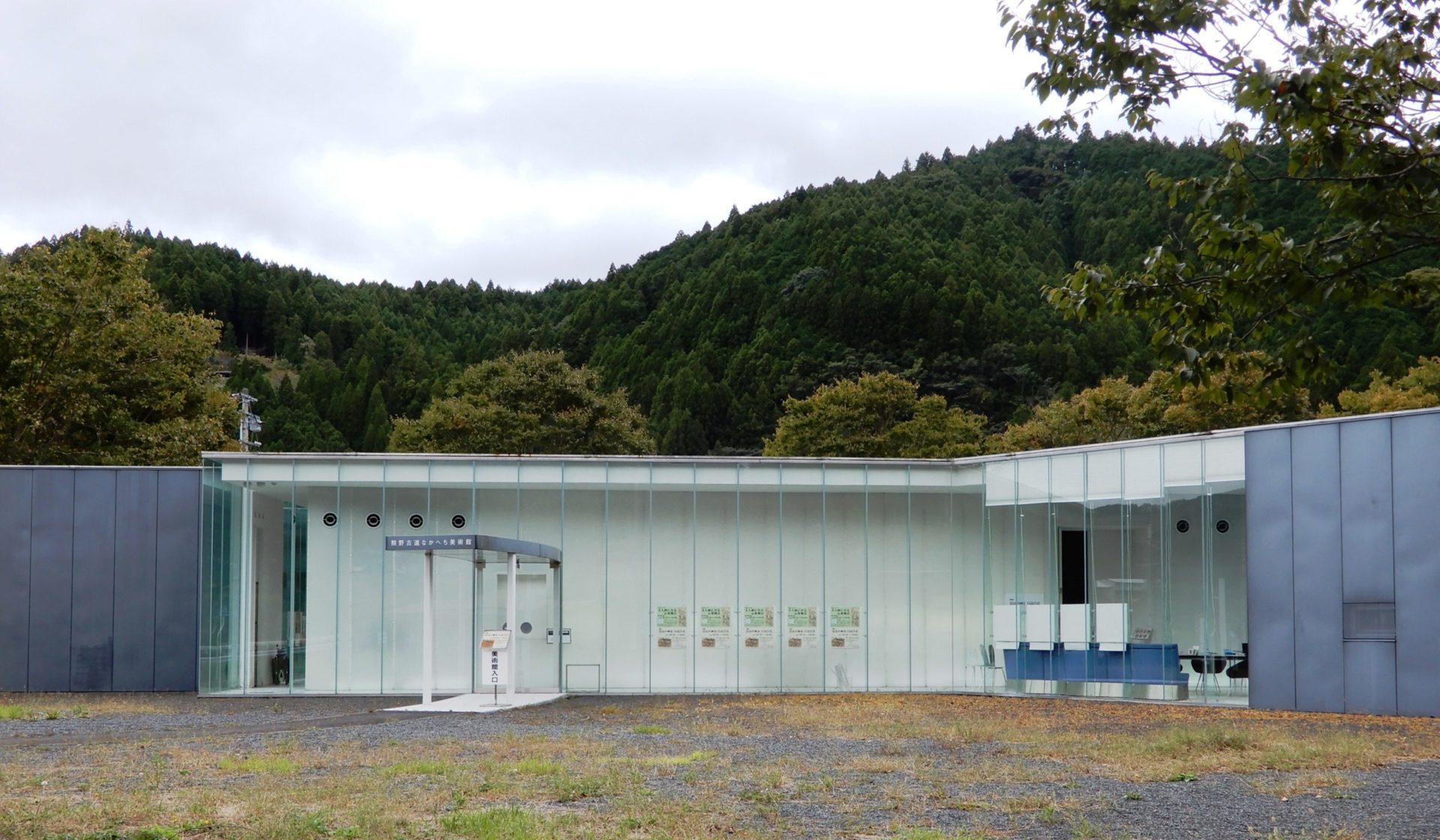
Chikatsuyu Village is halfway between Tanabe and Kumano Hongu Taisha. There are hostels that offer a family welcome to hikers. The Nakahechi Art Museum at Kumano Kodo was designed by SANAA, an architectural firm founded by the two Japanese architects. It exhibits the works of painters Nonagase Banka and Watase Ryoun linked to the village of Chikatsuyu.
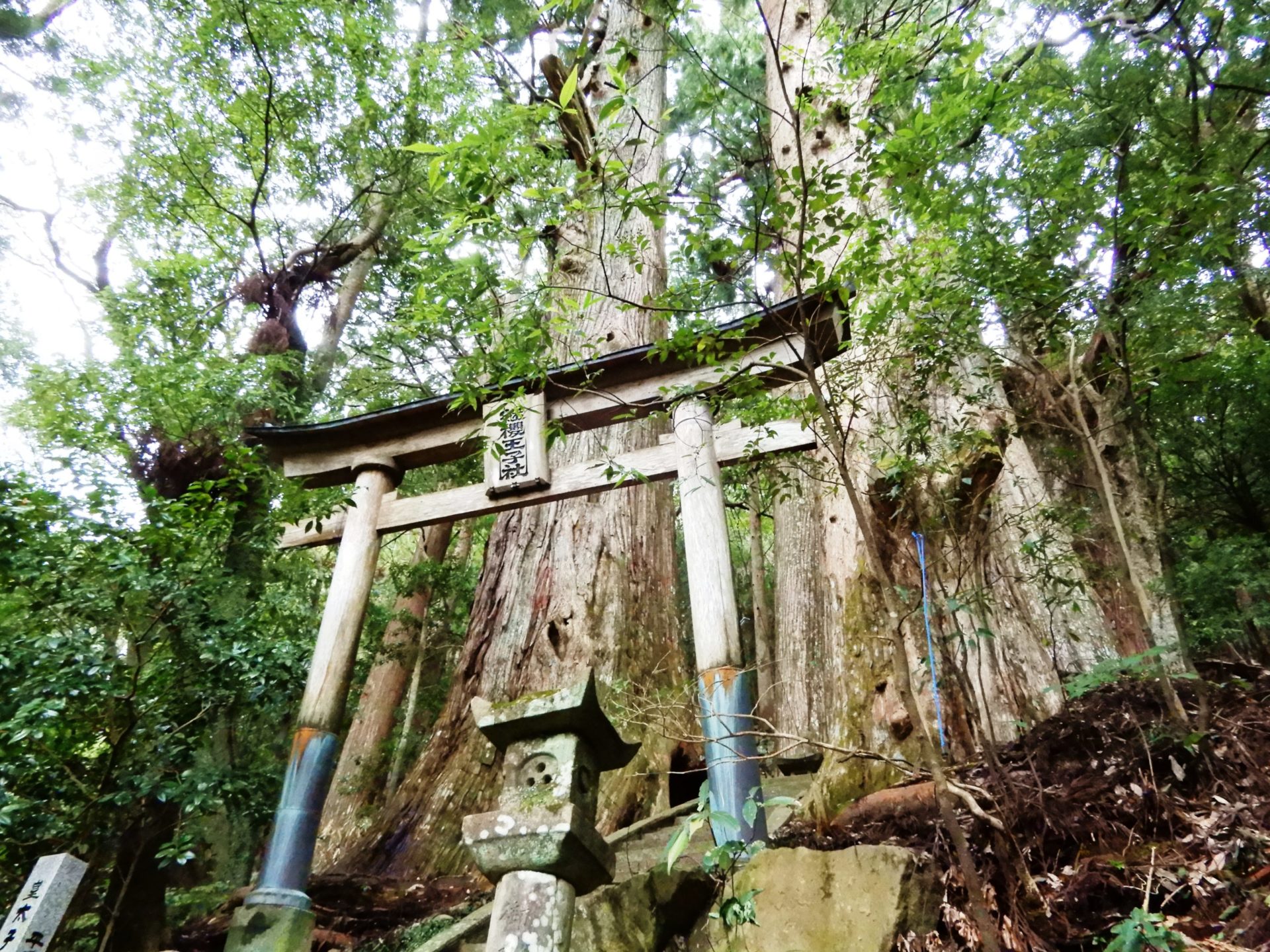
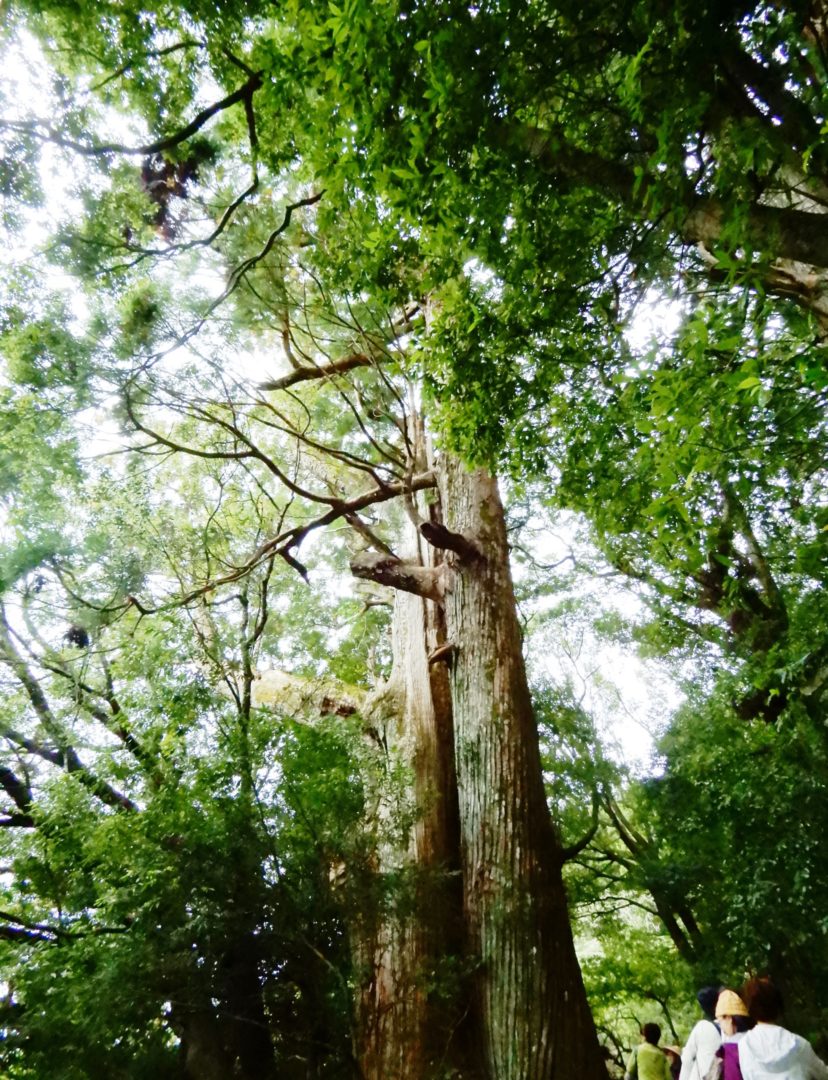
Tsugizakura-oji Shrine is an hour and a half walk from Chikatsuyu Village. There are giant cedars that are eight hundred years old within its enclosure. All branches grow towards the south, the direction where the Kumano Nachi Taisha is located.
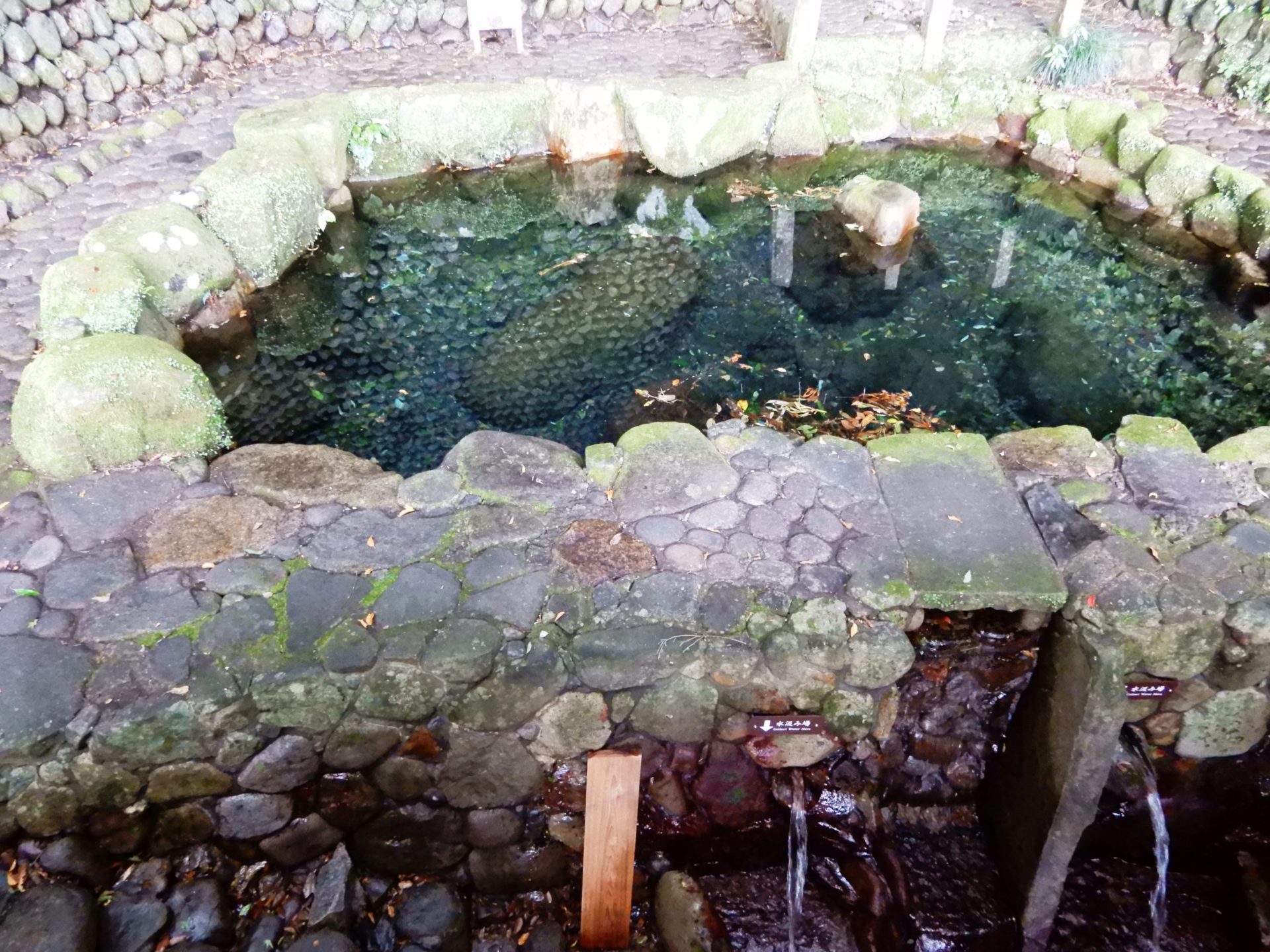
The Nonaka-no-Shimizu spring which is located at the bottom of the Tsugizakura-oji shrine. It is one of the top 100 natural water sources in Japan. Since ancient times, it has served as a water station for pilgrims.
- In the past, most pilgrims from Kyoto first visited the Kumano Hongu Taisha Grand Shrine, then the Kumano Hayatama Taisha Grand Shrine, and finally the Kumano Nachi Taisha Grand Shrine. But today, which sanctuary to start with depends on the visitors. Kumano is easily accessible from Kyoto and Osaka thanks to a well-developed transportation network. The main stations there are Kii-Tanabe, Kii-Katsuura and Shingu on the JR Kisei Main Line.
- To access the Kumano Hongu Taisha Grand Shrine, take the bus from JR Kii-Tanabe Station (2 hours journey). By combining the bus ride, you can hike a few sections of Nakahechi Road.
- Kumano Hayatama Taisha Grand Shrine is a 15-minute walk from JR Shingu Station.
- To access the Kumano Nachi Taisha Grand Shrine, take the bus from JR Kii-Katsuura Station. You will arrive at Nachi-no-Taki-mae bus stop in 30 minutes. The shrine is about a 15-minute walk away. The bus also stops at the Daimon-zaka trailhead which is part of Nakahechi Road. By enjoying the centuries-old atmosphere of the trails, you can access the sanctuary (2.5 kilometers).
- Map
The Omine-Okugake Road
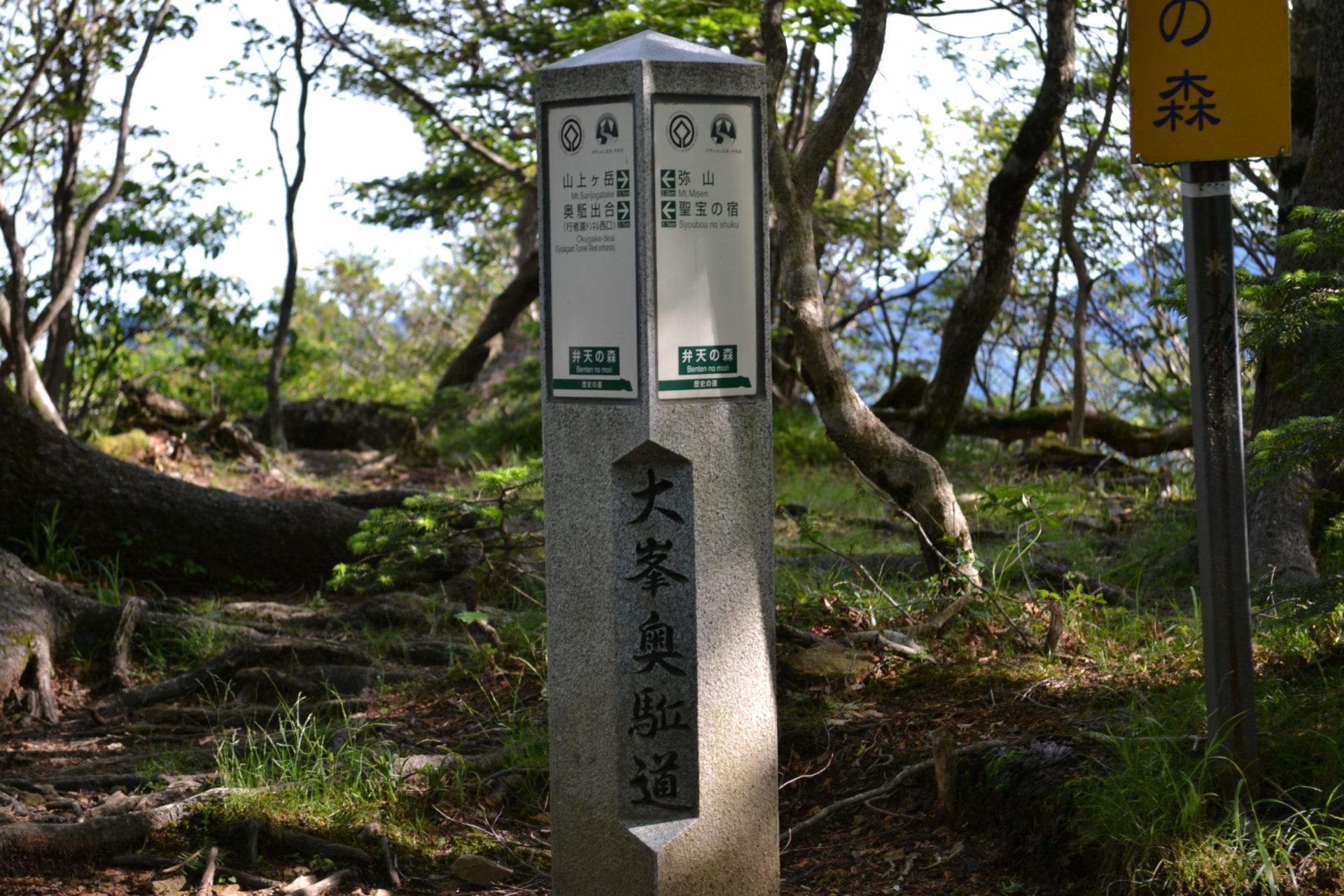
Of the six routes in Kumano Kodo, the Omine-Okugake route is the most arduous. It connects the region of Yoshino-Omine considered to be the cradle of shugendo in Kumano. According to a legend, it was opened by En-no-Gyoja, founder of shugendo at the beginning of the 8th century. This route for ascetic practice extends for approximately 80 kilometers along the ridges of the Omine mountain range at over 1,000 meters above sea level. Since ancient times, ascetics known as shugenja underwent hard training to develop spiritual power while traveling this steep road.
Since ancient times, mountains have been considered in Japan as a sacred place where Shinto deities reside, kamis. The Japanese benefited from the rich benefits brought by the mountains which occupy 70% of the territory. Today, mountaineering is practiced as a sport by people of different generations in Japan, but the fact remains that mountains are the object of worship in Japanese minds, not that of conquest. The cult of the mountain on which the shugendo is essentially based on the feeling of reverence mixed with fear towards the mountains.
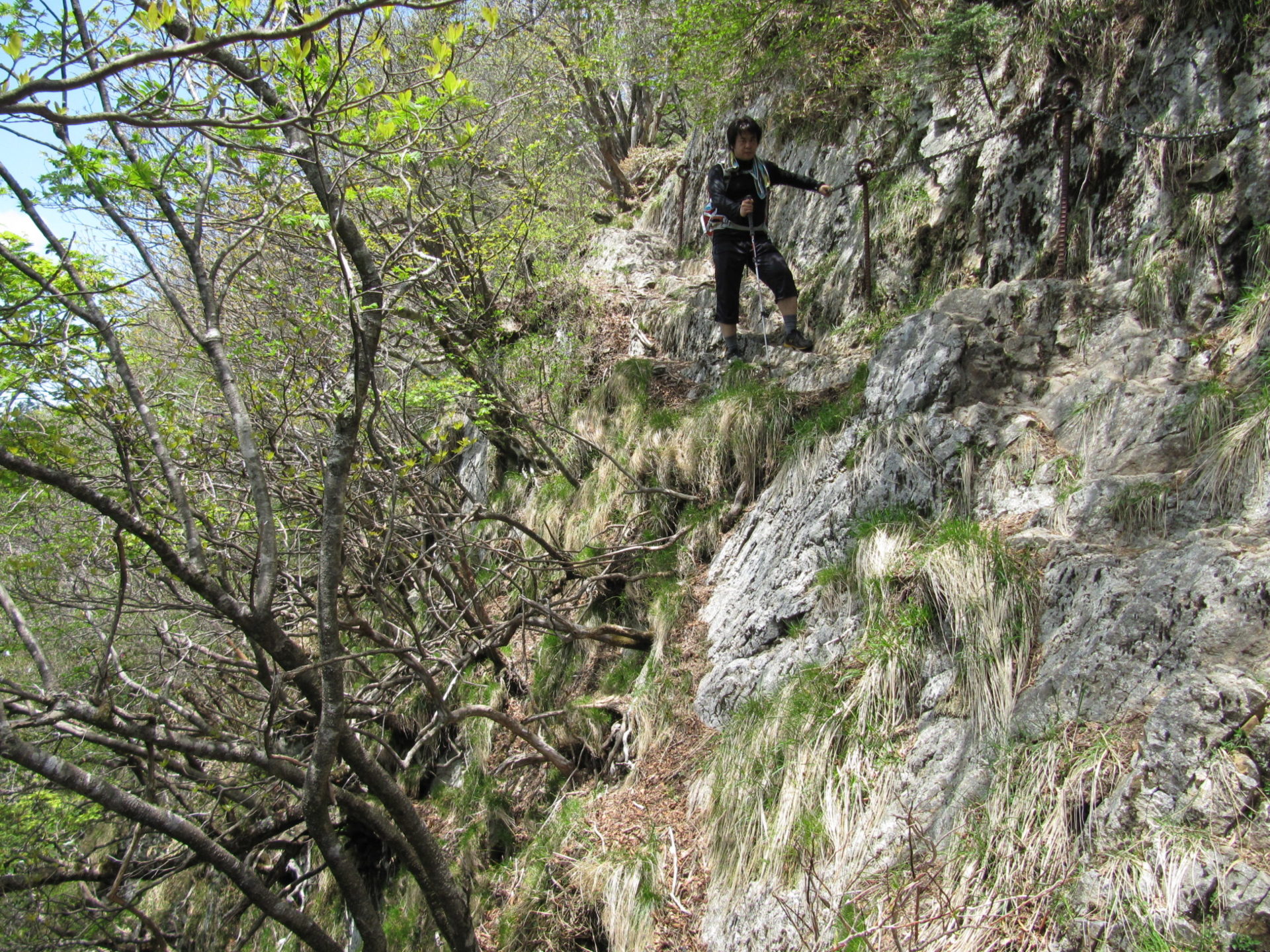
The Omine mountain range, otherwise known as the Yamato Alps, extends from the northern to the central part of the Kii Mountains. Having originally been opened for ascetic practice, the Omine-Okugake route is reserved for experienced hikers.
Women cannot enter the sacred enclosure of Mount Sanjogatake, known as Mount Omine, where ascetics train. Only men can therefore travel the entire route.
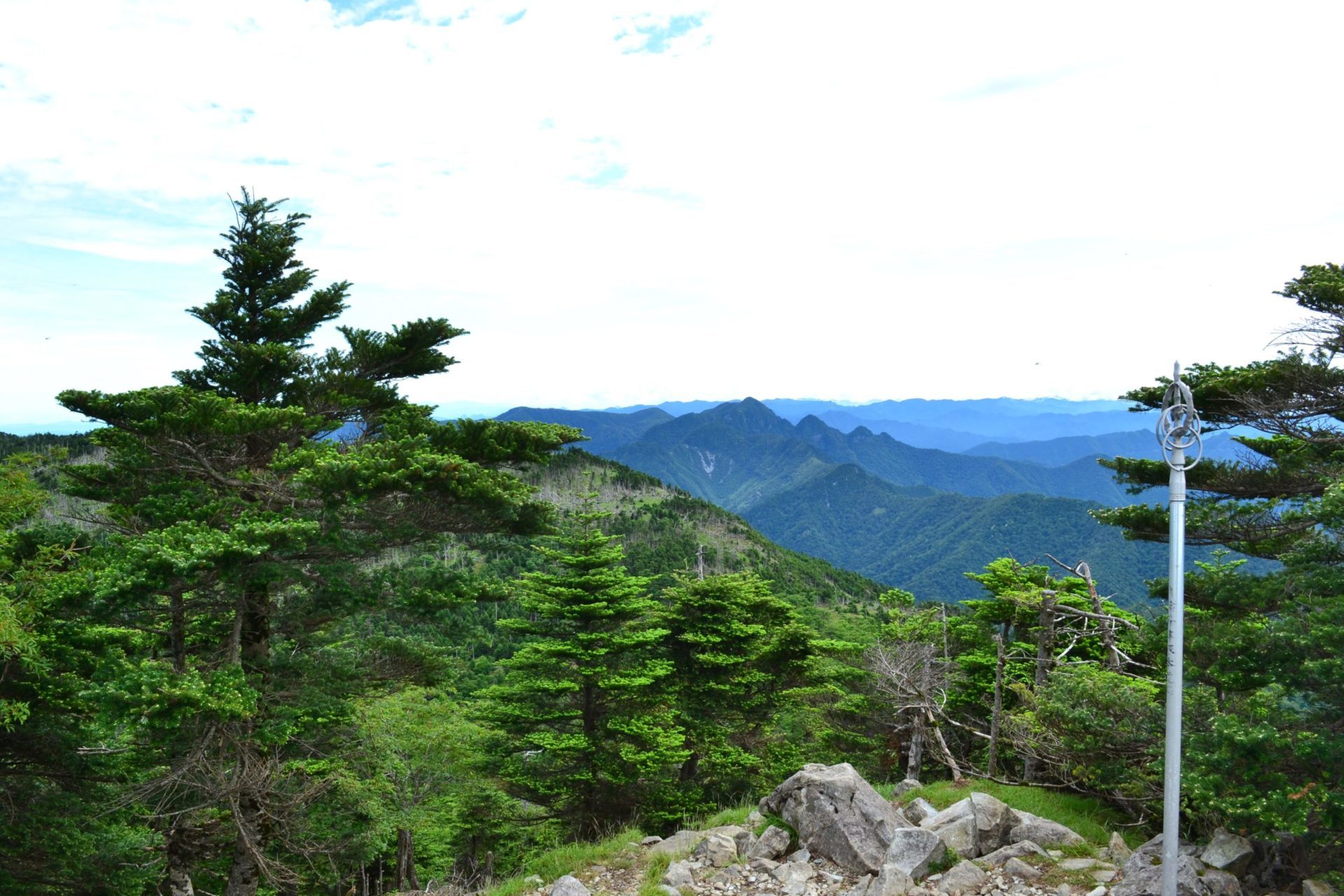
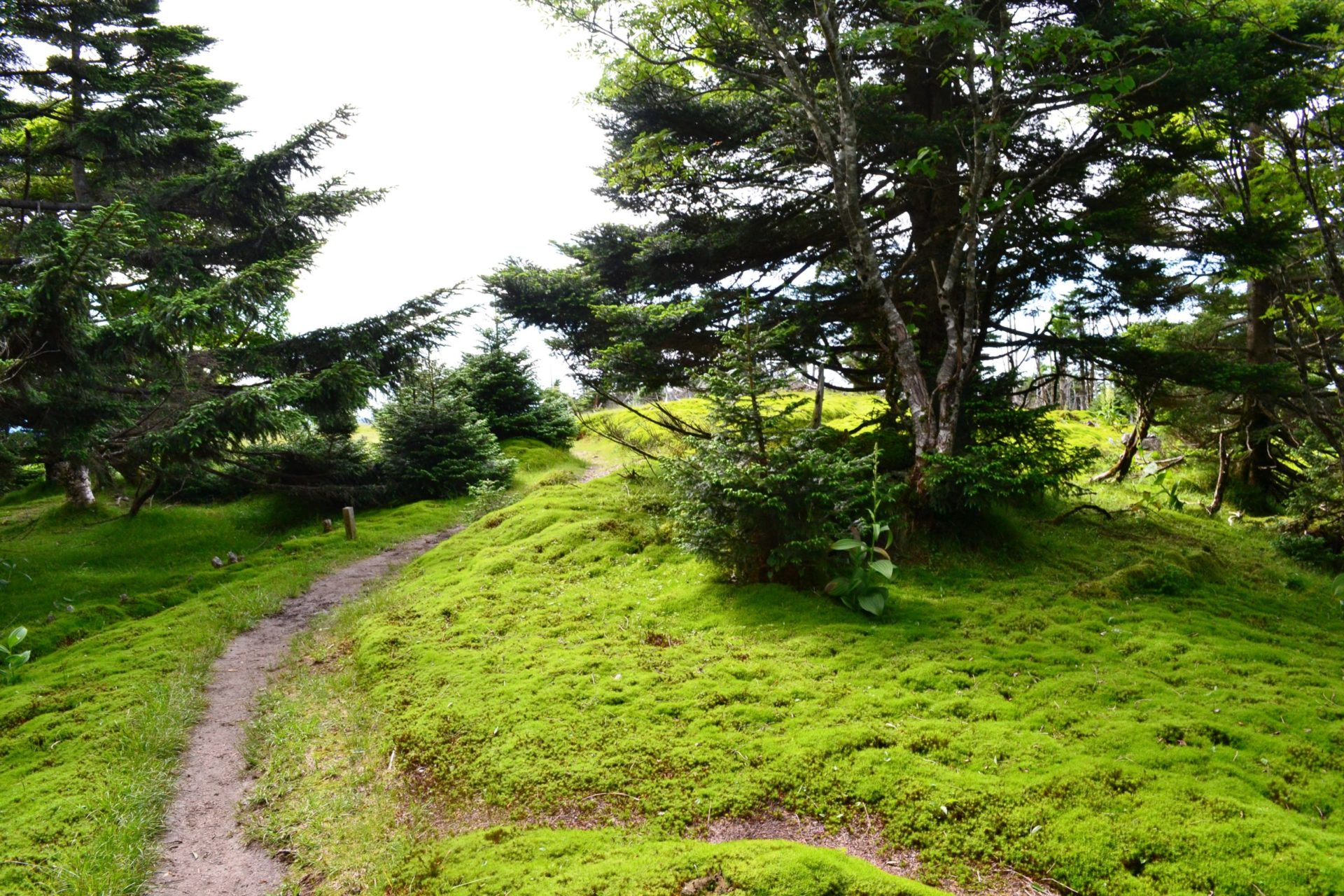
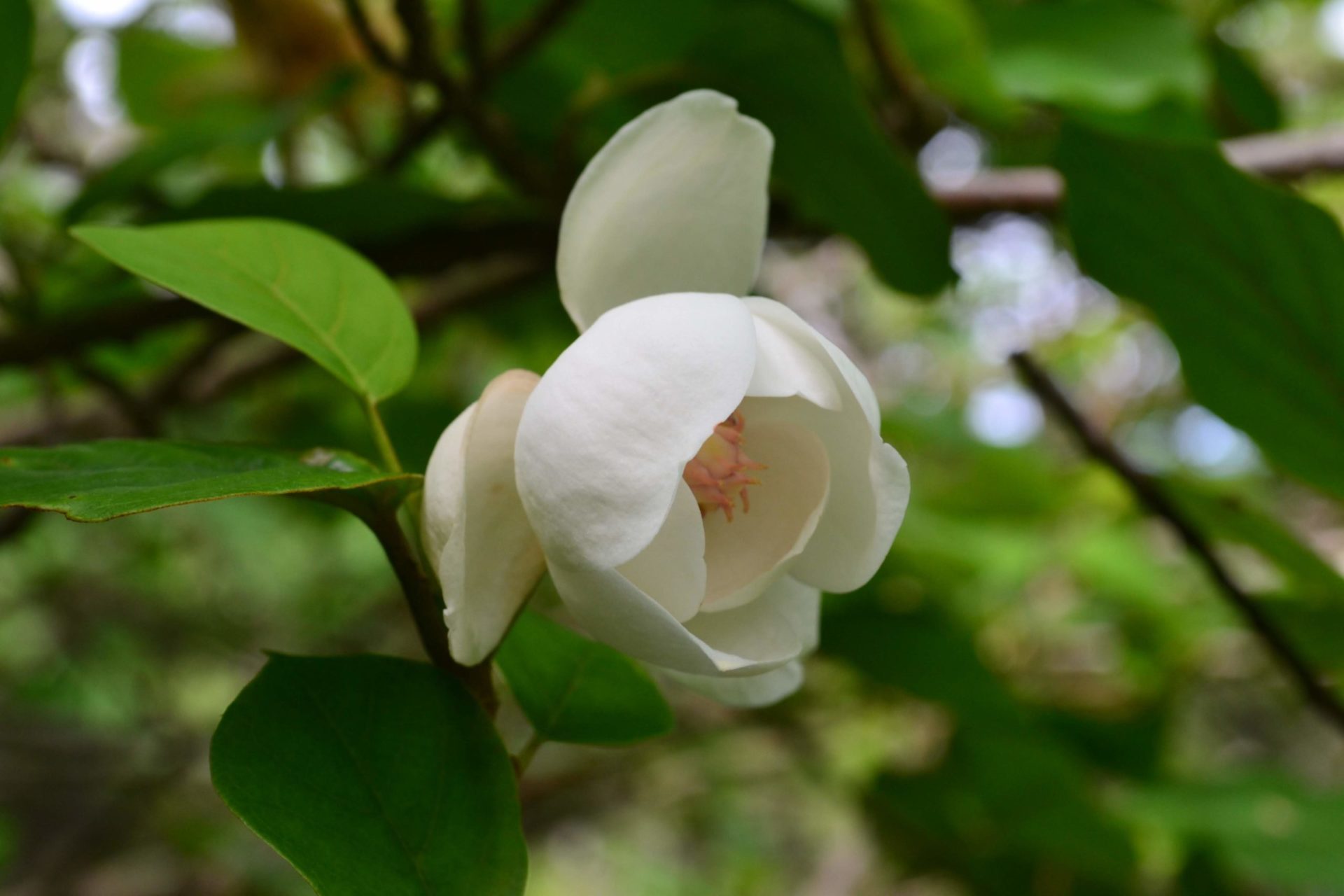
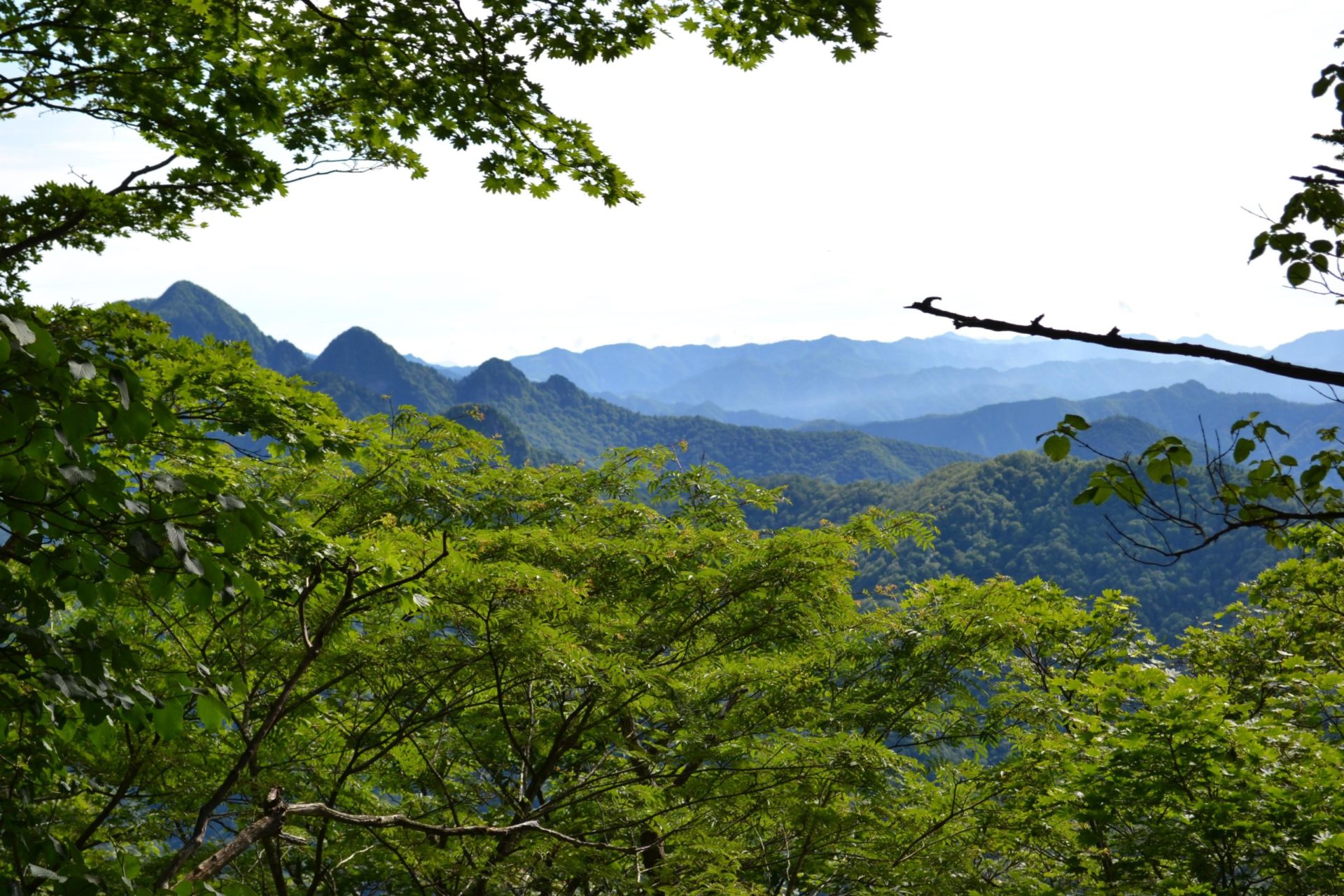
The entire route takes about a week but you can make do with a few sections. Following the arduous path along the ridges, one can admire beautiful views of the Omine mountain range. Here, the abundant rain nourishes the lush vegetation.
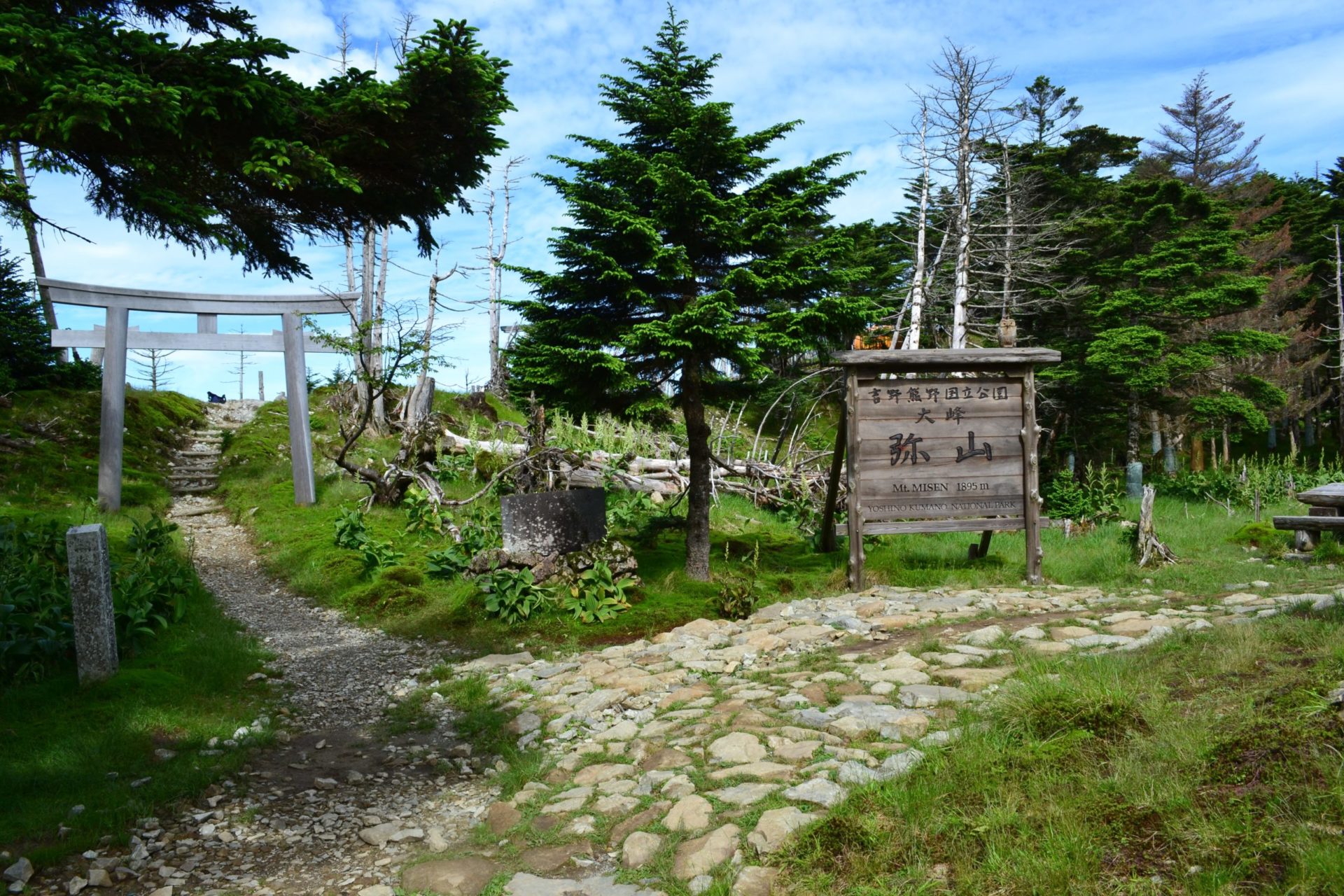
The shugendo was born from the fusion of mountain worship, esoteric Buddhism and other beliefs. This is why several mountains that make up the Omine range bear names associated with Buddhism such as Fugen, Misen, Shaka, etc.
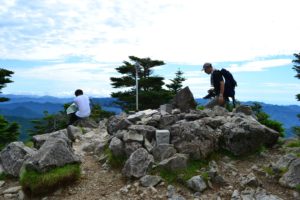
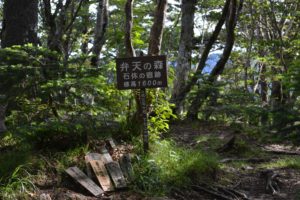
On the road, there remain 75 places of worship called nabiki where ascetics performed their rites. Each nabiki is numbered. Even today, the shugenja say their prayers there and leave, as a testimony to their asceticism, wooden plaques where their names, the date of prayer, etc. are written.