

The Shinsaibashi-suji Arcade
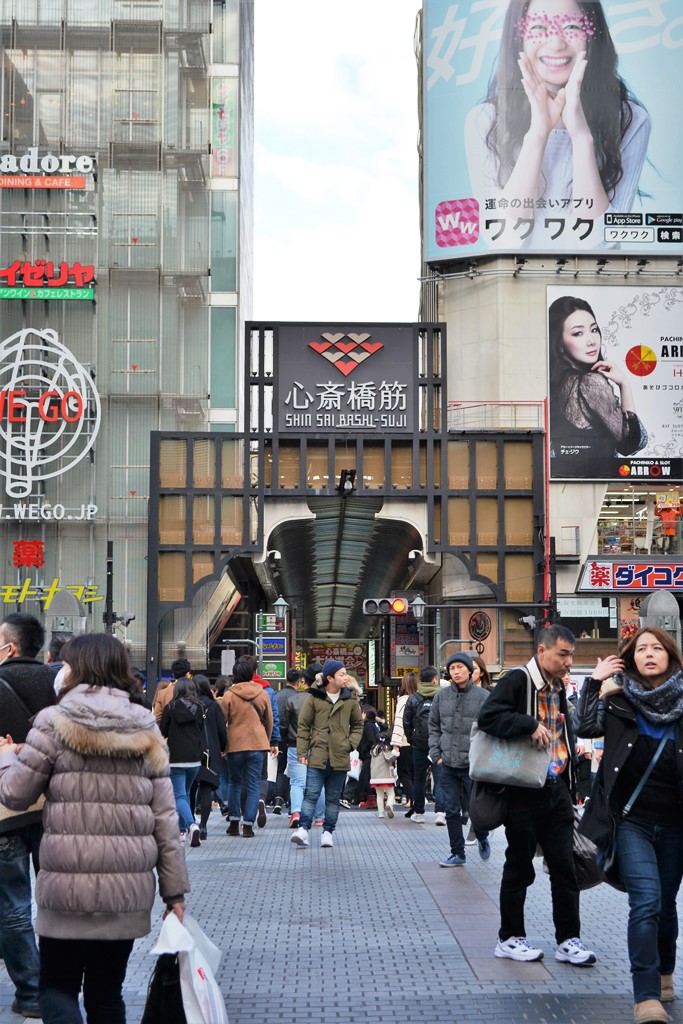
This arcade, approximately 580 meters long, is located parallel to the east of Midosuji Avenue, known for its ginkgo trees planted in a row. You will find not only old stores but also the latest fashion boutiques in this traditional shopping district.
Around the Dotonbori Canal
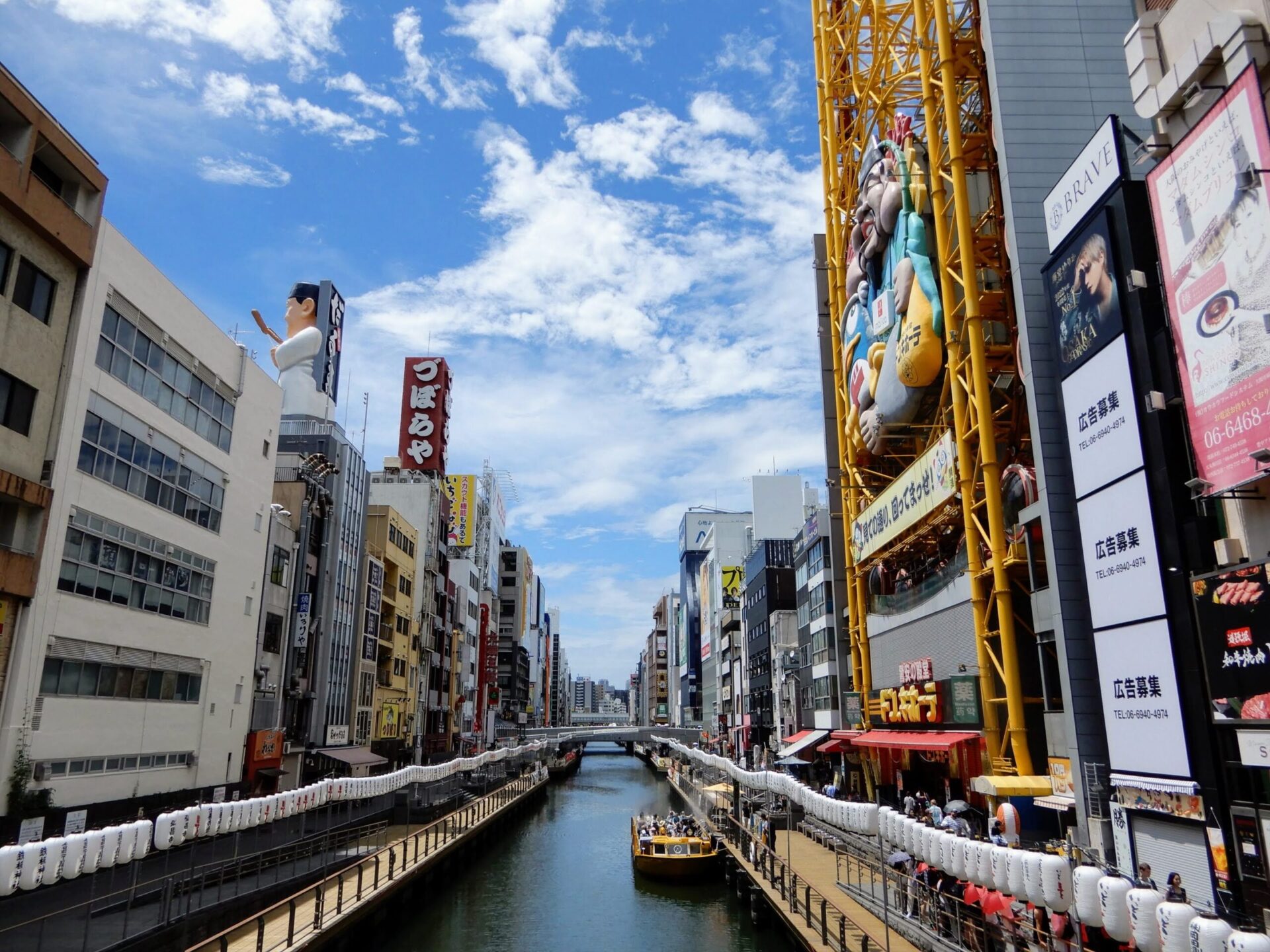
It is the most famous entertainment district in Osaka. The crowd with its loud and noisy dialect, the numerous illuminated signs, the delicious dishes. . . Everything that is representative of Osaka is condensed there. I am originally from Osaka and lived there for around thirty years. Of course, we don’t always find the modesty or sobriety that symbolizes the Japanese aesthetic sense, but this neighborhood still remains a nostalgic and special place for me.
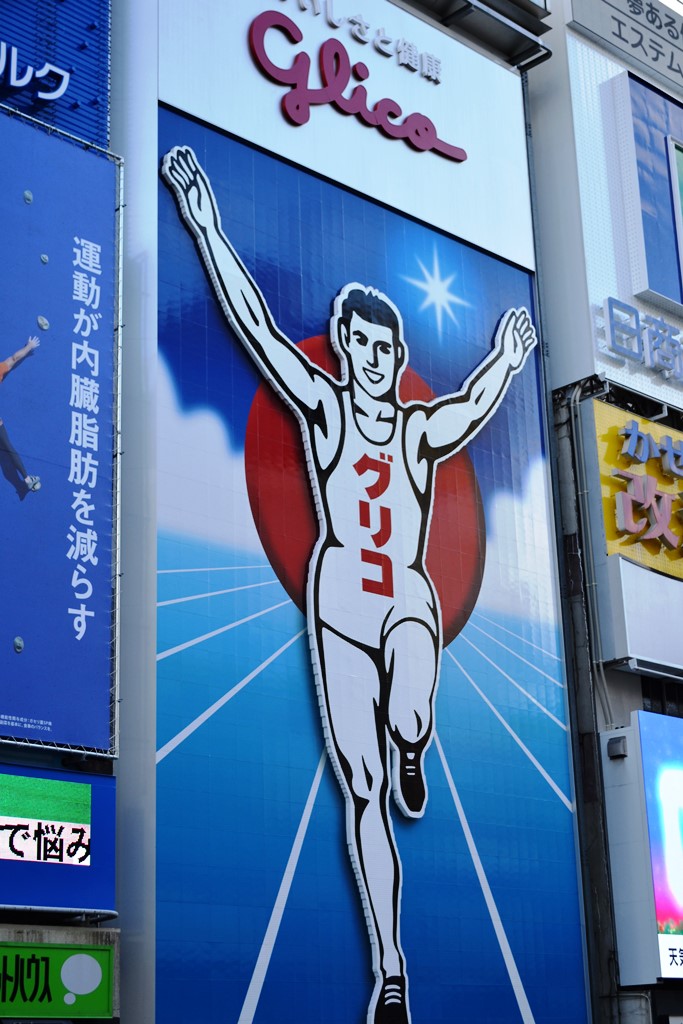
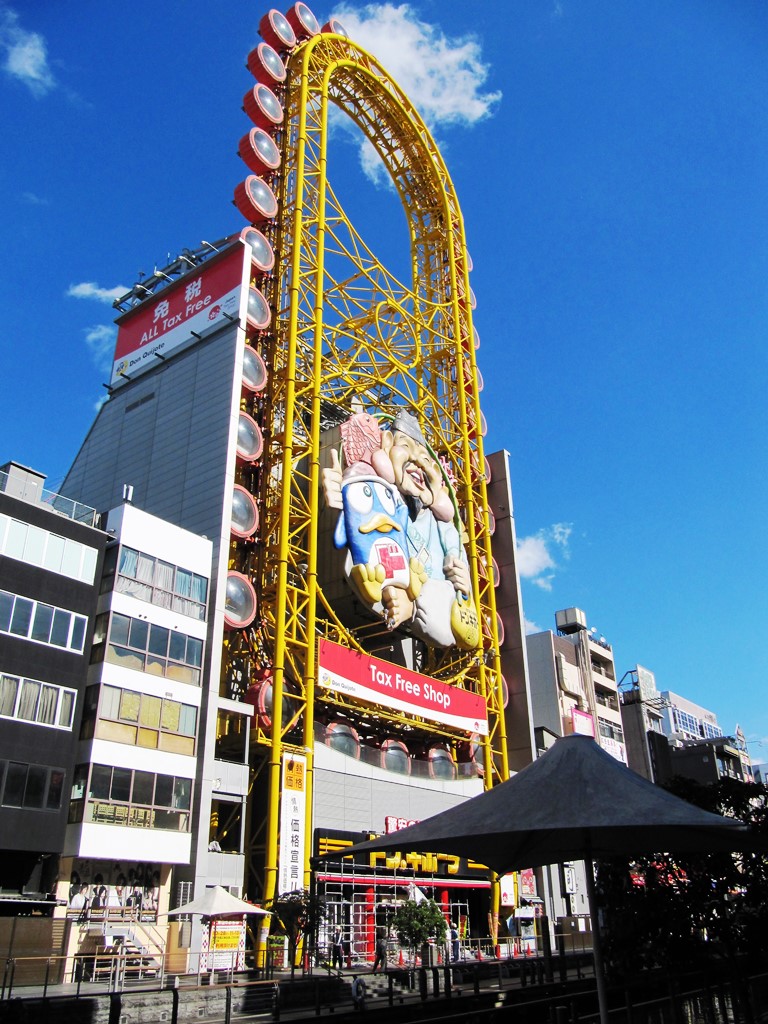
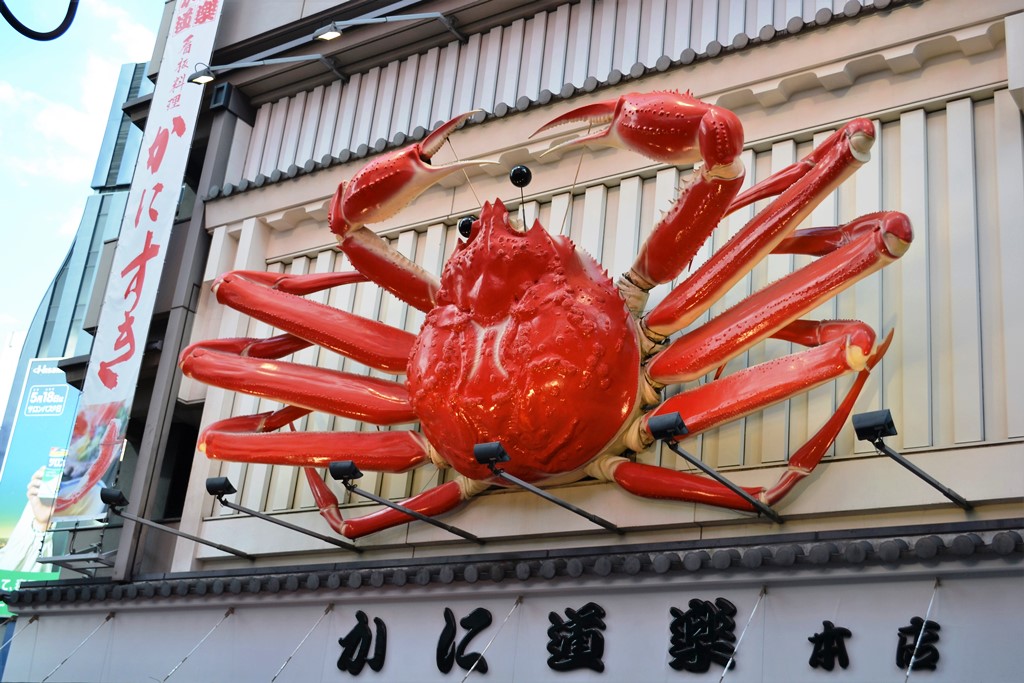
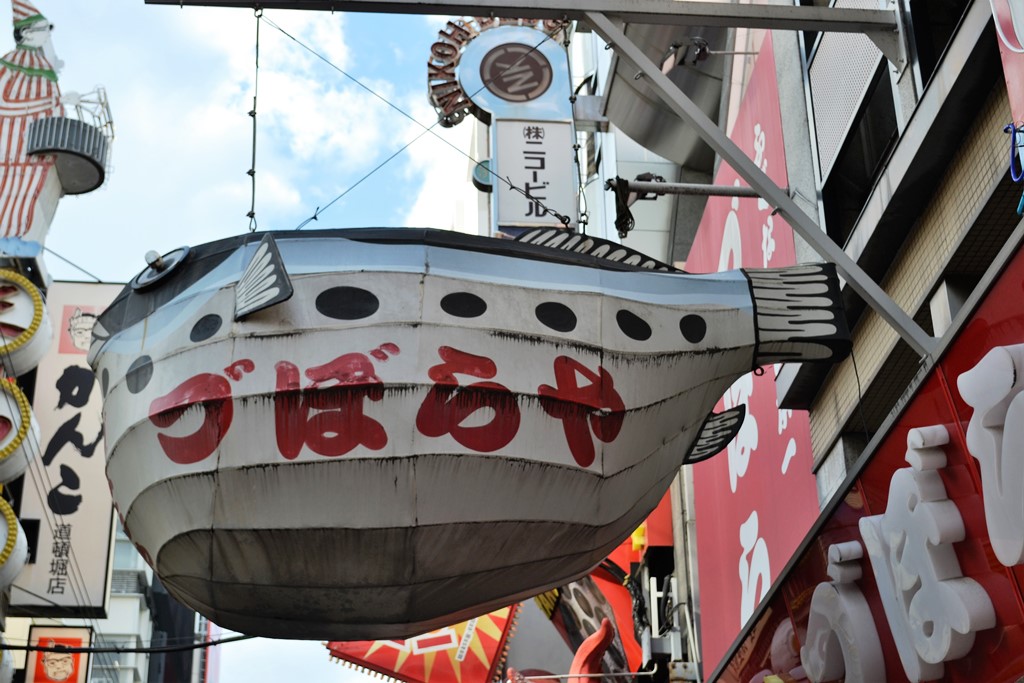
These are the giant signs that stand out in Dotonbori. The sign of the athlete with arms raised called Glico Man is a symbol of the confectioner Ezaki Glico. The history of this sign dates back to 1935. The current model is illuminated by LEDs and its background changes regularly. Diagonally, an oval-shaped Ferris wheel will be visible. It functions and serves as a sign for a large discount store, Don Quixote. The sign representing a crab with moving claws is on the facade of a crab restaurant, Kani Doraku. You will also find a large floating fish lantern nearby. It’s the sign of a puffer fish restaurant, Zuboraya. The sight of these many eccentric signs will undoubtedly flatter your eyes. I will also tell you about anecdotes about the Dotonbori brands.
Hozen-ji Yokocho Lane
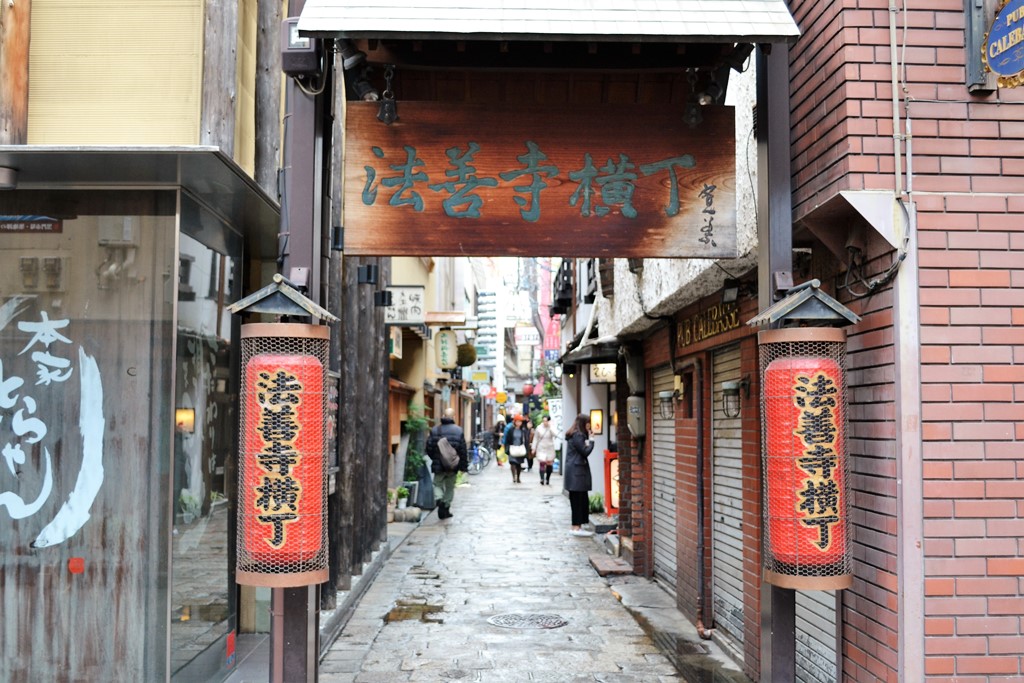
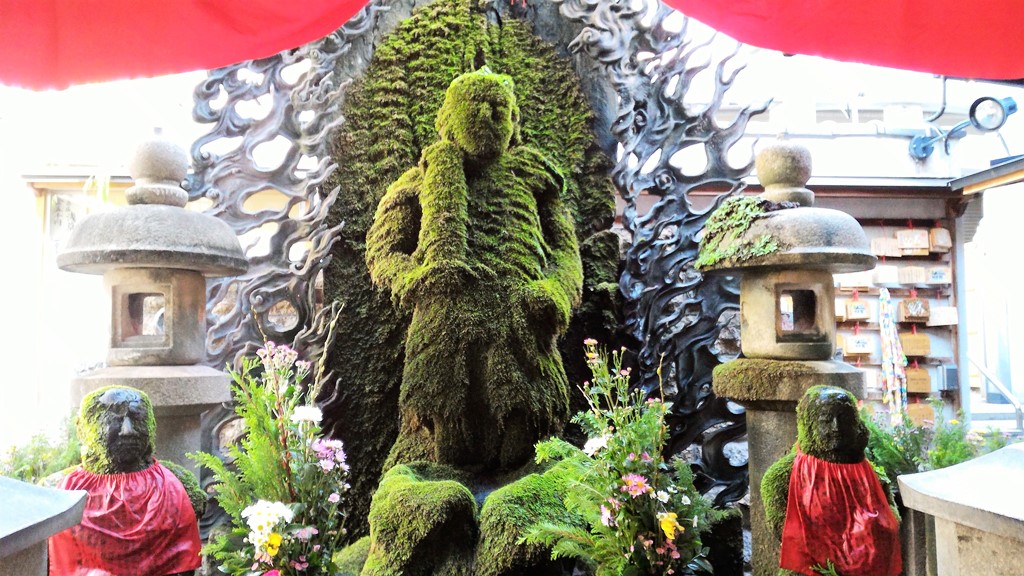
This cobbled lane with a charming atmosphere is located south of Dotonbori. There is a row of small restaurants and bars. The fairground shops on the Hozen-ji temple grounds developed and formed this alley. It was destroyed by aerial bombardment along with the temple and later resurrected as a working-class neighborhood. You will find a green statue in front of an incense burner. It is completely covered in moss, but why?
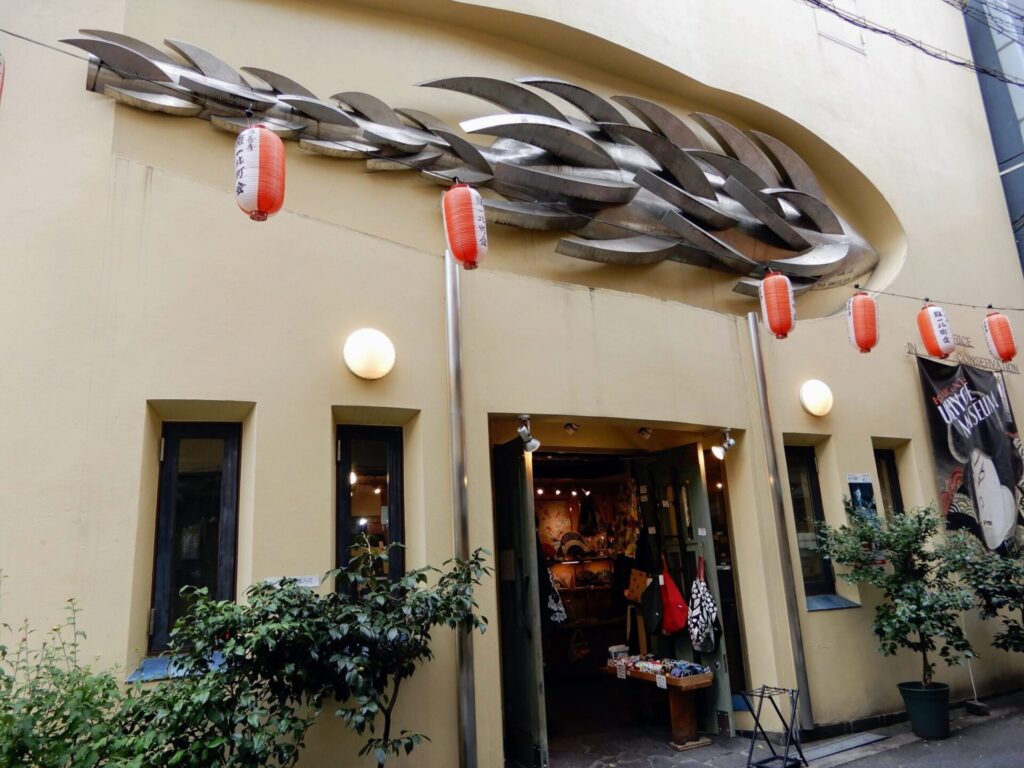
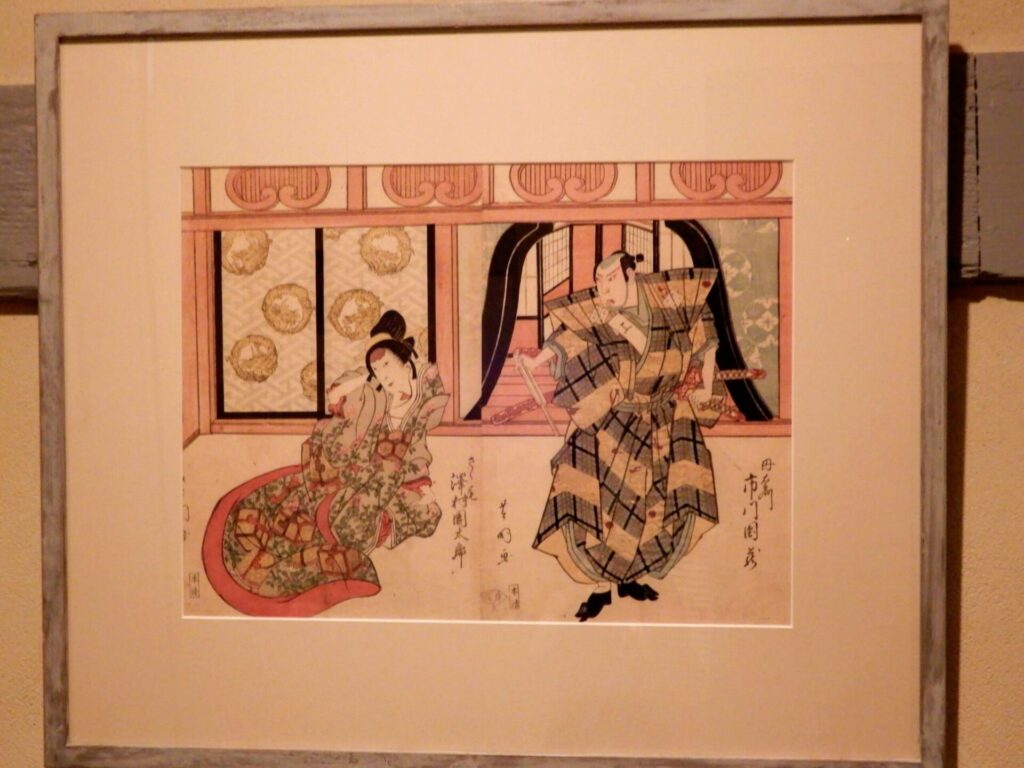
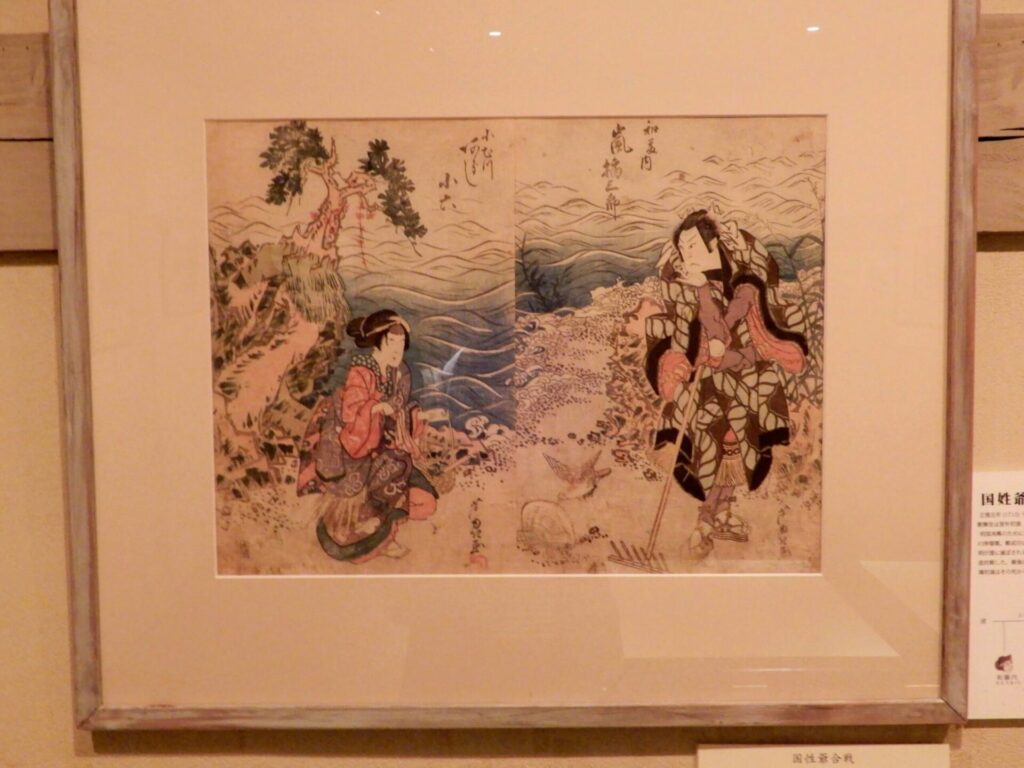
Opposite Hozen-ji Yokocho alley, there is a small museum of Japanese prints, ukiyo-e. Prints made mainly in Osaka from the end of the Edo era to the beginning of the Meiji era, kamigata ukiyo-eare exposed there. Most of them are images of theater actors kabuki of Dotonbori, which was once called Japan’s Broadway.
The Doguya-suji Gallery
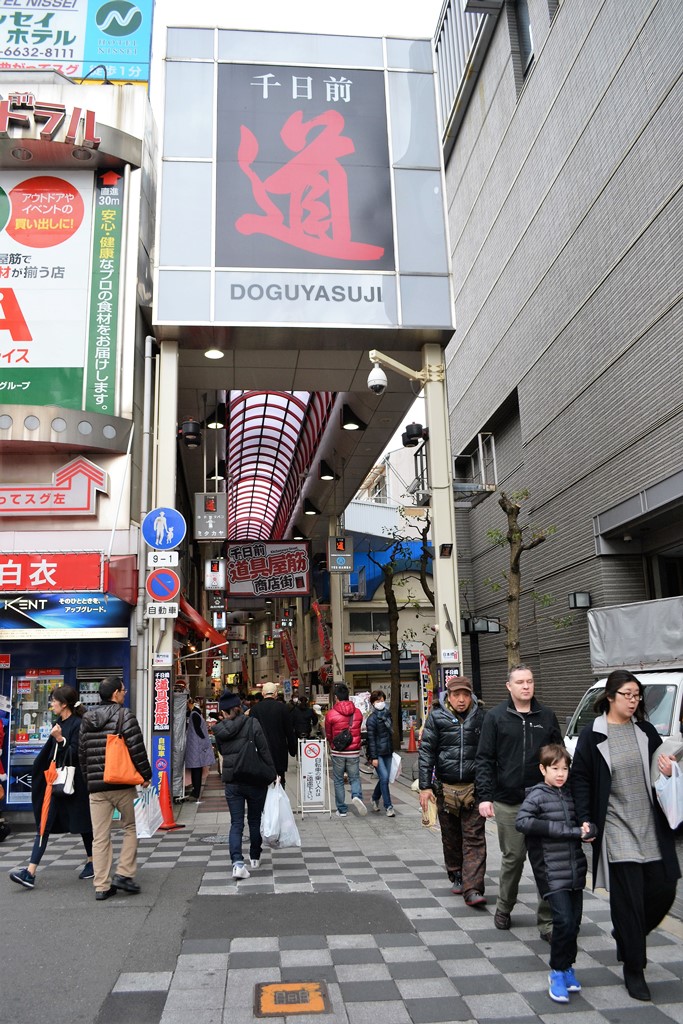
Around 50 stores specializing in both professional and domestic kitchen utensils line up under this arcade. It will be pleasant to stroll there. You may find a few items that will suit you. This gallery is full of finds.
Kuromon Market
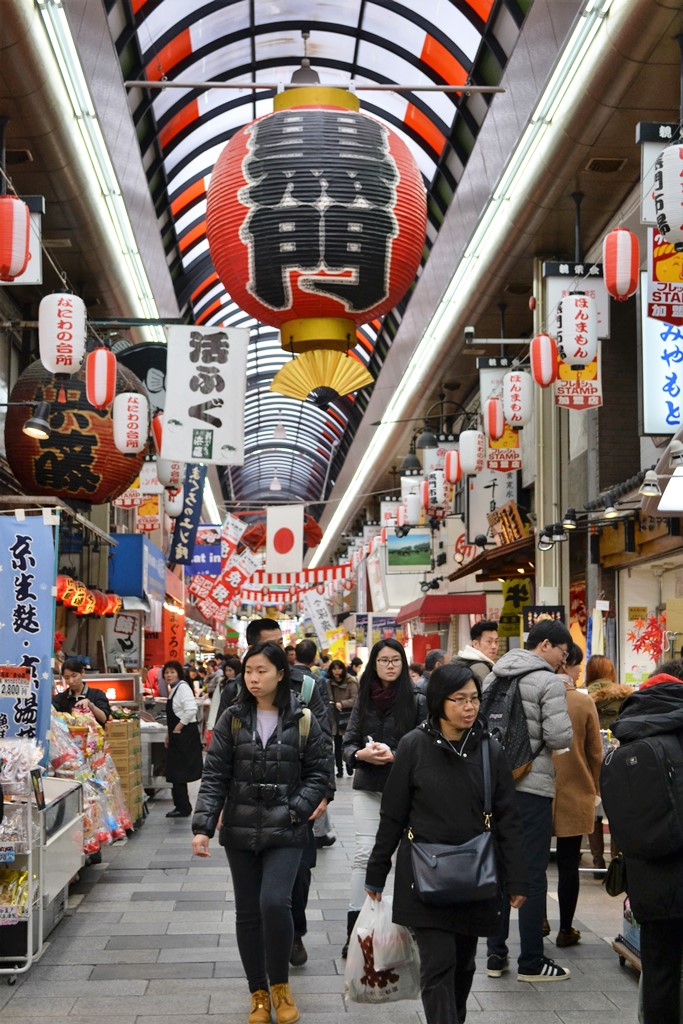
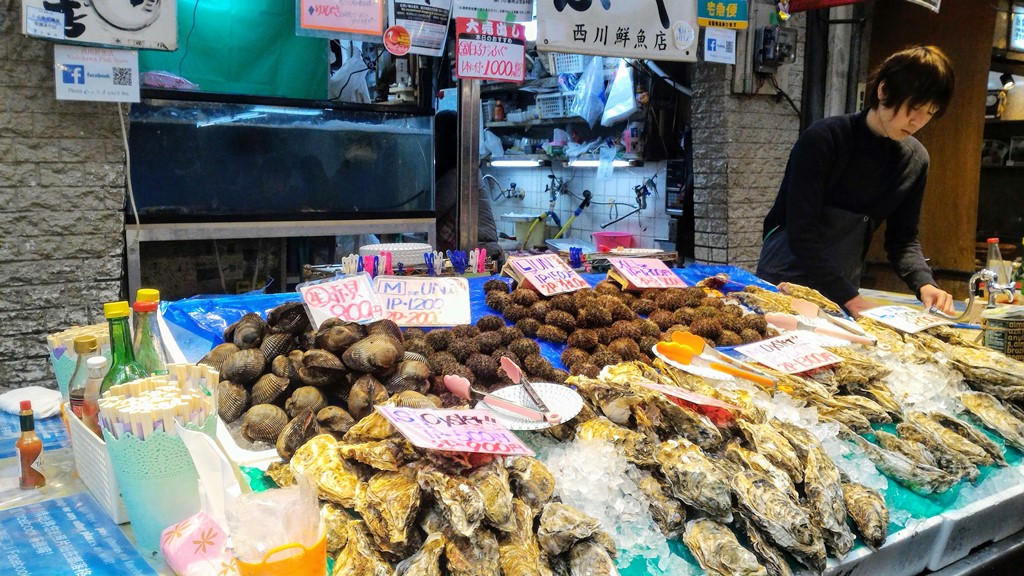
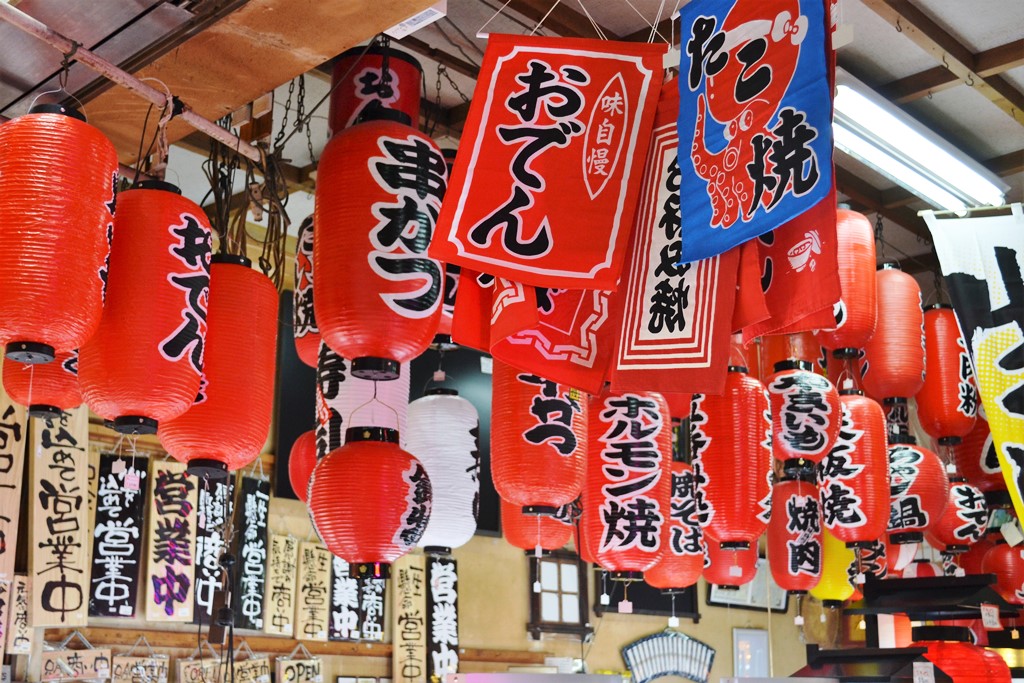
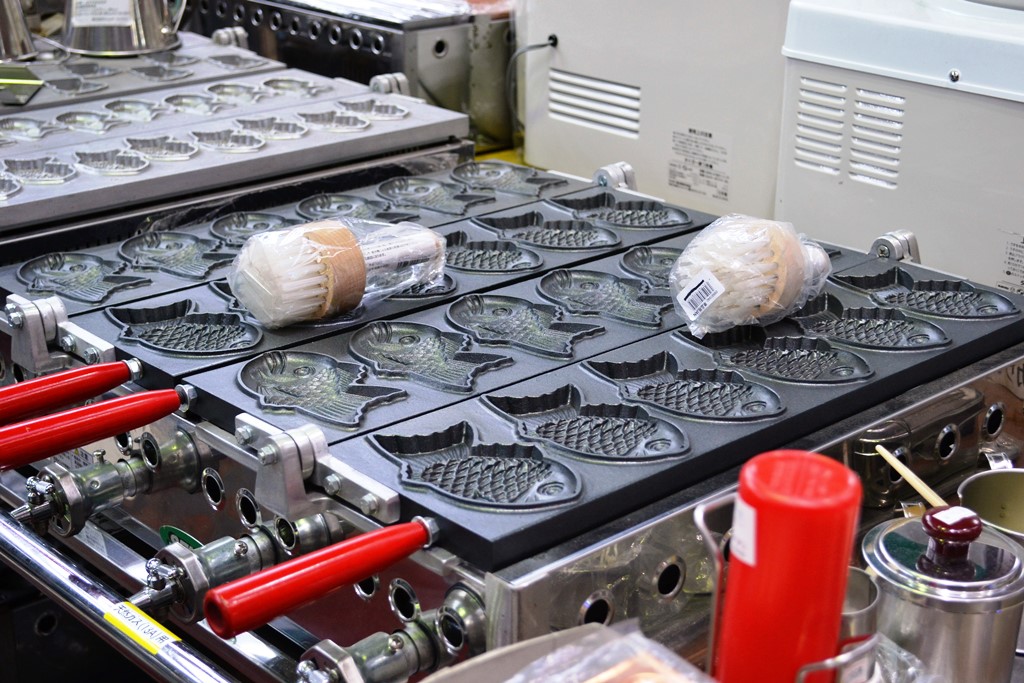
Nicknamed “the cuisine of Osaka locals”, there is a constant coming and going in this market. Under the arcade, approximately 600 meters long, fish, shellfish, vegetables and seasonal fruits are displayed. As professional cooks also come here to hunt for food for their dishes, the quality of food offered by this market is guaranteed.
The National Puppet Theater
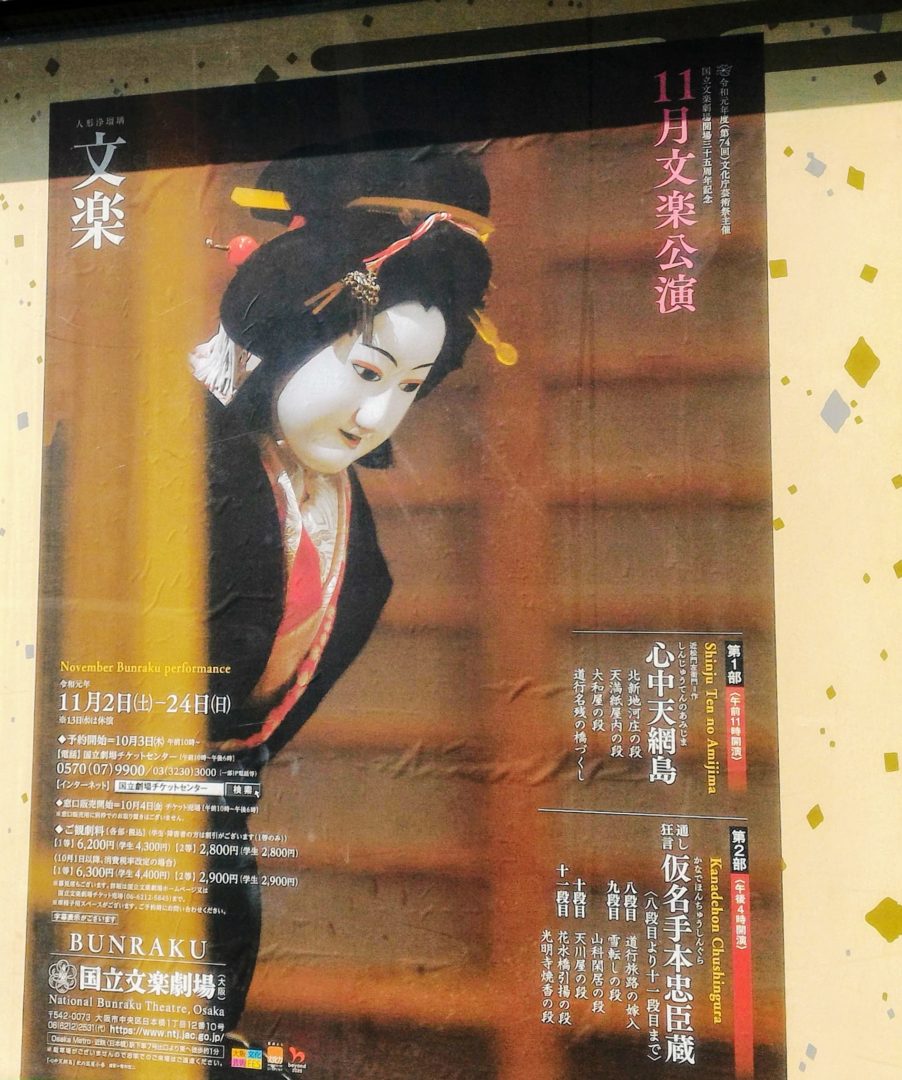
Do you know the bunraku, puppet theater? The bunraku is a traditional Japanese performing art listed as a UNESCO intangible cultural heritage. It is in Osaka that thebunraku emerged at the end of the 17th century. Each puppet is performed by three manipulators. Notice the puppets’ expression of delicate feelings.