The Nakanoshima District
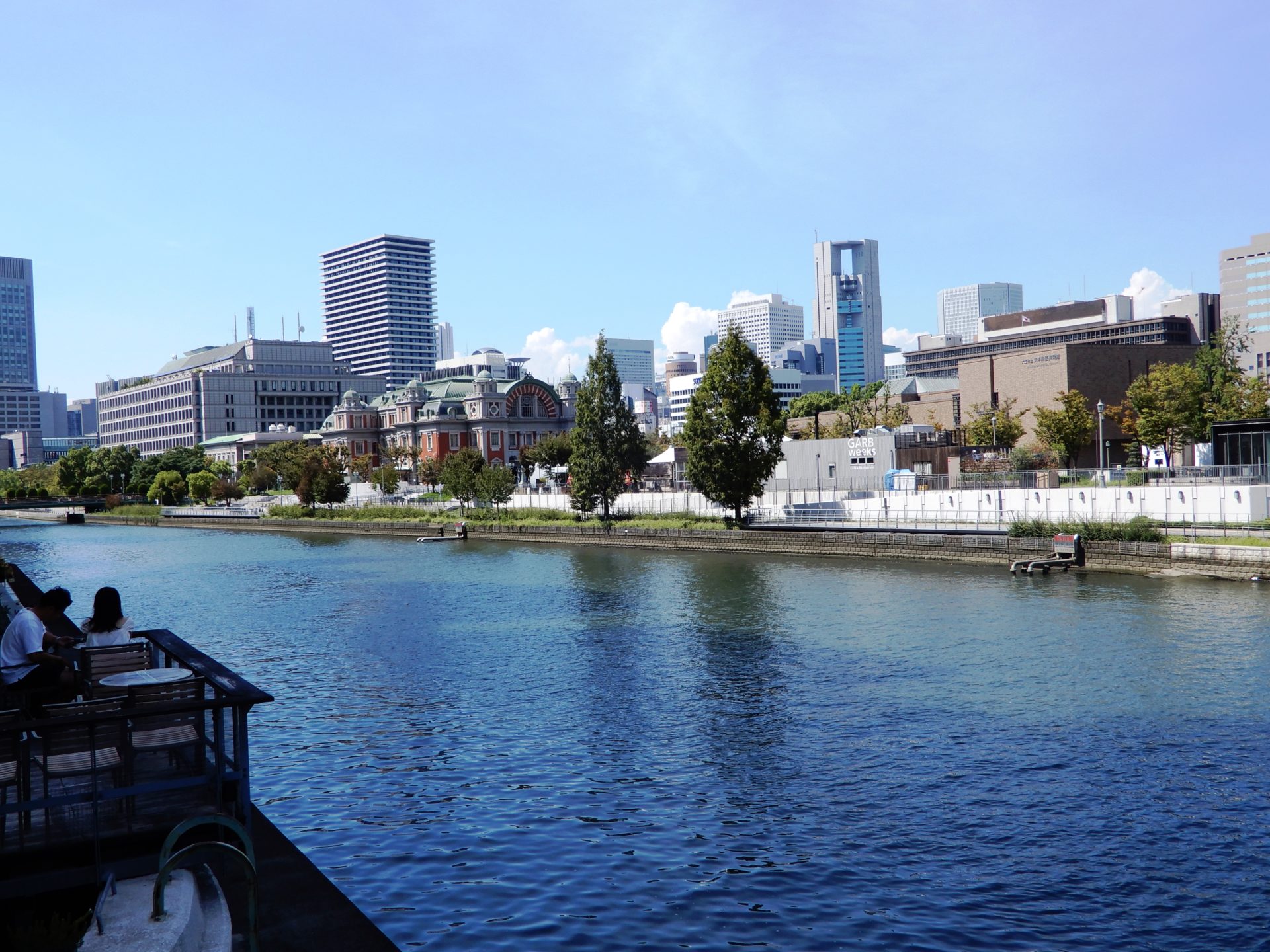
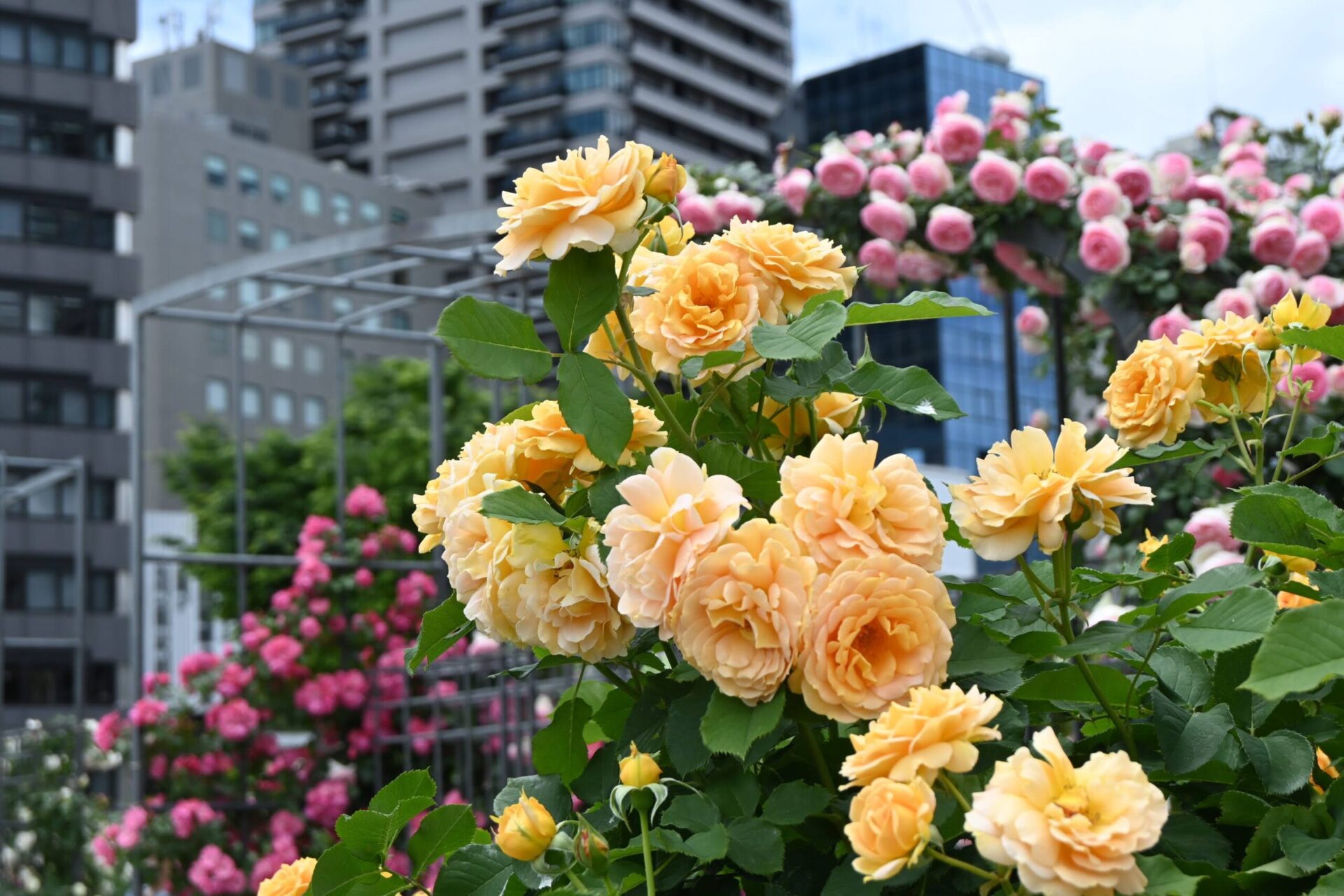
Nakanoshima is a narrow island about three kilometers long framed by the Dojima and Tosabori rivers. Serving as a storage for goods in the Edo era (1603-1867), Nakanoshima developed as the country’s commercial center and today hosts the administrative, economic and cultural heart. It is also an urban oasis. One can enjoy the tranquil waterside scenery which is away from the hustle and bustle of the city.
- Nakanoshima is easily accessible by subway. From Umeda Station, take the Midosuji Subway Line to Yodoyabashi Station (one station). It’s a 3-minute walk from Exit 1. If you take the Sakaisuji Subway Line, get off at Kitahama Station and take Exit 26.
- Map
Central Public Hall
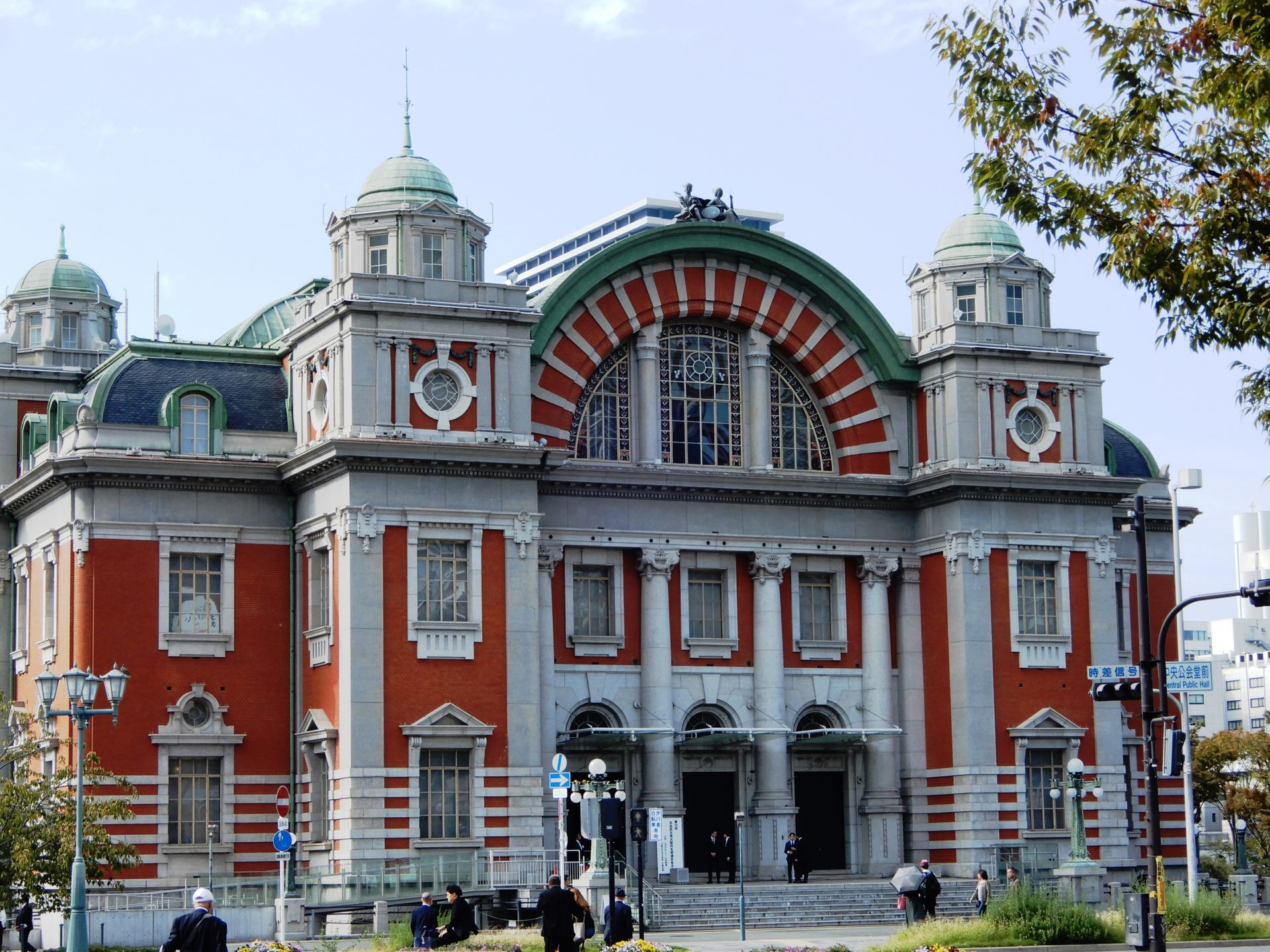
In the Nakanoshima district, there are still some elegant Western-style buildings built during Osaka’s economic and industrial development. The red brick Neo-Renaissance style central public hall was built in 1918 with a donation from an Osaka broker. Symbol of the neighborhood, it serves as a place to organize conferences or concerts today.
The building was made possible by a massive donation from Einosuke Iwamoto, a wealthy stockbroker. After visiting the United States and seeing the philanthropic spirit of American businessmen, he decided to gift a grand public hall to his home city, Osaka.
Sadly, Iwamoto lost his fortune in a stock market crash before the hall was completed and took his own life at the age of 37. He never saw the finished masterpiece, but his legacy lives on in these red bricks, serving as a hub for culture and art for over a century.
- The entrance to the first basement is free.
- It is closed on the 4th Tuesday of each month and during the end-of-year holidays (from December 27 to January 4).
- One can admire the fantastic view of the building lit up at night.
- Map
Nakanoshima Prefectural Library
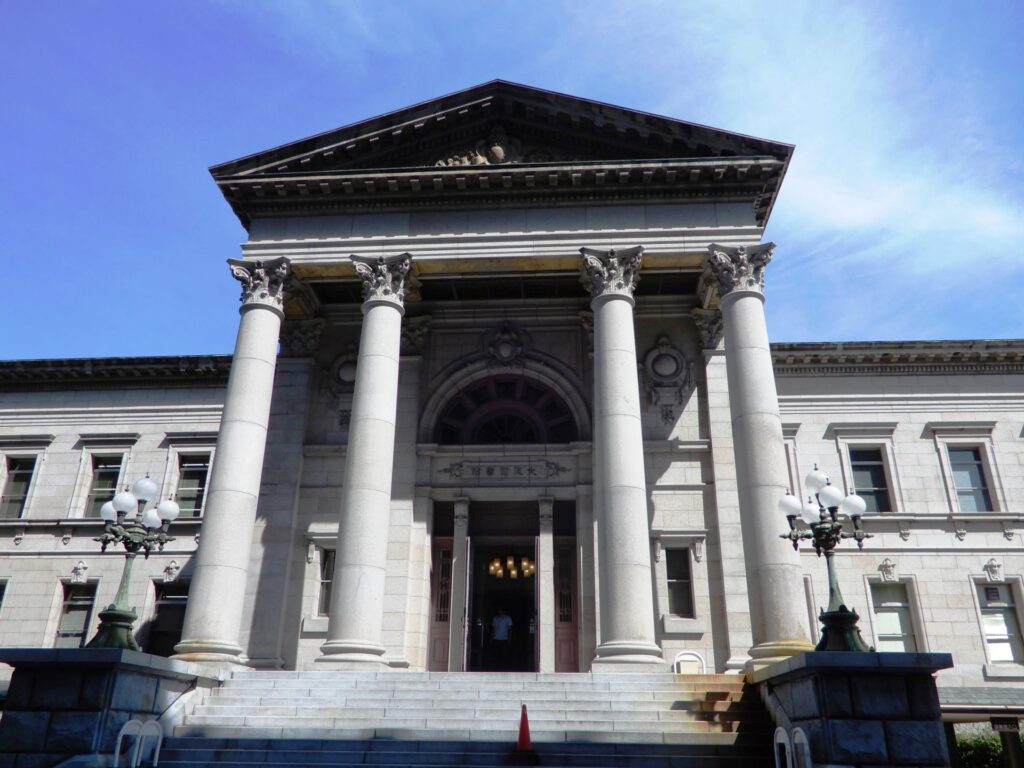
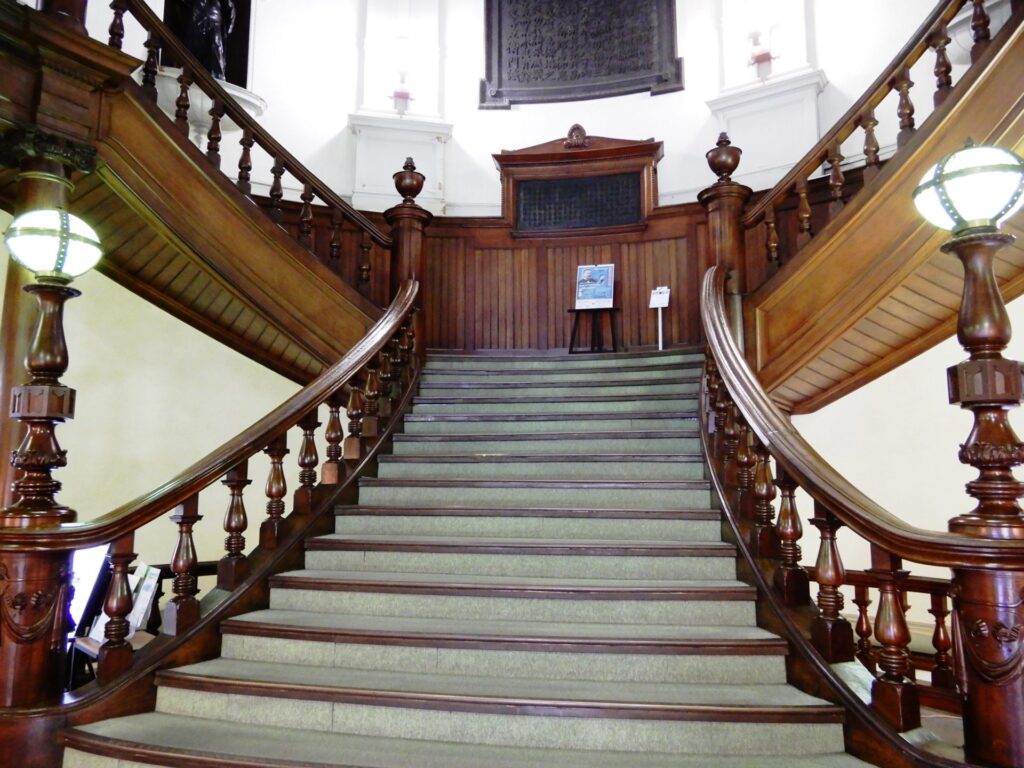
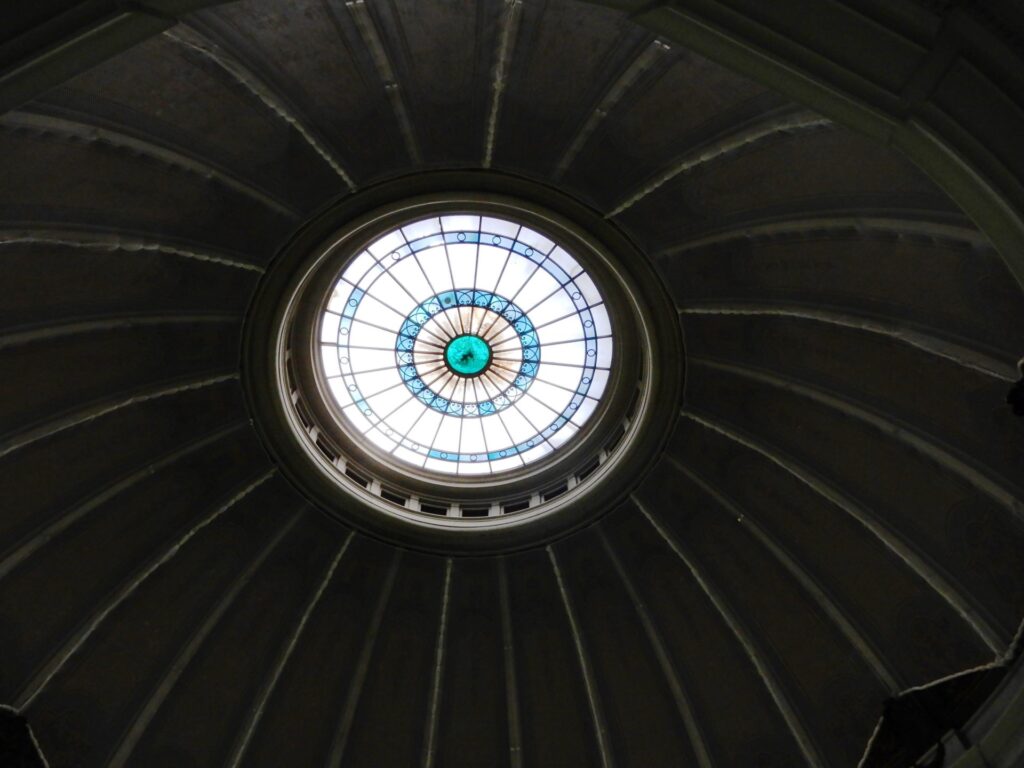
A majestic neo-baroque building stands to the west of the central public hall. This is the Nakanoshima Prefectural Library established in 1904. It has an extensive collection of books and documents relating to Osaka.
Museum of Oriental Ceramics
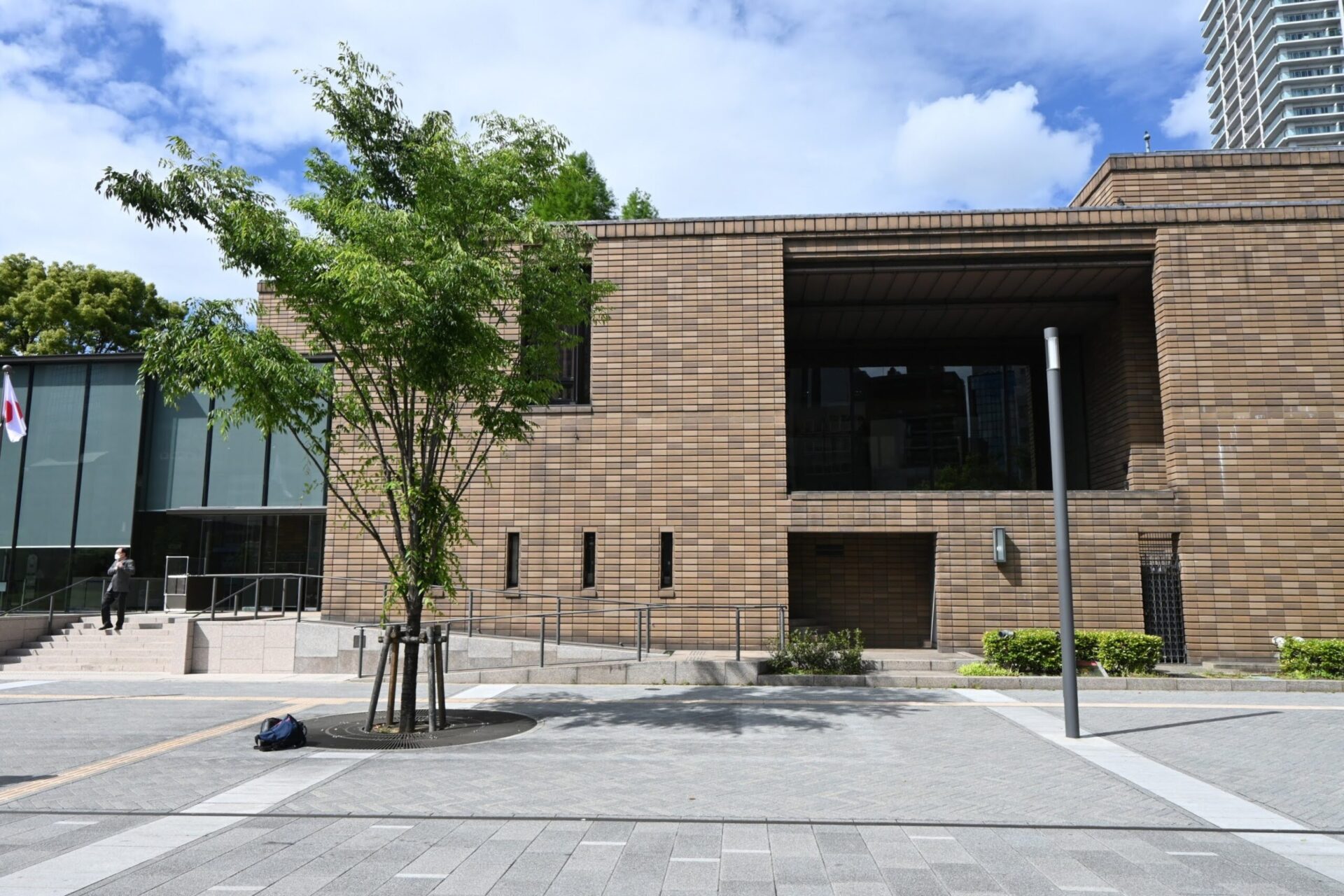
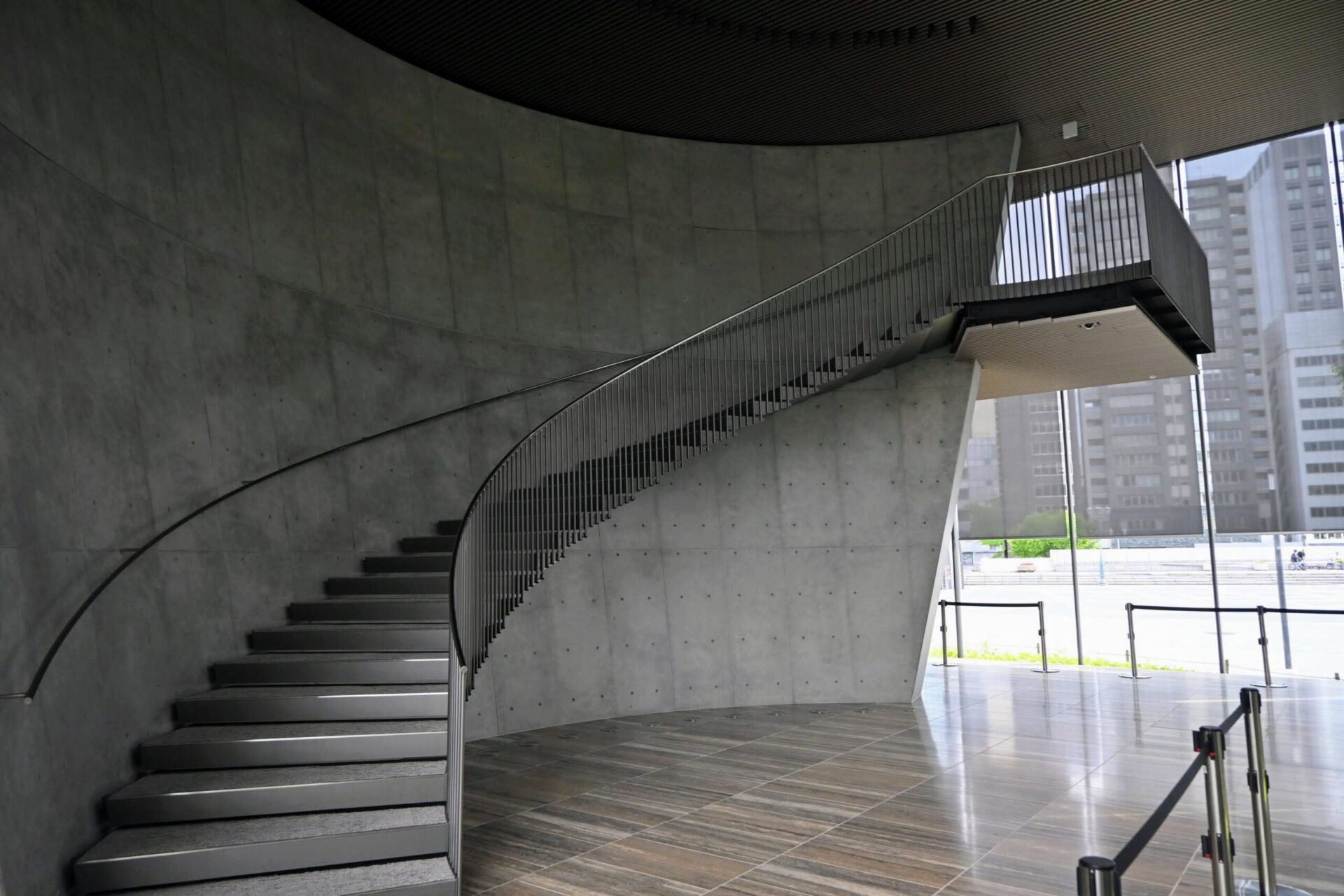
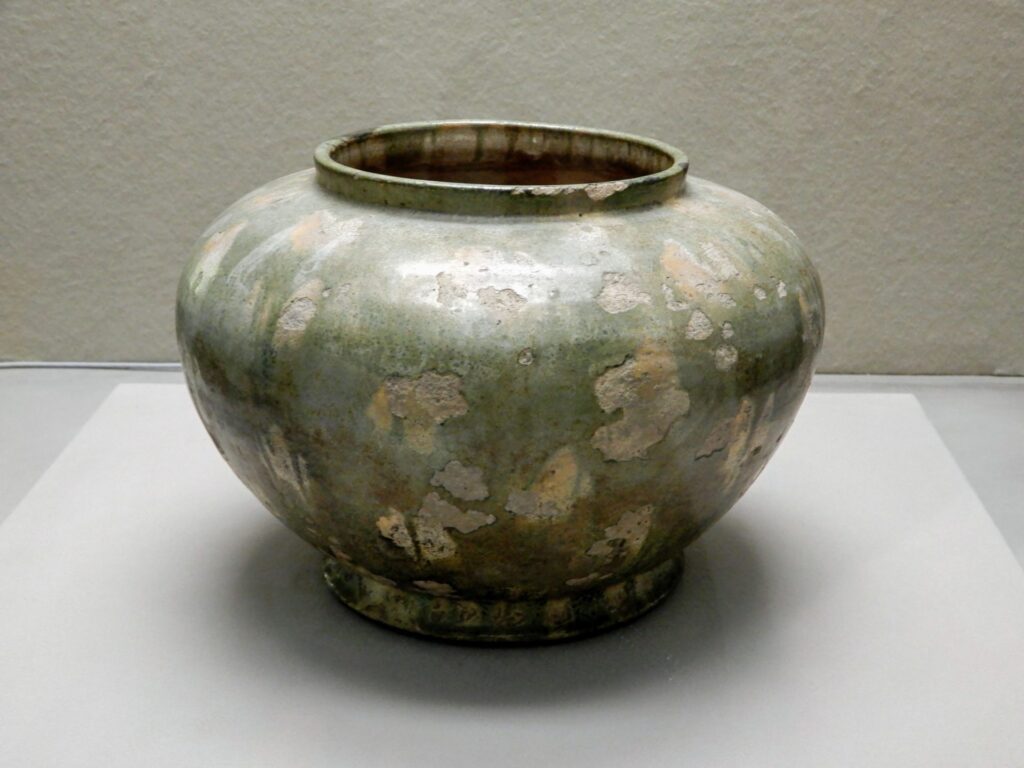
To the east of the central public hall is the Museum of Oriental Ceramics. It contains an impressive collection of Korean and Chinese ceramics as well as Japanese pieces.
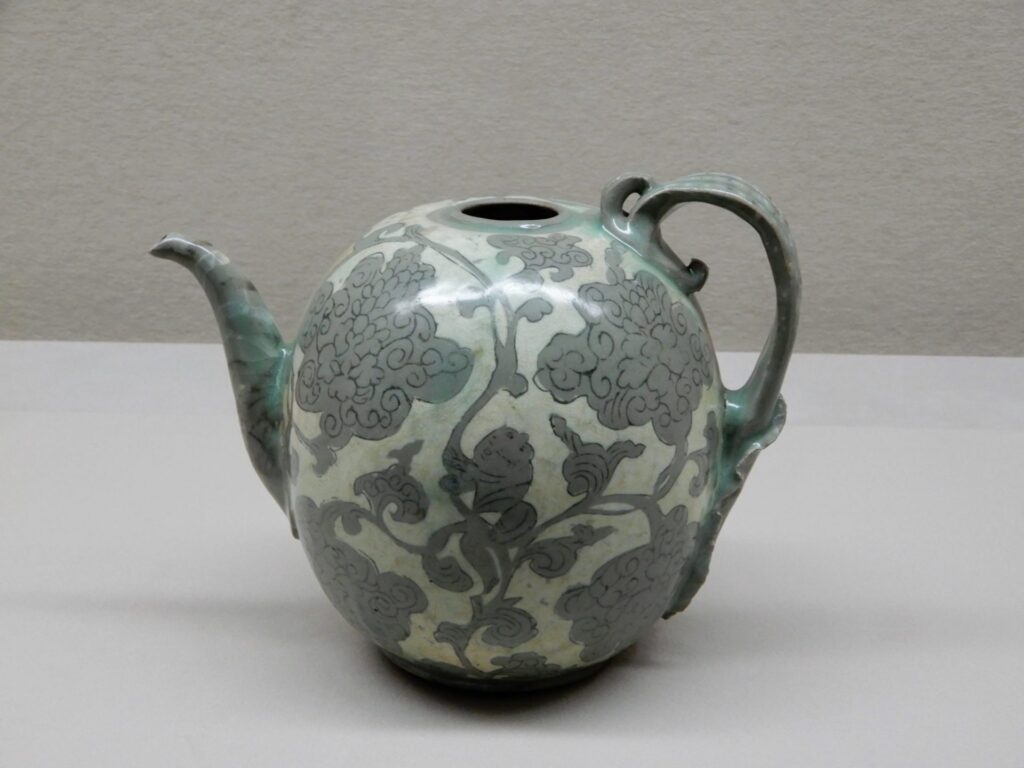
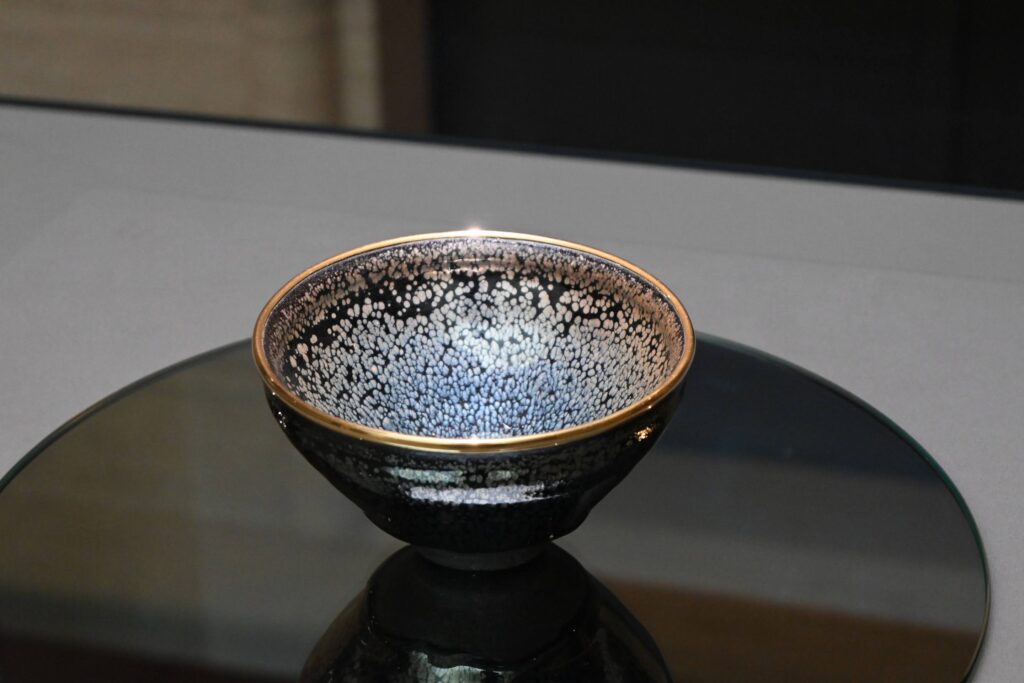
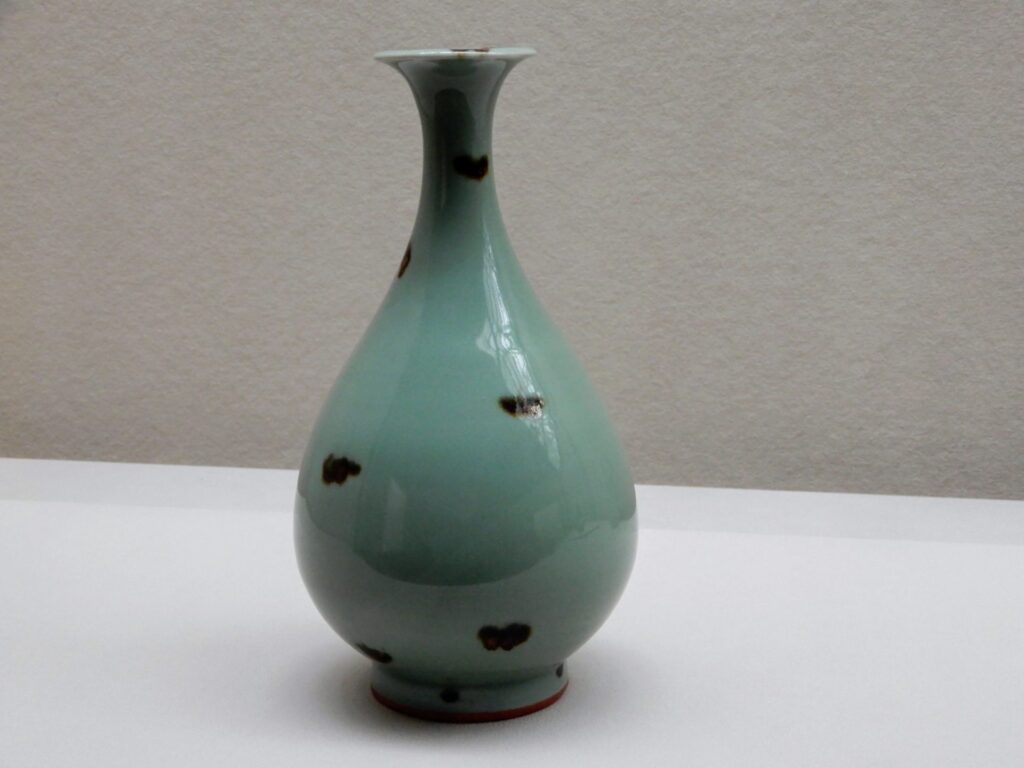
- It is closed on Mondays and during the end-of-year holidays (from December 28 to January 4).
- The entry price varies depending on the exhibition presented.
- It is allowed to take photos.
- Map
Nakanoshima Children’s Book Forest
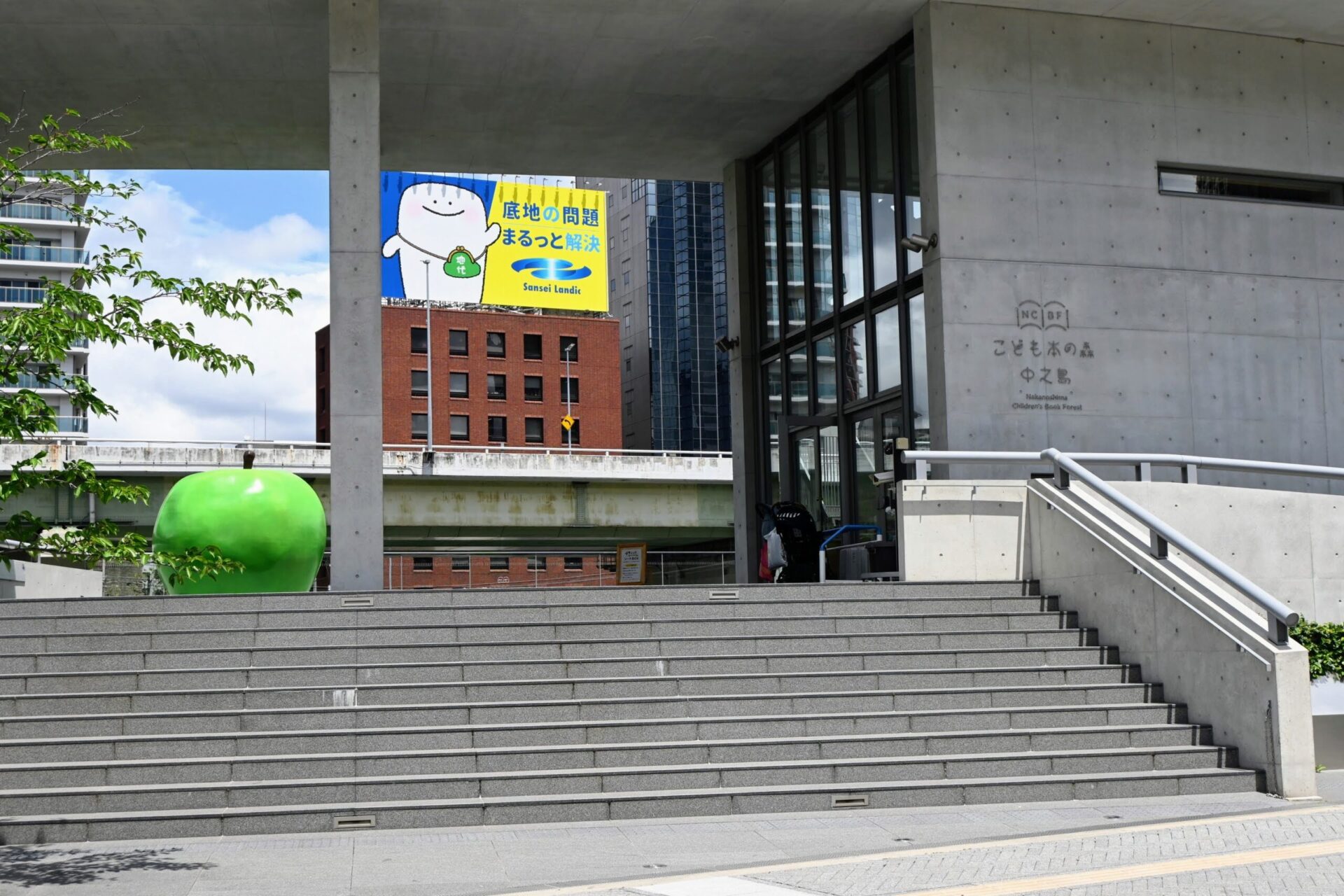
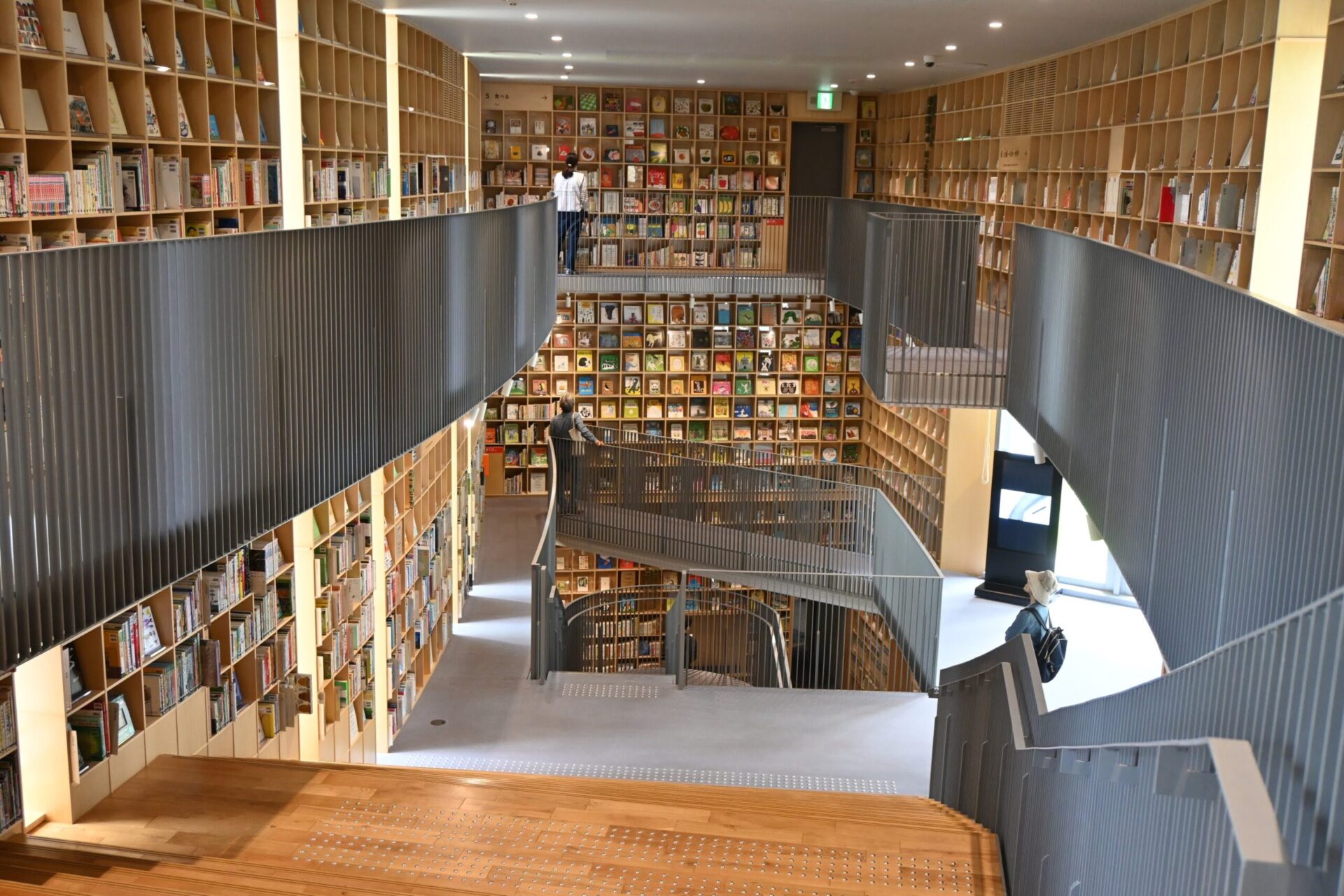
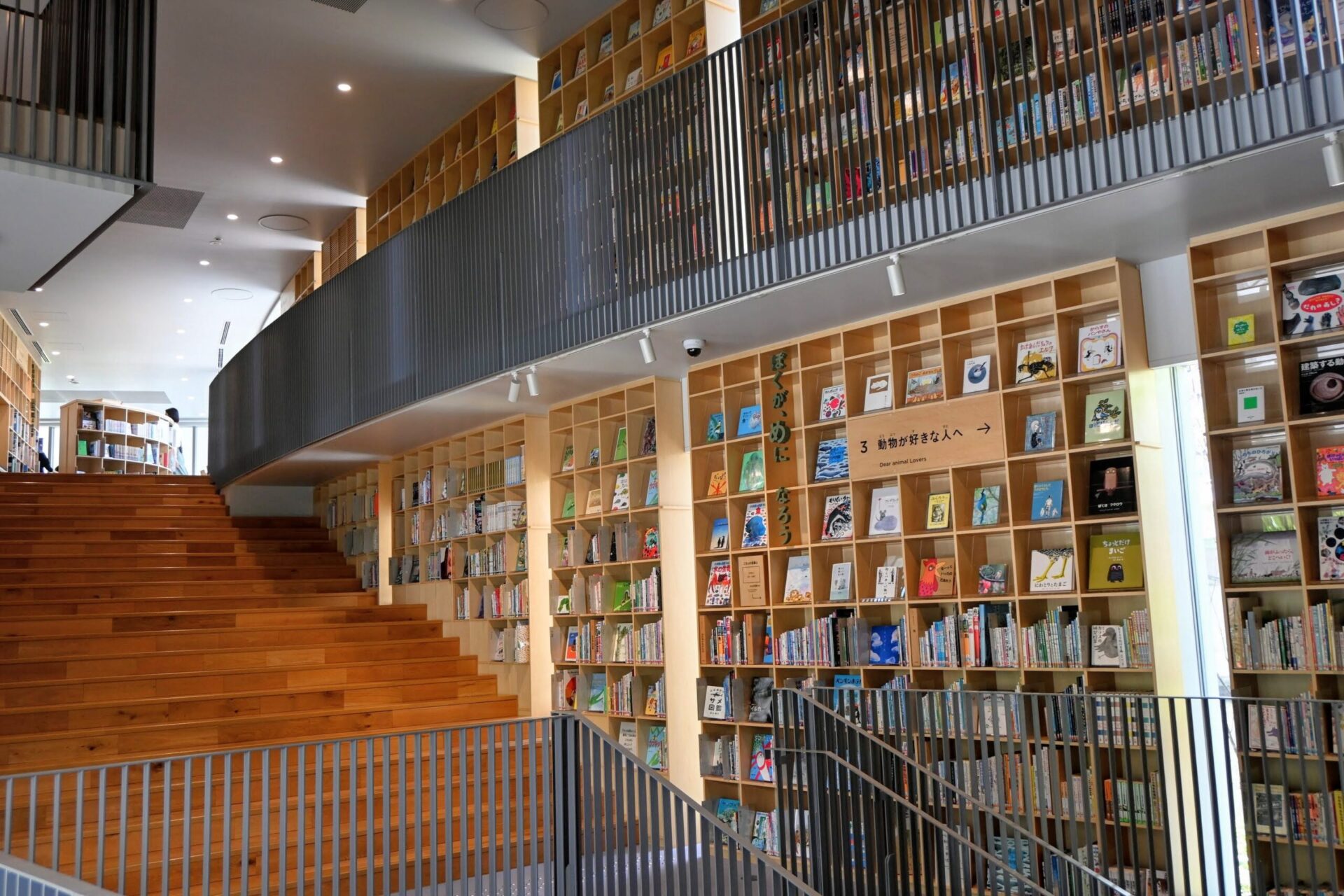
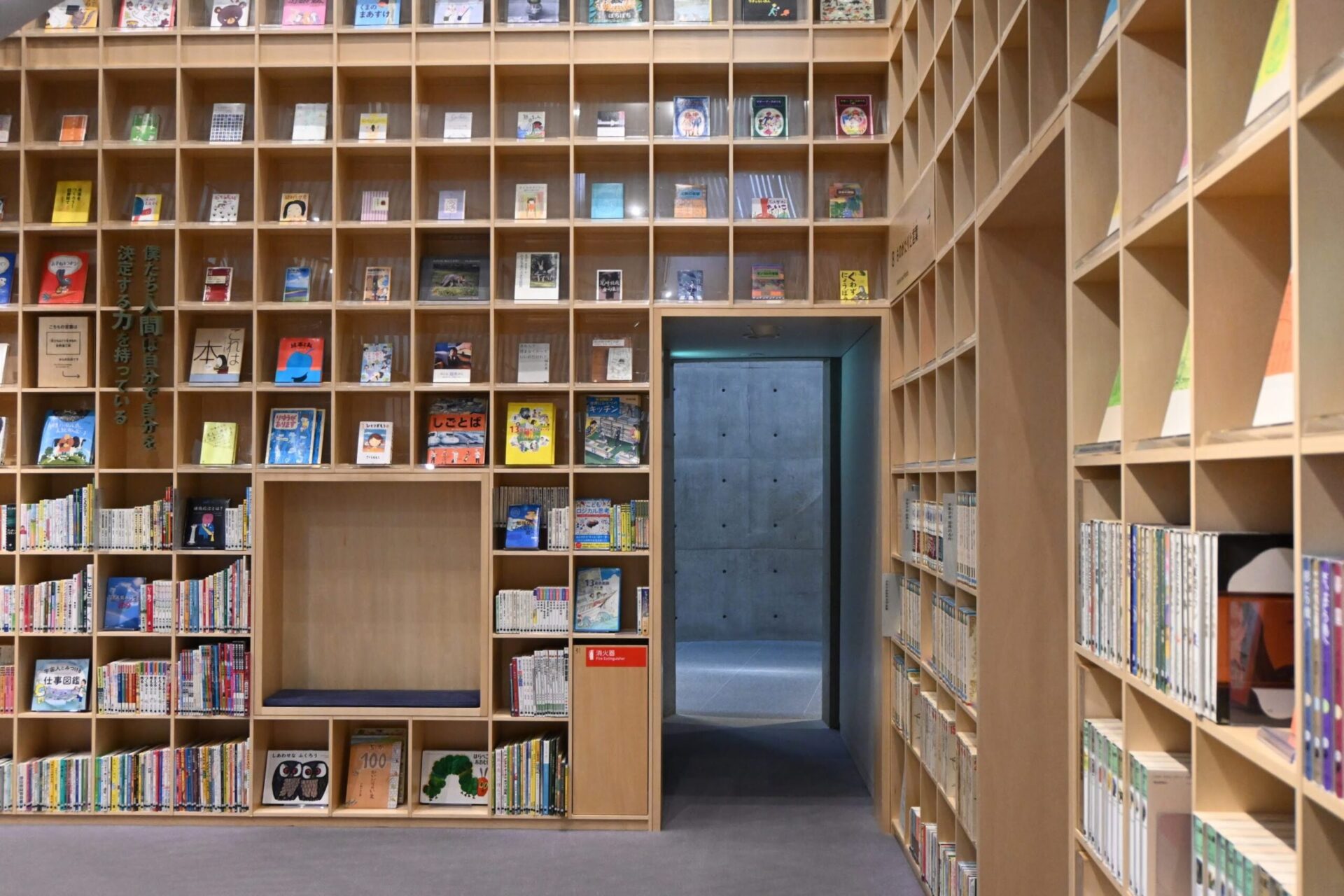
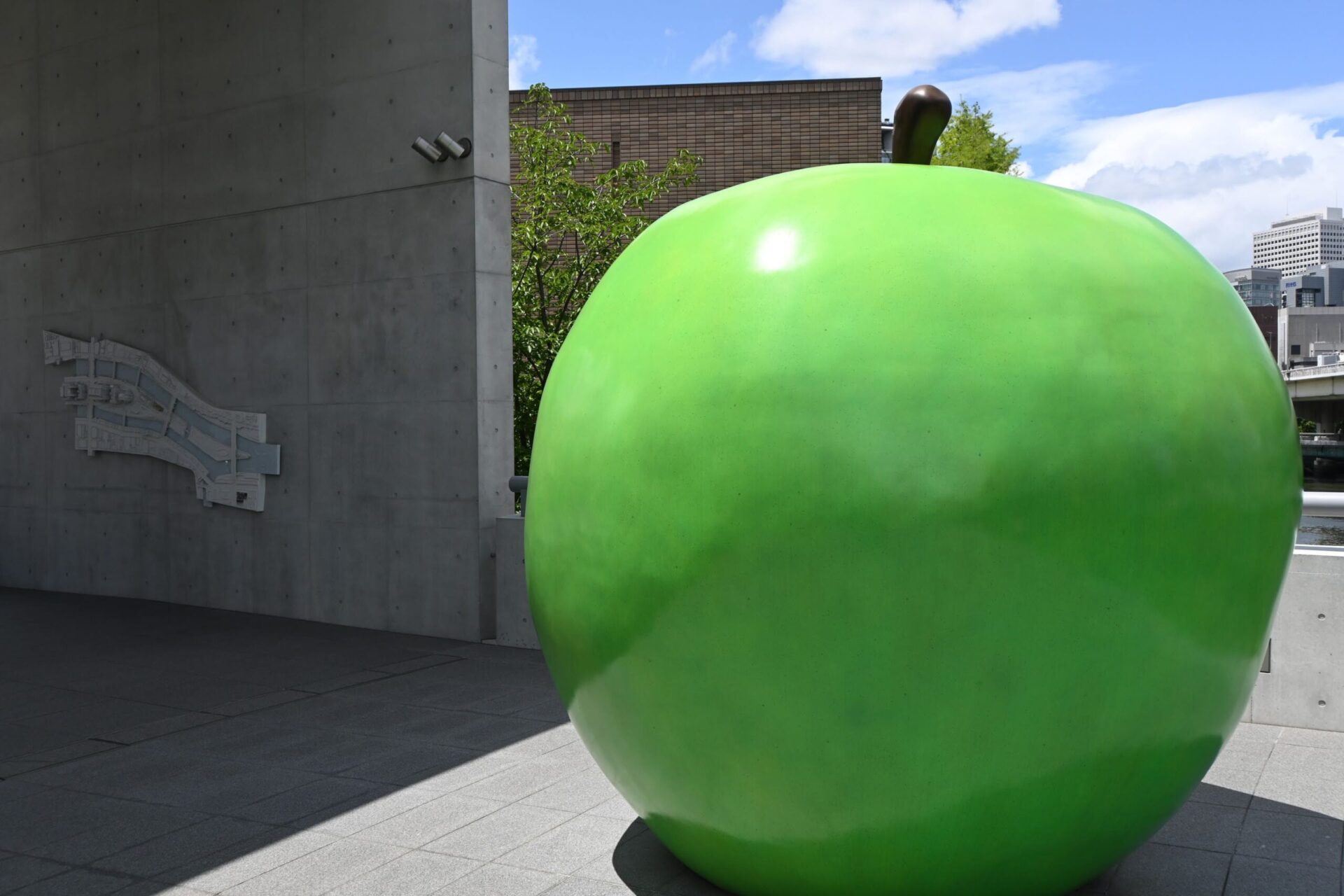
Next to the museum, the Nakanoshima Children’s Book Forest designed by Ando Tadao, one of Japan’s best-known architects, opened in July 2020. It houses more than 18,000 books such as picture books and literary works for children. These books are divided into 12 themes. You can read freely not only in this building but also on the lawn of Nakanoshima Park if the weather permits.
Nakanoshima Art Museum
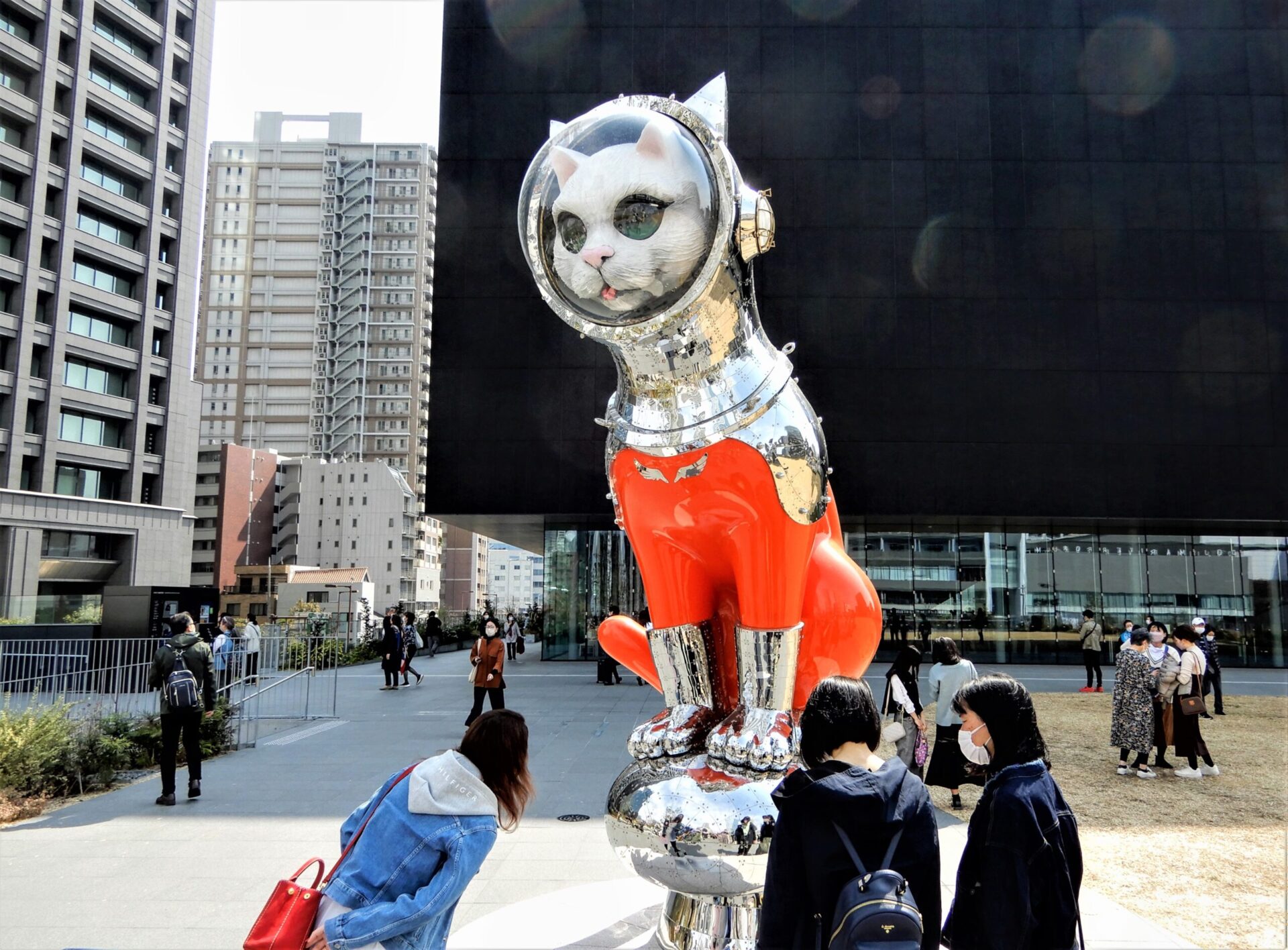
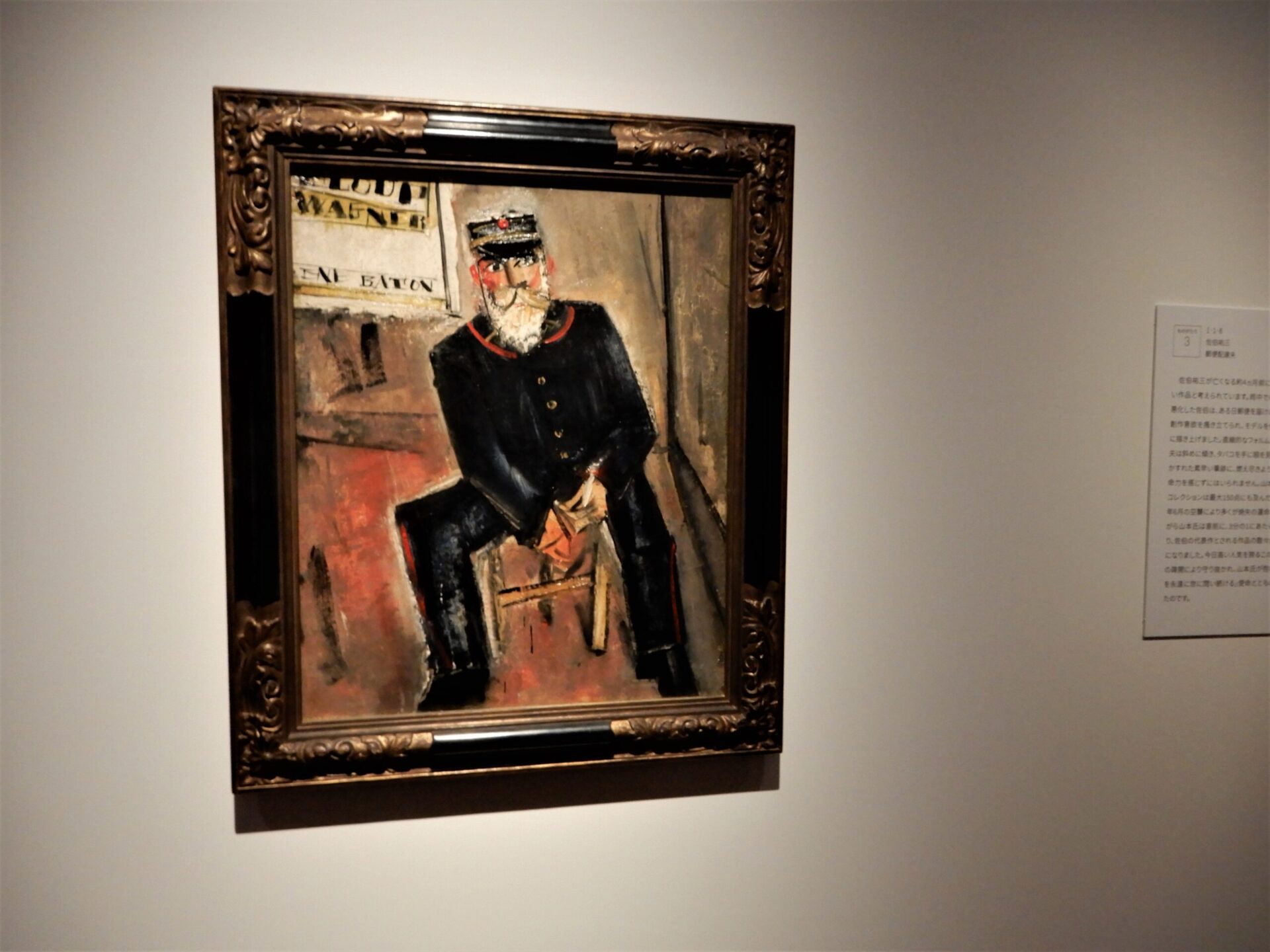
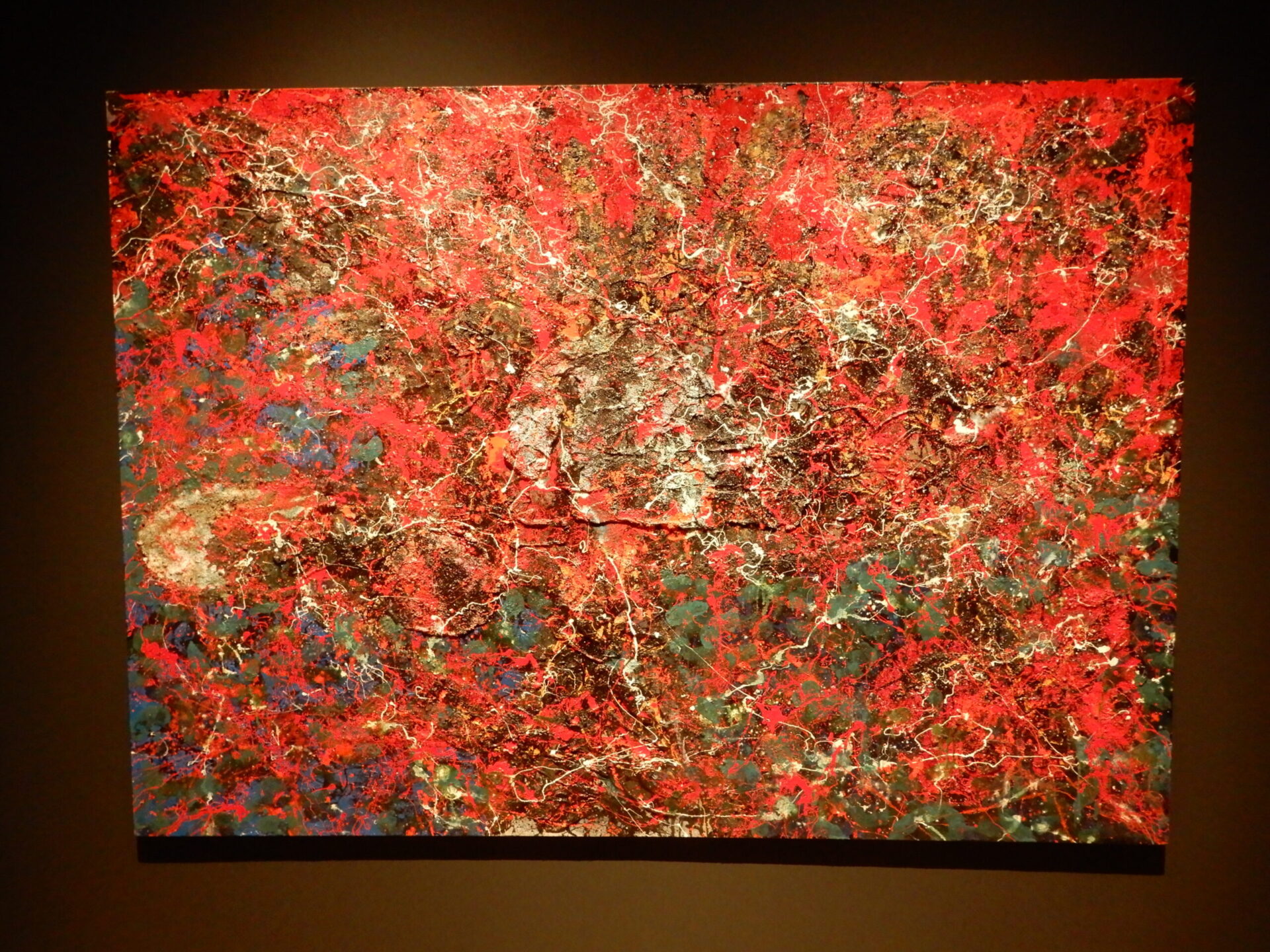
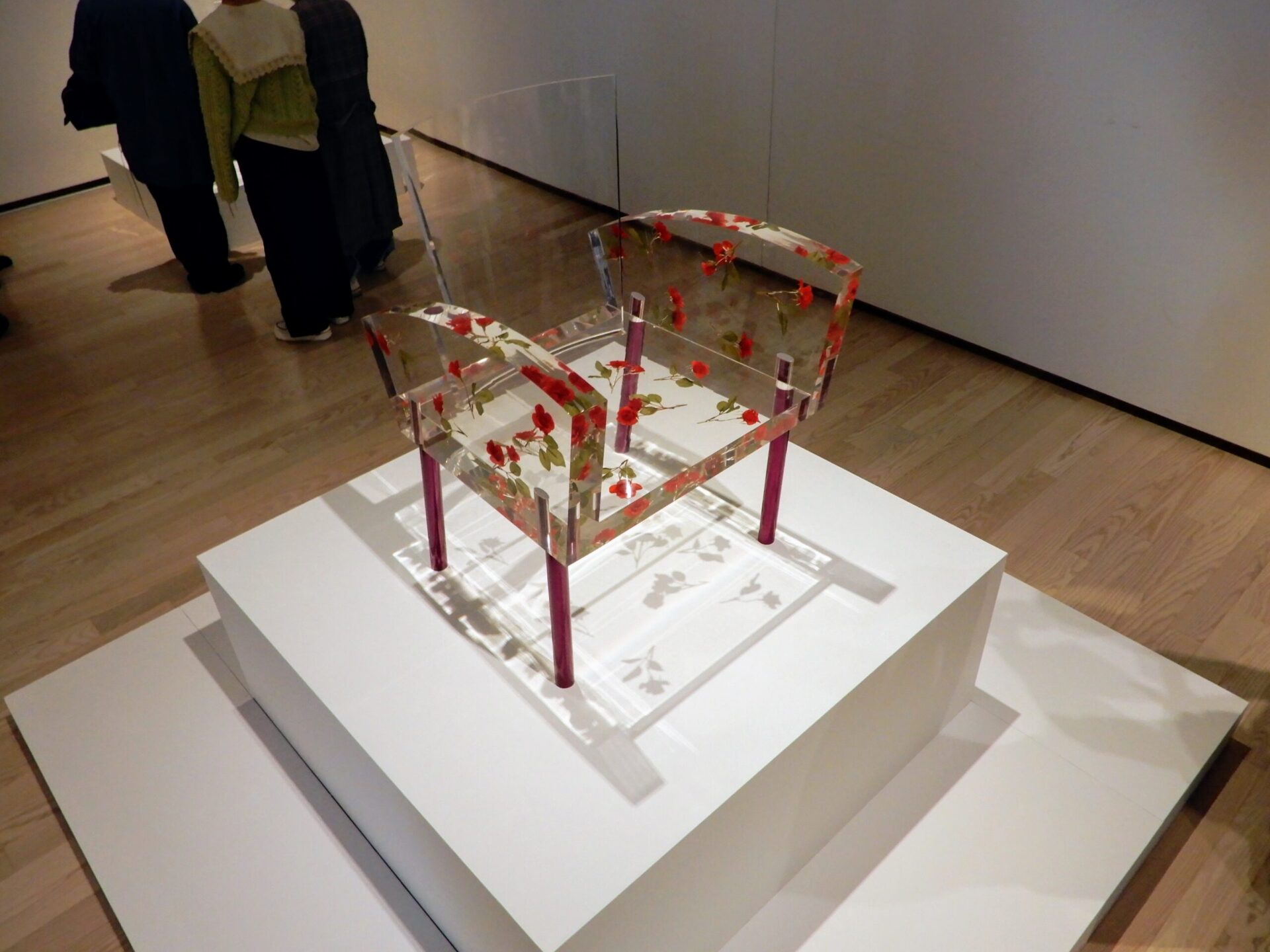
In the western district of Nakanoshima, a new museum dedicated to modern and contemporary art, the Nakanoshima Art Museum opened its doors in February 2022 after 40 years in the making. Its collection brings together more than 6,000 works in the fields of painting, engravings, photographs, posters, sculptures, furniture and design from the second half of the 19th century to the present day. Above all, its Osaka-related collection is impressive and worth seeing. There you can trace the history of the artistic scene of this great city. Do you know that Osaka is also a place linked togutai, one of the avant-garde artistic movements in post-war Japan? He had his private exhibition room, the art gallery.gutaiin Nakanoshima.
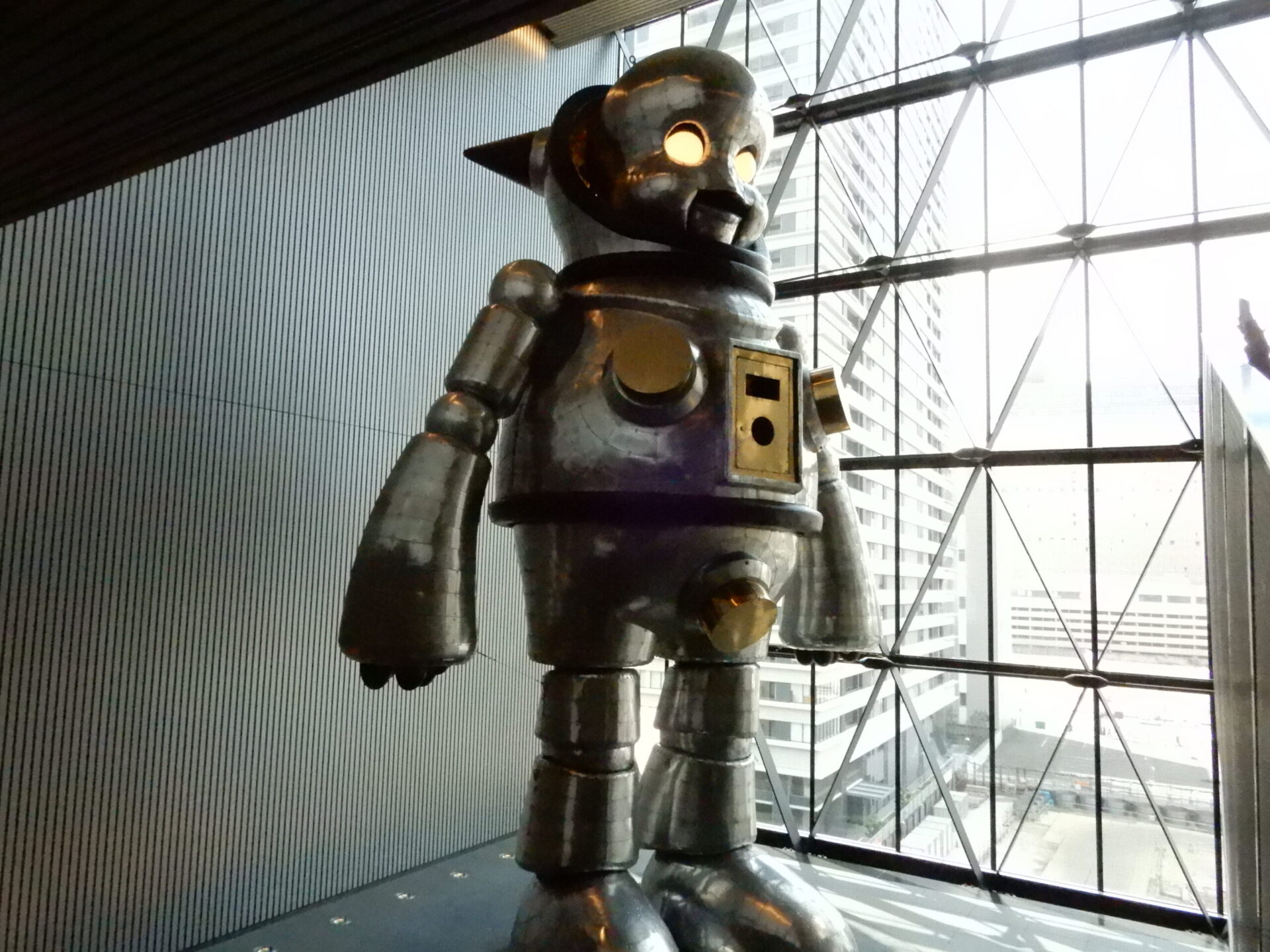
- It is closed on Monday.
- Map
The Semba District
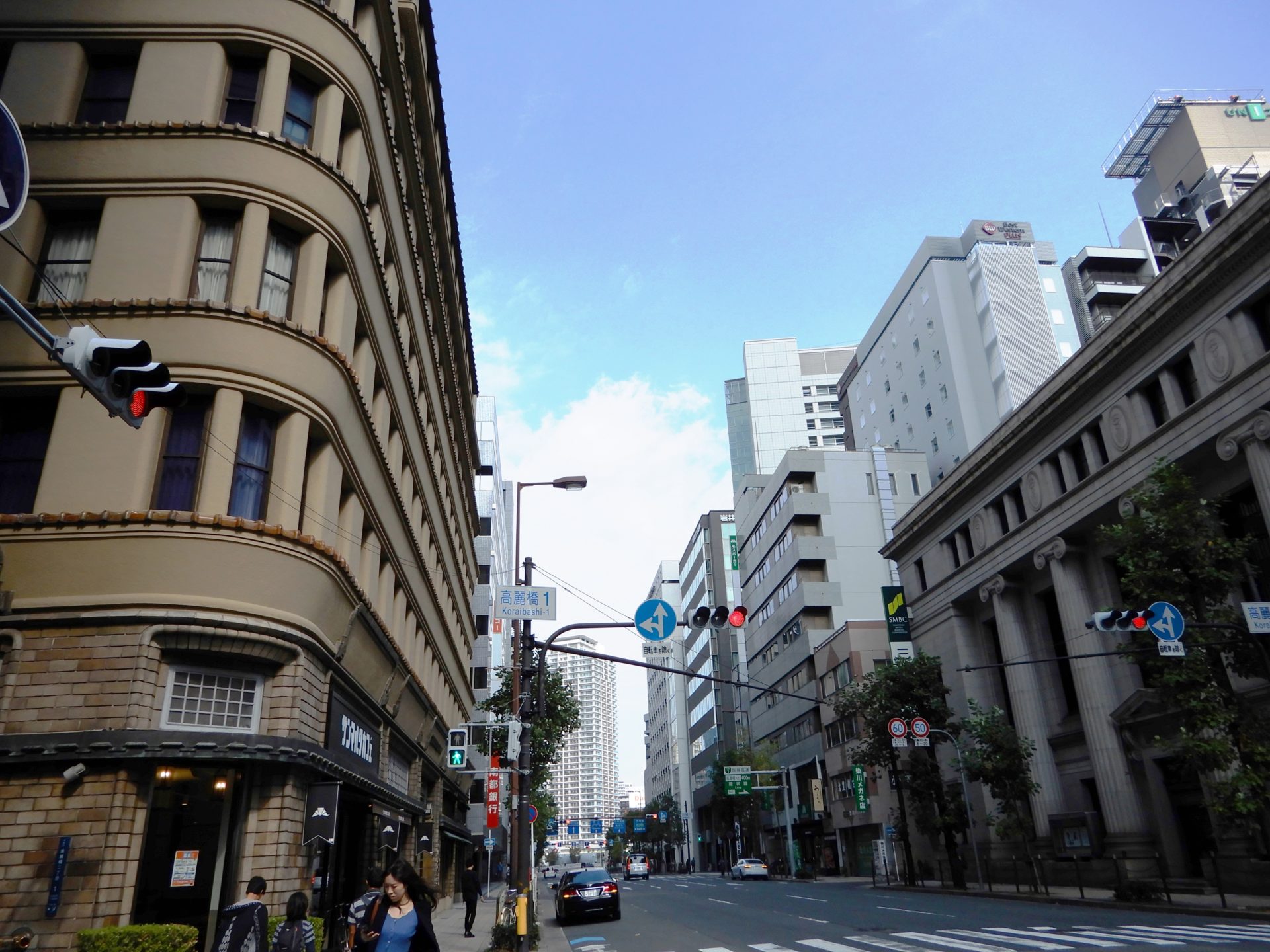
Located south of Nakanoshima, Semba is a commercial area that extends 2 kilometers from north to south and 1 kilometer from east to west. There is no town or station called “Semba”. In the past, this area was surrounded by rivers on all sides and there were piers around. Where does the name “Semba” undoubtedly come from? The Semba district was developed to the west of Osaka Castle at the end of the 16th century. The merchants who came to settle there are at the origin of Osaka’s business prosperity. With economic expansion from the 1920s to the early 1930s, Osaka became one of the largest metropolises in Asia. Many buildings with a Western atmosphere were built at this time in the Semba district. Nestled among more recent buildings, they are still alive and used as offices, restaurants, shops, etc. I describe some representative buildings of the northern area of Semba, Kita-Semba.
Tekijuku
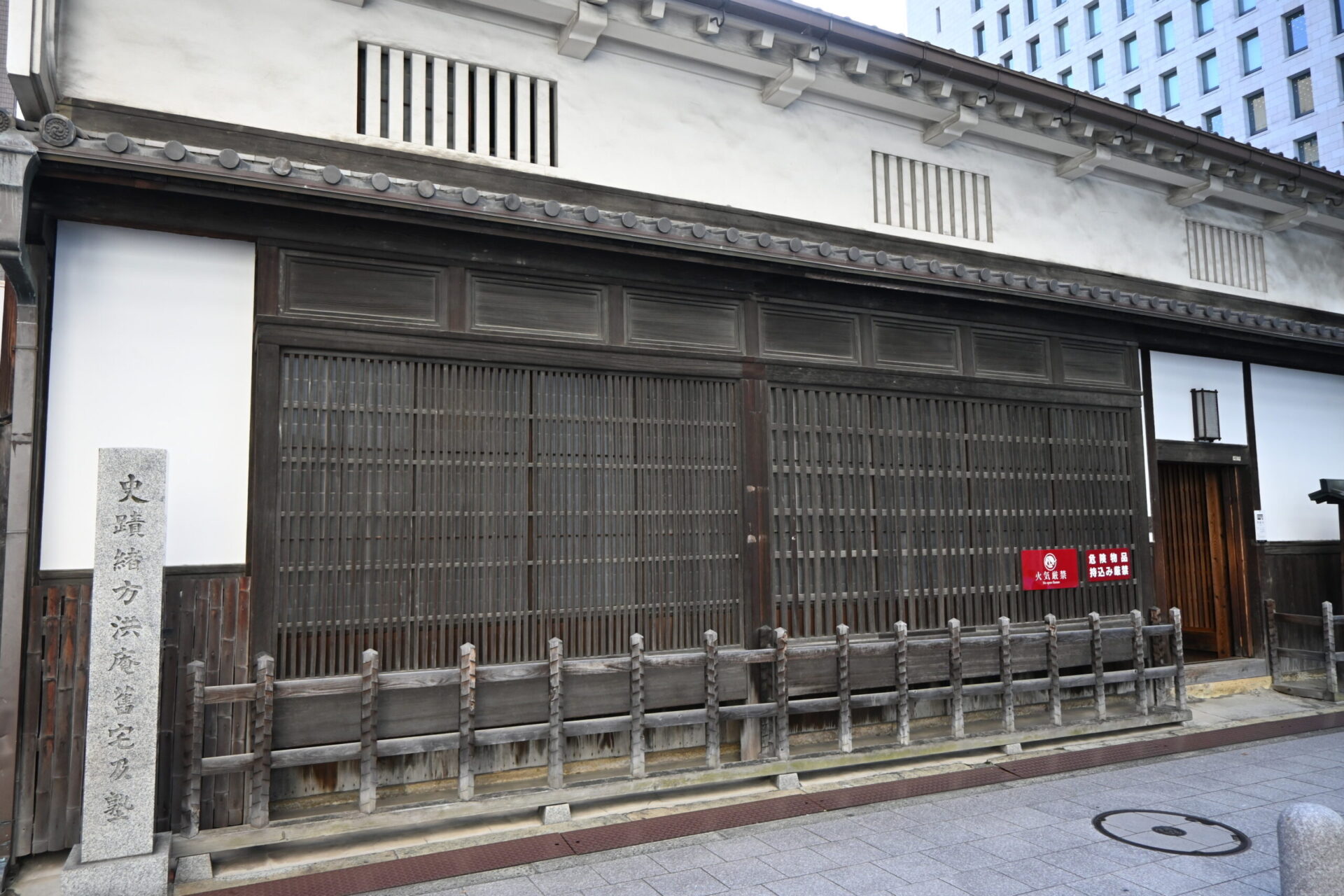
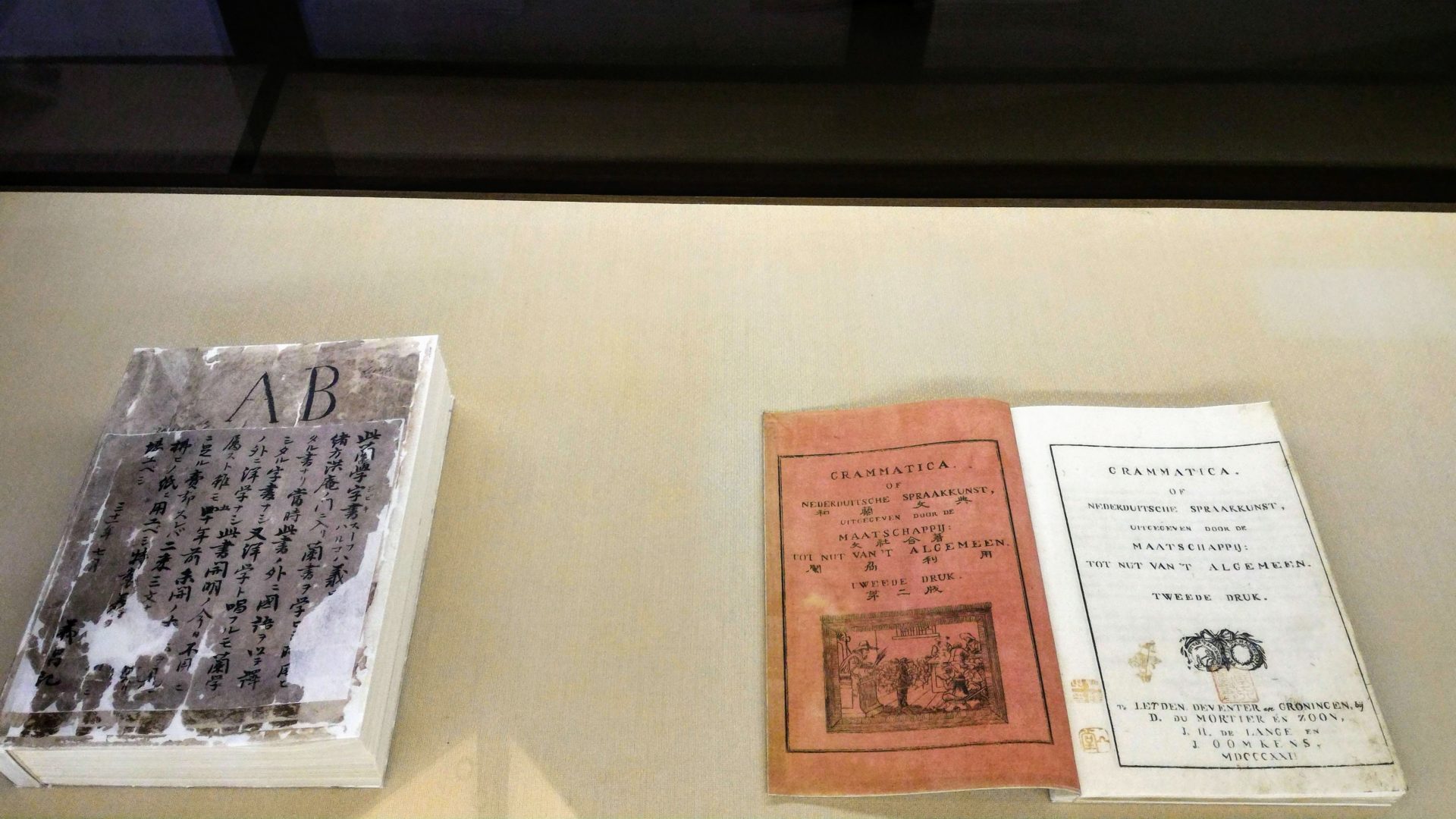
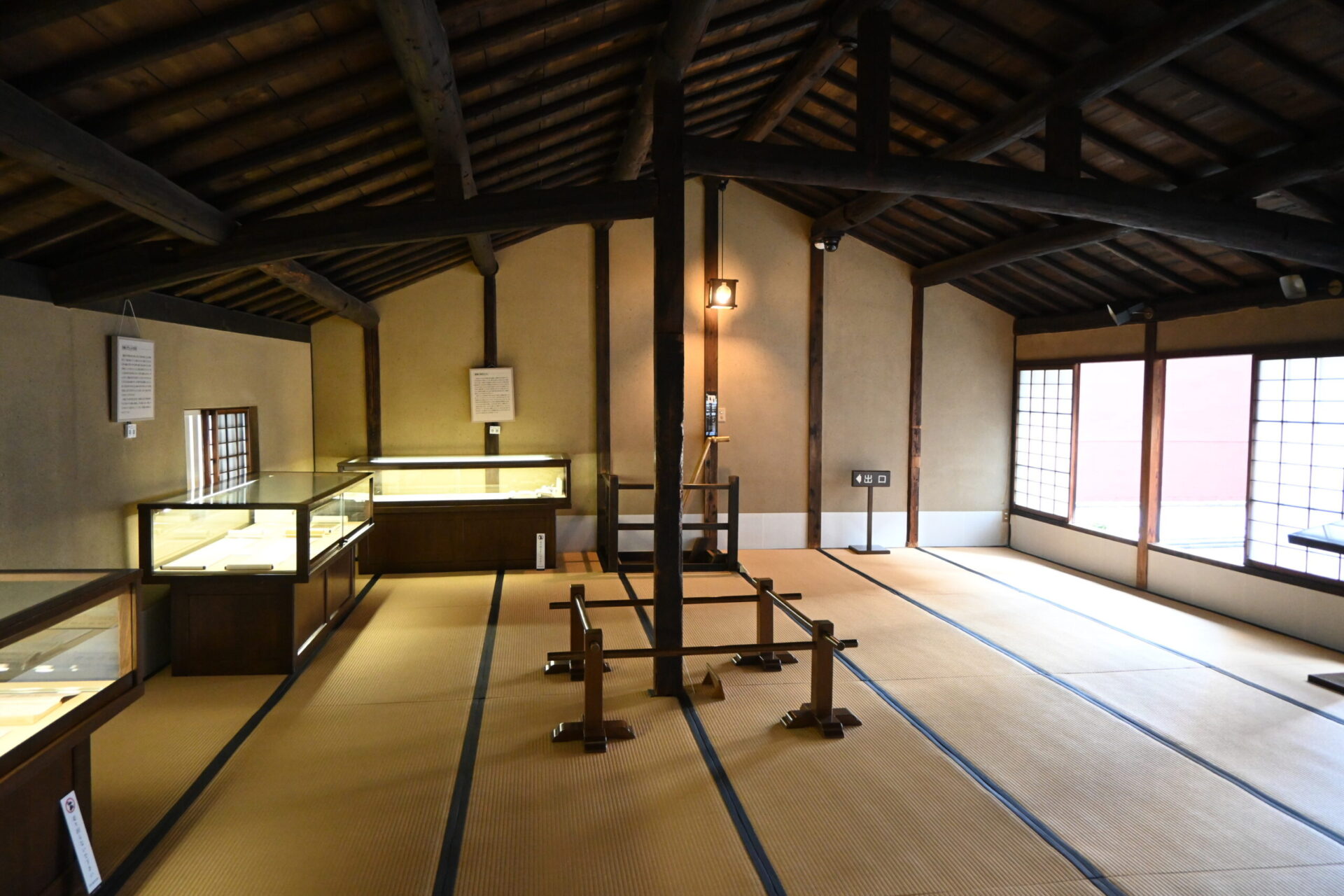
Tekijuku is a private school founded in the late Edo era by Ogata Koan, a Dutch doctor and science scholar. During the Edo era, Japan followed a policy of isolation, but traded with China and the Netherlands. Western sciences, cultures and technologies were transmitted to Japan by the Dutch. Tekijuku was relocated to the current location in 1854. This one-story house, spared from the aerial bombardments of World War II, still retains its traditional appearance among buildings today.
- The Tekijuku entrance ticket price is 400 yen.
- It is closed on Monday.
- Map
The Japanese Belle Époque
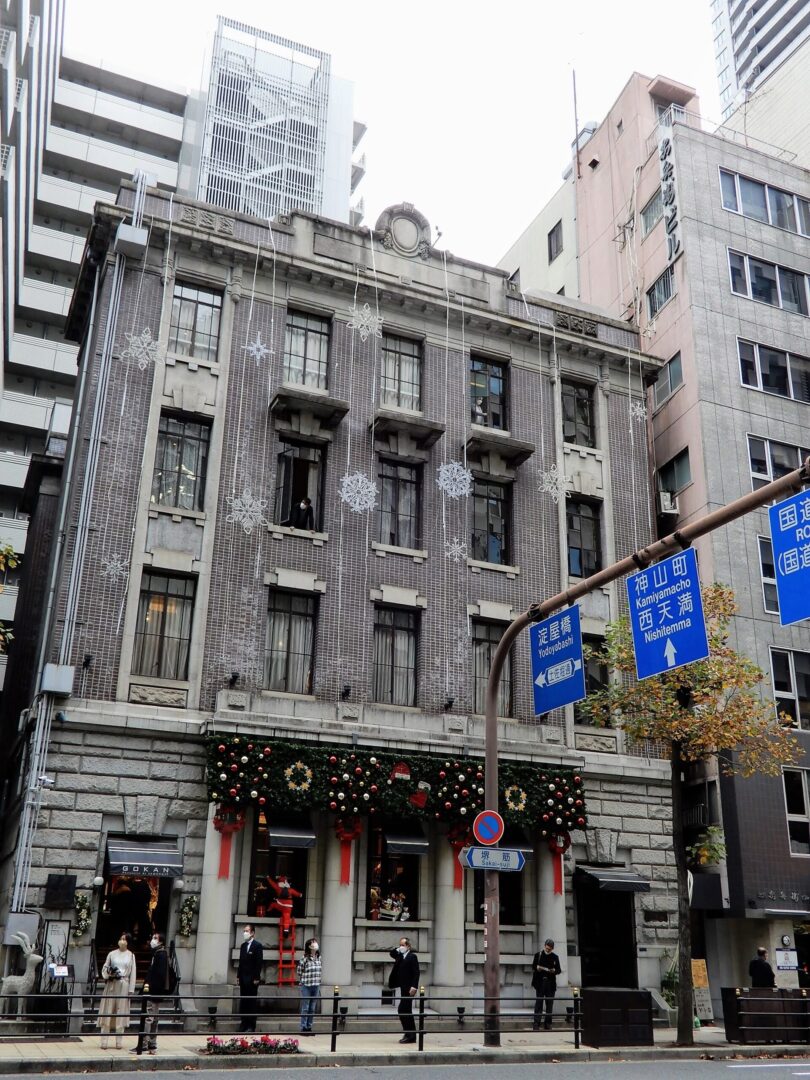
Arai Building was originally a bank built in 1922. It shows a symmetrical style with four columns in the center of the facade.
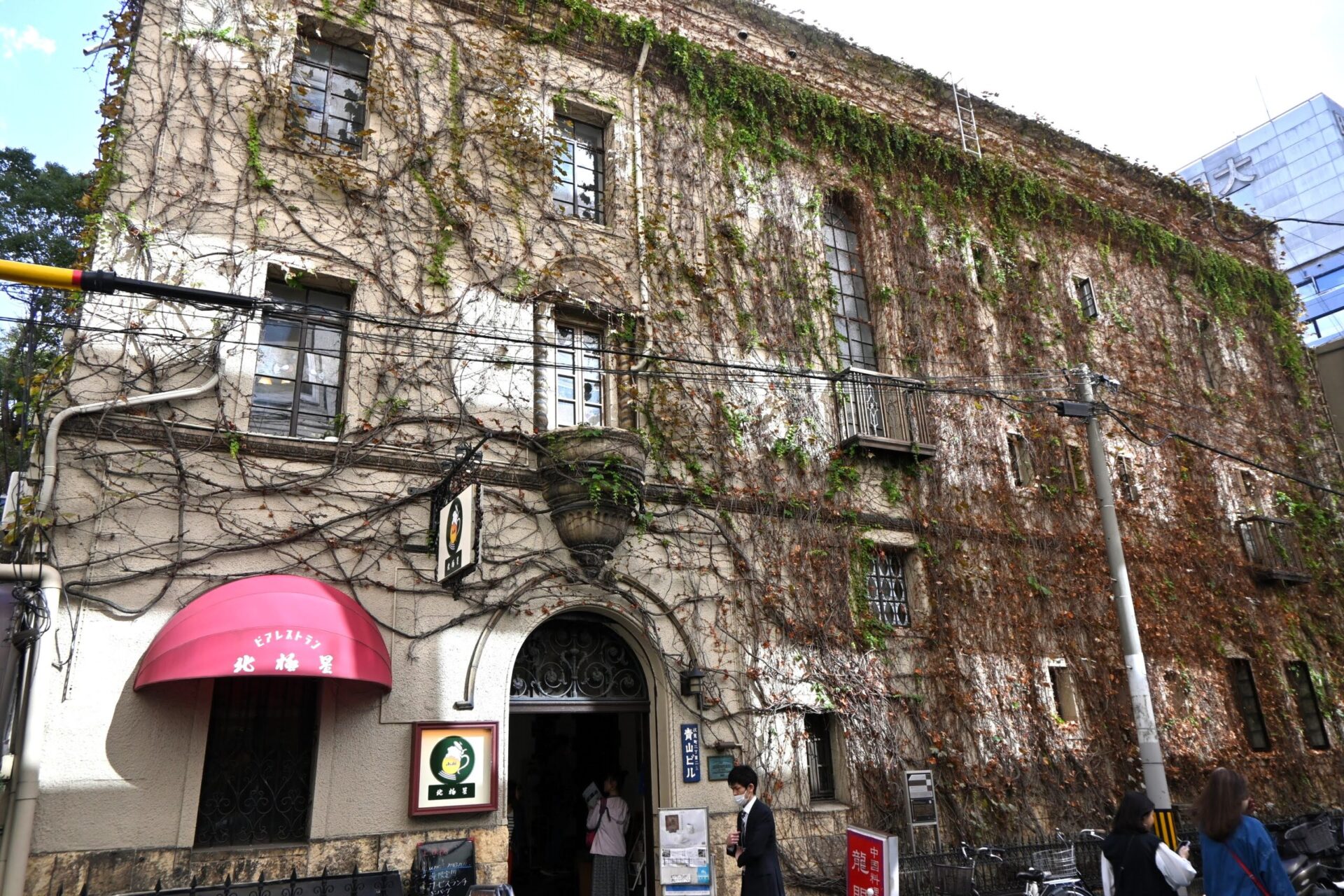
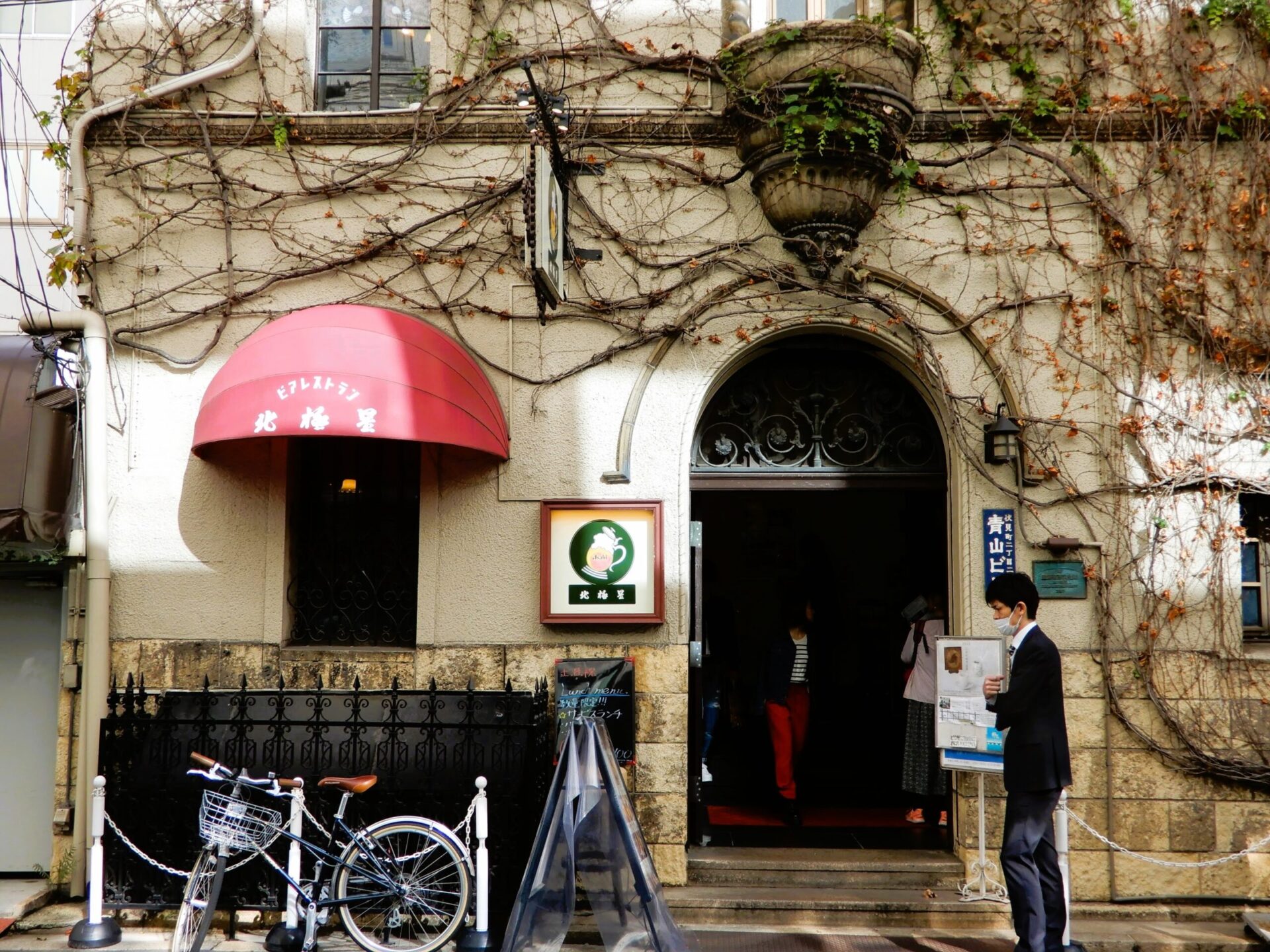
Aoyama Building whose exterior wall is covered in ivy was built in 1921 as a private residence. We can still see elements here and there, such as the stained glass windows dating from its origins.
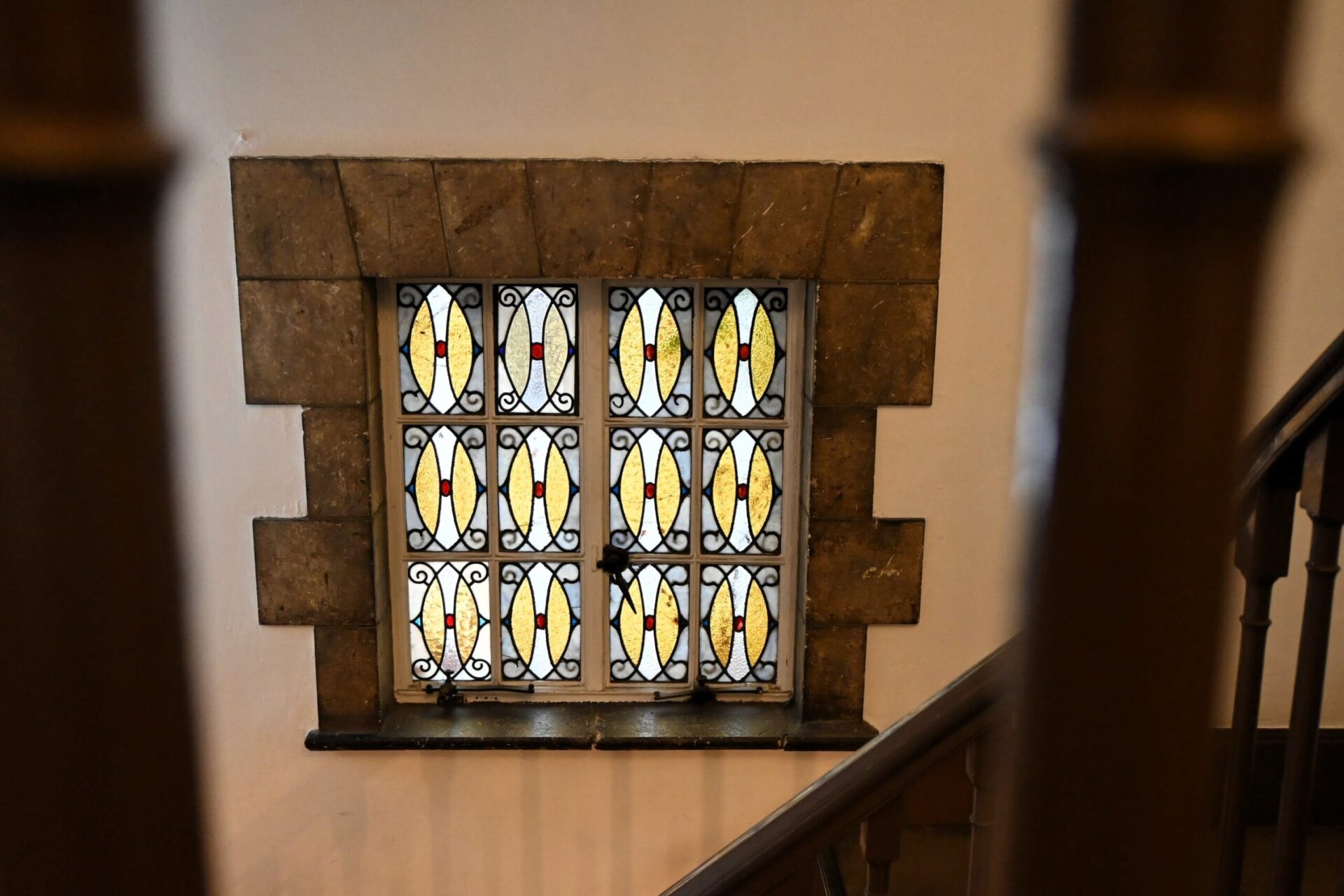
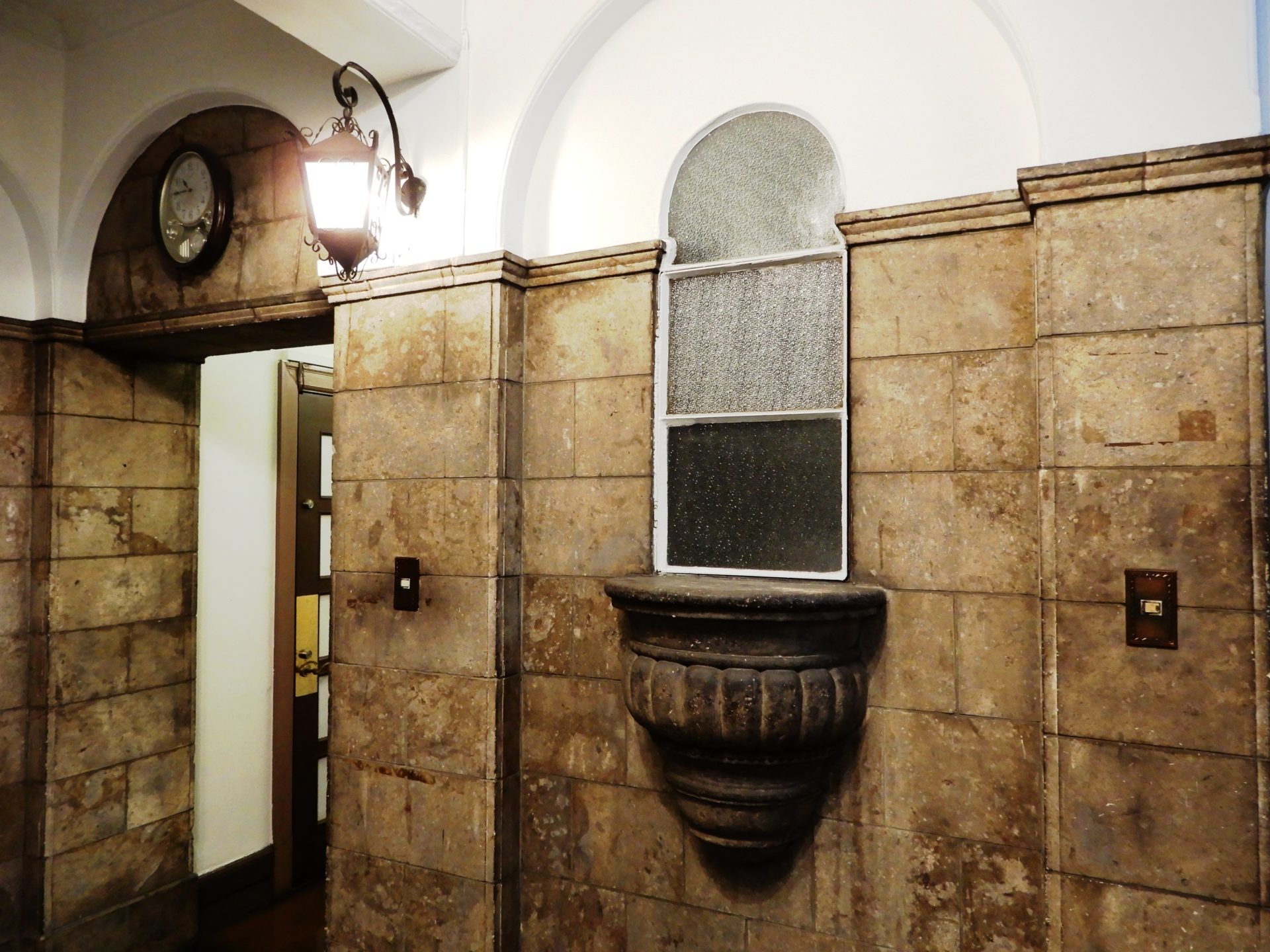
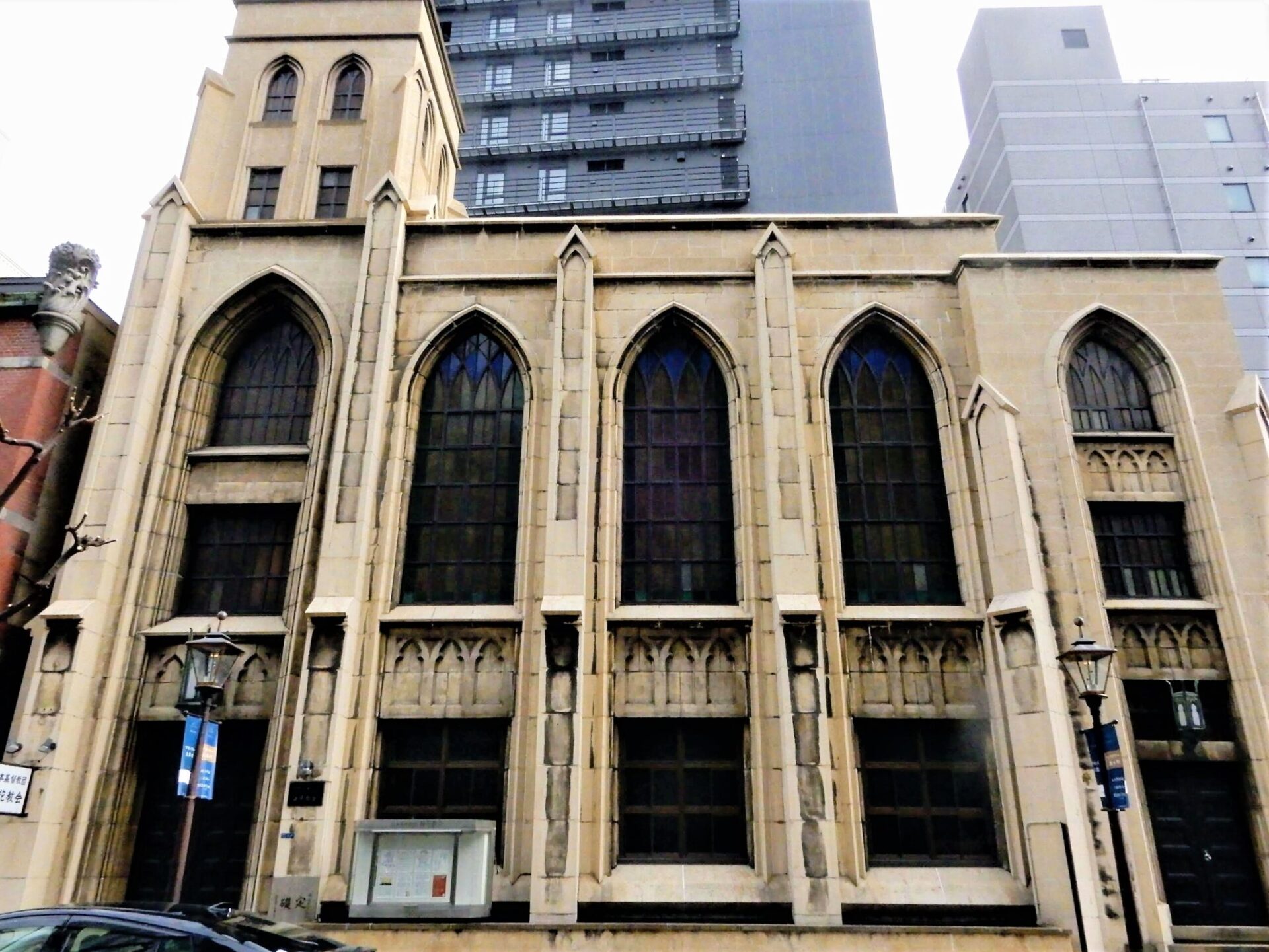
The Gothic-style Naniwa Protestant Temple was designed in 1930 by William Merrell Vories, an American architect. The yellow and green stained glass windows are simple but beautiful.
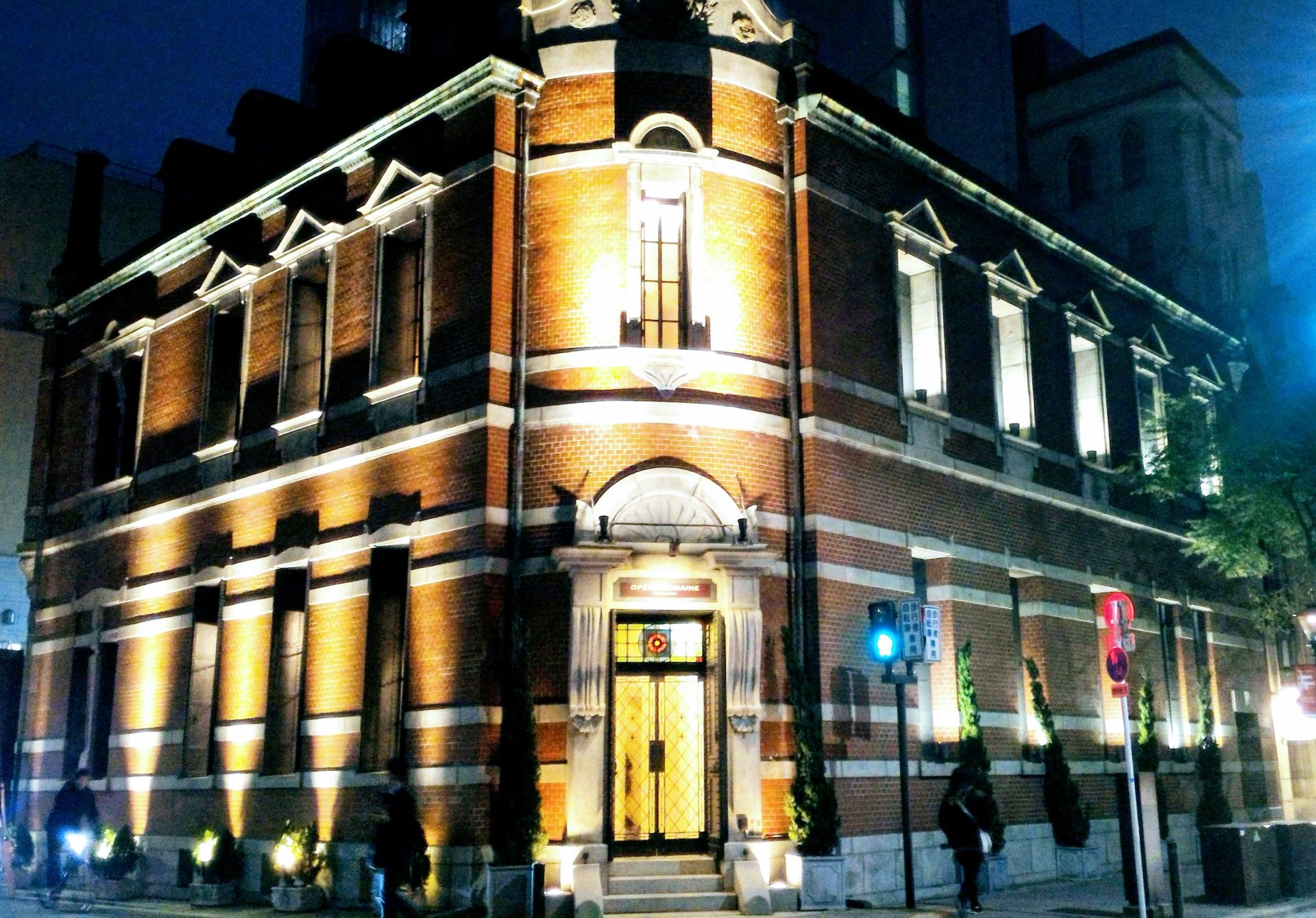
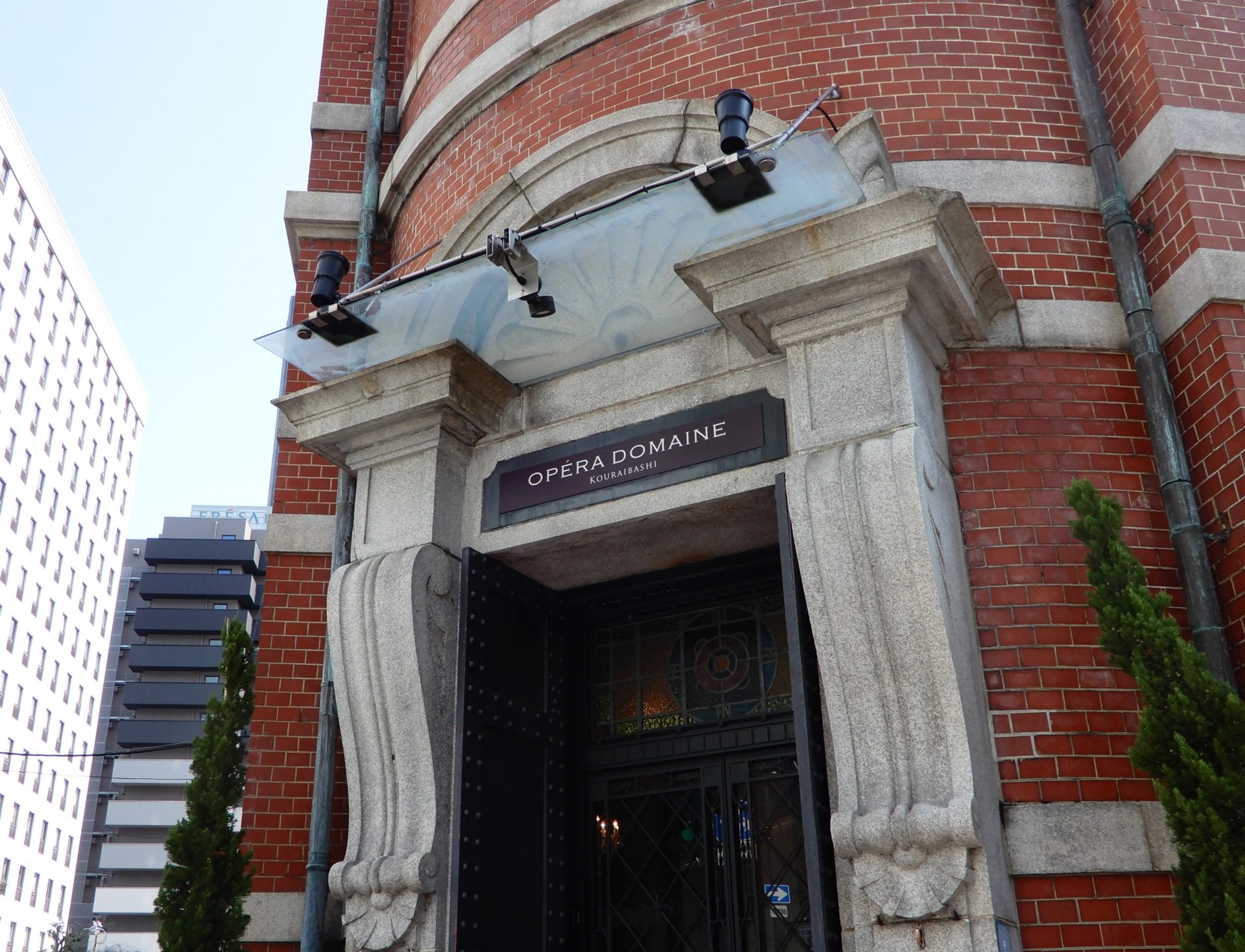
Next to the Naniwa Protestant Temple is a red brick building built in 1912, Opera Estate. It is used as a wedding hall today.